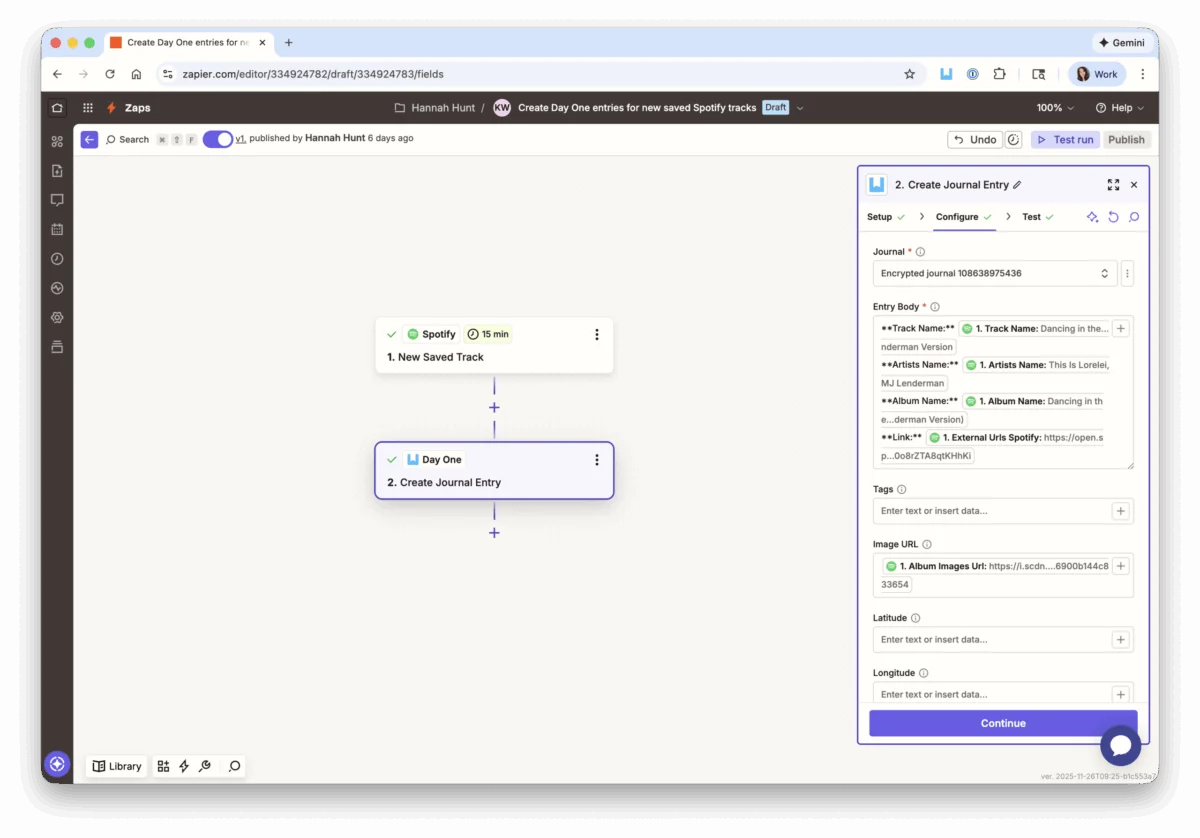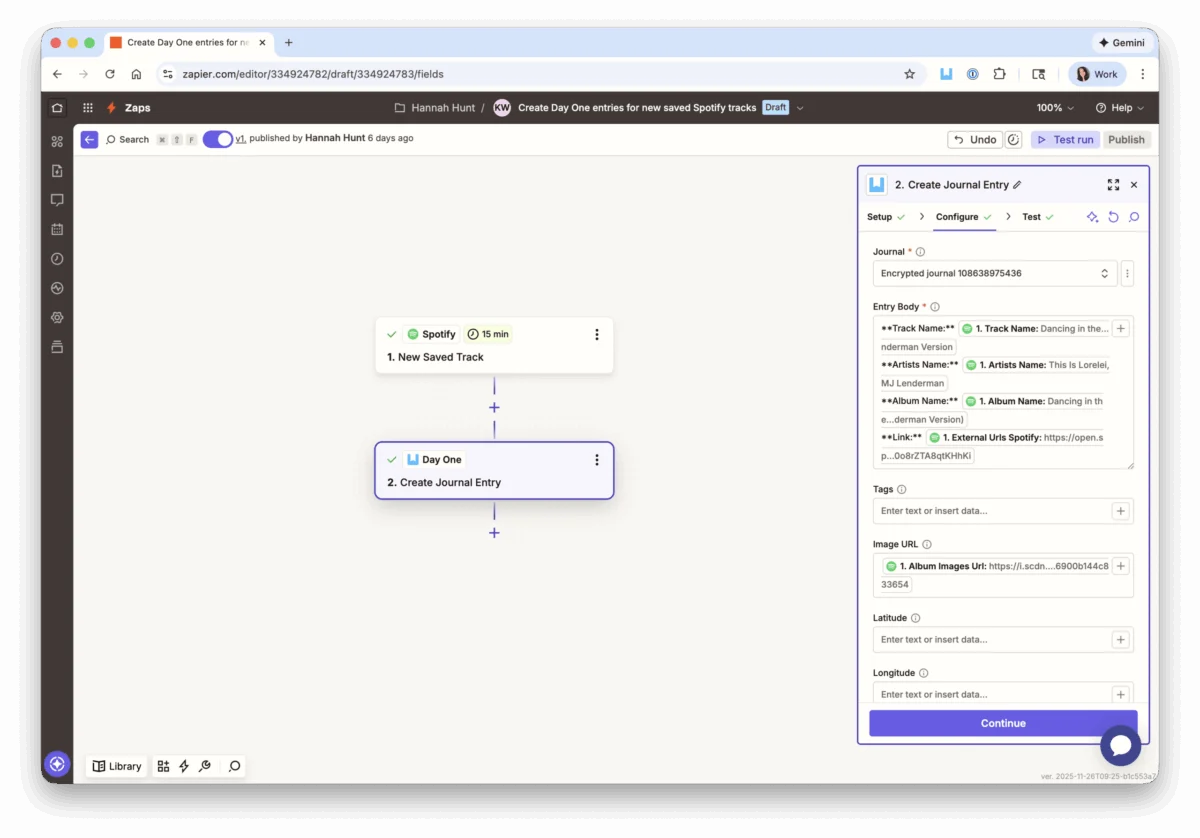
In an era where our personal and professional lives are increasingly fragmented across dozens of digital platforms, maintaining a cohesive narrative of our daily experiences has become a daunting challenge. Today, the developers behind Day One, the industry-leading journaling application, announced a significant leap forward in personal data management: a native, robust integration with Zapier. This new functionality promises to transform the digital diary from a manual, time-intensive chore into an automated, comprehensive archive of one’s life.
By connecting Day One to Zapier—a premier automation platform that links over 8,000 different applications—users can now funnel data from their favorite tools directly into their journals. This development marks a pivotal shift for power users and casual journalers alike, turning Day One into a "centralized brain" that captures digital activity without the need for manual copy-pasting.
The Evolution of Journaling: From Manual Entry to Seamless Automation
For years, the core challenge of journaling has been consistency. Life moves rapidly, and the friction associated with opening an app, recalling events, and typing them out often leads to "journaling gaps." With the introduction of Zapier for Day One, the platform effectively removes the barrier to entry.

Whether it is logging a completed task from Todoist, archiving a saved article from Pocket, recording a finished workout from Strava, or storing important meeting notes from Notion, the integration handles the heavy lifting in the background. Instead of manually curating their memories, users can now build "Zaps"—automated workflows—that act as silent scribes, ensuring that no meaningful detail slips through the cracks.
Chronology of the Development
The integration, which launched with version 2025.23 of the Day One application, follows months of user requests for more interoperability. Recognizing that the modern user’s digital footprint is spread across various clouds, the engineering team prioritized an architecture that balances the high-velocity nature of automation with the slow, reflective nature of personal journaling.
Following the initial beta testing phases, the release was rolled out across the entire Day One ecosystem. Today, users on iPhone, iPad, Android, and the web-based interface can leverage this new capability, provided they hold an active Day One Premium subscription.

Supporting Data and Technical Capabilities
At its core, the integration utilizes Zapier’s "Create Journal Entry" and "List Journals" actions. These functions allow for granular control over how information is stored. Users are not simply dumping data into a single, cluttered feed; they can route specific information into designated journals. For example, a user could set up an automation that sends all flagged emails to a "Work" journal, while all bookmarked recipes from Pinterest are sent to a "Lifestyle" journal.
The technical specifications of the integration support Markdown formatting, allowing for rich, structured entries. This means that when a user pulls in data—such as a task list—the resulting entry in Day One can maintain its headers, bullet points, and hyperlinks, ensuring that the archived information remains readable and useful for future reflection.
Privacy as a Cornerstone
One of the primary concerns when bridging two powerful applications is the security of sensitive personal information. Day One has been historically recognized for its commitment to privacy, and the company has explicitly designed this integration to preserve those standards.

The architecture is strictly one-way. Zapier is authorized to write data into the user’s journal, but it is explicitly denied permission to read or access existing content. Because all entries in Day One are end-to-end encrypted, even the automated entries generated by Zapier are shielded from external eyes. The system functions on a "push" model, where the integration handles the metadata required to identify a journal, but the actual journal contents remain locked within the user’s private, encrypted sphere.
Official Stance and Strategic Vision
In a statement accompanying the launch, the Day One team emphasized that this move is about "reducing the cognitive load" of documentation. "Life is too busy to manually log every accomplishment or creative spark," a company spokesperson noted. "Our goal is to ensure that Day One remains the single source of truth for your life’s story, even when that story is being lived out across a dozen different apps."
The company has invested heavily in creating a "low-code" experience for their users, publishing over 30 ready-to-use Zap templates. These templates serve as a blueprint for beginners, offering pre-configured workflows for common scenarios such as saving social media posts, tracking habit progress, or archiving digital research. By lowering the technical barrier, Day One is positioning itself as a platform that grows in complexity alongside its user base.

The Broader Implications: The "Life-Log" Movement
The integration of Zapier into a journaling app signals a broader cultural trend: the rise of the "Life-Log." As we become more aware of our digital footprint, there is a growing desire to reclaim our data. By aggregating disparate threads of digital activity into a single, searchable, and reflective journal, users are creating a more holistic view of their personal history.
Enhancing Workflow Efficiency
For the professional user, this is a game-changer. Imagine a consultant who, after finishing a project, realizes that their journal contains a complete, automated timeline of every email sent, every milestone hit in Asana, and every file uploaded to Google Drive. The "Day One + Zapier" combination effectively functions as a automated project management archive, allowing for deep-dive reviews of productivity patterns that would otherwise be lost in the ephemeral nature of daily notifications.
The "Quiet" Journaling Philosophy
There is an implicit philosophy behind this update: that journaling should not always be a loud, conscious act of writing. By allowing the journal to update itself "quietly in the background," Day One is acknowledging that some of the most important aspects of our lives are captured through the tools we use to work, play, and connect. This "passive collection" of data allows the user to focus on the qualitative side of journaling—the feelings, the reflections, and the interpretations—while the automated system handles the quantitative side.

Getting Started: A User’s Roadmap
For users looking to leverage this new power, the process is streamlined to prioritize ease of use. The setup occurs primarily within the Zapier dashboard, where users connect their Day One account via a secure OAuth process.
- Preparation: Ensure your Day One app is updated to version 2025.23 or higher and confirm you have an active Premium subscription.
- Authentication: Navigate to the Zapier "App Connections" page and authorize Day One. This requires a secure login to your Day One account.
- Template Selection: For those new to automation, the 30+ prebuilt templates are the ideal starting point. Simply select a template, such as "Save Slack messages to Day One," and follow the prompts.
- Customization: Advanced users can delve into the "Actions" settings, where they can define the format of the entry, choose the destination journal, and incorporate custom fields from the source app.
Troubleshooting and Best Practices
While the system is designed to be "set and forget," the development team recommends periodic reviews of one’s Zaps. If an automation fails—perhaps due to a change in the connected application’s API—the Zapier dashboard provides clear error reporting, allowing users to quickly diagnose and rectify the issue.
Furthermore, because the system relies on the user’s specific configuration, it is recommended that users start with one or two simple automations before attempting complex, multi-step workflows. This ensures that the journal remains a clean, organized repository rather than an overwhelming flood of automated data.

Conclusion: A Future-Proof Journal
The partnership between Day One and Zapier is more than just a software update; it is a fundamental expansion of what a digital journal can be. By embracing the power of automation, Day One has ensured its relevance in an increasingly automated world. It provides the perfect middle ground between the chaos of unorganized digital clutter and the intentionality of a private diary.
As users begin to integrate their workflows, they will likely find that their journal becomes a richer, more vibrant reflection of their lives. Whether you are using it to log your fitness progress, capture creative inspiration from the web, or simply keep a running record of your professional milestones, this integration turns the act of journaling into an effortless byproduct of your daily life.
To begin your journey into automated, consistent, and reflective documentation, visit the Day One integrations page on Zapier today and explore the possibilities of a journal that grows with you. As the digital landscape continues to evolve, having a reliable, automated, and private home for your life’s data has never been more essential.