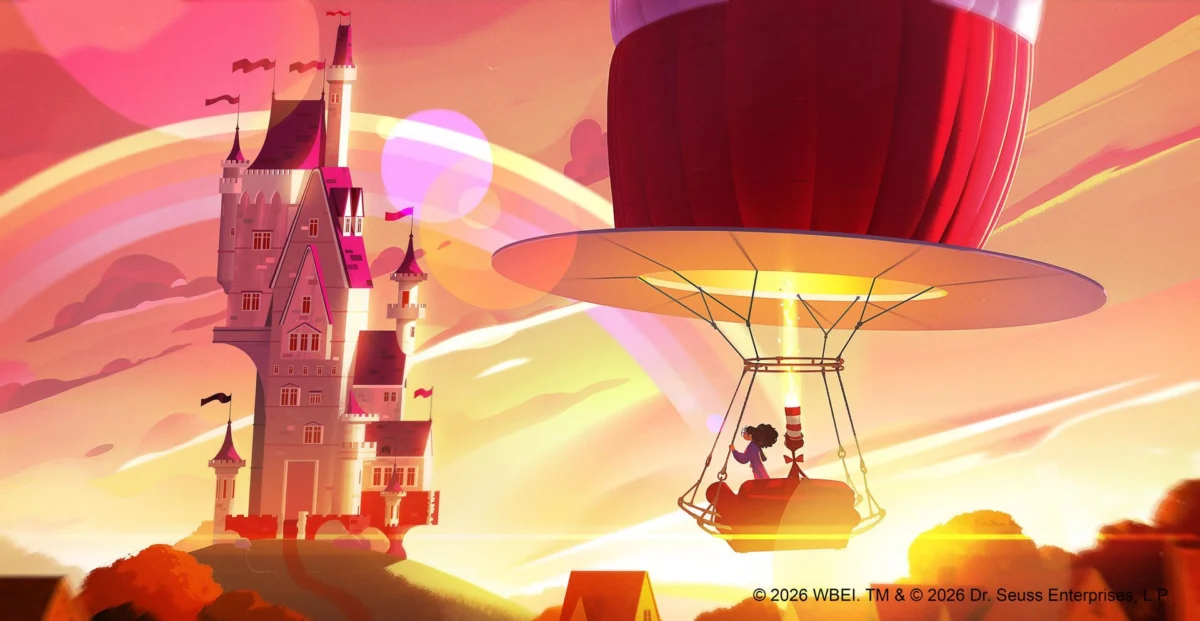
The challenge of translating the whimsical, erratic, and iconic illustrations of Dr. Seuss into a fully realized 3D cinematic experience is a task that has historically daunted even the most seasoned animation studios. For the upcoming 2026 feature The Cat in the Hat, Warner Bros. Pictures Animation (WBPA) faced a fundamental creative crossroads: how do you capture the essence of a flat, ink-and-wash picture book in a medium defined by depth, light, and geometry?
Directors Alessandro Carloni and Erica Rivinoja have approached this challenge not by attempting to replicate the 2D page, but by inventing an entirely new visual language. Their goal was to honor the "Seussian" aesthetic while leveraging the immersion of modern 3D technology to create something that feels both nostalgic and groundbreaking.
The Philosophical Core: Beyond Simple Simulation
At the heart of the project lies a firm directive from the directors: "We didn’t want to use CG to just ‘simulate’ an illustration," Carloni explains. The goal was to evoke the familiarity of Seuss’s painterly, hand-drawn roots while providing the depth and spatial immersion that only modern 3D animation can offer.
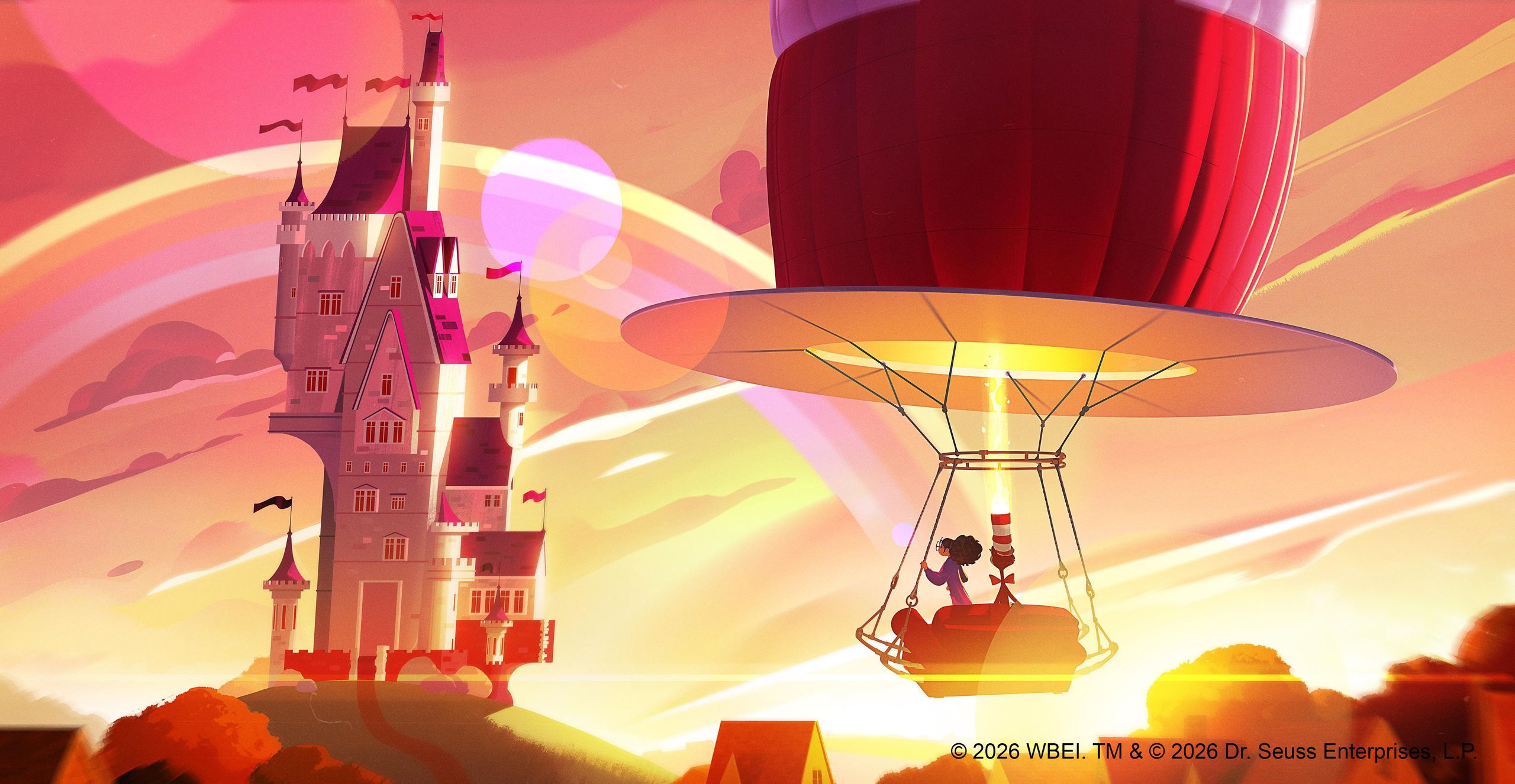
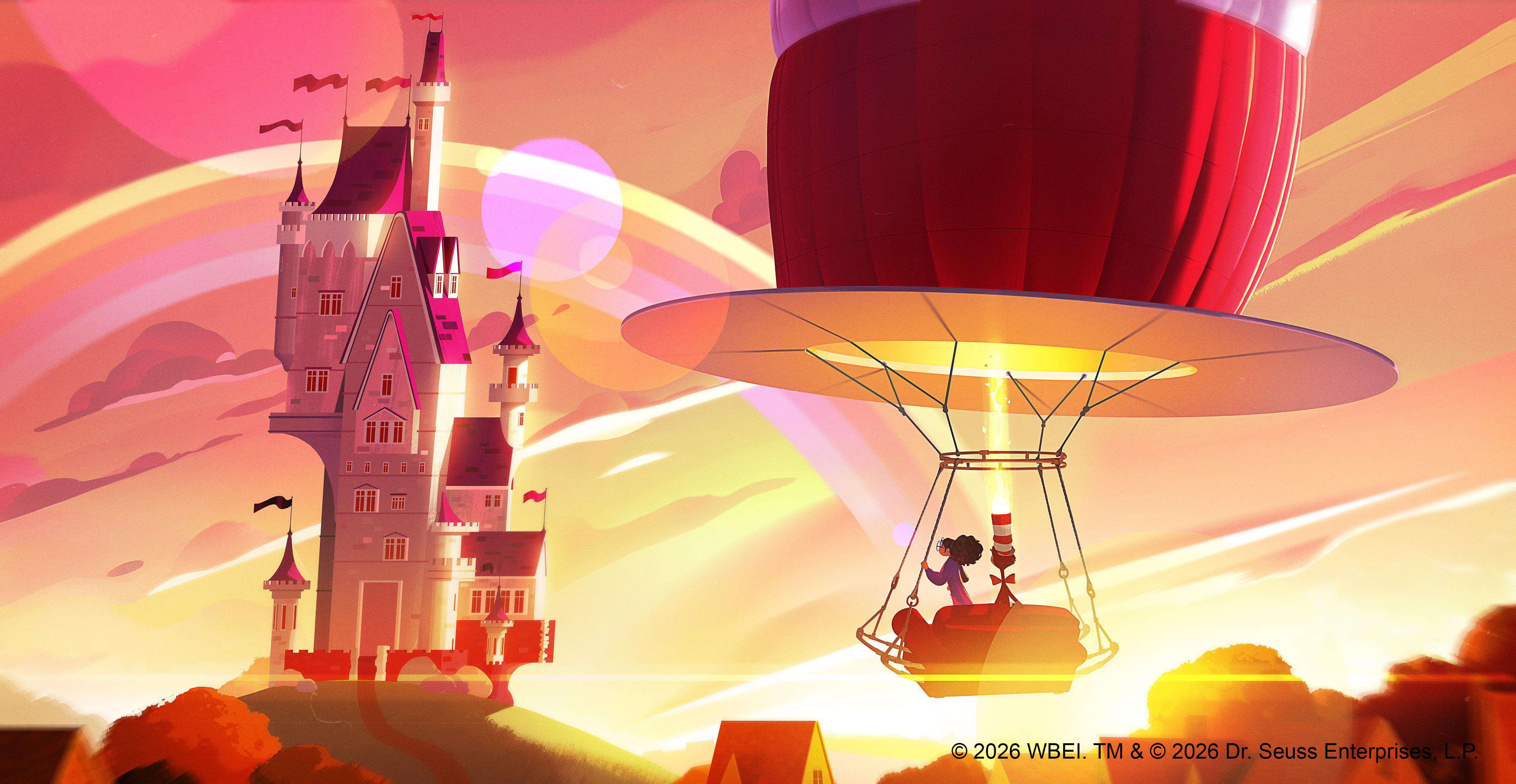
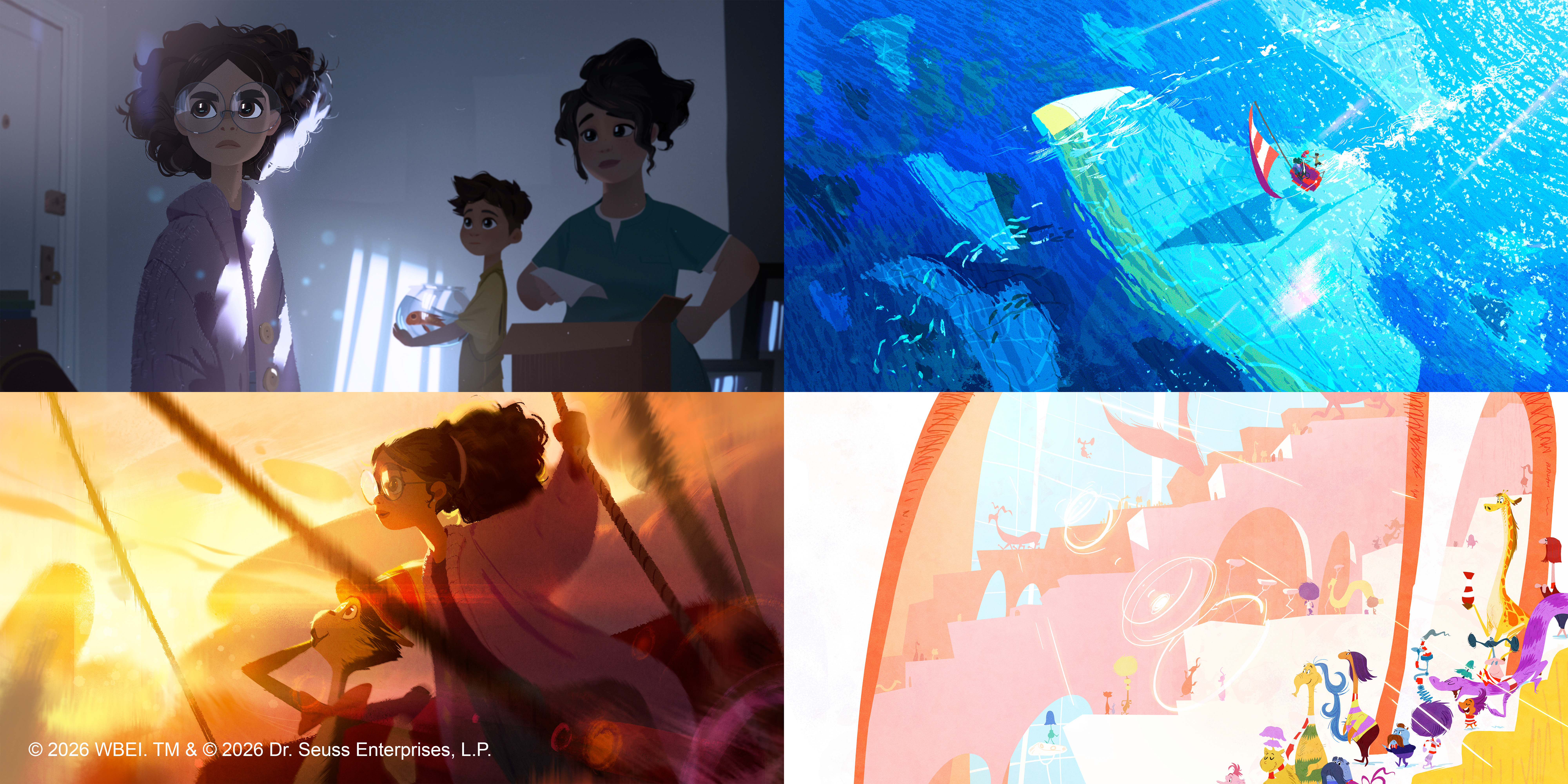
This required a departure from the "hyper-realism" that has dominated computer-generated imagery for the last two decades. Instead, the team sought a "stylized, painterly edge treatment." By avoiding the harsh, perfect sharpness of traditional digital imagery, the animators were able to maintain a softer, more organic feel. This was achieved through a complex layering of lighting techniques—combining simple, near-flat surface lighting with volumetric fill and bounce light—which mimics the unpredictable nature of traditional media.
A Collaborative Blueprint: "Unite and Conquer"
The creative partnership between Carloni and Rivinoja was defined by a rejection of traditional division of labor. In an industry where directing duties are often siloed, the duo opted for a "unite and conquer" philosophy. By keeping themselves in almost every meeting together, they ensured that the film’s narrative voice remained consistent from the earliest storyboards to the final render.
This level of collaboration was not just a preference; it was a necessity. The scale of the production spanned four major global hubs—India, Montreal, London, and Los Angeles—requiring a technological infrastructure that could keep thousands of artists, animators, and technicians aligned on a singular vision.
The Technical Infrastructure: How Maya and Flow Powered the Vision
The technical backbone of the production relied heavily on Autodesk software, specifically Maya and the Flow ecosystem. As detailed in the Made to Make video series, the production pipeline was built to handle the unique geometry of the Seuss universe.
The Role of Maya
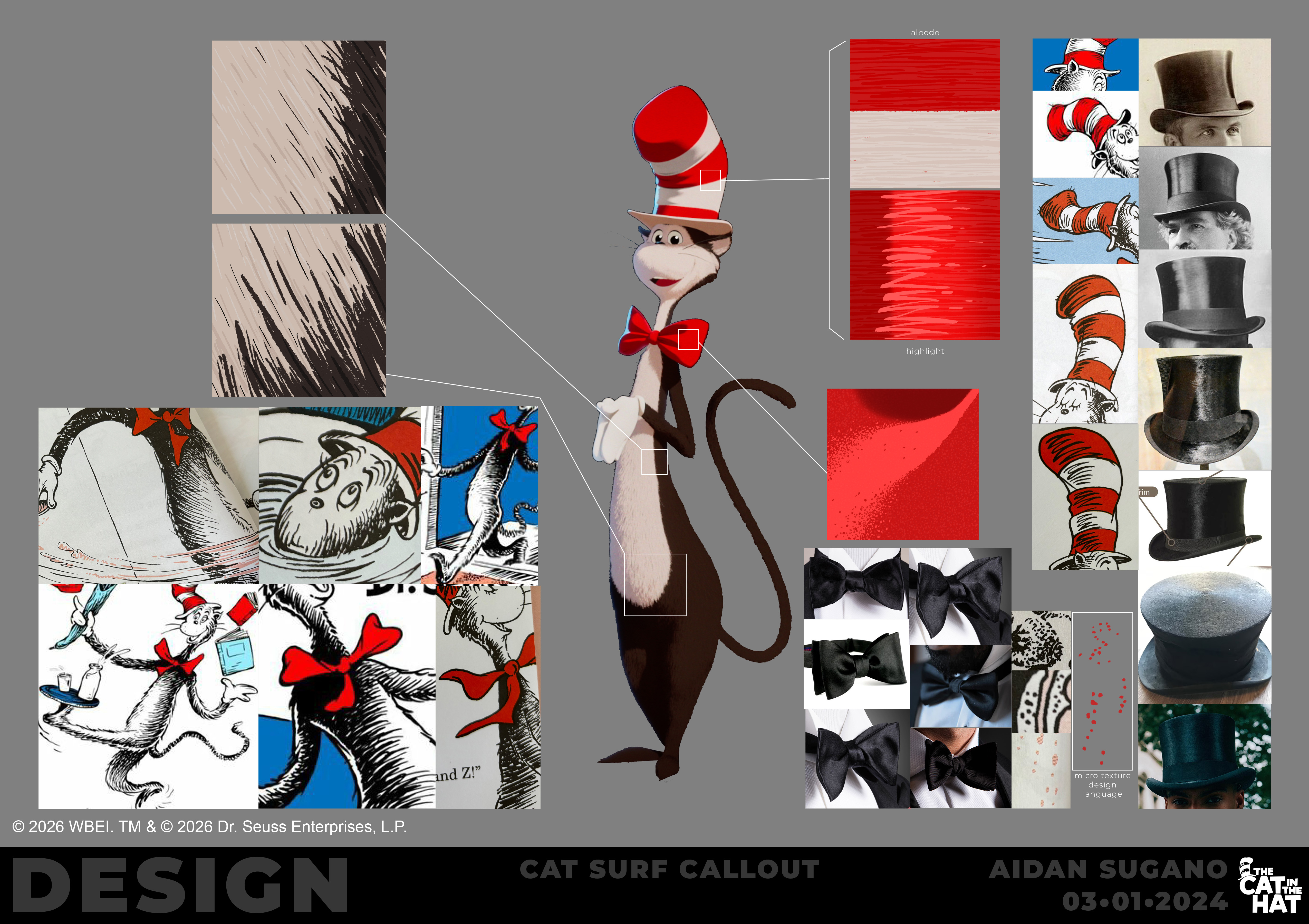
Maya served as the central nerve center for the film. Production designer Aidan Sugano’s hand-drawn conceptual designs were translated into 3D models within the software, ensuring that the transition from 2D sketch to 3D asset remained faithful to the source material. For animators like Marek Kochout, Maya was the essential tool for character performance. By utilizing the Graph Editor, animators layered hundreds of curves to capture the Cat’s manic, fluid energy. The use of a shared "Pose Library" allowed the team to build a consistent "language" of movement, ensuring that whether the Cat was being animated in London or Los Angeles, his performance felt unified.
Global Workflow Management
To maintain cohesion across disparate time zones, the studio relied on Autodesk Flow Production Tracking. This system allowed for real-time review processes. Using the RV tool, production designer Aidan Sugano (based in New York) and VFX supervisor Matt Waters (based in London) were able to review the same high-resolution footage simultaneously, drastically reducing the feedback loop.
Security was maintained through Autodesk Flow Capture, which provided the watermarking and access controls necessary to protect the film’s IP during the two-year production cycle. As Carloni notes, "This movie would not exist without the tools we had."
Preserving the "Seussian" Design Motif
Preserving the visual language of Dr. Seuss meant meticulously cataloging the elements that make his books distinct. The team focused on four key pillars:
- Hatch Marks and Textures: Maintaining the hand-drawn quality of the original illustrations.
- Negative Space: Using the environment to tell the story without overcrowding the frame.
- Mechanical Design: Ensuring that the "impossible" machinery and architecture felt grounded in the logic of the books.
- The Palette: Utilizing the specific, vibrant, and slightly desaturated color theory found in the original works.
The film aims to expand the mythology of the source material. The directors explored questions that have lingered in the minds of readers for decades: Where does the Cat go after he leaves the house? The team settled on a backstory that posits the Cat as a specialized professional, with his iconic hat serving as his company uniform. This narrative expansion allows the film to feel like a logical extension of the book rather than a mere remake.
Character-Driven Narrative: The Challenge of Lovability
Despite the high-tech rendering and the complex global pipeline, the directors emphasize that the film’s success hinges on a much more human element: the "lovability" of the protagonist.
"To make sure the character of the Cat was truly lovable—that was the hardest problem," says Carloni. "If we loved him, we had a movie. If he’s unlikable, then no matter how fun the story or how fantastic the adventure, the movie would never work."
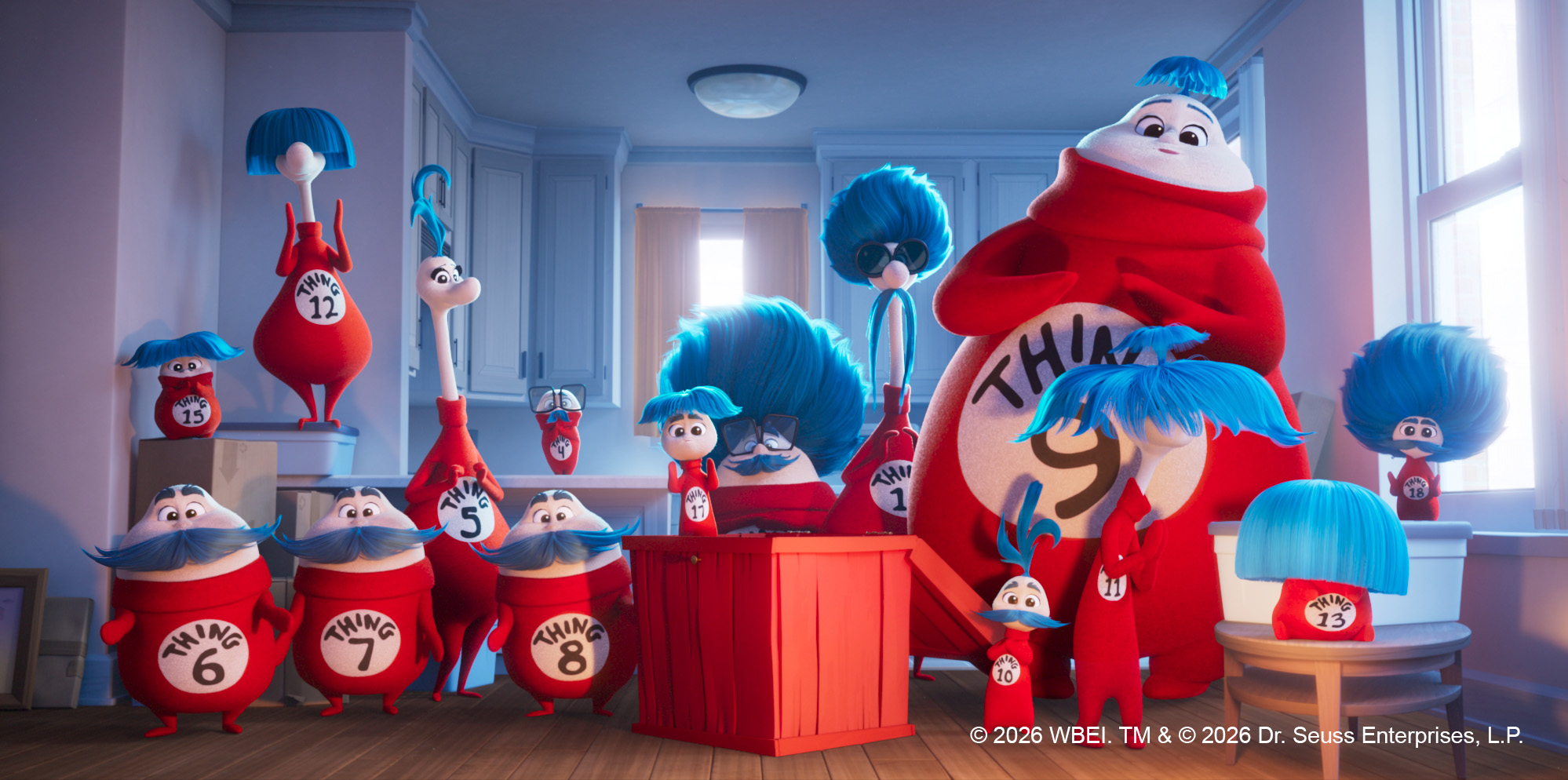
This concern for character depth is why the team resisted the urge to alter the characters as they move between the various worlds of the film. While the lighting, surfacing, and rendering styles change to reflect the emotional journey of the plot, the core shape language of the characters remains consistent. This consistency provides an anchor for the audience, ensuring that the emotional stakes of the story are never lost in the spectacle of the animation.
Implications for the Future of Animation
The production of The Cat in the Hat serves as a case study for the future of animated filmmaking. By successfully bridging the gap between legacy 2D art styles and modern 3D capabilities, WBPA has set a new benchmark for how studios can approach literary adaptations.
The reliance on "lens behavior"—including halation, aberration, and intentional lens flare—to ground the images in a sense of photographic reality proves that the "uncanny valley" of animation can be bridged by leaning into artistic imperfection rather than chasing digital perfection.
As we move toward the release date in November 2026, the industry will be watching closely. The success of this film will likely signal a shift in how major studios approach the "stylized" look, potentially moving away from the uniform, hyper-detailed CG aesthetic that has dominated the last decade.
Conclusion
The Cat in the Hat project is not merely an exercise in technical prowess; it is an attempt to capture the soul of a classic. Through a combination of rigorous collaborative processes, cutting-edge software like Autodesk Maya and Flow, and a steadfast commitment to the artistic integrity of Dr. Seuss, the team at Warner Bros. Pictures Animation is creating a film that honors its roots while pushing the medium of animation into a new era.
The Cat, it seems, is not just coming back to the house on a rainy day—he is coming to the big screen with a level of depth and artistic intention that promises to delight a new generation of viewers while satisfying the most ardent of book purists.
The Cat in the Hat is scheduled to arrive in cinemas and IMAX in North America on November 6, 2026, with international markets beginning their rollouts on November 4.