By Emily Long | October 28, 2026
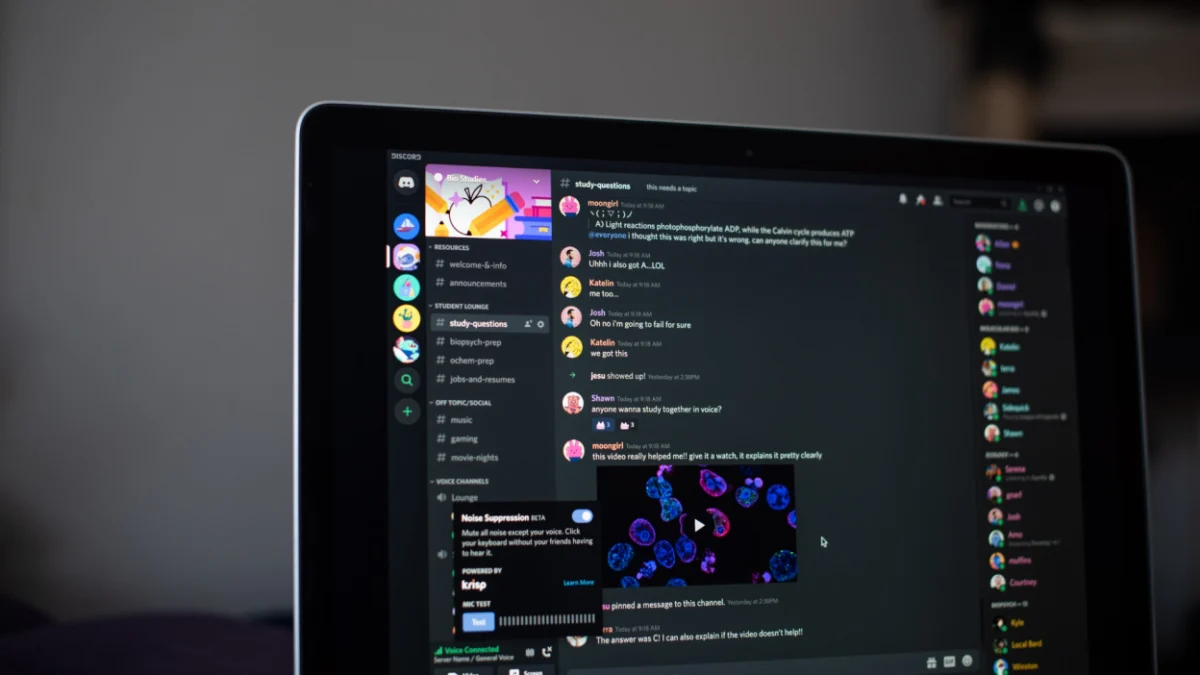
For years, Discord has functioned as the "third place" of the digital age—a collection of semi-private, invite-only, or community-gated chat rooms where users could congregate away from the prying eyes of search engine crawlers. That paradigm is shifting significantly this November. In an effort to increase the visibility of its "Discoverable" server ecosystem, Discord is rolling out a new feature that will allow server web pages to be indexed by Google and other search engines.
This transition marks a departure from the platform’s traditional "walled garden" approach. For millions of users, this means that their conversations, memes, and community contributions—previously trapped within the Discord app—will soon be indexed, searchable, and viewable by the public at large, regardless of whether those users have a Discord account.
Main Facts: The Scope of the Change
Starting November 16, 2026, Discord will launch dedicated web pages for its "Discoverable" servers. These servers, defined by the platform as public communities with at least 1,000 members, will no longer be strictly confined to the app interface.
The new web pages are designed to act as a public-facing storefront for these communities. They will feature curated summaries of ongoing discussions within public channels and, in some instances, display individual messages from members. By mid-December, these pages will begin appearing in global search engine results.
Crucially, while Discord claims that individual messages will not be directly tied to a user’s unique username or avatar, the content of those messages will be exposed to the public internet. This removes the barrier to entry: a casual Google search for a specific topic could lead a non-user directly to a snippet of a conversation happening within a Discord server.
Chronology of the Implementation
The rollout follows a phased timeline intended to give both administrators and users time to adjust their privacy settings:
- October 28, 2026: Official announcement and public disclosure of the policy change.
- November 16, 2026: Launch of the "Server Web Pages" feature. At this stage, servers will begin generating these pages, and internal summaries will start to be populated.
- Mid-November to Mid-December: A "grace period" where internal infrastructure is finalized. Importantly, any messages sent before this mid-December window are exempt from being indexed in search results.
- Mid-December 2026: Full indexing goes live. Search engines will begin crawling these pages, making them searchable via Google, Bing, and other major platforms.
Supporting Data and Technical Context
Discord’s decision to move toward search engine indexing is rooted in its desire to grow its "Discoverable" server base. Currently, Discord categorizes servers into three tiers:
- Friend Servers: Small, private spaces for personal groups.
- Community Servers: Large, invite-only spaces.
- Discoverable Servers: Public-facing hubs that do not require an invite, boasting at least 1,000 members.
The change only affects the third category. According to internal metrics, Discoverable Servers represent the most active public-facing part of the platform. By allowing these servers to appear in search results, Discord is essentially positioning itself as a modern-day forum, competing more directly with platforms like Reddit, Quora, and traditional web forums.
However, the technical implementation has raised concerns. While Discord asserts that private servers and Direct Messages (DMs) remain entirely untouched and private, the inclusion of "channel summaries" means that AI-driven snippets of community discourse will now exist in the public domain.
Official Responses and Privacy Controls
Discord has framed this update as a tool for "making content from discoverable servers easier to discover." In their official blog post, the company emphasized that they are prioritizing transparency and user control.

Administrator Controls
Server administrators hold the primary power in this transition. Via Server Settings > Web Presence, admins can opt to disable public channel inclusion entirely. They have the granularity to select which channels are indexed and which are excluded, allowing them to keep sensitive or highly volatile channels out of the public eye.
Individual User Controls
For the average member, the ability to control their digital footprint is more limited. Users can navigate to User Settings > Data and Privacy to toggle off the inclusion of their messages in discoverable channels.
Important Caveats:
- Global Toggle: The setting is a blanket toggle. Users cannot currently choose to opt out of specific servers while remaining opted in for others.
- Summaries: Users cannot opt out of having their content analyzed for "channel summaries." Even if your specific message isn’t displayed in a search snippet, it may be used by the platform to generate the summary text that is indexed.
- Retroactivity: If a user leaves the setting enabled and later decides to disable it, any messages posted in the interim (between mid-December and the point of disabling) will remain indexed. The only way to remove that content from the web is to delete the original message from the Discord server entirely.
Implications: The Death of Digital Anonymity?
The implications of this move are profound for both the platform and its users.
For the Platform
Discord is clearly attempting to transition from a private chat app to a public information repository. This is a strategic move to capture the "search" market. Many users currently use Discord to find niche information, gaming guides, or community support. By allowing search engines to index these, Discord potentially becomes the primary source of truth for niche hobbies and technical troubleshooting, driving massive traffic to its platform.
For the User
The "safe space" feeling of Discord is under threat. Historically, users have felt comfortable sharing thoughts in large servers under the assumption that the conversation was ephemeral or at least contained within the "Discord bubble."
The shift to public indexing means that a user’s opinion on a political issue, a critique of a game, or a personal anecdote shared in a 1,000-member server could now be found by a future employer, a family member, or a stranger using a simple Google search.
Furthermore, the integration of AI-generated summaries suggests that Discord is leaning into automated content curation. For users who value the "live" nature of chat, the idea that their messages are being synthesized into public-facing "articles" or "summaries" may feel like a violation of the platform’s original ethos.
The "Public" Dilemma
While the servers in question are technically "public," there is a cultural difference between "publicly accessible to anyone who joins" and "publicly indexed by search engines." The barrier of requiring a login and an invite (or an active search for the server) served as a friction point that discouraged casual data scraping. Removing that friction significantly increases the likelihood that these servers will be scraped by third-party AI crawlers, data brokers, and marketing firms.
Conclusion
As we approach mid-December, the digital landscape of Discord will undergo a quiet but seismic shift. Users who participate in large, Discoverable servers should take the time to review their Data and Privacy settings immediately.
While the change offers a more convenient way to find communities and share knowledge, it comes at a cost to the traditional privacy expectations of the platform. In the age of permanent search indexing, it is time for users to treat their public Discord contributions with the same level of caution they would afford a post on a public social media platform or a comment on a news site. If you are in a large server, assume that what you type may eventually be findable by anyone with a search engine.