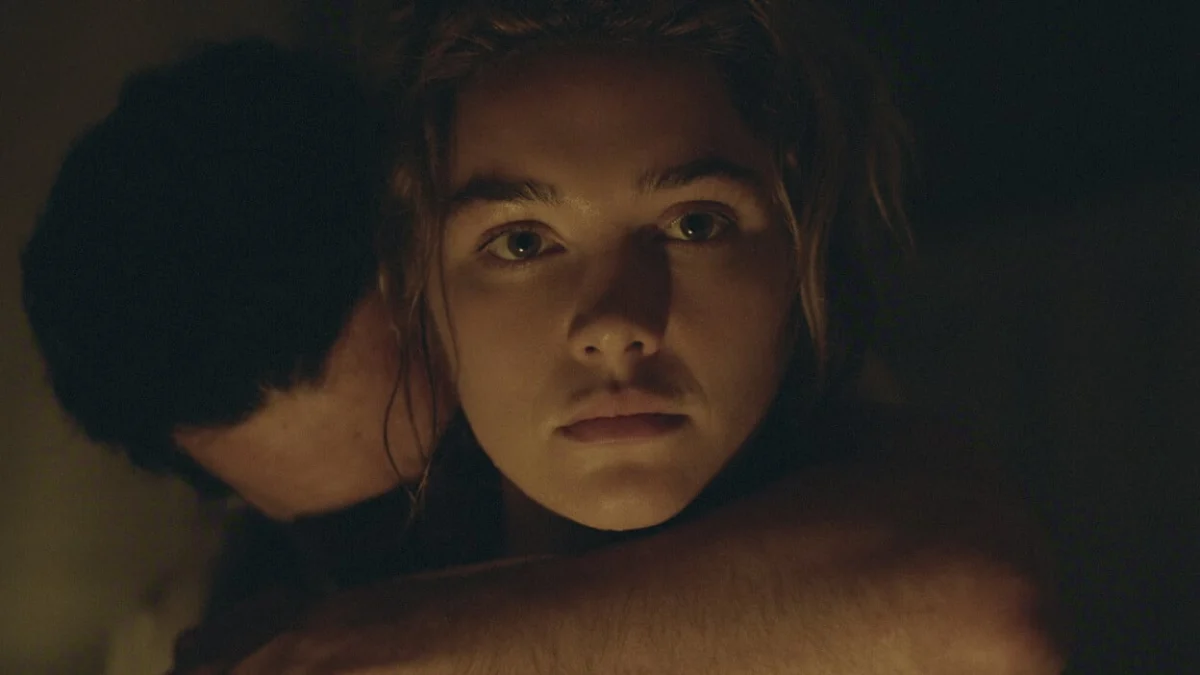
The enduring power of John Steinbeck’s 1952 masterpiece, East of Eden, lies in its elasticity. It is a story that refuses to remain static, serving as a canvas upon which successive generations of filmmakers and showrunners project their own anxieties, moral inquiries, and aesthetic sensibilities. With the 2026 Netflix limited series—featuring a powerhouse performance by Florence Pugh as the enigmatic and icy Cathy Ames—the cultural conversation surrounding Steinbeck’s sprawling saga has been reignited.
For many viewers, the series serves as a gateway into a specific subgenre of historical epic: the character-driven drama that explores the darker recesses of human ambition, familial trauma, and the societal constraints placed upon women. If you find yourself captivated by the complex, morally gray landscapes of East of Eden, you are likely searching for narratives that offer similar depth, tension, and sweeping historical scope.
The Evolution of a Classic: Chronology and Adaptation
To understand the significance of the 2026 adaptation, one must look at the history of the work’s migration from page to screen. John Steinbeck’s novel was a colossal undertaking, a generational saga that grappled with the biblical weight of Cain and Abel set against the backdrop of the Salinas Valley.
- 1952: John Steinbeck publishes East of Eden, cementing his status as a titan of American literature.
- 1955: Elia Kazan directs the first major film adaptation. Crucially, this version focused only on the final third of the novel, centering on the star power of James Dean. It captured the raw, emotional urgency of the mid-century zeitgeist but bypassed much of the book’s foundational history.
- 1981: An ambitious miniseries adaptation starring Jane Seymour and Timothy Bottoms attempted a more comprehensive retelling, though it struggled to capture the grit of the original text.
- 2026: The modern Netflix limited series arrives. By utilizing a longer format, the series provides the necessary space to explore the full, multi-generational complexity of the Trask and Hamilton families, with a particular emphasis on subverting the traditional portrayal of Cathy Ames.
Supporting Data: Why We Crave the "Antihero"
The shift in how we perceive characters like Cathy Ames reflects a broader change in modern storytelling. Data from film and literary critics suggests a marked increase in audience engagement with "villains" who are granted sympathetic or complex backstories. In the 1955 film, Ames was often depicted as a simple, sociopathic antagonist. Today, audiences demand nuance.
Pugh’s portrayal of Ames is not a defense of her actions, but an exploration of the structural and personal forces that shaped her. This "moral ambiguity" is a hallmark of the most successful prestige television of the last decade. Whether it is the desperate survivalism of Becky Sharp in Vanity Fair or the cold, calculated maneuvers of Katherine in Lady Macbeth, the current cinematic landscape is obsessed with women who are forced to navigate patriarchal systems by any means necessary.
Official Perspectives and Creative Direction
The 2026 series, co-written and directed by Zoe Kazan, marks a full-circle moment for the material. The project’s creative team has spoken extensively about the "modernization of motivation." By framing the story through the lens of characters who are not merely victims of their circumstances but active architects of their own destinies, the show manages to make a 70-year-old novel feel urgent and contemporary.

Critics have noted that the series succeeds where others have failed by refusing to "flatten" its female leads. In the original text, Cathy Ames is often described as a monster; in the 2026 version, she is a survivor of a world that left her no room to be anything else. This pivot mirrors the modern critical re-evaluation of classic literature, where "likability" is no longer the primary currency of a protagonist.
Curated Recommendations: Exploring Similar Epic Narratives
If the aesthetic of East of Eden—the lush, historical cinematography mixed with the claustrophobic tension of family secrets—has hooked you, the following titles provide the perfect next step in your viewing journey.
1. Vanity Fair (2004)
If you enjoyed the "scheming for survival" aspect of Cathy Ames, look no further than Becky Sharp. Based on William Makepeace Thackeray’s 19th-century satire, this film version starring Reese Witherspoon captures the essence of a woman fighting for social standing in a rigid, male-dominated Victorian society. Sharp is an antiheroine for the ages; she is opportunistic and occasionally ruthless, yet the audience is consistently forced to question whether her behavior is a character flaw or a rational response to her environment. It is an essential watch for those who appreciate the intersection of historical setting and biting social commentary.
2. Lady Macbeth (2016)
For fans of Florence Pugh’s performance in East of Eden, this 2016 film is a mandatory viewing experience. Set in 1865 rural England, it follows Katherine, a young bride trapped in a loveless marriage with a much older man. When her husband and father-in-law leave, Katherine begins a transformation that is as terrifying as it is mesmerizing. Like the best adaptations of classic literature, it takes a familiar archetype and subverts it, turning a period piece into a visceral, violent study of power and gender.
3. Legends of the Fall (1994)
If it is the "sprawling family drama" element of East of Eden that draws you in, Legends of the Fall provides the grand scale you are seeking. Spanning the early 20th century, the film follows Colonel William Ludlow and his three sons as they navigate love, war, and the shifting landscape of Montana. It is a movie defined by emotional wounds and the heavy weight of legacy. Brad Pitt’s performance anchors the film, offering the same kind of magnetic, brooding energy found in the best character-driven epics.
4. Giant (1956)
Another classic featuring James Dean, Giant is the spiritual cousin to East of Eden. It chronicles the rise and fall of the Benedict family in Texas, moving from the cattle-ranching era to the explosion of the oil industry. It is a story about the corrosive nature of wealth and the difficulty of maintaining a family legacy in the face of inevitable change. Its epic length and heavy focus on character development make it a quintessential companion piece to any study of Steinbeck’s work.

5. The Grapes of Wrath (1940)
To truly appreciate the scope of Steinbeck’s vision, one must look at his most famous work. John Ford’s adaptation of The Grapes of Wrath remains a landmark in American cinema. While it lacks the interior, psychological focus of the 2026 East of Eden series, it makes up for it with raw, political power. It captures the desperation of the Great Depression and the nobility of those forced into migration. For viewers interested in the recurring themes of labor, injustice, and the resilience of the human spirit, this film is the gold standard.
Implications for Future Adaptations
The success of the 2026 East of Eden demonstrates a clear trend in the industry: there is a vast, untapped market for "Prestige Classics." Modern audiences are no longer content with surface-level adaptations of 20th-century literature. They demand deep-dives, psychological rigor, and a willingness to challenge the moral binaries of the past.
By allowing the story to breathe over multiple episodes, the production has proven that these "unadaptable" novels are, in fact, the most fertile ground for modern television. As we look toward the future of streaming, we can expect to see more classics receiving this "long-form" treatment, giving creators the freedom to flesh out the secondary characters and moral dilemmas that were once left on the cutting room floor.
The takeaway for the viewer is simple: the story doesn’t end when the credits roll. Whether it is through the lens of Victorian satire in Vanity Fair or the brutal, stark realism of Lady Macbeth, the legacy of East of Eden continues to inform how we tell stories about who we are, where we come from, and the complex, often messy, ways we attempt to define our own destinies.