For many, the transition into retirement arrives not with a bang, but with a quiet, unsettling stillness. It is a weekday morning, several months after the final sign-off, and the reality of the "golden years" feels fundamentally different from the brochures. The coffee is brewed, the house is peaceful, and yet, there is a pervasive, heavy fog. You find yourself sitting in a chair, lacking the motivation to start the day, struggling to articulate why the freedom you once craved feels more like a vacuum.
In the popular lexicon, this is frequently labeled "retirement depression." It is a term that often serves as a catch-all for a variety of experiences—from minor existential adjustments to significant clinical depressive episodes. However, research suggests that the most critical factor in determining your mental health post-career is not how you spend your time, but rather how you arrived at the decision to stop working in the first place.
The Core Distinction: Voluntary vs. Involuntary Exit
The most significant predictor of mental well-being in retirement is the degree of agency the individual exerted over their departure. A substantial body of longitudinal research indicates that there is a stark, measurable divide between those who choose their exit date and those for whom the date was chosen by circumstance, corporate restructuring, or health crises.
The Statistical Reality
A 2021 meta-analysis, which synthesized data from 25 longitudinal studies, found a compelling disparity: while depressive symptoms remained relatively stable among those who retired voluntarily, there was a statistically significant uptick in symptoms among those who were forced into retirement. Involuntary retirement serves as a potent stressor, often acting as a catalyst for feelings of powerlessness and identity loss.
Further evidence from a study tracking over 14,000 individuals found that involuntary retirement carried a relative risk for depression of 1.70 compared to those who remained in the workforce. When an individual’s professional exit is stripped of choice, the psychological impact is not merely a "boredom" issue; it is a significant life transition that requires careful, often professional, navigation.
Chronology of the Transition: From Career to Silence
To understand the trajectory of post-retirement mood, we must look at the timeline of the transition.
- The Honeymoon Phase (Months 1–3): Many retirees experience an immediate sense of relief. The stressors of the daily commute, rigid schedules, and workplace politics vanish. This period is often characterized by a "vacation" mindset.
- The Decompression Period (Months 3–6): As the novelty wears off, the loss of professional identity begins to manifest. This is where the lack of a "why" becomes apparent. For those who did not choose their exit, this is the window where the loss of income or the lack of agency begins to weigh heavily.
- The Stabilization or Crisis Point (Month 6 and beyond): At this stage, the reality of one’s new routine—or lack thereof—is fully established. If a sense of purpose has not been cultivated, individuals may find themselves slipping into a state of "flatness," where the absence of external validation and structure begins to erode self-esteem.
Supporting Data: Why Choice Matters
The research consistently highlights three primary drivers that accompany an involuntary exit, each compounding the risk of depression:
1. The Health Factor
When retirement is dictated by a decline in personal health, the transition is inherently traumatic. Data suggests that women, in particular, may face higher depressive symptom scores when retiring early for health reasons. It is crucial to recognize that this often extends to those who "retire" to become caregivers for a spouse or parent. The sudden shift from a professional to a caregiver role—often without the support systems of a workplace—carries a significant mental health burden.
2. The Financial Disruption
Financial stress is a well-documented contributor to depression. An involuntary exit often cuts off the earning window prematurely, forcing retirees to live on a budget they did not have time to properly model. When financial security is threatened, the psychological focus shifts from "living the dream" to "surviving the reality," which creates a constant, low-level hum of anxiety that eventually degrades into depressive symptoms.

3. The Loss of Agency
The psychological sting of being "let go" or forced out is often underestimated. Many retirees feel a sense of shame or embarrassment, leading them to internalize their frustration. However, modern psychological research suggests that the lack of say in one’s own career arc is a valid cause for grief. Acknowledging this loss is the first step toward recovering one’s sense of control.
Official Perspectives and Professional Guidance
Clinical experts emphasize that "retirement depression" is not a formal diagnostic category, but rather a descriptive term for a constellation of symptoms including lethargy, loss of appetite, insomnia, and anhedonia (the inability to feel pleasure).
Medical professionals advise that if these symptoms persist for more than a few weeks, or if they begin to interfere with daily hygiene, sleep, and nutrition, it is imperative to seek professional consultation. The "I’m just tired" narrative is a common defense mechanism, but data from French utility cohorts shows that, on average, physical and mental fatigue should actually decrease within the first year of retirement. If you find yourself more fatigued than you were while working, it is a clinical indicator—not a normal part of aging—that warrants a medical checkup.
The Role of 988 and Crisis Intervention
For those feeling overwhelmed, the 988 Suicide and Crisis Lifeline remains a vital resource. Reaching out to a professional is not a sign of failure; it is an act of proactive self-management. It is better to seek support early, while you still have the energy to implement change, rather than waiting until the emotional state becomes chronic.
Implications: Moving Forward with Structure
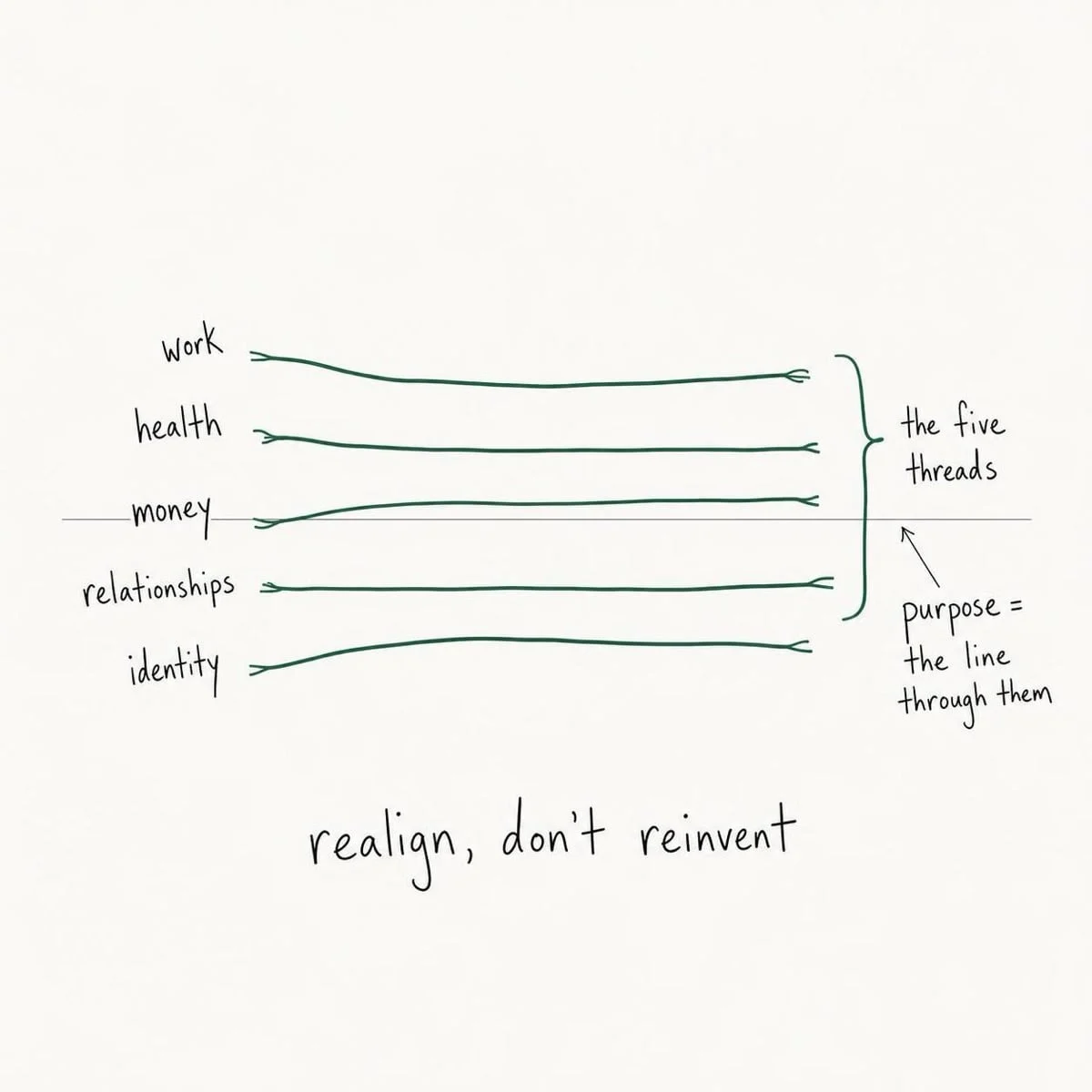
If you find yourself in the "flat" zone, regardless of whether your retirement was voluntary or forced, the recovery plan is fundamentally the same: Structure must precede hobbies.
The Three-Point Strategy
Many retirees make the mistake of assuming that "filling the time" with hobbies will resolve their lack of purpose. However, hobbies are meant to fill the gaps in a structured life, not to provide the structure itself. To regain your footing, identify three "fixed points" for your week:
- A morning anchor: A time you must be up and out of the house or at a specific desk by.
- A social obligation: A commitment that involves other people, ensuring you are not isolated.
- A contribution: A task or responsibility that would be missed if you failed to perform it.
Financial and Practical Adjustments
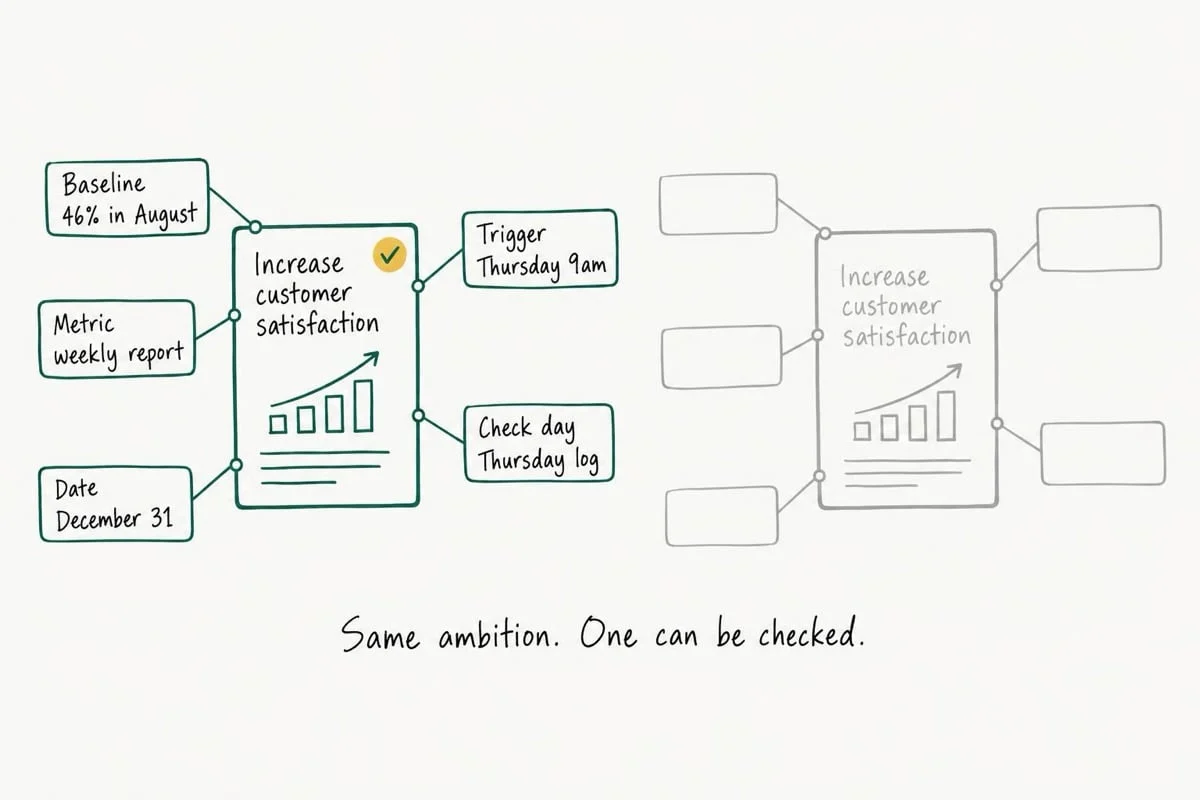
If your exit was involuntary, the "arithmetic" of your life needs to be handled on paper. Treat your budget not as a source of shame, but as a project. Name the expenses that are causing the most stress and address them mathematically. By turning financial fears into a tangible, actionable plan, you reclaim a small but vital piece of the agency that was taken from you.
Conclusion: Reclaiming the Narrative
Retirement is a profound psychological pivot point. The evidence is clear: the transition is easiest for those who control the timing and the terms. If you did not have that luxury, you are dealing with a loss that is as real as any professional setback. If you did choose your exit but still feel lost, you are dealing with a supply problem—a lack of the structure, contact, and meaning that work provided.
Regardless of the cause, the solution begins with the same step: take back one decision today. Whether it is scheduling a doctor’s appointment, setting your three fixed points for the week, or simply acknowledging that the way you feel is a reaction to your circumstances rather than a permanent flaw in your character, you have the power to define the next chapter. The "flatness" of the morning does not have to be your default state; with the right framework, it is possible to reconstruct a life that feels as purposeful as the one you left behind.