WASHINGTON — In an era dominated by digital notifications, cloud-based applications, and algorithmic scheduling tools, a surprising counter-trend is sweeping households, classrooms, and corporate offices alike: the tactile renaissance of paper-based planning. Responding to a surging public demand for tangible organizational systems, lifestyle and home organization expert Abby Lawson has officially released her highly anticipated suite of free printable calendars and planning utilities.
Designed to accommodate diverse scheduling preferences, international work-weeks, and personal goal-tracking methodologies, the newly expanded collection features eight distinct calendar variations tailored for the 2027 planning year, alongside fully customizable undated alternatives. As modern productivity experts increasingly advocate for the cognitive benefits of analog writing, this comprehensive release arrives at a critical time for individuals seeking to reclaim control over their time and daily environments.

Main Facts: The 2027 Printable Calendar Ecosystem
The newly launched collection addresses a wide spectrum of consumer needs by moving away from a one-size-fits-all approach. Recognizing that different users interact with time in unique ways, the resource library introduces several structural choices:
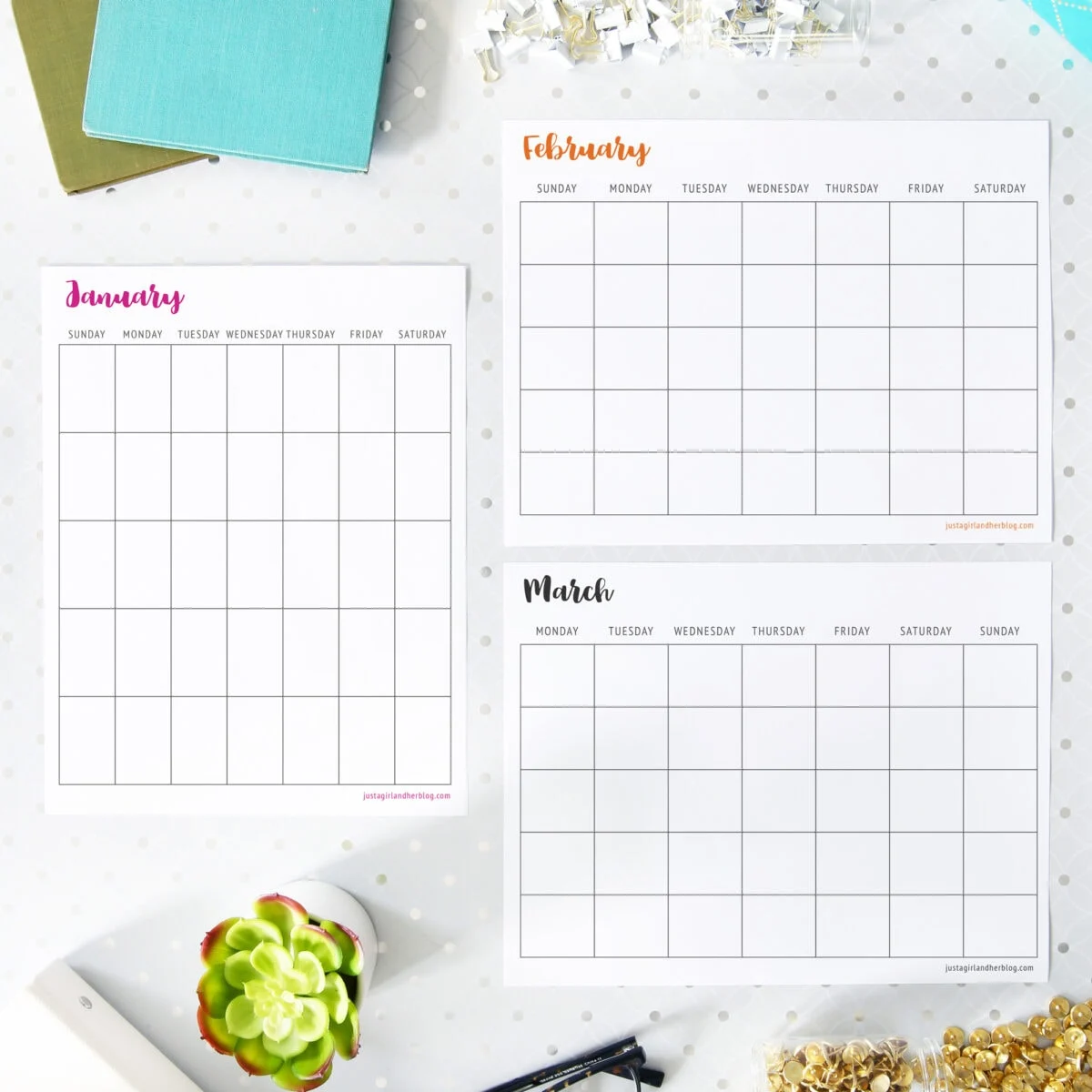
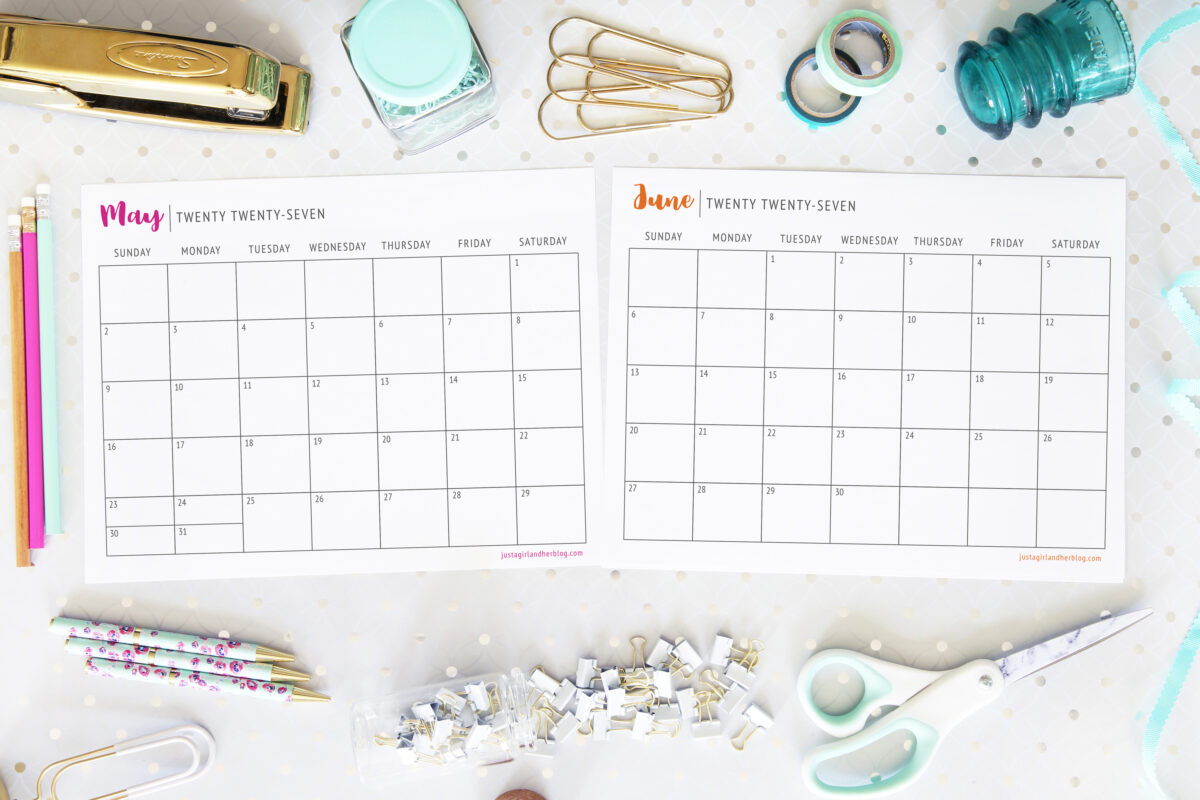
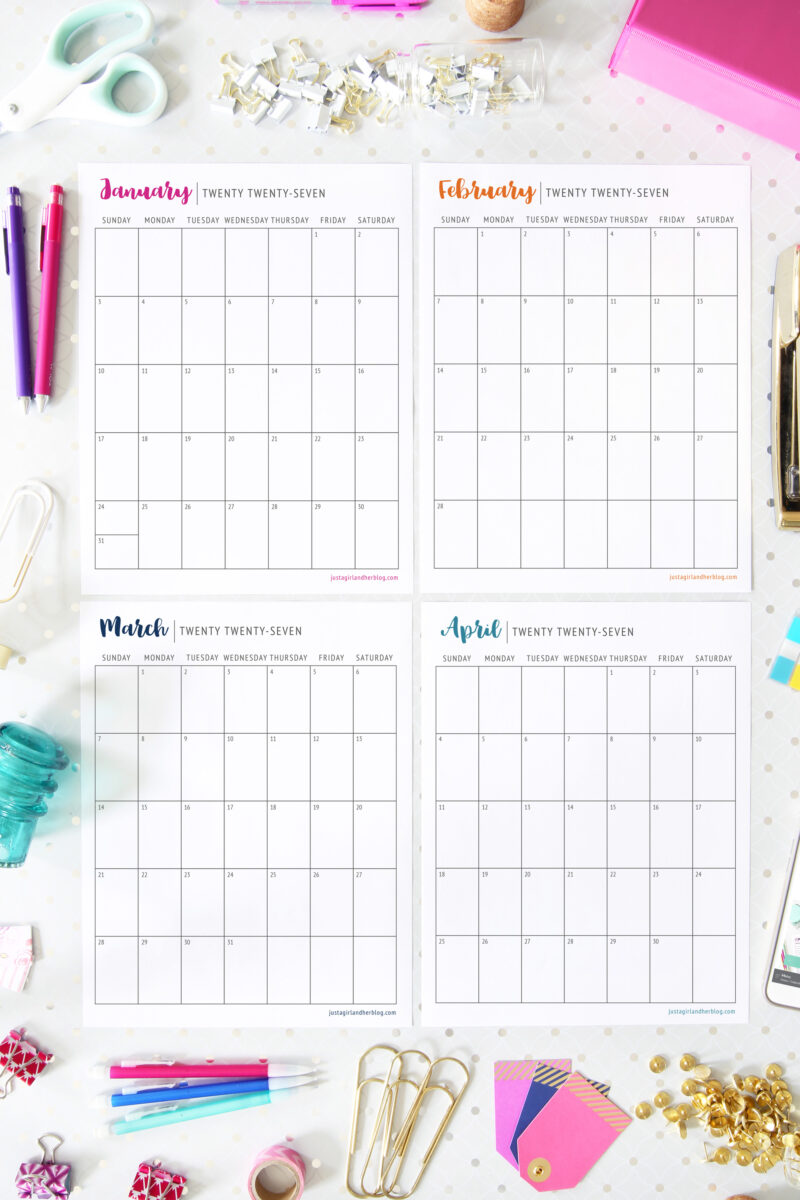
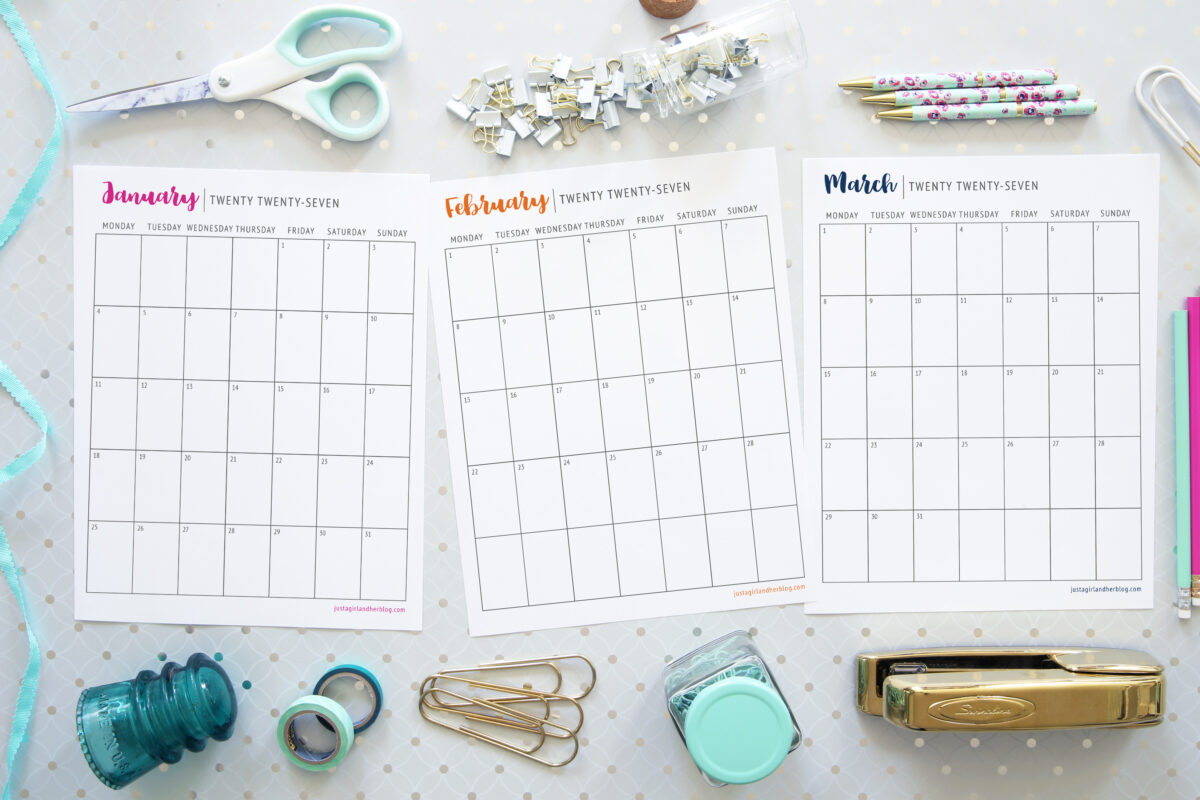
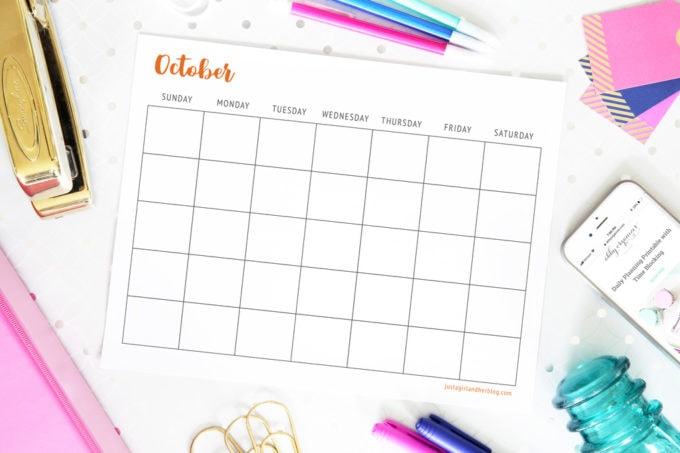
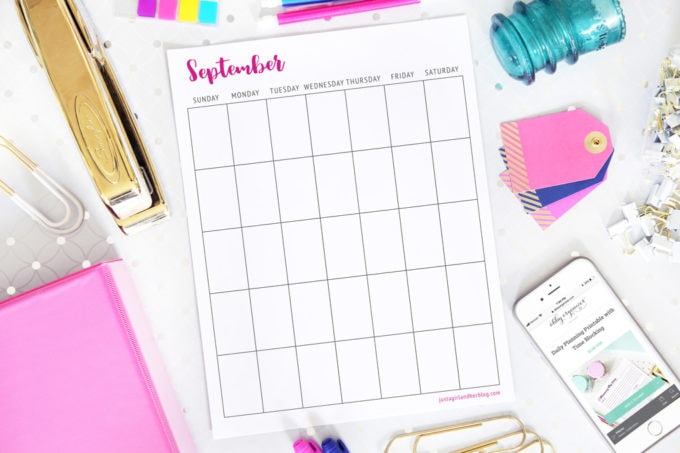
- Orientation Diversity: Users can select between landscape (horizontal) formats—ideal for desk mats, central family command centers, and wall displays—and portrait (vertical) layouts, which integrate seamlessly into traditional three-ring binders.
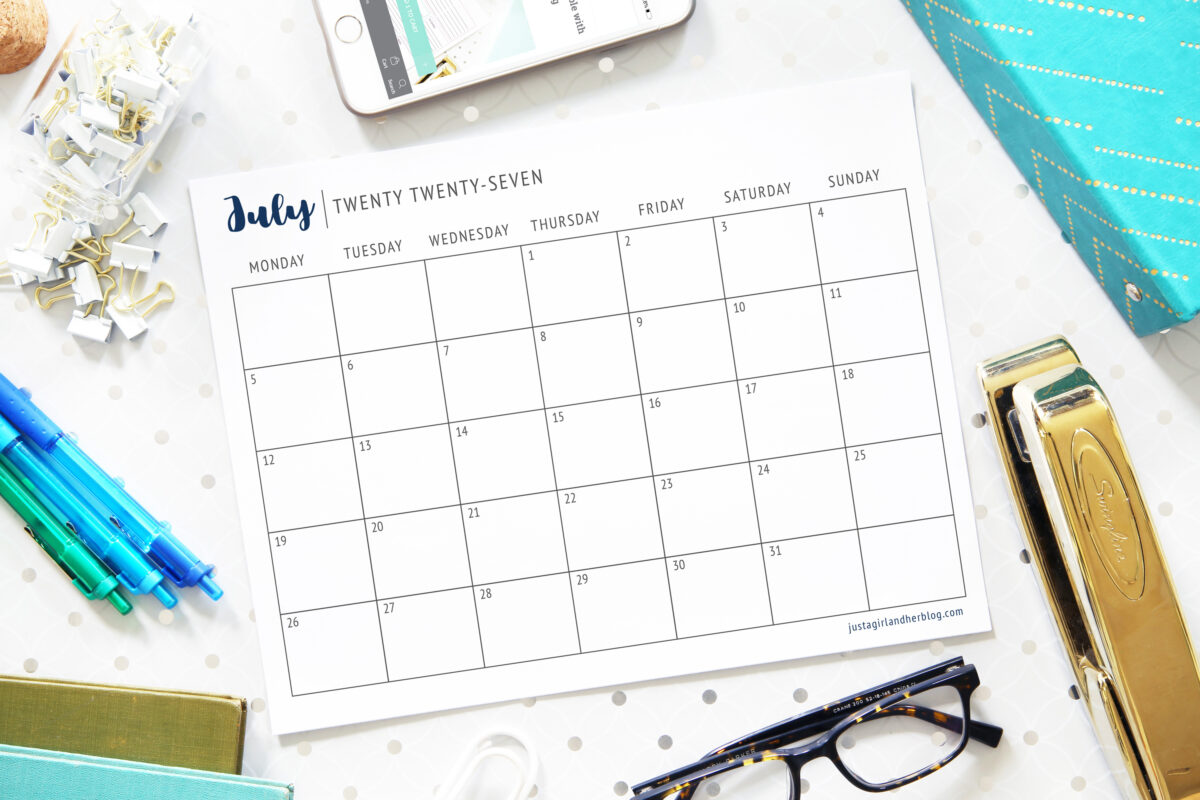
- Weekly Starting Preferences: To bridge regional scheduling differences, the collection includes both traditional U.S. Sunday-start calendars and international Monday-start formats favored throughout Europe, Asia, and global academic or corporate sectors.
- Dated vs. Undated Formats: While the core release focuses on the upcoming 2027 calendar year, the collection also supplies evergreen, undated monthly templates, offering long-term flexibility for year-round planning, habit-tracking, or retrospective journaling.
- Accessibility: All templates are provided as complimentary digital downloads through Lawson’s platform, continuing a multi-year tradition of supplying high-utility resources to a global audience of organizational enthusiasts.
Chronology: Evolution of the Printable Organization Movement
The journey toward these customized 2027 templates reflects years of iterative feedback from a dedicated community of digital and analog planners.
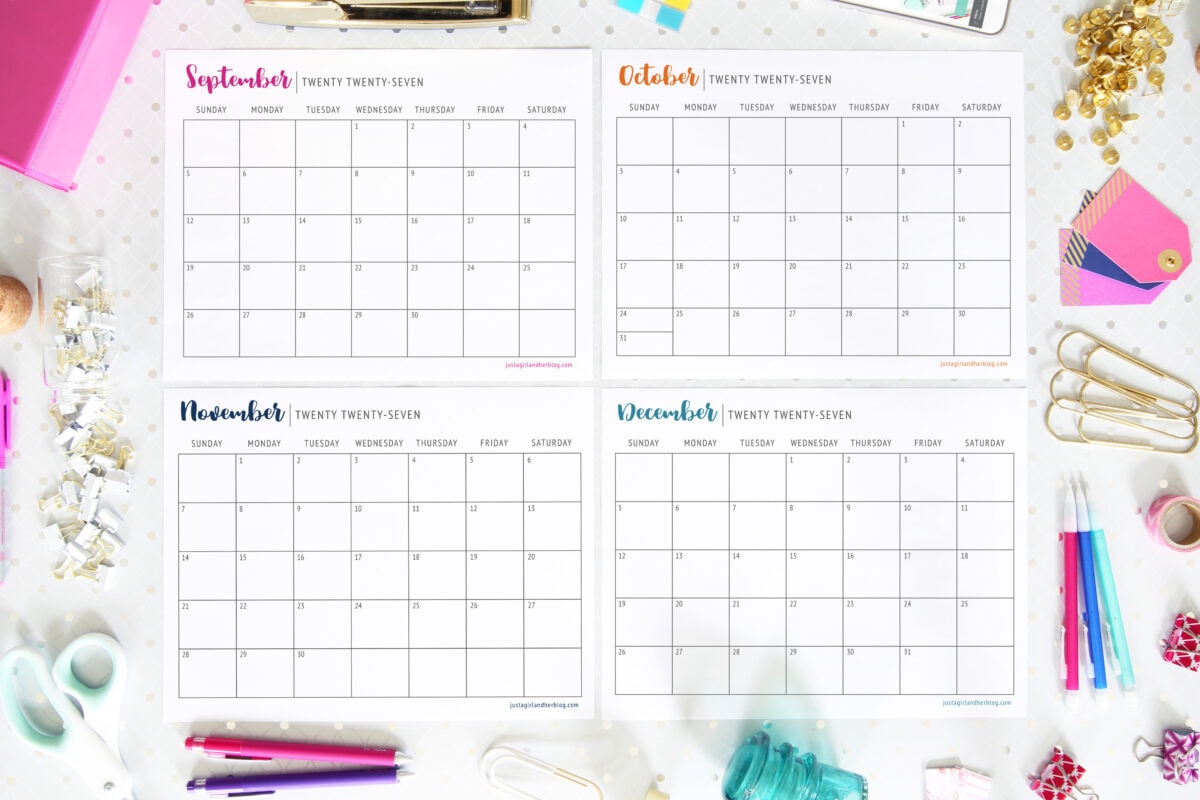
- Early Foundations (2019–2021): Recognizing a gap in the market for clean, minimalist, and aesthetically pleasing organization tools, Lawson initially introduced basic monthly calendar printables. The earliest versions focused on standard horizontal Sunday-start formats, which quickly gained traction among homemakers and busy parents.
- The Shift Toward Customization (2022–2024): As the user base expanded internationally and professional demographics shifted toward hybrid work models, user feedback poured in. International readers requested Monday-start variations to align with global business standards, while students and corporate professionals requested vertical layouts for binder storage.
- Expansion into Comprehensive Print Libraries (2025): The initiative evolved from isolated calendar pages into an interconnected ecosystem of productivity tools. Lawson integrated the calendars into a broader digital repository housing more than 300 pages of free organizing printables, ranging from weekly planners to goal-setting worksheets.
- The 2027 Launch (Current Phase): Building on historical successes—including previous years’ templates—the release of the 2027 collection incorporates advanced layout optimizations, higher-resolution graphics for crisp home printing, and refined aesthetic touches designed to reduce visual clutter.
Supporting Data: Why Analog Planning Endures in a Digital Age
While smartphones and digital calendars offer automated reminders, cognitive science and productivity research increasingly point to the distinct advantages of physical writing.
The Cognitive Benefits of Tactile Note-Taking
Numerous psychological studies suggest that writing by hand engages different neural pathways than typing or tapping on a screen. The physical act of mapping out a month on a printed calendar enhances memory retention, deepens spatial awareness, and fosters a stronger psychological commitment to scheduled goals.
- Breaking Down Macro Goals: According to productivity frameworks highlighted in Lawson’s organizational guides, individuals who break larger annual objectives into manageable monthly milestones via visual planning tools are significantly more likely to achieve success.
- The "Command Center" Effect: Unlike digital applications hidden behind device lock screens, a visible monthly calendar displayed on a refrigerator, office wall, or desktop serves as a persistent ambient reminder of upcoming deadlines, family events, and personal commitments. This visibility minimizes scheduling conflicts and reduces cognitive fatigue.
Global Usability Metrics
The inclusion of both Sunday-start and Monday-start options addresses a crucial global demographic split:
- Sunday-Start Formats: Traditionally rooted in North American cultural and religious calendar standards, these layouts align with standard domestic weekend recovery cycles.
- Monday-Start Formats: Widely adopted by international business communities and academic institutions governed by the ISO 8601 standard, these layouts treat Saturday and Sunday as a cohesive "weekend" block at the end of the week, preventing work-related tasks from bleeding across split weekend columns.
Official Guidance and Best Practices
To maximize the utility of these free resources, organization experts recommend specific implementation strategies depending on the user’s lifestyle:
Choosing the Right Layout
- For Office Binders and Portfolios: Opt for the Portrait (Vertical) Orientation. These pages provide maximum vertical writing space, making them ideal for individuals who prefer detailed list-making, color-coding, or habit-tracking alongside their scheduled appointments. Furthermore, vertical pages eliminate the need to physically rotate a binder when referencing or updating schedules.
- For Shared Family Spaces: The Landscape (Horizontal) Orientation offers wide daily blocks that accommodate multiple family members’ schedules, after-school activities, and meal planning notes at a glance.
- For Long-Term Project Management: The Undated Calendars allow users to map out multi-year visions, seasonal business quarters, or academic semesters without being constrained by fixed calendar boundaries.
Printing and Finishing Tips
To ensure optimal results when utilizing home or office printers, experts suggest:
- Paper Selection: Upgrading from standard copy paper (20 lb) to a heavier cardstock or bright white presentation paper (24 lb to 32 lb) prevents ink bleed-through and ensures durability throughout heavy handling.
- Storage and Protection: Utilizing clear sheet protectors or a heavy-duty binder preserves the calendar pages, allowing users to make temporary notes with dry-erase markers or highlighters when placed inside protective sleeves.
Implications: The Psychological and Practical Impact of Personal Organization
The widespread availability and popularity of free printable productivity tools carry notable implications for modern life, touching upon mental health, work-life balance, and consumer economics.
Combating Digital Burnout
In an era where remote work, constant connectivity, and screen fatigue contribute to rising burnout rates, analog planning tools offer a restorative tactile experience. Stepping away from blue-light screens to map out a month with a pen or pencil provides a grounding ritual. It encourages mindfulness, intentionality, and a deliberate pause before committing to new social or professional obligations.
Economic Accessibility
High-end commercial planners and digital subscription services can often carry prohibitive price tags, creating a financial barrier to effective personal organization. By providing high-quality, professionally designed templates entirely free of charge, open-access printable resources democratize productivity tools. Households facing economic pressures can implement sophisticated goal-tracking, budgeting, and scheduling systems without incurring out-of-pocket expenses.
Fostering Family and Community Coordination
In household settings, physical calendars act as centralized communication hubs. When children, partners, and roommates can simultaneously view a shared wall or desk calendar, domestic friction is reduced, and accountability is shared. This analog transparency fosters better time-management habits in younger generations, establishing foundational life skills that extend far beyond the classroom.
Frequently Asked Questions (FAQ)
Q: Are these printable calendars entirely free?
A: Yes. All standard dated and undated templates provided through the collection are entirely free for personal use. Users can download them directly via the provided digital repositories without subscription fees.
Q: Can I use these calendars for my small business or classroom?
A: The printables are licensed for personal use, making them exceptional tools for individual classrooms, home offices, and personal project management. However, redistribution, resale, or commercial repackaging is strictly prohibited under copyright guidelines established by Twenty-Three Publishing, LLC.
Q: How do I access previous years’ templates if I need to reference historical schedules?
A: Archives for prior years—such as previous editions—remain accessible via dedicated digital links within the resource library, ensuring continuity for users maintaining multi-year record books.
Q: Where can I find matching weekly or daily organizational tools?
A: Alongside the monthly calendar library, creators frequently update comprehensive resource hubs offering over 300 pages of complementary printables, including weekly schedules, goal sheets, meal planners, and financial trackers.
As individuals continue to navigate increasingly complex personal and professional landscapes, the enduring appeal of pen, paper, and thoughtfully designed structural frameworks proves that sometimes the most effective innovation is a return to simplicity.