By Meredith Dietz, Senior Staff Writer
October 28, 2026
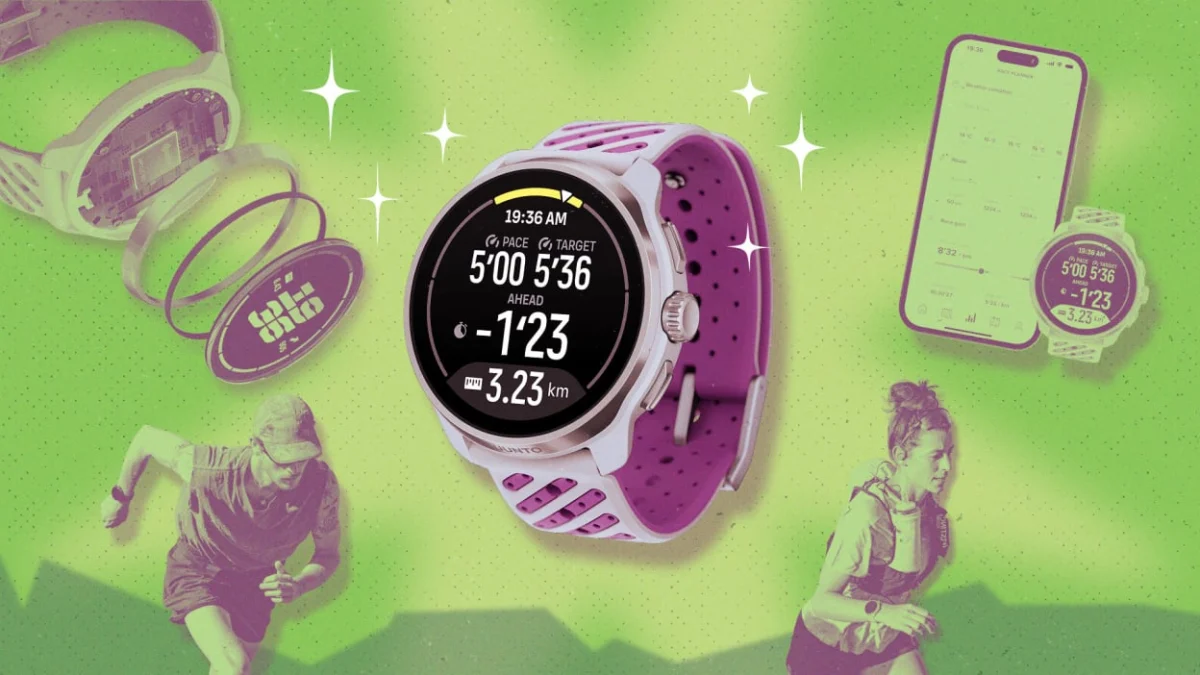
The release of the Suunto Race 3S marks a significant evolution in the landscape of premium multisport racing watches. Designed for the serious athlete who demands both precision and longevity, the Race 3S enters a crowded market segment with a hefty retail price point of $599. While this represents a notable step up from the older, often discounted Race S models—which frequently retail for around $299—the 3S justifies its position through a series of internal hardware upgrades and expanded software capabilities that cater to the "data-obsessed" endurance athlete.
With 46% more battery capacity than its predecessor and a generous 64GB of internal storage—double that of the previous generation—the Race 3S is built for the long haul. However, a device is only as powerful as its user’s ability to configure it. To truly maximize the value of this high-end hardware, one must look beyond the default settings. Below, we provide an in-depth exploration of how to leverage the full ecosystem of the Suunto Race 3S.
Main Facts: What Sets the Race 3S Apart
The Suunto Race 3S is engineered for endurance, offering up to 38 hours of high-precision dual-band GPS tracking. The increase in storage to 64GB is a game-changer for long-distance trail runners and backcountry hikers who rely on offline topographic maps. Unlike many competitors that gate-keep their premium features behind monthly subscription paywalls, Suunto continues to offer free, worldwide offline map access, including detailed contour lines and POI (Point of Interest) management.
The central philosophy of the Race 3S is "performance through customization." By utilizing the SuuntoPlus ecosystem, users can tailor their watch’s interface to display specialized data fields, training apps, and navigation tools that are specific to their discipline—be it ultrarunning, cycling, or alpine mountaineering.
Chronology of Development and Integration
The trajectory of the Suunto Race series has been defined by a consistent move toward higher-resolution AMOLED displays paired with an aggressive push into the "connected coach" space.
- Initial Launch: The original Race series established the standard for long-battery, high-definition sports watches.
- Firmware Evolution: Throughout 2025, Suunto focused on refining the user interface, moving away from complex menu hierarchies to a more fluid, crown-based navigation system.
- The 3S Upgrade (Q4 2026): The launch of the 3S focused on the "invisible" specs: battery density and storage overhead. This was a response to athlete feedback regarding the need for larger map files and multi-day GPS tracking without the fear of power depletion.
- Current State: The device now sits at the intersection of professional-grade sensor accuracy and consumer-friendly software accessibility.
Supporting Data: Optimizing Your Hardware
To understand why the $599 investment is worth it, one must analyze the technical workflow of the watch.
1. Offline Map Mastery
The 64GB of storage is not merely for aesthetics; it allows for the granular downloading of massive, high-resolution regional maps. Users should prioritize downloading map tiles over Wi-Fi before departure.
- Strategic POI Management: With the ability to store up to 250 Points of Interest (POI), users can pre-load waypoints for hydration stations, trailheads, or emergency caches.
- Navigation Without Activity: The Race 3S allows for navigation independent of an active workout. By using the "All Apps" menu, you can navigate to a saved POI while simply walking or commuting, ensuring your battery isn’t drained by unnecessary heart-rate tracking when you’re just finding your way to a trailhead.
2. Barometric Precision
The storm alarm is one of the most underrated features of the Race line. It functions by detecting rapid atmospheric pressure drops. However, its effectiveness is entirely dependent on user calibration.

- Best Practice: Always calibrate your altitude at a known reference point (such as a marked trailhead sign).
- Auto vs. Manual: While "Auto-adjust" is convenient, it relies on GPS, which can fluctuate in heavy tree cover or canyons. If you are serious about mountain safety, manually updating your altitude when at a known elevation is the gold standard for maintaining an accurate barometer.
Official Responses and Training Methodology
Suunto has leaned heavily into the concept of "Objective Training," encouraging users to move away from generic heart-rate zones calculated by age-based formulas. Instead, the brand advocates for the Anaerobic Threshold test.
"The goal," notes the Suunto development team in recent white papers, "is to align the watch’s data with the biological reality of the athlete."
The recommended protocol for the Race 3S involves a 30-minute maximal effort run to identify the specific heart rate where lactate accumulation spikes. By manually inputting these zones into the watch’s "Intensity Zones" settings, the user ensures that their recovery, aerobic, and threshold training sessions are accurate to their unique physiology. For maximum precision during these tests, Suunto explicitly recommends pairing the device with a chest-strap heart rate monitor rather than relying solely on the optical wrist sensor, which can lag during high-intensity intervals.
Implications: The Future of Pacing
The implications of owning a Race 3S extend beyond the current firmware. Suunto has signaled that the device is future-proofed for the upcoming "Race Planner" feature. While not yet live, this feature is expected to use AI-driven analysis of your route, current weather patterns, and personal historical data to generate a real-time pacing strategy for race day.
The "Running Economy" Advantage
By utilizing the SuuntoPlus apps specifically designed to track running economy, athletes can receive real-time feedback on their biomechanical efficiency. This is a crucial metric for runners looking to shave minutes off their marathons. By keeping your "Running Economy" app active during long runs, you can identify the exact point of fatigue where your form breaks down, allowing you to adjust your training volume accordingly.
Time-Saving Shortcuts: The Crown and Pinning
Efficiency isn’t just for your legs; it’s for your interface. The ability to pin the "Timer" widget to the top of your stack, and trigger it with a simple press of the crown, represents a significant quality-of-life upgrade. Whether you are timing intervals, tracking a recovery period, or simply managing a kitchen task, this shortcut prevents the need to navigate through deep, distracting menus during a workout.
Conclusion: Is the Upgrade Worth It?
The Suunto Race 3S is a specialized tool. If you are a casual jogger, the existing Race S or even the base-level models offer more than enough functionality. However, for the competitive athlete, the hiker navigating remote terrain, or the endurance enthusiast who demands maximum data integrity, the 3S provides the necessary hardware headroom to grow.
By taking the time to calibrate your sensors, map your regions, and define your personal heart-rate thresholds, you aren’t just using a watch—you are building a sophisticated training partner. As we look toward the future of the platform, the upcoming integration of the Race Planner will likely cement the 3S as one of the most capable, long-term investments in the multisport gear market.
Make no mistake: the price tag covers the premium hardware, but the true value is found in the deep, granular control you exert over that hardware. Don’t let a $599 watch act like a $200 tracker; invest the time to configure it, and it will pay dividends in your performance.