WASHINGTON — In an era dominated by cloud-synchronized notifications, algorithmic reminders, and smart-home assistants, one humble analog tool is experiencing an unprecedented surge in demand: the physical, paper-based monthly calendar.
According to lifestyle bloggers, organizational experts, and digital creators, inquiries and downloads for upcoming year planners are hitting all-time highs. Industry analysts point to a broader cultural shift toward tactile productivity, cognitive offloading, and "digital detoxing" as the driving forces behind the phenomenon. Leading the charge for the upcoming cycle, content creators have officially released their highly anticipated, zero-cost design assets, allowing households worldwide to map out their lives well in advance.
Main Facts: The Rise of the 2027 Printable Calendar
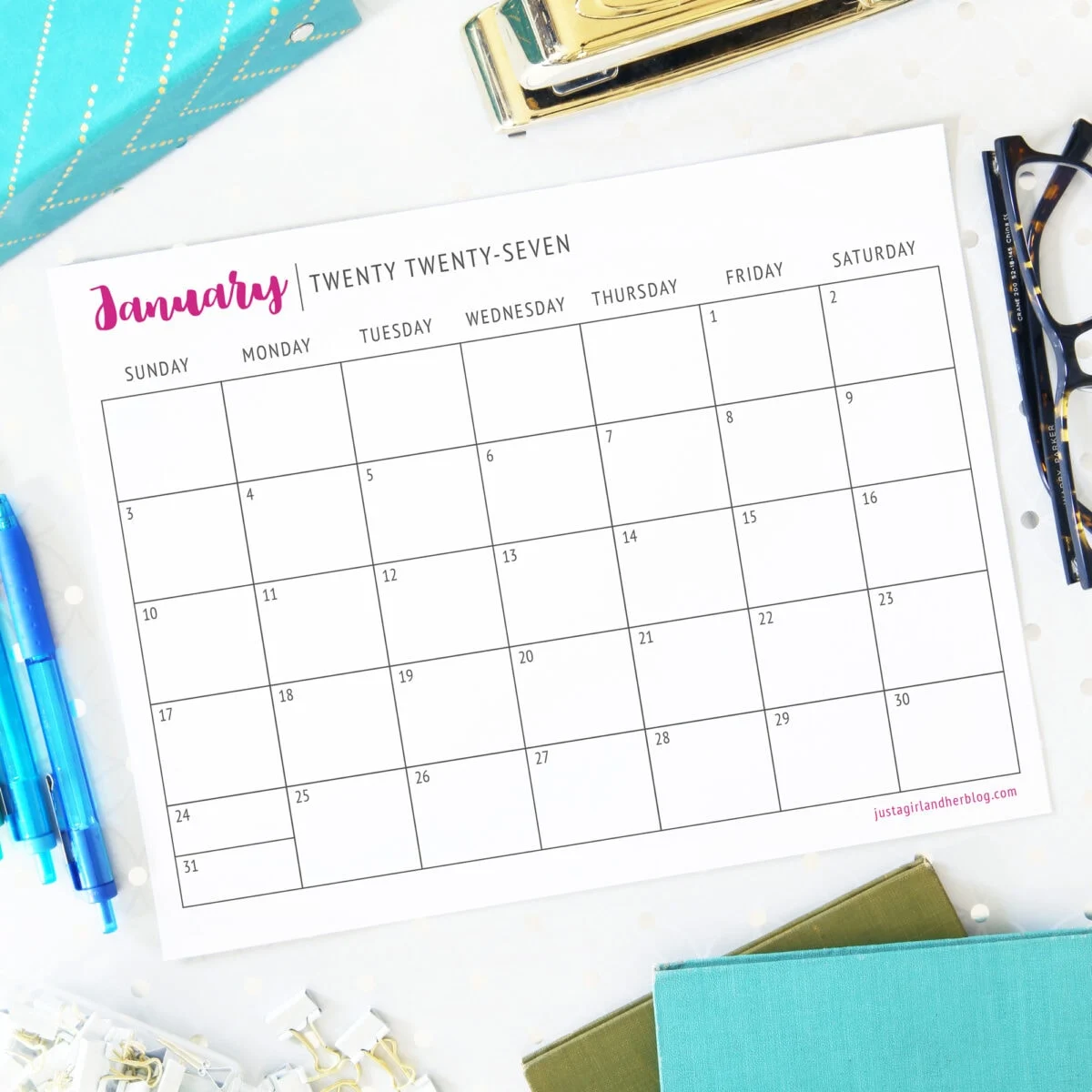
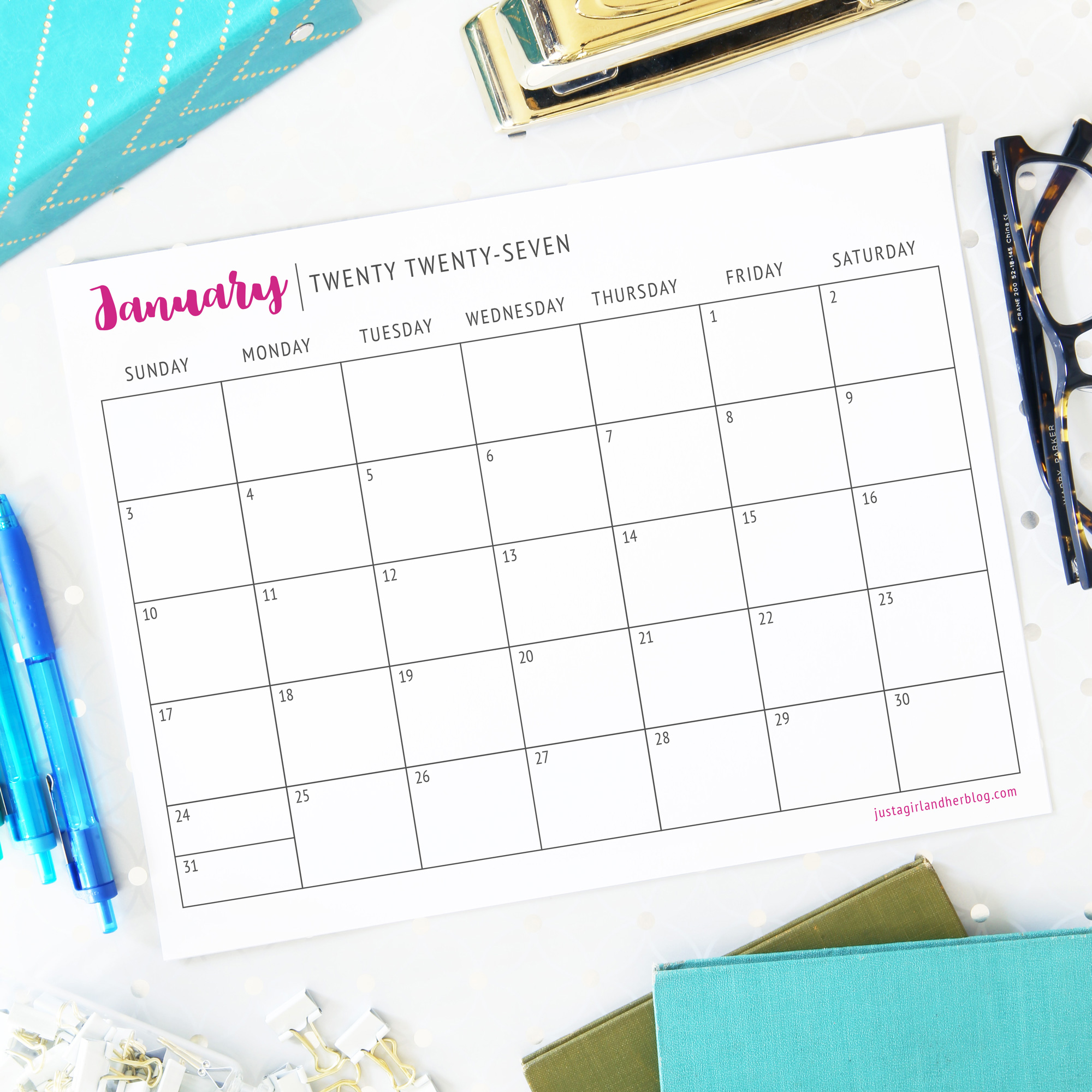
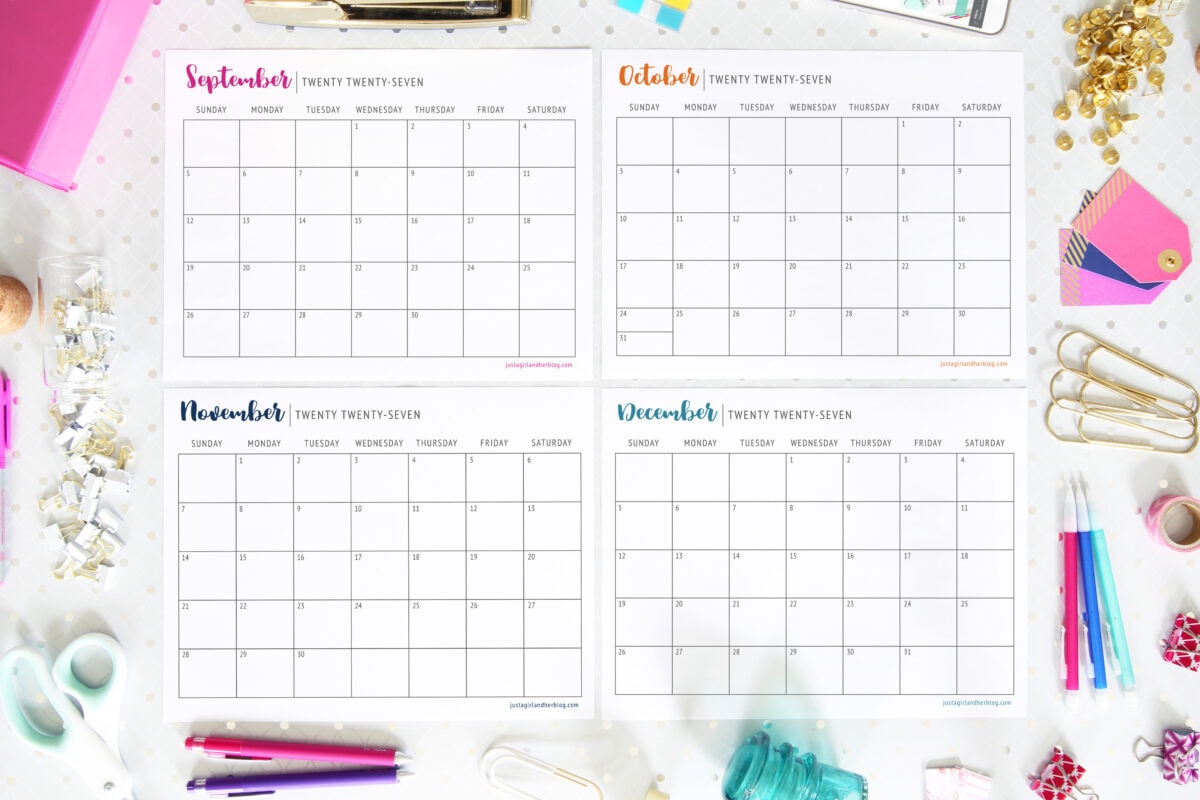
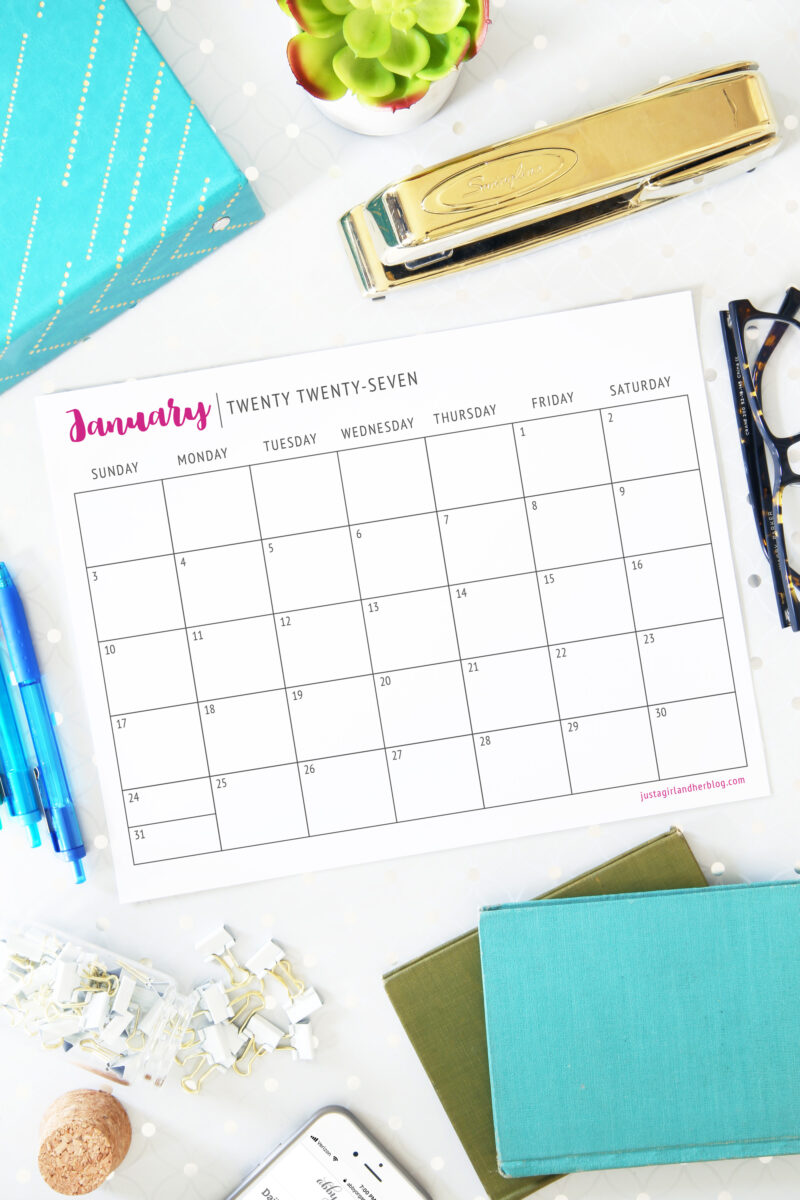
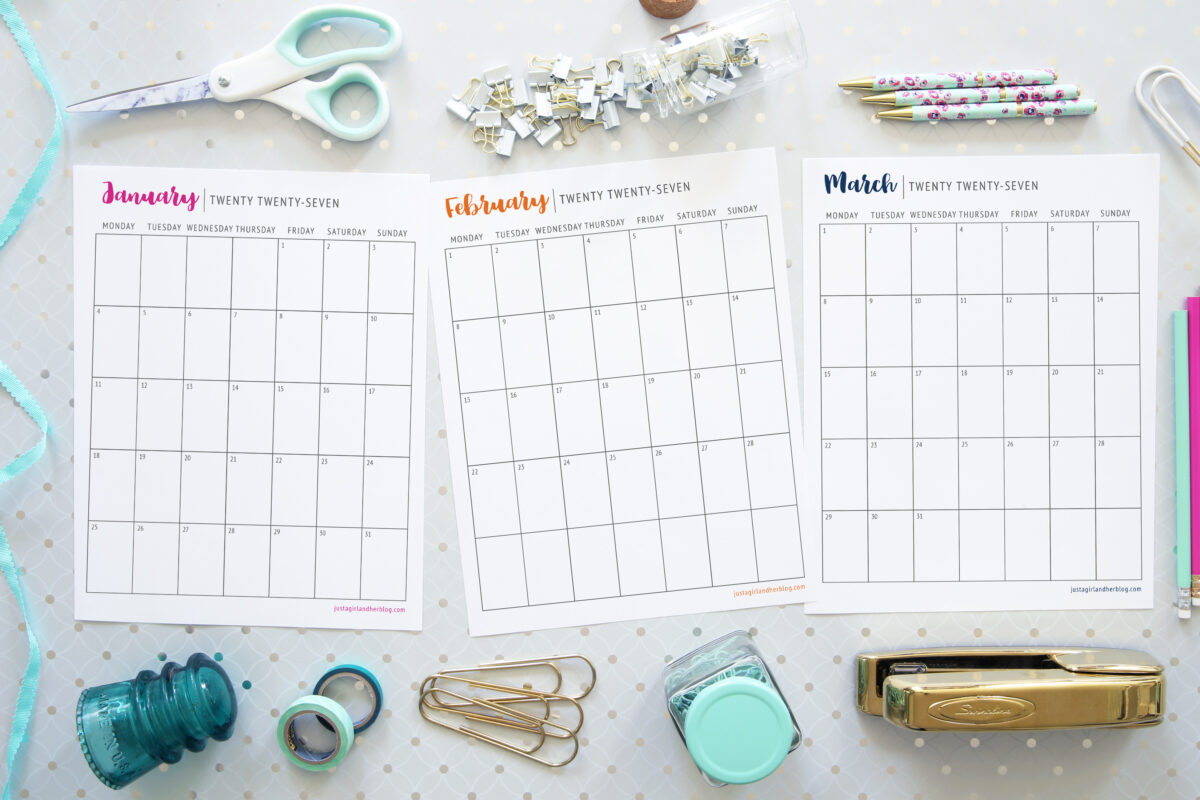
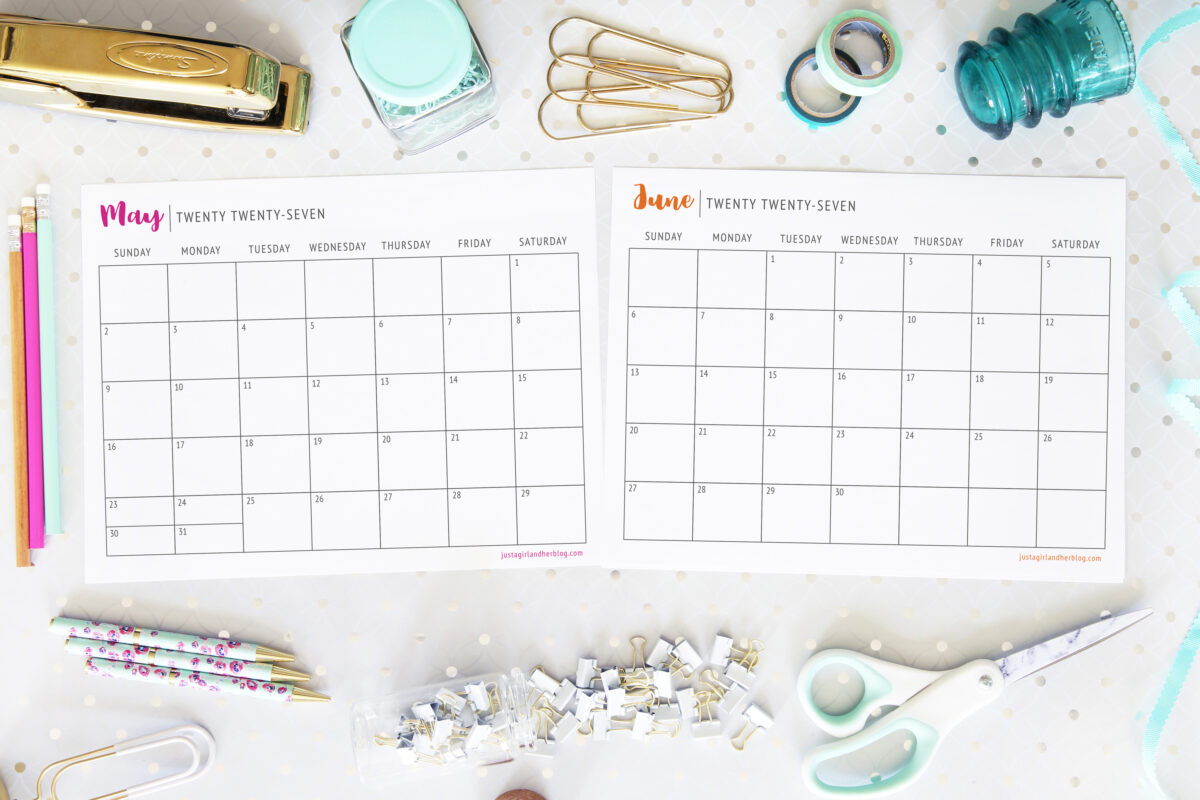
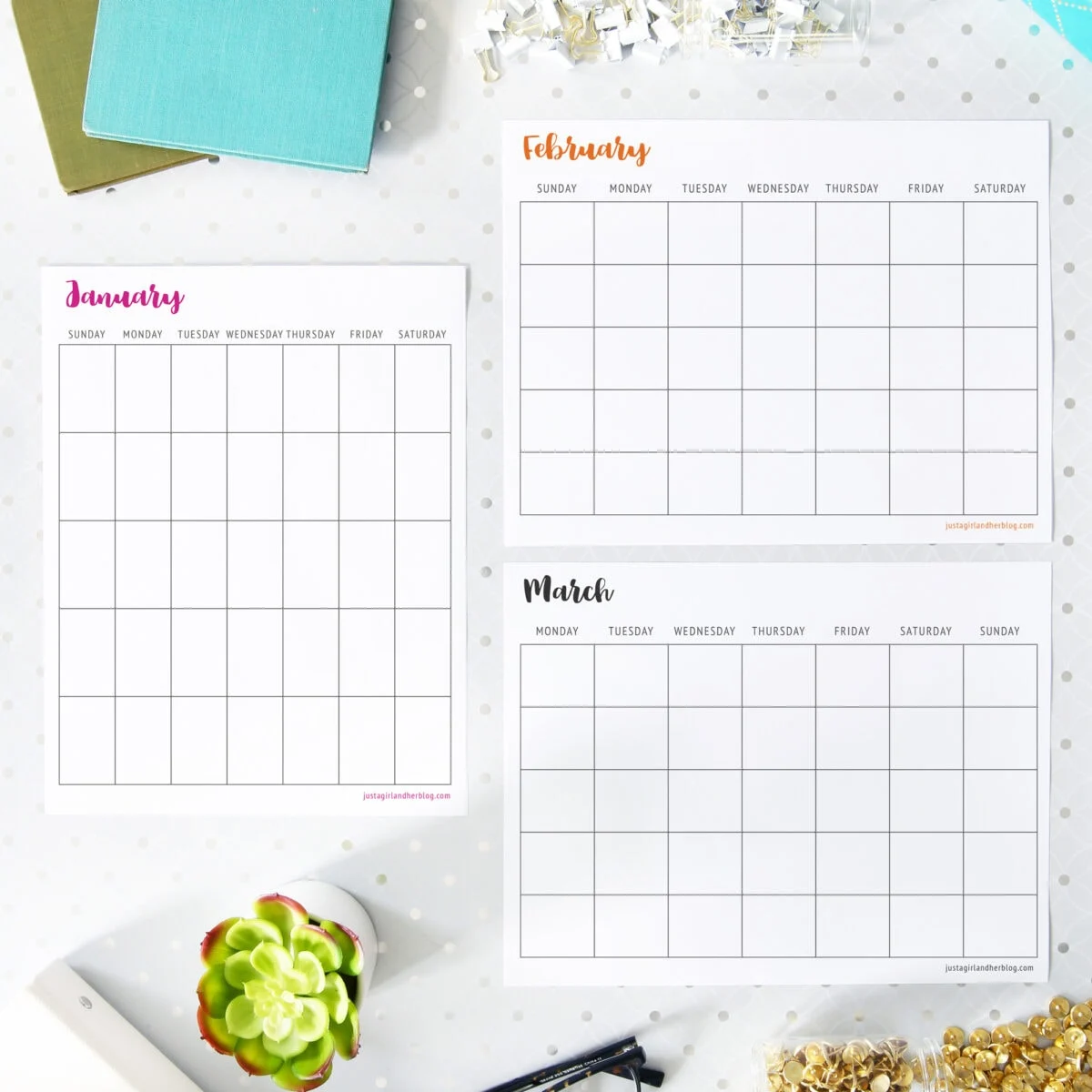
The core announcement centers on the immediate availability of comprehensive, high-resolution, free printable calendars designed for the year 2027. Crafted for standard 8.5” x 11” paper layouts, these downloadable templates cater to diverse organizational styles—ranging from minimalist vertical setups to expansive horizontal monthly spreads.
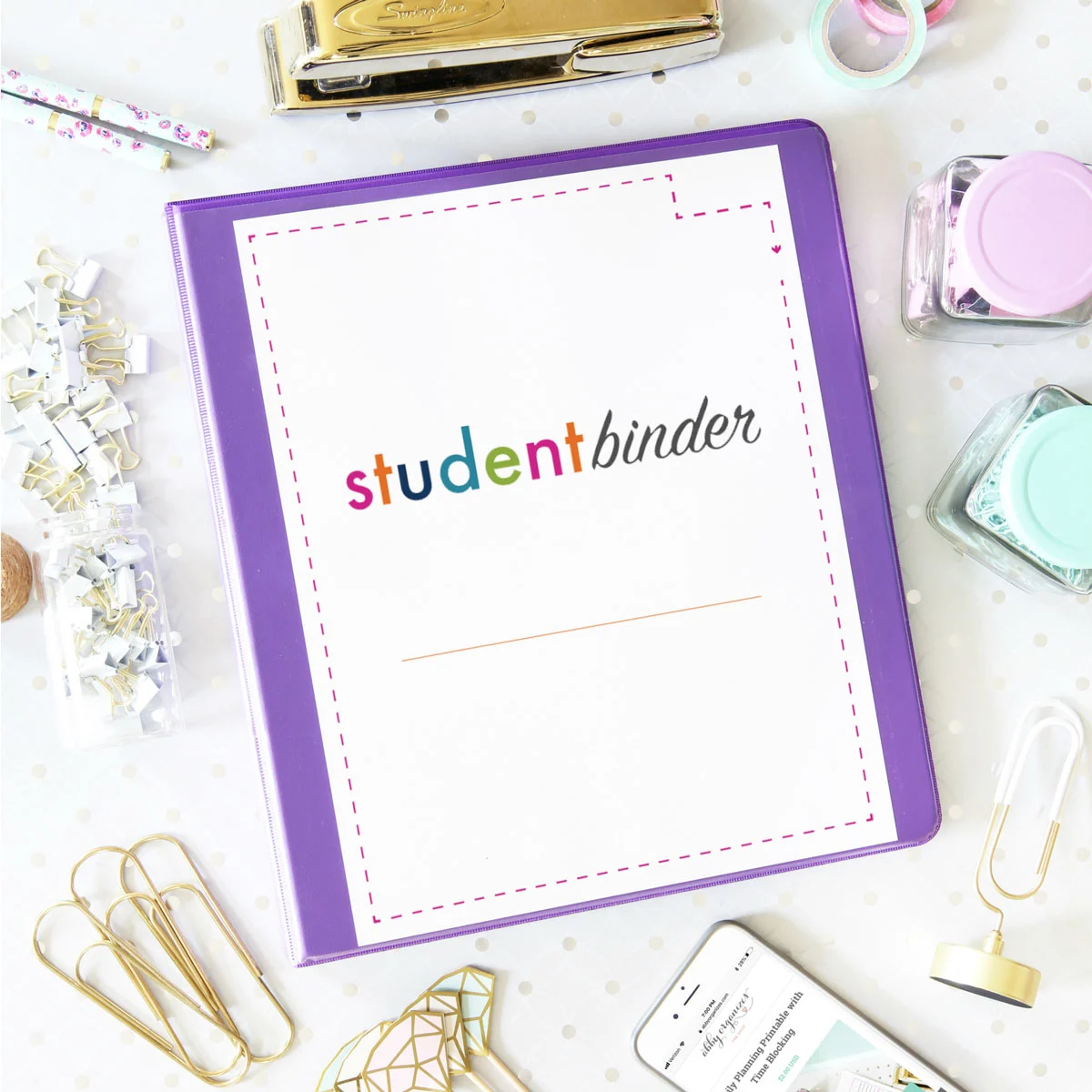
Unlike pre-bound commercial agendas that often feature rigid structures or unwanted pages, printable templates offer ultimate flexibility. Users can curate their ideal organization systems by sliding pages into three-ring binders, pinning them to household refrigerators, or anchoring them to high-traffic desktop workspaces.
Access Model: Freely downloadable personal-use assets distributed via lifestyle and organization blogs, supported by extensive libraries of complementary productivity printables.
Chronology: From Summer Inquiries to the Digital Release
The timeline for releasing annual planning tools has accelerated dramatically over the past several cycles, highlighting a passionate consumer base eager to secure their organizational roadmaps.
April: The earliest informal inquiries for the 2027 calendar format begin trickling into organizing blogs, setting a record for the earliest demand cycle in recent memory.
Summer Months: Historically, holiday season handouts at traditional institutions like banks saw mid-year requests from patrons eager to secure physical schedules. This pattern has fully translated to the digital space, where users search for downloadable templates months before the prior year concludes.
Late Summer / Early Fall: Creators finalize vector designs, optimize file resolutions for standard domestic printing, and curate aesthetic flat-lays featuring complementary stationery (such as washi tape, binder clips, and gel pens).
Official Launch Day: The comprehensive suite of 2027 monthly layouts goes live online, granting immediate access to early-bird planners seeking to map out long-term projects, vacations, and academic milestones well ahead of schedule.
Supporting Data: The Psychology of Paper Productivity
While digital calendars offer undeniable advantages in automation and cross-device syncing, psychological and productivity research continues to validate the tangible benefits of handwriting plans on paper.
Cognitive Retention and Memory
Studies in cognitive psychology consistently demonstrate that the physical act of writing—engaging fine motor skills and spatial awareness—activates neurological pathways distinct from typing on a keyboard or tapping a smartphone screen. This "generation effect" significantly boosts information retention, making physical calendars uniquely effective for memorizing critical deadlines and appointments.
The Digital Fatigue Phenomenon
With average screen time metrics climbing across global populations, many knowledge workers and students report digital fatigue. Analog tools provide a friction-free, battery-independent sanctuary. A paper calendar cannot push notifications, demand software updates, or tempt users with social media multitasking.
Versatility in Application
Data compiled from user feedback indicates that modern planners utilize monthly calendars for far more than simple date-keeping. Popular use cases include:
Academic & Homeschool Tracking: Mapping out semester syllabi and grading periods.
Content & Editorial Calendars: Managing blog posts, social media schedules, and business deliverables.
Financial Milestones: Tracking bill payment deadlines, savings challenges, and subscription renewals.
Official Responses and Creator Insights
The driving forces behind these DIY organizational platforms emphasize that simplicity remains the ultimate sophistication in productivity design.
"Calendar people are my kind of people," shares Abby Lawson, creator of the popular organizing resource Just a Girl and Her Blog. Reflecting on years spent working in traditional banking—where holiday calendars were rationed out to eager customers as early as summer—Lawson notes that the hunger for planning tools has only intensified in the digital age.
"There’s just something about calendars that gets people excited," Lawson explains. "Whether they are asking if they can take ten copies for various projects or downloading digital assets months in advance, people recognize that organization is the foundation of execution. My hope is that by providing simple, clean, and accessible printable calendars, we can help people spark the motivation needed to turn their goals into reality."
Industry observers note that the creator economy has effectively democratized productivity. Rather than forcing consumers to adapt to expensive, one-size-fits-all planner books, free printable frameworks empower individuals to build customized command centers tailored precisely to their households.
Implications: The Future of Personal Organization
The massive popularity of the 2027 printable calendar points to several long-term implications for consumer behavior and the productivity market.
1. The Coexistence of Analog and Digital
Rather than replacing one another, digital and analog systems are increasingly operating in a hybrid ecosystem. Users leverage digital calendars for dynamic, multi-person event syncing (such as Google Calendar or Outlook), while relying on physical, printed monthly views for high-level macro planning, visual goal tracking, and mindfulness.
2. Personalization and Aesthetic Empowerment
The integration of office supplies—such as minimalist binders, pastel highlighters, and decorative clips—transforms planning from a chore into a creative ritual. This aesthetic approach to organization fosters psychological ownership over goals, increasing the likelihood that users will stick to their routines.
3. Sustainability and Accessibility
By utilizing home printers and standard paper sizes, consumers bypass supply chain bottlenecks and reduce the environmental footprint associated with manufacturing, shipping, and disposing of bulky commercial paper goods. Furthermore, free access models ensure that high-level organizational tools remain accessible to students and budget-conscious households regardless of economic fluctuations.
Conclusion
As households look toward the horizon of 2027, the demand for structured, intentional living tools has never been clearer. Whether pinned to a kitchen bulletin board, slid into a professional binder, or referenced at a home office desk, the humble printable calendar proves that some of the simplest tools remain the most powerful engines of personal achievement.