The annual ritual of Apple’s hardware cycle has reached its latest apex. As of this week, preorders for the iPhone 18 Pro are officially live, marking the beginning of a high-stakes transition for consumers looking to upgrade their mobile experience. While the tech community remains abuzz with anticipation for the upcoming foldable "iPhone Duo"—which is slated for a release approximately one month from now—the iPhone 18 Pro stands as the immediate flagship, shipping to eager customers starting September 18.
For potential upgraders, the landscape of purchasing is more complex than ever. With aggressive trade-in incentives from Apple and significant carrier subsidies available through retail partners like Best Buy, the barrier to entry for the latest Pro-tier device is lower than in previous years, provided one is willing to navigate the fine print of contract commitments.
Main Facts: What the iPhone 18 Pro Brings to the Table
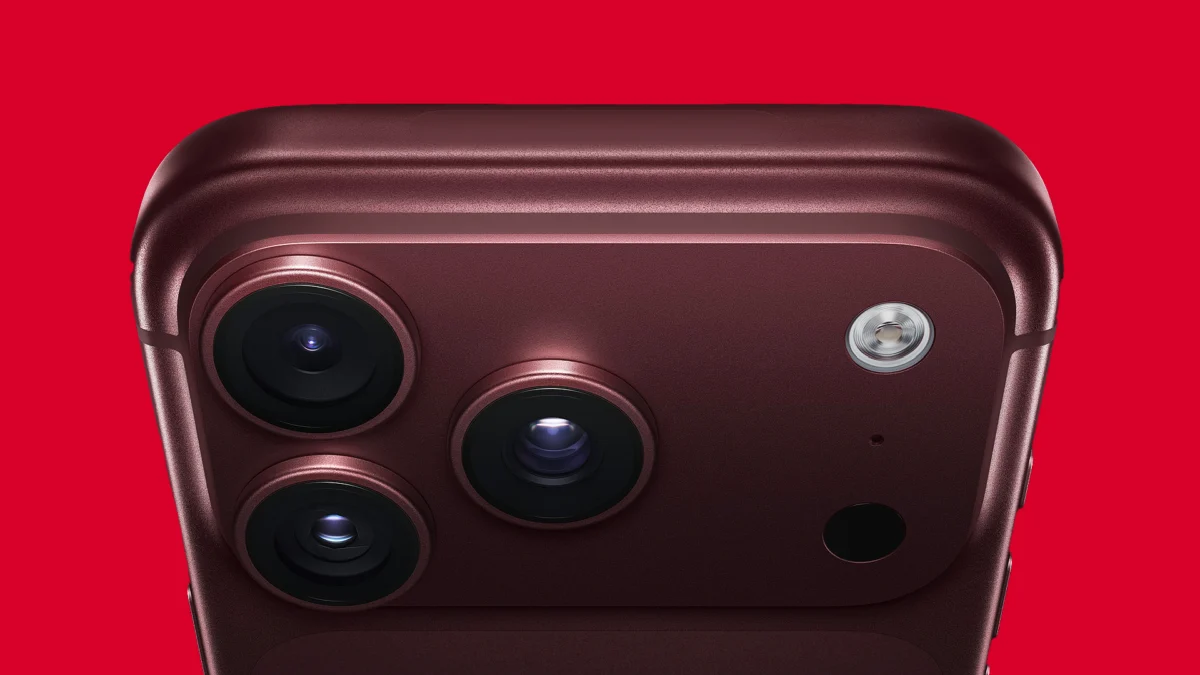
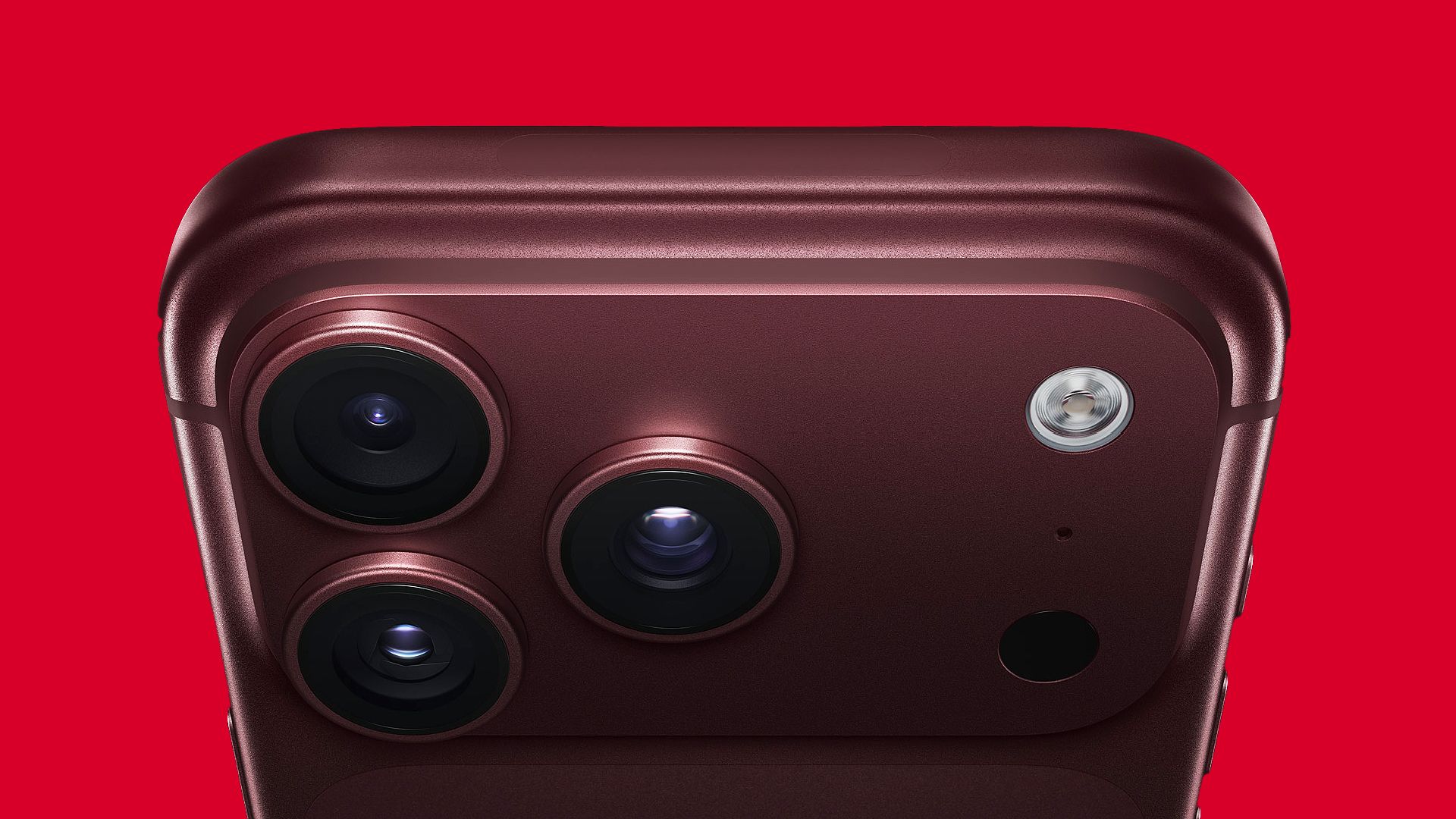
The iPhone 18 Pro arrives as the definitive evolution of Apple’s premium smartphone line. While design aesthetics remain tethered to the familiar, refined language of recent generations, the internal architecture has undergone a significant overhaul.
Key Highlights:
- Availability: Preorders are currently open, with official shipping commencing September 18.
- Trade-in Dynamics: Apple is offering up to $885 in direct trade-in credit. Conversely, carrier-subsidized deals via Verizon and AT&T (facilitated by platforms like Best Buy) can reach up to $1,200, effectively covering the cost of the base model for qualified customers.
- Subscription Bonuses: New and returning subscribers to Apple’s ecosystem can claim up to three months of Apple Music and one month of Apple TV+ as part of the launch promotional bundle.
- The "Duo" Factor: The market is currently split between those opting for the tried-and-true Pro hardware and those waiting for the inaugural "iPhone Duo" foldable, which represents Apple’s first foray into the bendable display category.
A Chronology of the 18-Series Rollout
To understand where the iPhone 18 Pro fits, one must look at the compressed timeline of Apple’s late-year release schedule. Historically, Apple has favored a singular, massive event; however, the current strategy involves a tiered release that separates the "workhorse" Pro models from the "experimental" form-factor devices.
Early August: Initial leaks and supply chain rumors reached a fever pitch, confirming the existence of both the standard Pro and the anticipated foldable handset.
Early September: Apple held its keynote, formally unveiling the hardware specifications, camera sensor advancements, and the integration of next-generation silicon.
Mid-September (Current Phase): Preorders have opened. The consumer rush has begun, with shipping logistics teams preparing for the September 18 mass-delivery date.
October (Upcoming): The market expects the official launch of the iPhone Duo. This creates a unique "wait-and-see" dilemma for tech enthusiasts who are currently deciding between the raw power of the 18 Pro and the innovative, albeit unproven, form factor of the folding device.
Supporting Data: Decoding the Trade-in Math
The financial aspect of the iPhone 18 Pro launch is a masterclass in consumer retention strategy. The $1,200 "free" phone offer is not a gift; it is a calculated mechanism to secure multi-year contracts with major telecommunications providers.
Understanding the Trade-in Tiers
- Direct Apple Trade-in ($885 max): This is the "cleanest" route. It involves trading in a high-spec previous-generation flagship. This path offers the most flexibility, as the device remains unlocked and free from carrier-specific bloatware or multi-year service lock-ins.
- Carrier-Subsidized Deals ($1,200 max): Partnering with Best Buy to secure a contract through AT&T or Verizon often yields the highest discount. However, consumers must carefully evaluate the Total Cost of Ownership (TCO). When you factor in the monthly plan costs over 36 months, the "free" phone is essentially a financing instrument.
- The "Dumb Phone" Alternative: Interestingly, as the smartphone market reaches a plateau in terms of revolutionary utility, a growing segment of consumers is opting out of the flagship cycle entirely. Sales of "dumb phones"—feature phones with limited connectivity—are seeing a niche surge, suggesting a segment of the population is experiencing "tech fatigue."
Official Responses and Market Positioning
Apple has maintained its characteristic silence regarding specific sales targets, yet the messaging surrounding the iPhone 18 Pro focuses heavily on "integration." The marketing copy emphasizes how the 18 Pro works in tandem with the broader Apple ecosystem, specifically the Mac and the upcoming wearable hardware.
In response to inquiries regarding the "iPhone Duo," company representatives have noted that Apple’s approach to foldable technology is dictated by "long-term reliability rather than speed-to-market." This response serves as a subtle defense of the 18 Pro’s traditional design, positioning it as the "reliable, battle-tested" choice for professionals who cannot afford the potential hinge or screen degradation risks associated with first-generation foldable technology.
Implications for the Creative Professional
For the audience at Creative Bloq, the choice of a smartphone is rarely just about communication; it is about utility. The iPhone 18 Pro is being marketed as a mobile studio.
The Workflow Impact:
- Camera Capabilities: The computational photography stack in the 18 Pro allows for color grading and file handling that was previously reserved for dedicated mirrorless cameras.
- Display Quality: For designers, the color accuracy of the Pro display is the primary differentiator.
- The Foldable Question: The implication for creatives is significant. A foldable device, like the rumored Duo, could theoretically offer a tablet-like canvas in a pocketable form factor. However, the iPhone 18 Pro remains the safer bet for those who rely on a proven, robust ecosystem of third-party photography and video editing apps that are currently optimized for standard screen ratios.
Conclusion: Should You Upgrade?
The decision to upgrade to the iPhone 18 Pro hinges on three questions:
- Does your current device still serve your creative needs? If you are running a device that is two years old or older, the leap in processor efficiency and camera sensor size in the 18 Pro will be palpable.
- Are you comfortable with a long-term carrier contract? If you are already planning to stay with your current provider for the next three years, the $1,200 trade-in deals represent an undeniable financial efficiency.
- Are you waiting for the Duo? If you are an early adopter who prioritizes hardware innovation over stability, it is worth waiting for the October release. The "Duo" is expected to set the tone for the next five years of mobile design.
Ultimately, the iPhone 18 Pro is a testament to Apple’s iterative perfectionism. It is not necessarily a device that changes the world, but it is a device that refines how you interact with it. Whether you choose to preorder now or wait for the unfolding future in October, the hardware ecosystem remains as compelling as ever.
For those who prefer a simpler digital life, or who are looking for a break from the relentless cycle of flagships, check out our latest reviews on "dumb phones" and the trend of digital minimalism, offering a quieter alternative to the high-powered, always-connected world of the iPhone 18 Pro.