In an era defined by digital noise and the frantic pace of modern life, the simple act of reflection often falls by the wayside. For many, the prospect of staring at a blank page at the end of a long day feels less like an opportunity for mindfulness and more like an overwhelming chore. Today, Day One, the industry-leading journaling platform, is taking a bold step to bridge this gap with the introduction of Daily Chat—a conversational, AI-driven journaling experience designed to make personal reflection as natural as a text message.
By transforming the solitary act of writing into an engaging, interactive dialogue, Day One is attempting to solve the “blank page problem” that has historically discouraged consistent journaling. The feature, now available across iOS, Android, Windows, and web platforms for Day One Gold subscribers, promises to help users capture not just the events of their day, but the nuanced emotions and context that often fade from memory.
The Genesis of Daily Chat: Solving the ‘Blank Page’ Dilemma
The primary barrier to consistent journaling is not a lack of events to record, but the mental energy required to synthesize those events into coherent prose. Day One’s internal research suggests that users often feel the pressure to write “perfect” entries, leading to creative blocks or the abandonment of the habit entirely.
"Some days are full of moments worth remembering, but sitting down to write about them can feel like the hardest part," the company stated in its launch announcement. The design philosophy behind Daily Chat is centered on lowering the barrier to entry. Rather than facing a blinking cursor, users are greeted by a conversational partner that guides them through a back-and-forth exchange. This method mimics the therapeutic technique of Socratic questioning, where a prompt—such as "How did that make you feel?" or "What stood out about that moment?"—can nudge a user toward deeper emotional insight.
How the Process Works
The workflow is intentionally streamlined:
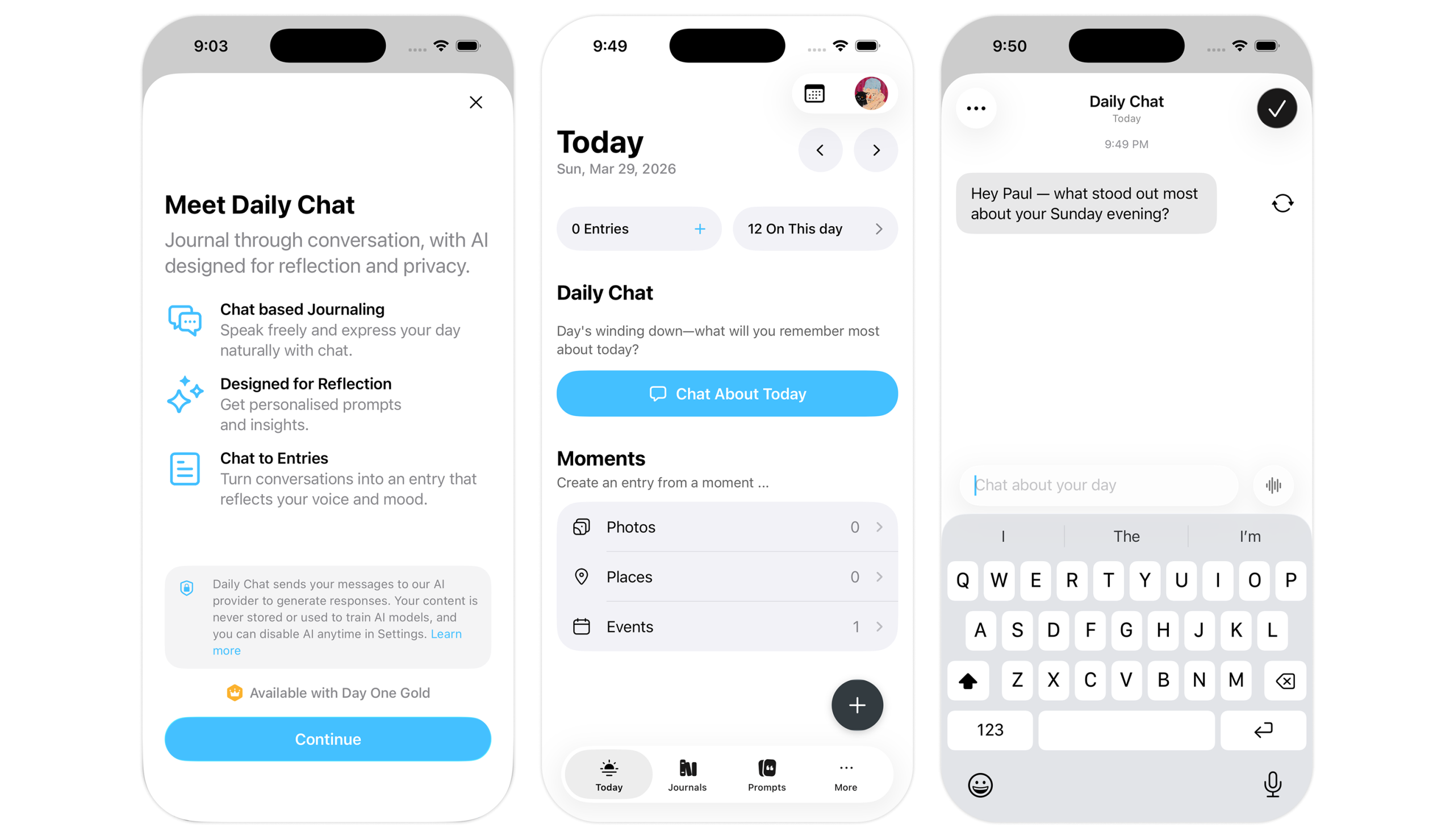
- Initiation: The user opens the new "Today" tab within the Day One app.
- Engagement: An interactive chat begins, acting as a gentle interviewer.
- Refinement: The AI facilitates a conversation that captures the user’s tone, mood, and specific details.
- Archiving: The resulting dialogue is saved as a structured, permanent journal entry, preserving the raw, authentic voice of the user.
Chronology of Development: From Static Logs to Dynamic Conversations
The launch of Daily Chat marks a significant milestone in Day One’s decade-long evolution. Since its inception, the application has focused on high-fidelity memory storage, incorporating photos, locations, and weather data. However, the move toward interactive, AI-assisted input represents a paradigm shift.
- Early Phase: Day One focused on robust data entry—tagging, geolocating, and organizing memories.
- Expansion: The introduction of templates and prompts helped users structure their entries.
- The AI Transition: Over the past 18 months, the company has experimented with machine learning to enhance searchability and metadata, culminating in the integration of conversational AI.
- The Present: With the launch of Day One Gold, the platform introduces a memory system that doesn’t just store information, but learns from it.
This evolution reflects a broader trend in the software industry: moving from passive data repositories to active, intelligent assistants that augment human productivity and emotional intelligence.
Supporting Data: Why Conversational Journaling Works
Psychological research into narrative therapy has long supported the benefits of externalizing one’s experiences through conversation. When individuals discuss their day, they often process their emotions differently than when they attempt to write a formal summary.
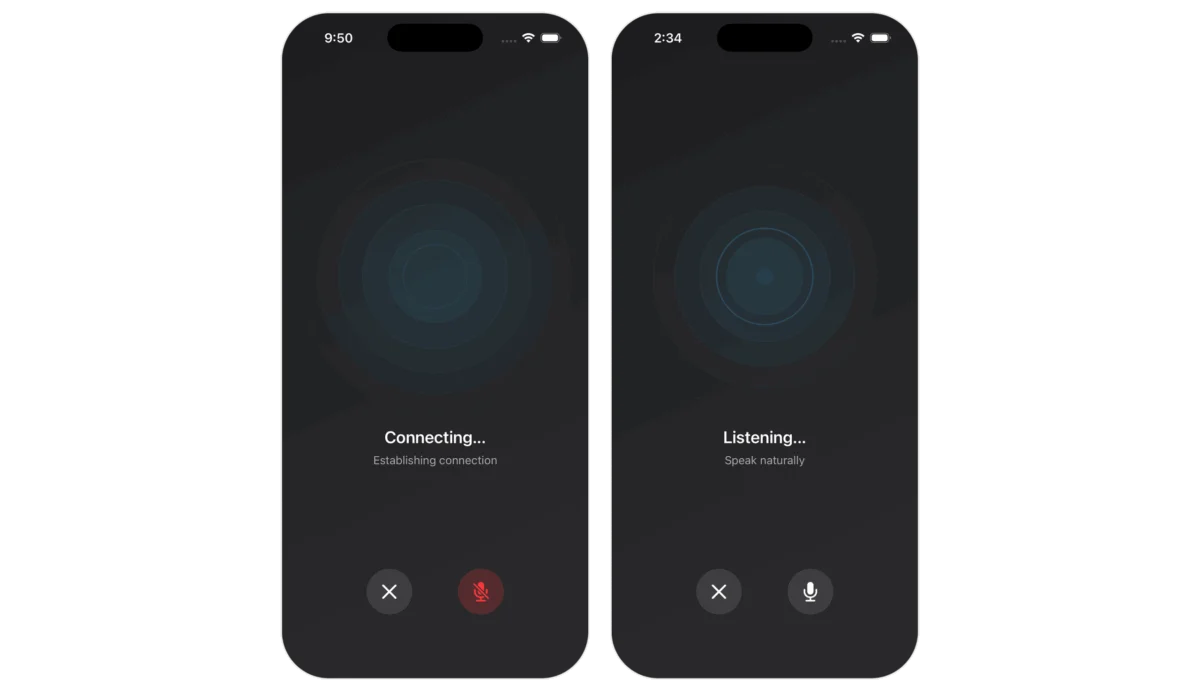
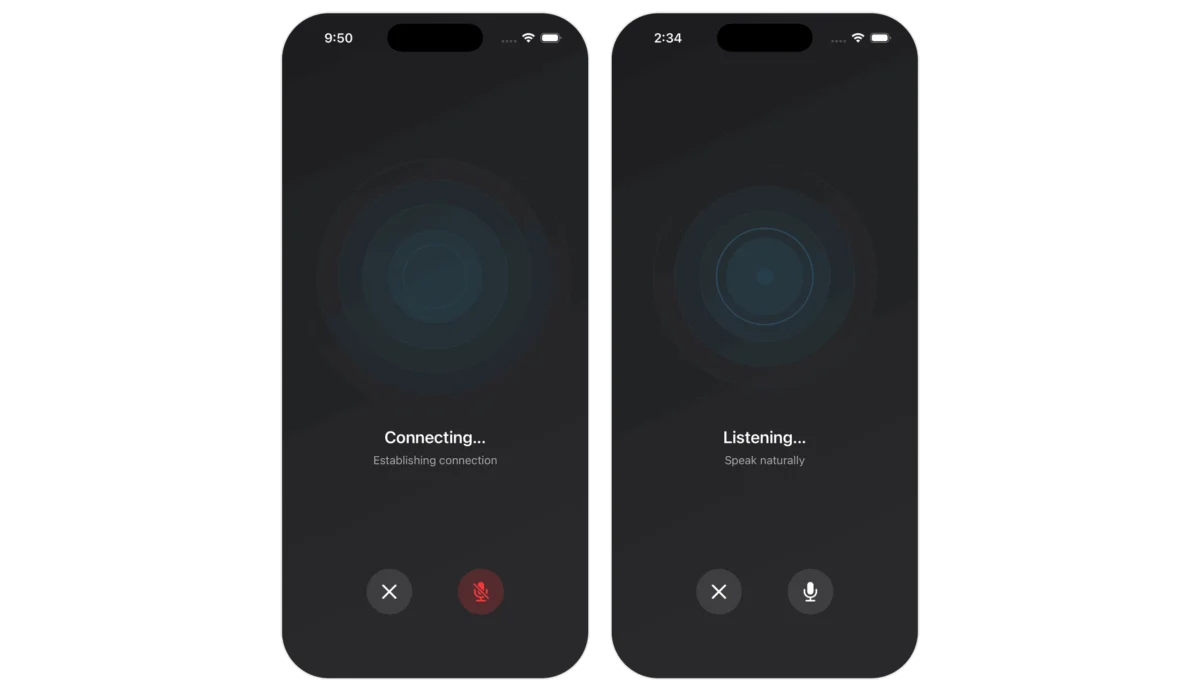
Day One’s implementation of "Voice Mode" further enhances this efficacy. By allowing users to talk through their day hands-free, the app removes the physical barrier of typing. In clinical settings, the spoken word is often found to be more emotionally resonant and less edited than written text. By capturing the nuances of a user’s spoken tone, Daily Chat aims to preserve the "energy" of a memory, not just the facts.
Furthermore, the "Memory" engine—which extracts people, places, and interests from past chats—creates a cumulative value loop. As the system learns more about the user, its follow-up questions become increasingly personalized. This creates a feedback loop where the journal becomes a more valuable resource the longer it is used, theoretically increasing user retention and long-term engagement with the platform.

Official Responses and Strategic Positioning
The launch of Daily Chat is tethered to the debut of Day One Gold, a new premium tier. This strategy signals that the company is moving toward a service-oriented model where the value provided is not just the storage of data, but the active facilitation of self-reflection.
"The value grows over time," a company spokesperson noted. "As you build a habit of reflective conversation, the entries become richer, and the practice becomes more personal."
Industry analysts view this as a sophisticated move to differentiate Day One from generic note-taking apps like Apple Notes or Notion. By positioning itself as an intelligent journal, Day One is betting that users are willing to pay a premium for tools that actively improve their mental well-being and life-logging habits.
Implications: Privacy in the Age of AI
Perhaps the most critical aspect of the Daily Chat rollout is how Day One handles the sensitive nature of personal logs. Privacy has been the cornerstone of the Day One brand since its inception, and the integration of AI brings unique challenges.
Privacy Safeguards
To address the inherent skepticism regarding AI and private diaries, the company has implemented several safeguards:

- End-to-End Encryption: The core promise remains that no third party, including the company itself, can access the content of these entries.
- Transparency: The company has committed to clear communication regarding how data is used to inform the "Memory" system.
- User Control: A future update is slated to include a full "Memory Manager," which will allow users to review, edit, or delete any piece of information the AI has learned about them.
- The "On-Device" Goal: The company is currently exploring on-device AI models. If successful, this would allow the conversation to happen locally on the user’s phone or computer, meaning no data would ever leave the device to be processed in the cloud.
This commitment is vital. For a product that is effectively a repository of a person’s inner life, trust is the currency of the business. If the AI feels like a surveillance tool rather than a helpful companion, users will inevitably abandon the feature.
The Future of Reflective Practice
The introduction of Daily Chat is more than a feature update; it is an assertion that the future of journaling is interactive. As we move deeper into a world where information is abundant but meaningful connection is scarce, tools that help us synthesize our experiences will likely become essential.
By reducing the friction of journaling, Day One is making a play for the "everyman" user—the person who wants to reap the psychological benefits of reflection but lacks the time or the inclination to write structured entries.
As users begin their first conversations with the app, the real test will be in the quality of the long-term interaction. Can a software system truly evolve from a simple data-entry tool into a trusted, empathetic partner? If Day One’s new Daily Chat is any indication, the answer may be yes. By marrying the simplicity of chat with the deep, encrypted security of a traditional journal, Day One is carving out a new space in the digital landscape—one where technology doesn’t just store our memories, but helps us understand them.
For those ready to start, the "Today" tab is open. Your day is waiting to be remembered.