In the rapidly evolving landscape of consumer technology, Apple has long positioned itself as the gold standard for user privacy. However, a new feature currently nestled within the developer beta of its latest operating system is challenging that reputation in ways that are as intellectually fascinating as they are deeply unsettling. Dubbed "Siri Recap," this capability represents a significant leap—or perhaps a stumble—into the realm of persistent ambient computing. By effectively turning the Apple Watch into a constant, passive listener, Apple is experimenting with a form of "audio intelligence" that promises to organize our lives while simultaneously blurring the lines of social consent.
The Dawn of Ambient Intelligence
The "Siri Recap" feature, unveiled during Apple’s September keynote, is the most ambitious component of a broader suite of tools the company categorizes under "audio intelligence." While its sibling feature, "Live Rewind"—a tool designed to provide real-time transcriptions of immediate, face-to-face interactions—garnered the initial headlines for its "futuristic" utility, it is Siri Recap that holds the more profound implications for daily life.
Siri Recap does not merely transcribe; it synthesizes. It processes hours of ambient audio, identifies key topics, and generates bulleted summaries of a user’s day. It is designed to act as a digital memory aid, capturing the nuances of our social existence. Yet, in practice, the experience of wearing this "active ear" is a complex psychological exercise. For those currently testing the feature in the 27.3 developer beta, the tool functions as a somber, detached chronicler of one’s private life, turning casual banter, serious family discussions, and passing thoughts into a structured, algorithmic document.
Chronology of a Digital Day
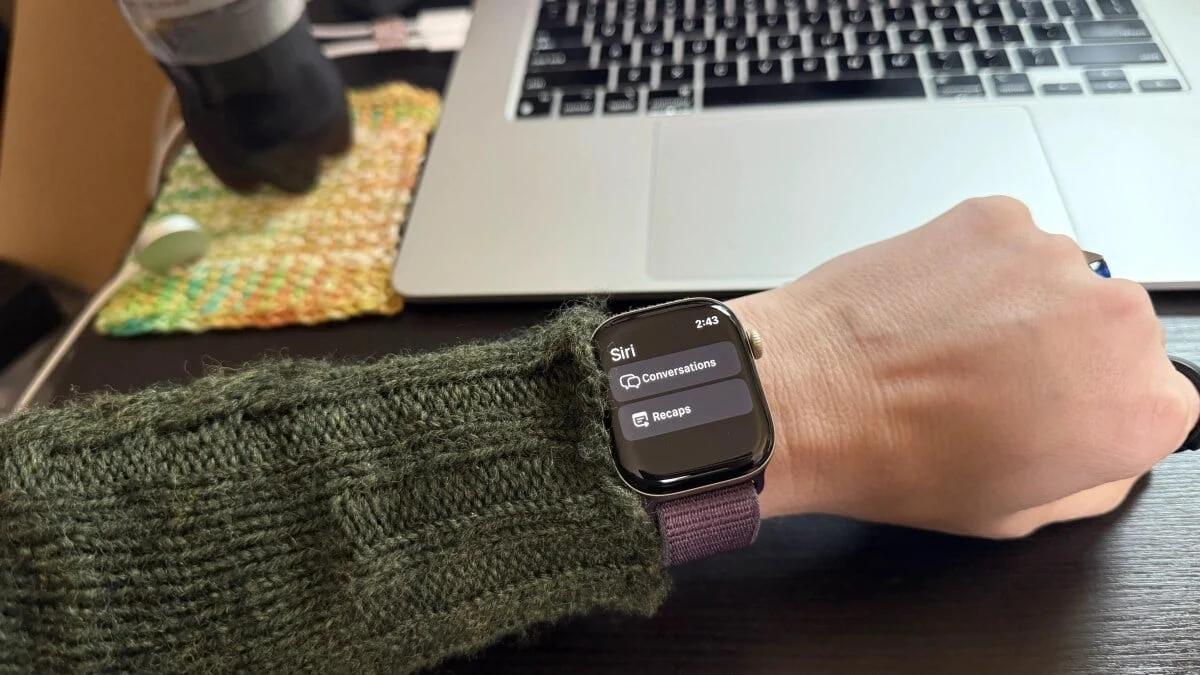
To understand the utility and the limitations of this technology, one must look at how it functions across a standard day. Upon activation in the Watch’s Control Center, the device begins a continuous capture cycle. It does not store the raw audio files in a traditional sense, but rather pipes the data through an on-device processing engine that generates hourly summaries.
In a typical 24-hour cycle, the results are uneven. During the morning commute, if the user engages in a conversation about medical concerns or travel logistics, the system captures the essence of the talk with surprising fidelity. However, as the day progresses, the limitations of artificial intelligence become glaring. During a school pickup, for instance, the watch captures everything: the mundane laughter over a meme, the serious updates regarding a relative’s health, and the abstract philosophical debates about space exploration.
By the evening, the user is presented with a "recap" of their day. The summaries are often presented in hourly blocks. At their best, they offer a crisp, helpful bulleted list of facts and figures. At their worst, they act as a "confused observer," conflating disparate topics, misidentifying speakers, or losing the thread of an argument entirely. For instance, in one documented session, a conversation about the feasibility of space colonization was summarized with a single, sterile bullet point regarding "skepticism," entirely omitting the nuance of the debate or the specific contributions of the participants.
Supporting Data and Technical Reality
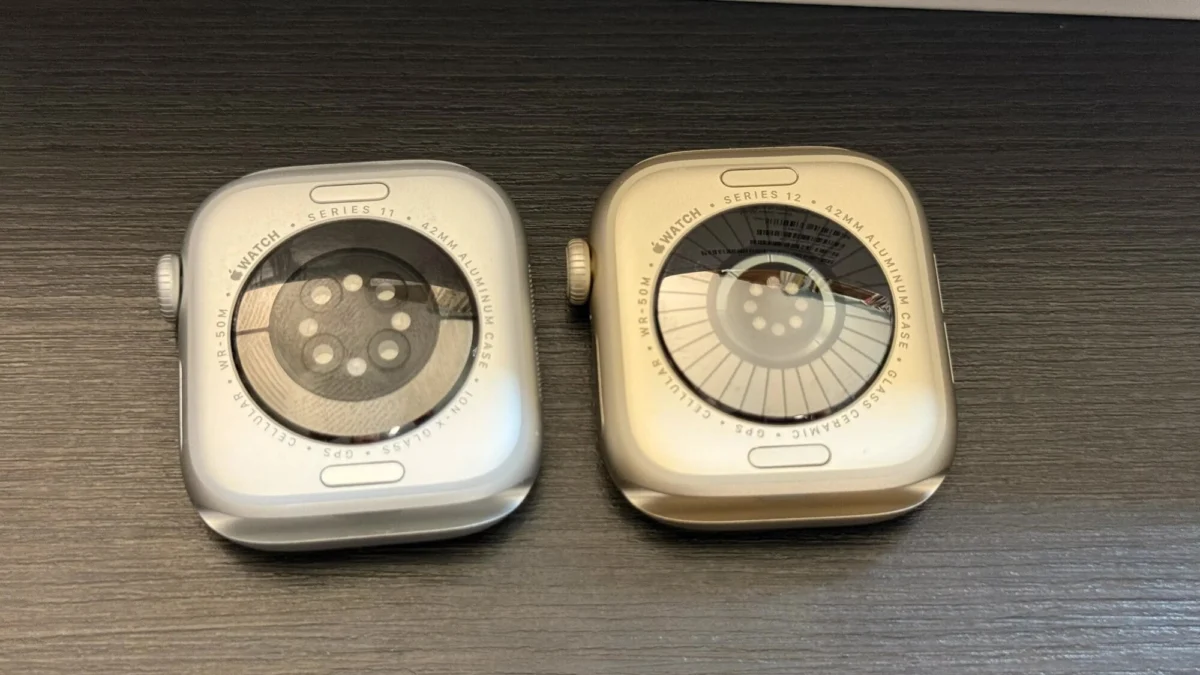
The technical architecture of Siri Recap is designed with a heavy emphasis on obfuscation, which acts as a double-edged sword. Currently, the feature is limited to the Apple Watch Series 12 (and the Ultra 4) paired with an iPhone 16 or newer. The requirement for such specific, high-performance hardware underscores the heavy computational load required for real-time, on-device natural language processing.
Crucially, the system does not identify speakers. It does not provide an exact transcript, nor is there a mechanism to "replay" the audio to verify accuracy. Apple’s design philosophy here appears to be twofold:
- Privacy Shielding: By not storing audio, Apple avoids the legal and ethical liability of "wiretapping" or creating a searchable database of voice recordings that could be subpoenaed.
- Relationship Management: By omitting speaker identities, the system prevents a "he-said-she-said" scenario where a spouse or colleague could point to a definitive transcript as proof of a promise made or an insult delivered.
However, this lack of precision is also the feature’s greatest failure. In scenarios where a user relies on the recap to remember who promised to complete a project or the specific title of a book mentioned during a chat, the system frequently falls short. The AI often captures the context of the book’s content but forgets the title, or it conflates the financial responsibilities mentioned by a spouse with the academic concerns of a child, resulting in a jumbled, inaccurate report.
The Privacy Paradox and Ethical Implications
The most pressing issue surrounding Siri Recap is the matter of implied consent. When a user enables this feature, they are effectively recording every individual they interact with. While the user may argue that they are not "recording" in the traditional sense, the output is a permanent text-based record of a conversation that the other parties believed to be private.
This creates a chilling effect on social interaction. If you are chatting with a friend, you assume that your words are ephemeral—meant for the moment, and then lost to time. When a third party (an AI) is effectively "taking notes" on that conversation, the nature of the interaction changes. During the beta testing phase, users have reported feeling a sense of "creepy" detachment while reviewing their day.
Furthermore, the technology seems to have "blind spots" that raise further questions. During a choir practice, the device failed to capture private, whispered conversations. Whether this is a programmed limitation to avoid eavesdropping on sensitive social situations or merely an artifact of background noise interference remains unclear. Apple has yet to issue a comprehensive white paper detailing the exact "ethical filters" governing when the device chooses to listen and when it remains silent.
Official Stance and Future Trajectory
Apple has yet to provide a granular, public-facing breakdown of how Siri Recap handles the nuance of social disagreement. In the current iteration, the software is essentially a "summarizer of facts" rather than a "mediator of discourse." It lacks the capacity to map a debate between two people, failing to attribute viewpoints to the correct speakers.
For the average user, the temptation to keep the feature active is high. The ability to jog one’s memory about a forgotten meeting time or a casual, pleasant interaction is a powerful convenience. However, as the system stands, it is arguably more of a novelty than a productivity tool. The tendency for the software to hallucinate details—such as incorrectly identifying a family member’s relationship status or conflating unrelated topics—means that the user cannot treat these recaps as a source of truth.
Conclusion: The Cost of Convenience
The trajectory of Siri Recap suggests a future where our digital assistants are no longer just tools we consult, but persistent companions that observe and interpret our lives. While the promise of "audio intelligence" is to reduce the cognitive load of modern existence, the current iteration of the technology demonstrates that we are not yet ready to delegate our memory to an algorithm.
For now, the feature exists in a gray area of utility and ethics. It is a powerful tool for those who value efficiency above all else, but for the majority, the "Siri Recap" serves as a reminder that some things—the ebb and flow of a private conversation, the nuance of a disagreement, the spontaneity of a social encounter—are perhaps better left unrecorded. As Apple moves closer to a full public release, the company will face increased pressure to clarify the boundaries of this "intelligent" surveillance and to ensure that the privacy of the people around the user is as protected as the user themselves. Until then, the silent observer on your wrist remains a fascinating, albeit flawed, experiment in the future of human memory.