WASHINGTON — In an era where household debt continues to fluctuate and financial literacy remains a critical talking point for modern families, establishing a sustainable, low-stress rhythm for managing personal finances has never been more vital. For many couples, the mere mention of a monthly budget meeting invokes images of high tension, rigid spreadsheets, and exhaustive hours spent auditing receipts.
However, a growing movement of household financial strategists suggests that managing family wealth doesn’t have to feel like a second job. By shifting from reactive scrambling to proactive, bite-sized weekly rituals, couples can transform financial management from a source of chronic anxiety into a collaborative, empowering routine.
Main Facts: The Anatomy of a Modern Household Money Routine
At the heart of an effective household financial strategy is the division of labor, shared accountability, and the systematic use of digital tracking tools. Rather than treating money management as an isolated chore handled by a single partner, successful household routines rely on synchronized communication.
Key elements of this approach include:
Decentralized Tracking, Centralized Recording: Utilizing credit cards strategically for everyday purchases while systematically logging transactions on a weekly basis.
The Weekly Check-In: Dedicating a brief, 20-to-30-minute window each week to reconcile accounts, review variable spending, and discuss upcoming financial obligations.
Proactive Sinking Funds: Automating savings allocations for predictable future expenses—such as holidays, annual vacations, and emergency home or auto repairs—to eliminate reliance on high-interest credit.
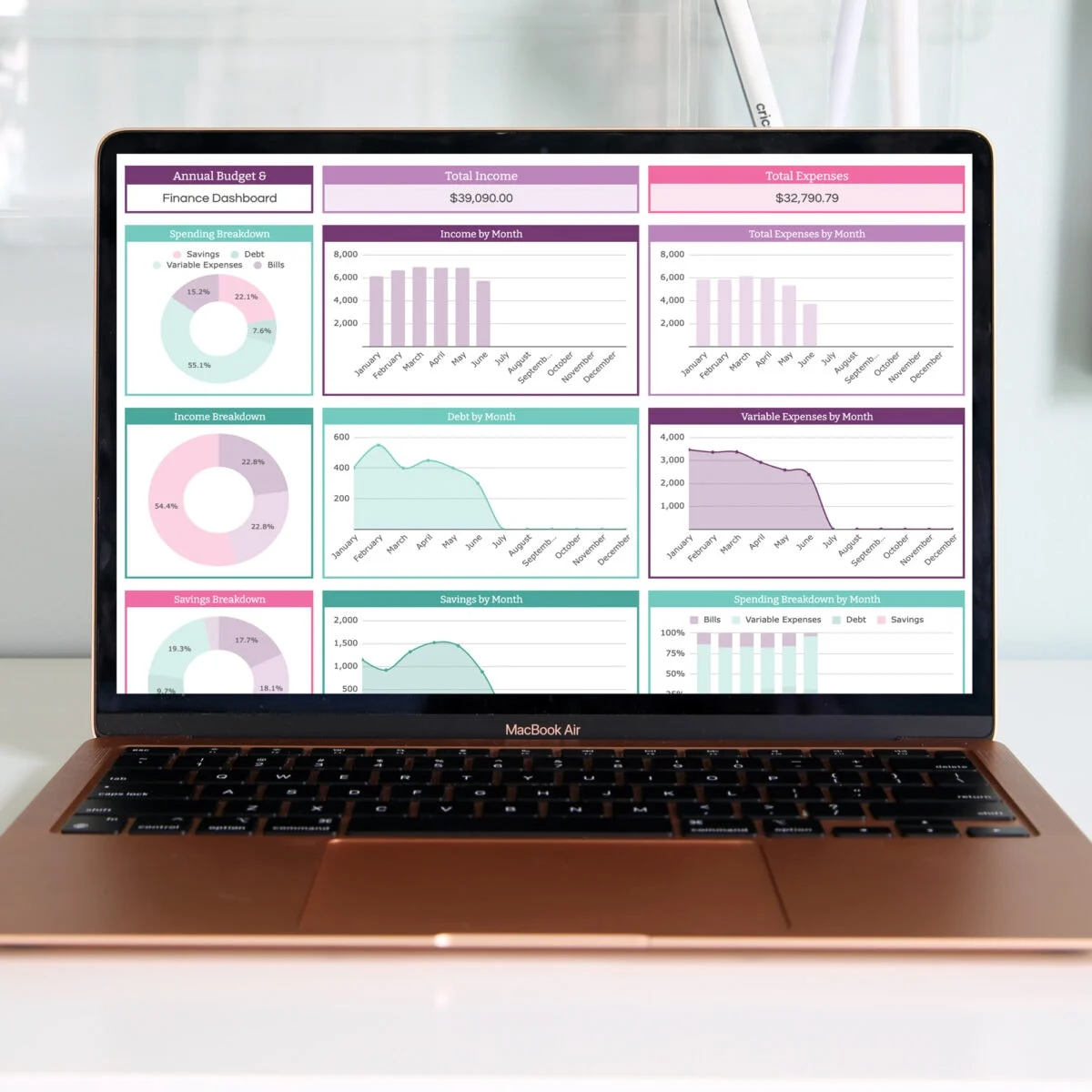
Comprehensive Digital Dashboards: Employing dynamic spreadsheet templates to forecast spending, monitor net worth, and automatically calculate remaining budget thresholds in real time.
Chronology: From Financial Indifference to Synchronized Strategy
The journey toward a streamlined family money routine rarely happens overnight. For most households, it is an evolutionary process forged through years of trial, error, and gradual adaptation.
Phase 1: The Solo Era and the "Aha" Moment
In the early years of many marriages, financial responsibilities are naturally delegated to whichever partner displays a higher comfort level with math or organization. Initially, this division works efficiently. One partner handles the bill payments, monitors the accounts, and keeps the operational lights on.
However, this dynamic often places an unfair mental and administrative load on a single individual. The turning point—often described as a financial "aha" moment—occurs when the non-managing partner realizes that true financial health requires dual engagement. Leaving one person to shoulder the entirety of fiscal strategy limits a family’s ability to be truly intentional about its spending habits.
Phase 2: Building the Toolkit
Recognizing the need for a collaborative approach, households often experiment with various organizational tools. For those who find traditional accounting software overly complex or sterile, customized visual tools—such as printable budget binders or aesthetic digital spreadsheets—bridge the gap between functionality and engagement. By making the data visually approachable, tracking expenditures transforms from a punitive exercise into an accessible habit.
Phase 3: Refining the Weekly Rhythm
Over years of consistent implementation, couples establish a dependable routine. For many, Friday afternoons have become synonymous with fiscal maintenance. While one partner logs and categorizes weekly transactions, the other processes incoming bills and executes necessary account transfers. This predictable cadence ensures that no financial detail falls through the cracks.
Supporting Data: The Mechanics of Weekly Accountability
To understand how a streamlined money routine operates in practice, financial strategists point to specific structural pillars that keep households on track without overwhelming busy schedules.
The Power of Friday "Money Moves"
Consolidating administrative tasks into a single window of time each week creates momentum. The typical weekly workflow involves several discrete actions:
Transaction Logging: Charging daily expenses to rewards-accumulating credit cards (paid in full monthly) and transferring transaction screenshots or statements to a centralized ledger. Every purchase is immediately mapped to pre-determined categories, such as "Variable Expenses," "Groceries," or "Monthly Bills."
Automated Sinking Funds: Maintaining dedicated savings streams via automated weekly transfers. By setting aside fractional amounts for predictable costs long before they arrive, families insulate themselves from unexpected financial shocks.
Bill Processing and Transfers: Systematically clearing out incoming weekly invoices while adjusting liquidity across checking, savings, and investment accounts.
The Five-Minute Alignment Conversation
Perhaps the most crucial component of the weekly routine is the brief alignment discussion. Rather than letting fiscal anxieties compound over months into a stressful, high-stakes confrontation, couples who touch base weekly maintain continuous alignment.
These conversations focus on:
Assessing the overall health of liquid accounts.
Reviewing burn rates in high-velocity budget categories (such as dining out or entertainment) to self-correct behavior mid-month.
Evaluating progress toward short- and long-term savings goals.
Discussing philanthropic contributions or discretionary allocations.
Because both partners possess real-time visibility into the numbers, these check-ins rarely exceed five minutes, effectively neutralizing financial stress before it can take root.
Official Perspectives: The Philosophy of Sustainable Budgeting
While financial planners and software creators offer diverse perspectives on wealth management, a common consensus emerges regarding household routines: simplicity, consistency, and shared transparency outweigh complex financial engineering every time.
"A budget is not merely a constraint on your spending; it is a permission slip to spend intentionally on the things that truly matter to your family," notes financial organization advocate Abby Lawson. "When both partners understand where every dollar is allocated, financial decisions stop feeling like arguments and start feeling like team victories."
Behavioral economists echo this sentiment, emphasizing that the reduction of cognitive load is one of the primary benefits of structured financial routines. When couples automate savings and establish predictable review cycles, they preserve mental energy for other daily demands while drastically reducing the likelihood of impulse spending or budgetary drift.
Implications: Long-Term Benefits and Strategic Planning
The implementation of a disciplined weekly and monthly money routine yields profound implications for a family’s long-term financial trajectory.
1. Data-Driven Annual Forecasting
By accumulating structured data week after week, families build a robust historical record of their spending patterns. At the end of each month and year, reviewing an annual dashboard allows households to evaluate their financial performance objectively. Instead of guessing what next year’s expenses might look like, families can adjust category allocations with surgical precision based on actual historical consumption.
2. Enhanced Crisis Resilience
Unexpected expenses—ranging from medical emergencies to major home repairs—are an inevitable part of life. Households that practice weekly financial oversight and maintain active sinking funds are uniquely positioned to absorb these shocks without resorting to high-interest debt. Knowing the exact state of their balance sheets empowers families to navigate crises with confidence and calm.
3. Fostering Financial Literacy for the Next Generation
Beyond immediate budgetary control, consistent household money routines serve as a powerful educational framework for children. Observing parents communicate transparently about saving, giving, and spending instills healthy financial behaviors early in life, setting the foundation for future fiscal responsibility.
Conclusion: Getting Started
Adopting a sustainable money routine does not require an advanced degree in finance or hours of tedious data entry. As families who have mastered the process demonstrate, success lies in finding the right tools—whether through digital dashboards, monthly spreadsheets, or printable budget binders—and committing to a low-friction, collaborative weekly rhythm.
By replacing financial avoidance with proactive communication, households can reclaim control over their financial futures, turning the management of wealth into an empowering, shared endeavor.