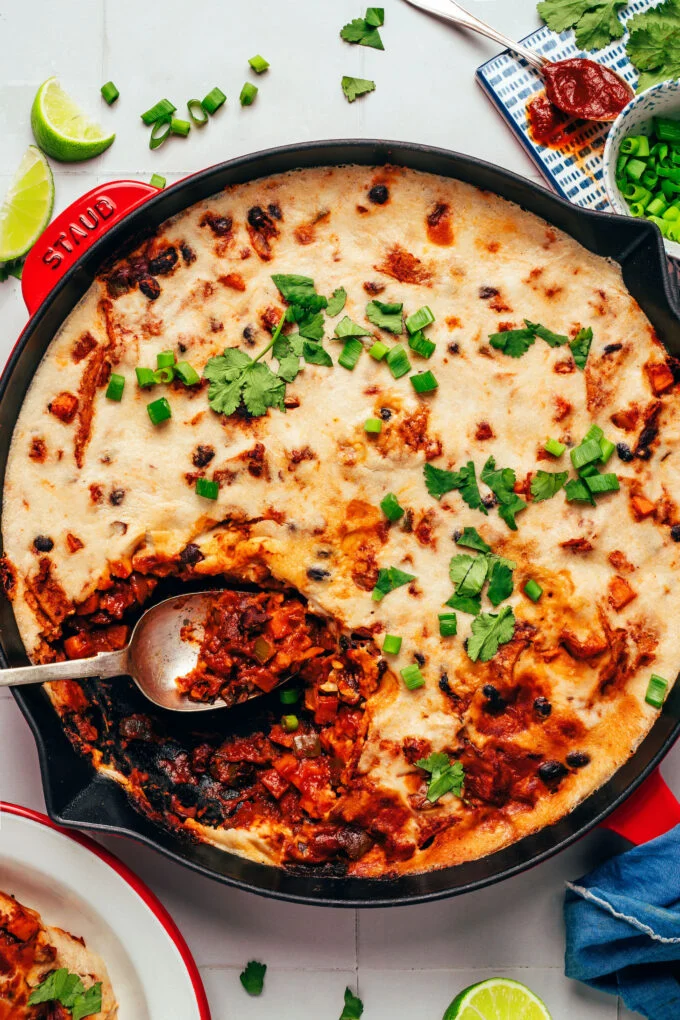
In the landscape of modern home cooking, the intersection of efficiency and flavor has become the ultimate frontier. For many, the classic enchilada—a dish steeped in history and comfort—is often reserved for weekends due to the labor-intensive process of stuffing and rolling individual corn tortillas. However, a new culinary development is challenging this status quo. A recent recipe release from the popular culinary platform Minimalist Baker has introduced a "Cheesy Vegan Enchilada Skillet," a dish that successfully deconstructs the traditional enchilada into a streamlined, one-pan format that takes only 30 minutes to prepare.
This innovation is not merely about speed; it represents a broader shift in how home cooks are approaching heritage recipes, prioritizing the essential flavors of a dish while stripping away the procedural friction that prevents them from being accessible on a busy Tuesday night.
Main Facts: The Anatomy of the Skillet
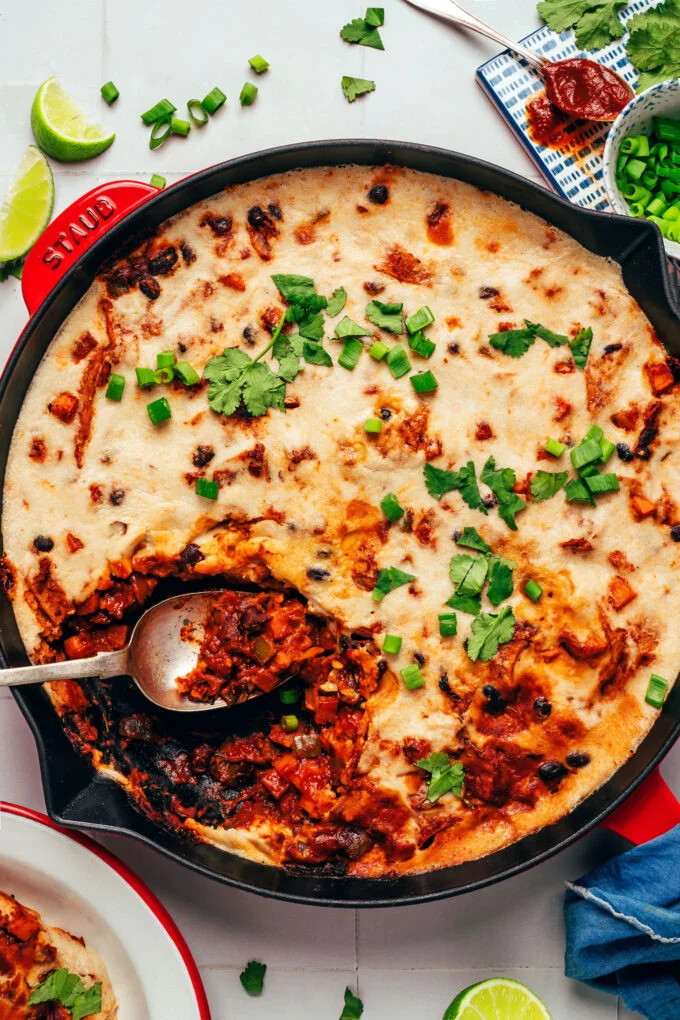
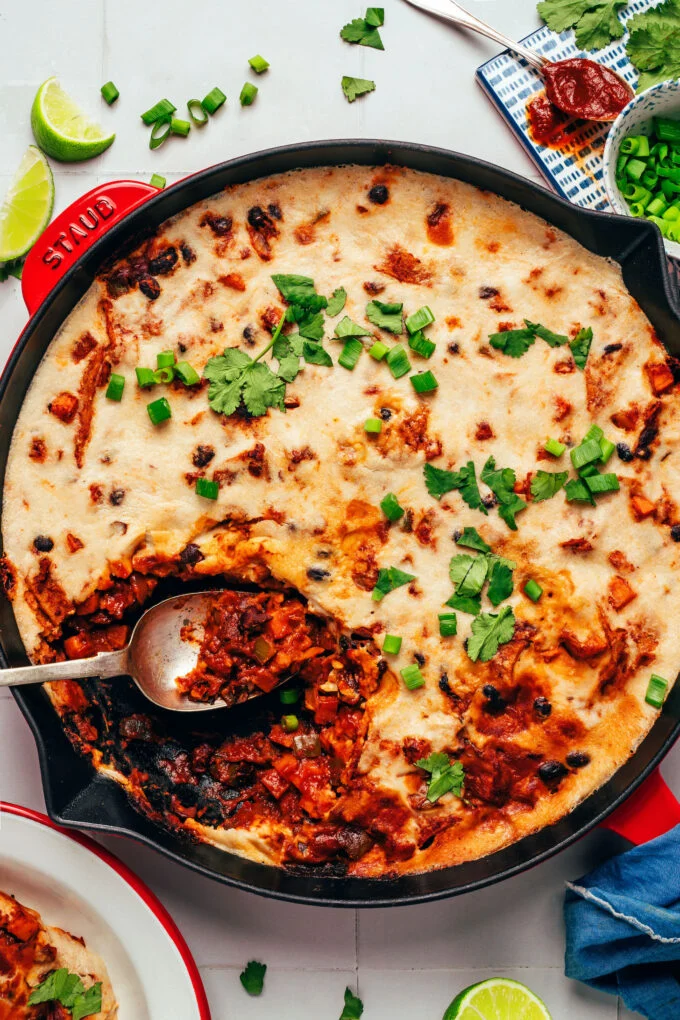
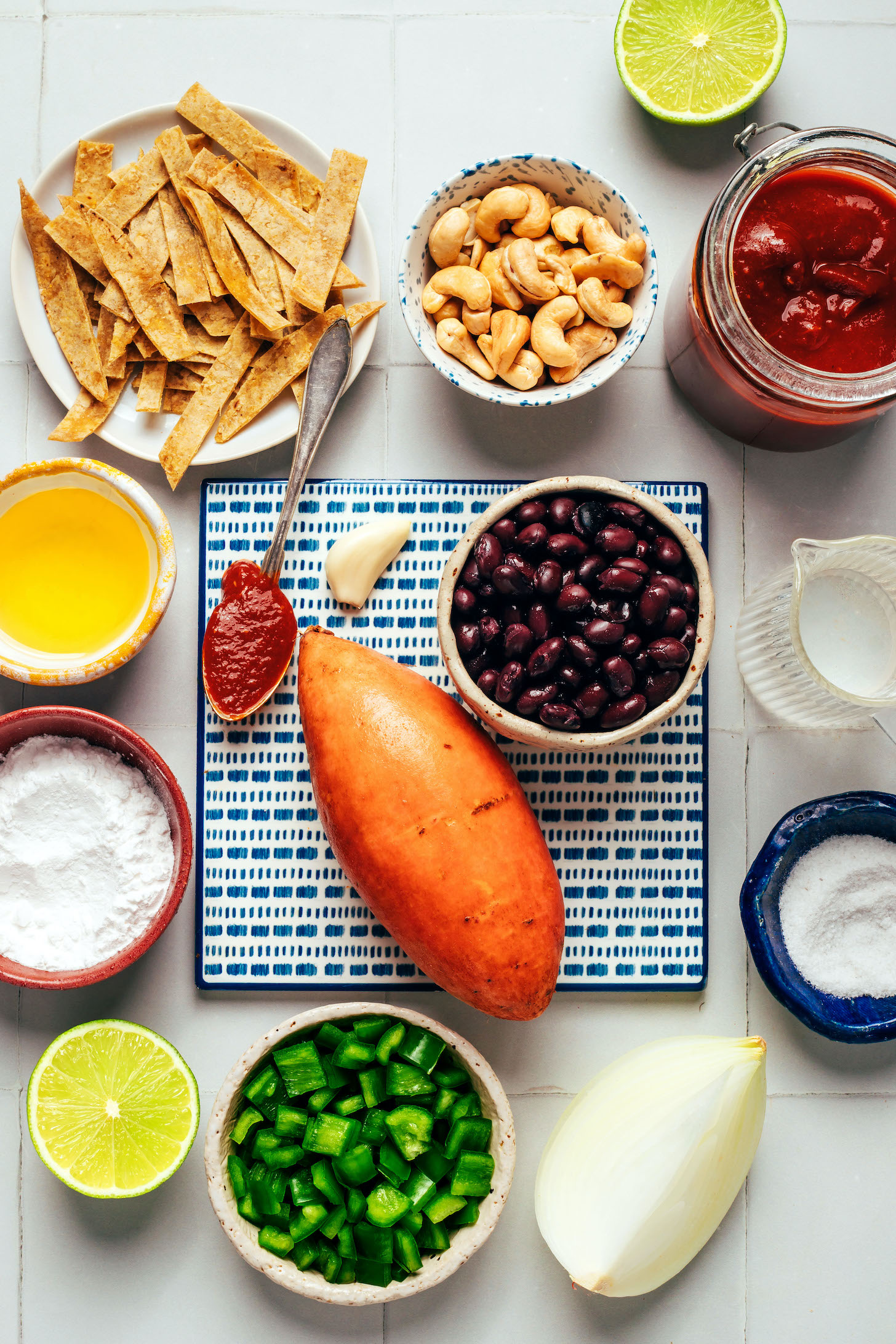
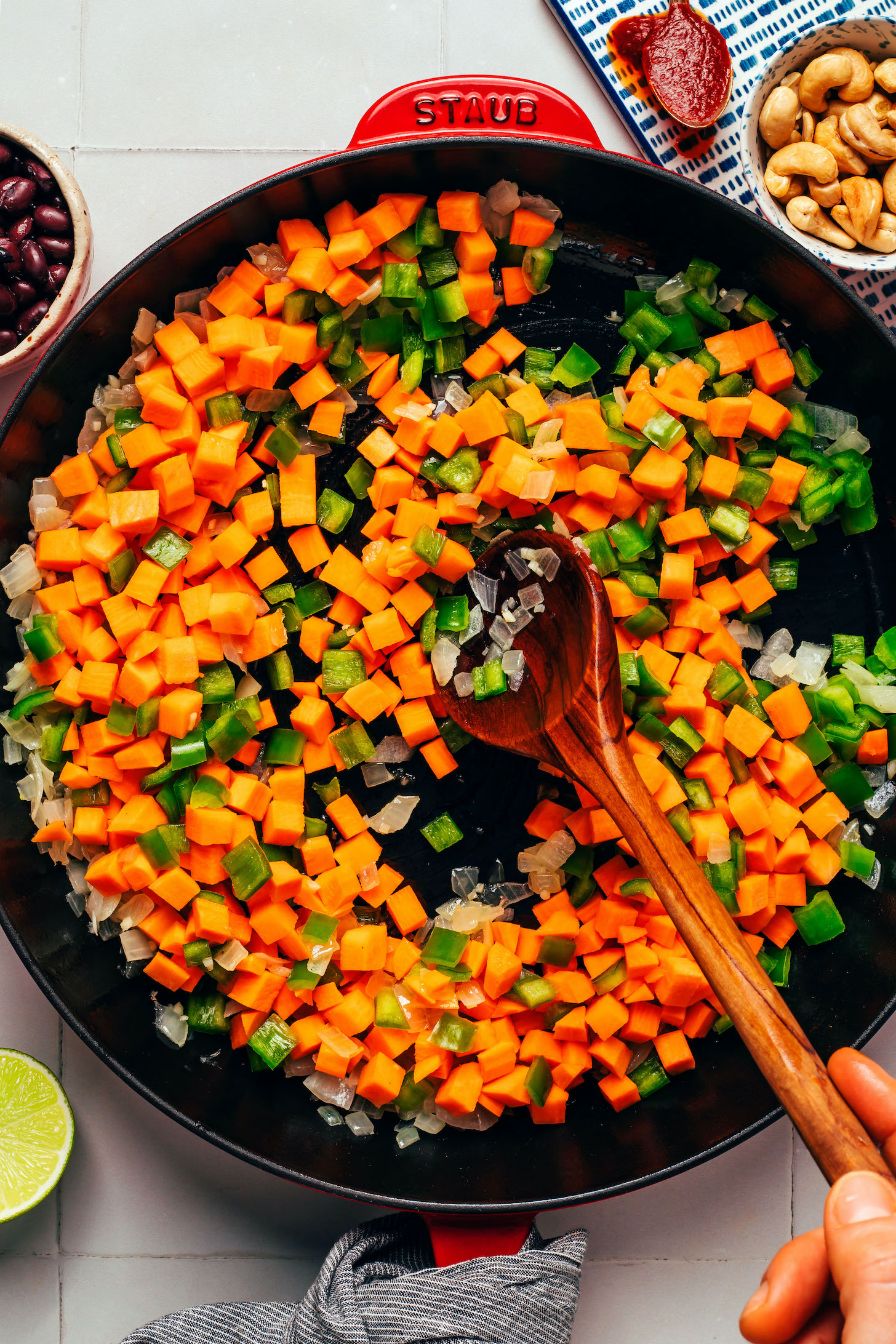
The concept behind the Cheesy Vegan Enchilada Skillet is rooted in the "deconstructed" movement, where the components of a complex meal are combined in a single vessel rather than prepared individually. The dish consists of a base of sautéed onions, garlic, poblano peppers, and small-cubed sweet potatoes. These are cooked until tender before being tossed with protein-rich black beans and strips of corn tortillas.
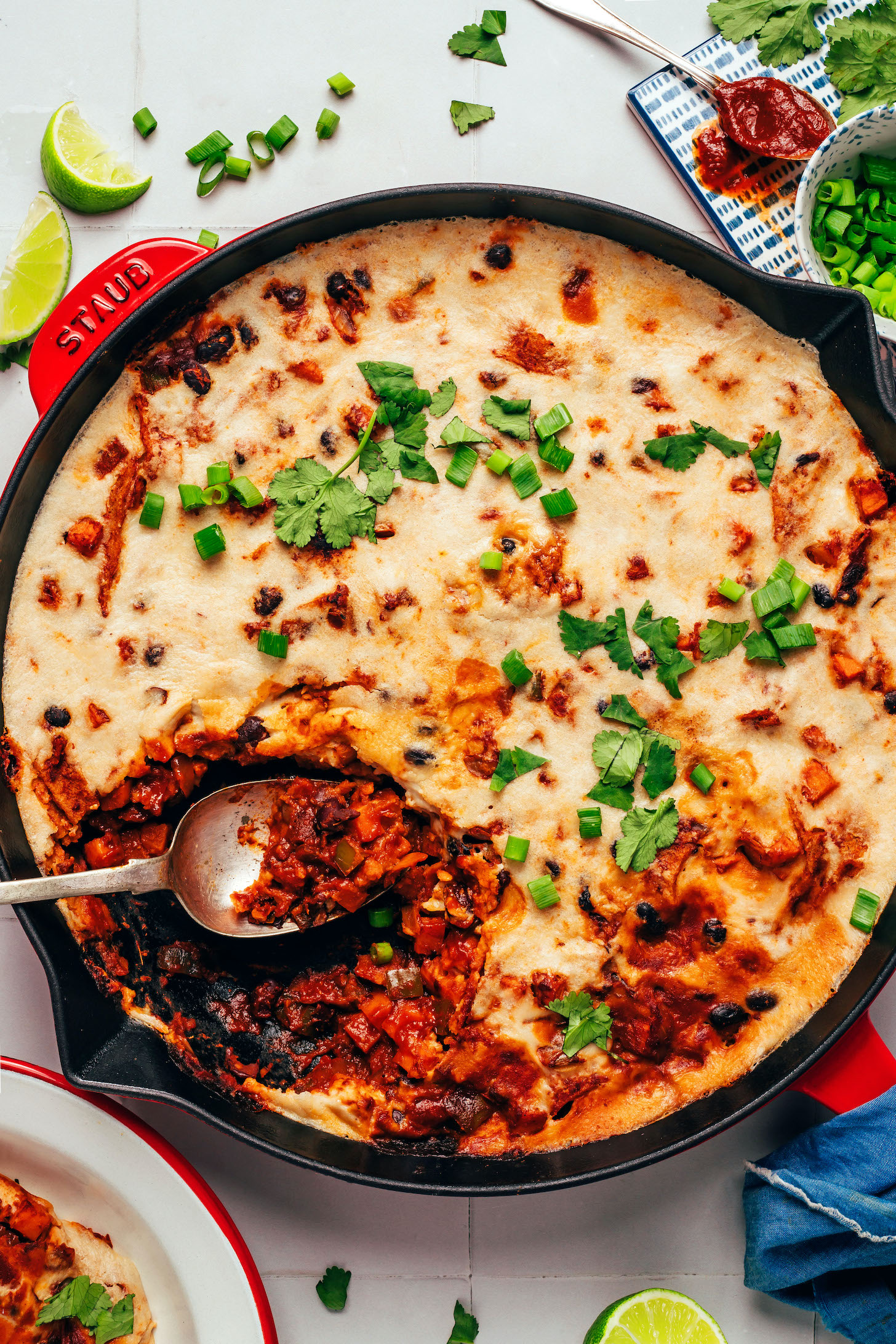
What elevates this recipe from a simple stir-fry to a legitimate "enchilada" experience is the incorporation of a red enchilada sauce and a proprietary cashew-based "cheese" sauce. By utilizing tapioca starch and high-speed blending, the sauce achieves a melty, viscous consistency that mimics the mouthfeel of dairy-based cheese when heated. The dish requires only a single skillet, significantly reducing cleanup time and making it a viable option for those with limited kitchen space or time.
A Brief History: From Mayan Roots to Modern Skillets
To understand why this skillet version is significant, one must look at the evolution of the enchilada. The dish, as it is known today, has deep historical roots in Mexico. It is widely believed to have evolved from papadzules, a traditional Mayan dish consisting of corn tortillas dipped in a pumpkin seed sauce and filled with hard-boiled eggs.
The first recorded written recipe for the modern enchilada appeared in the 1831 cookbook El Cocinero mexicano, documenting the transition of the dish into the version recognized by global audiences today: meat, seafood, beans, or cheese stuffed inside a corn tortilla, smothered in a savory chili-based sauce.
For nearly two centuries, the core format of the enchilada—the "roll"—remained largely unchanged. However, the recent shift toward skillet-based preparation reflects a post-industrial desire for "low-fuss" cooking. By slicing the tortillas into strips and cooking them directly into the sauce, the recipe honors the original flavor profile of corn, chili, and aromatics while discarding the specific structural requirements of the rolled tortilla.
Chronology of Preparation
The efficiency of this dish is predicated on a specific sequence of operations designed to maximize flavor development in a short window.
- Preparation (0–10 Minutes): The cook begins by dicing the sweet potatoes into small, 1/4-inch cubes. This is a critical step; larger pieces would not soften in the allotted time. Simultaneously, the cashew cheese is prepared by blending raw cashews, water, lime juice, garlic, and tapioca starch.
- Sautéing (10–20 Minutes): Onions, garlic, and poblano peppers are added to a hot, oiled skillet. Once the onions reach translucency, the sweet potatoes are added. The goal here is to achieve a tender texture before the introduction of the liquid elements.
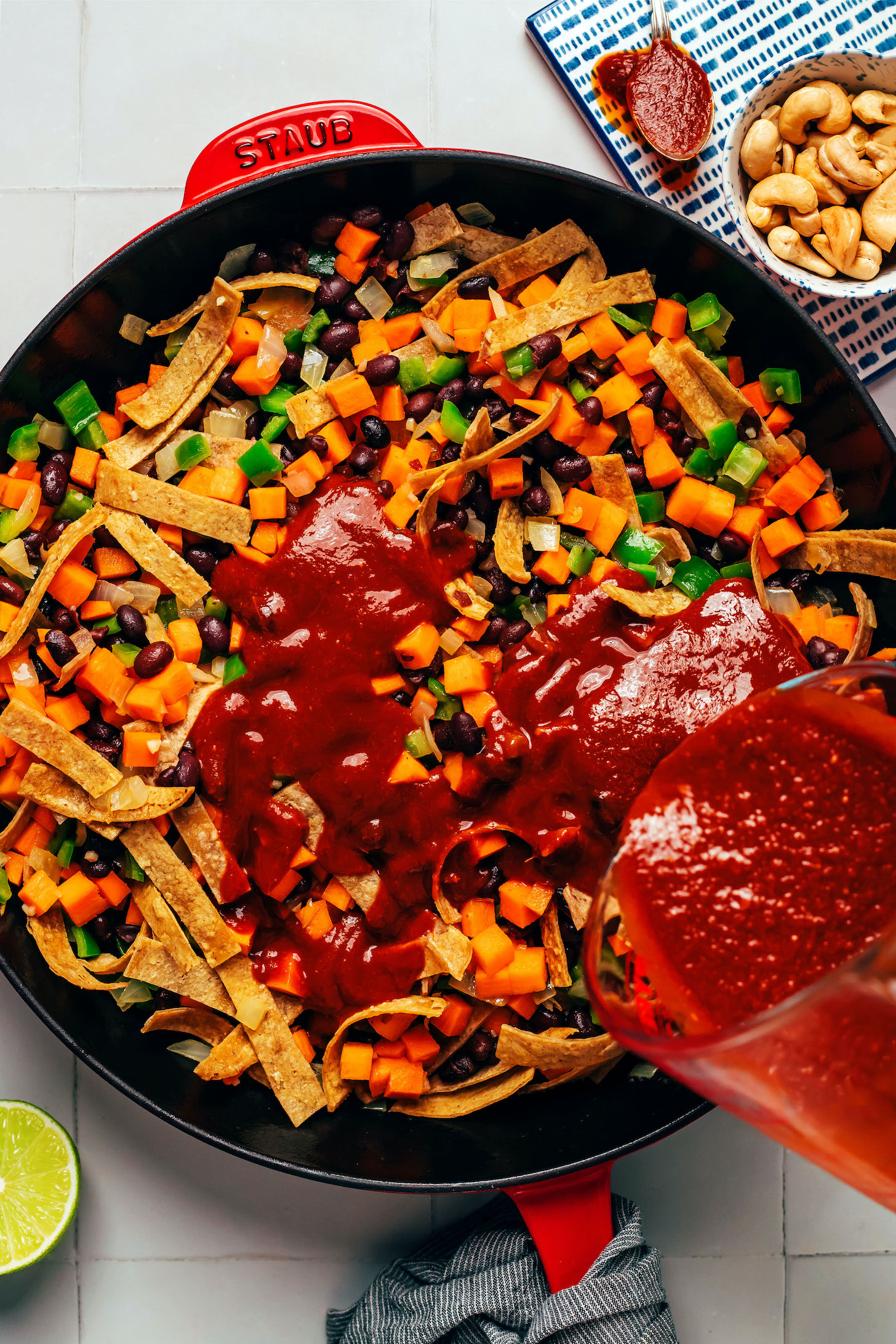
- Simmering (20–25 Minutes): The black beans and pre-cut tortilla strips are folded into the vegetable base. The red enchilada sauce is then poured over the mixture. The inclusion of the tortillas at this stage allows them to absorb the sauce, softening into a texture reminiscent of traditional baked enchiladas.
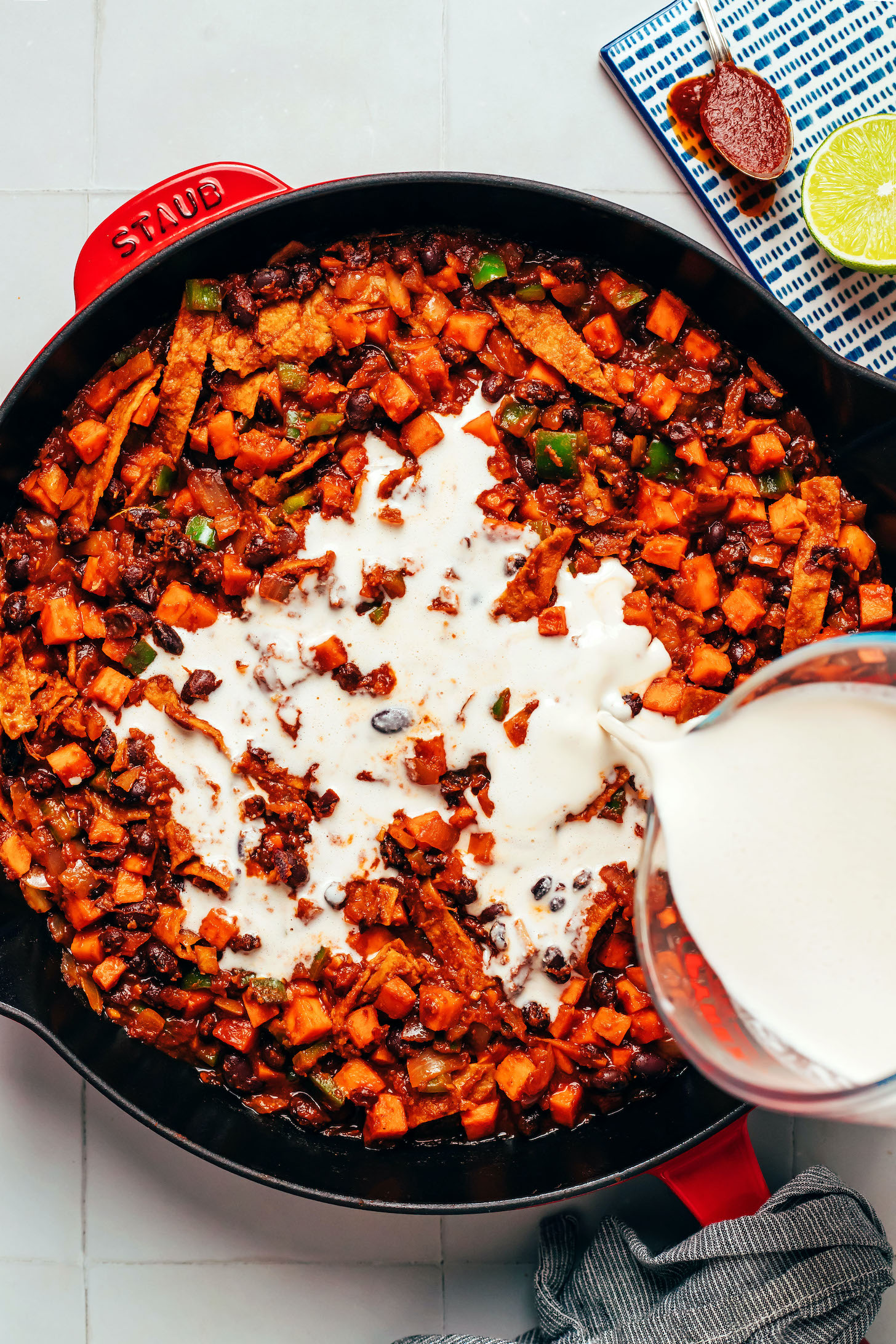
- The "Melting" Phase (25–30 Minutes): The cashew sauce is drizzled over the top, and the skillet is covered with a lid. The residual heat and the activation of the tapioca starch cause the sauce to thicken and "melt," creating a cohesive, comforting dish.
Supporting Data: Nutrition and Scalability
From a nutritional perspective, the skillet offers a balanced profile for a plant-based meal. According to the recipe’s developers, a single serving contains approximately 416 calories, 13.6 grams of protein, and a significant 14.3 grams of fiber, largely due to the inclusion of black beans and sweet potatoes.
The dish is also highly scalable. Because it is prepared in a single pan, it avoids the common pitfalls of oven-baked dishes, where uneven heating can lead to soggy edges or dried-out centers. The use of tapioca starch is a crucial technical detail; unlike cornstarch, which can become pasty, tapioca creates a stretchy, "gooey" texture that successfully mimics melted mozzarella or Monterey Jack, providing a satisfying sensory experience that is often missing from vegan cheese alternatives.
Expert Perspectives and Culinary Implications
Food scientists and culinary experts often note that the "skillet" format is an ideal solution for the modern, time-poor household. By removing the need to roll tortillas, the recipe eliminates the most common cause of failure in home-cooked enchiladas: the breaking or tearing of the tortilla during the assembly process.
"The move toward one-pan meals is a direct response to the ‘cook fatigue’ observed in modern demographics," says a food industry analyst. "When you remove the physical labor of assembly, the dish becomes a frequent inclusion in a weekly meal plan rather than a ‘special occasion’ item."
Furthermore, the versatility of this recipe holds significant implications for home-cooking habits. The developers note that the recipe is highly adaptable—kabocha squash or butternut squash can replace sweet potatoes, and green bell peppers can be used if poblanos are unavailable. This flexibility encourages home cooks to utilize seasonal produce, thereby increasing the nutritional variety of their meals without requiring them to master new cooking techniques.
Implications: The Future of Weeknight Dining
The success of the Cheesy Vegan Enchilada Skillet signals a broader trend in home cooking: the "deconstruction of labor." As culinary technology improves—better blenders, more shelf-stable high-quality sauces, and a better understanding of plant-based thickeners—the barriers to creating complex, flavor-dense meals continue to drop.
For the vegan community, this represents a significant win. Historically, "cheesy" vegan dishes were viewed as either prohibitively expensive or processed. The reliance on whole-food ingredients like cashews, combined with the structural utility of tapioca starch, allows for a "clean label" meal that is both indulgent and nutrient-dense.
Finally, the dish serves as a bridge for omnivores. By offering a version that is "inspired by" rather than a strict imitation of a traditional dish, it sidesteps the defensive posture some eaters take toward vegan adaptations. It is not trying to be a substitute for a traditional enchilada; it is a new iteration of a familiar flavor profile, designed specifically for the contemporary kitchen.
Conclusion
The Cheesy Vegan Enchilada Skillet serves as a microcosm of the current evolution of home cooking. By integrating traditional ingredients—corn, beans, and chilis—with modern, efficient cooking techniques, it offers a sustainable way to enjoy complex flavors on a busy schedule. As more home cooks look for ways to reduce waste, save time, and maintain a high standard of nutrition, the "one-pan" philosophy is likely to remain a cornerstone of modern culinary strategy. Whether one is a dedicated vegan or simply a fan of efficient, delicious food, the principles demonstrated in this 30-minute skillet are a testament to the fact that convenience and quality are no longer mutually exclusive.