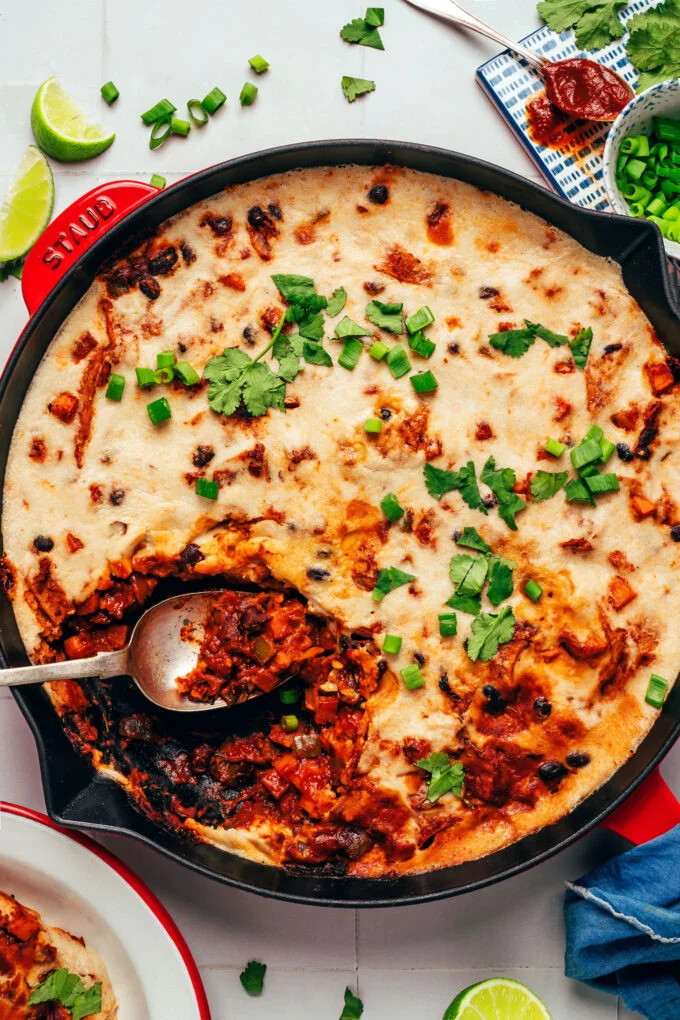
In the fast-paced landscape of modern home cooking, the intersection of efficiency, nutrition, and flavor is a sought-after destination. For many, the traditional enchilada—while beloved for its comforting blend of spices, textures, and savory fillings—is often relegated to weekend cooking due to the labor-intensive process of stuffing and rolling individual tortillas. However, a new culinary trend is disrupting this narrative: the one-pan vegan enchilada skillet. This dish has emerged as a flagship example of how plant-based cuisine can be both sophisticated in profile and remarkably accessible for the average home cook.
Main Facts: Deconstructing the One-Pan Method
The "Cheesy Vegan Enchilada Skillet" is designed to eliminate the "fuss" associated with traditional Mexican-inspired cooking. By utilizing a single skillet, the recipe achieves a complete meal in approximately 30 minutes, significantly reducing both active cook time and post-meal cleanup.
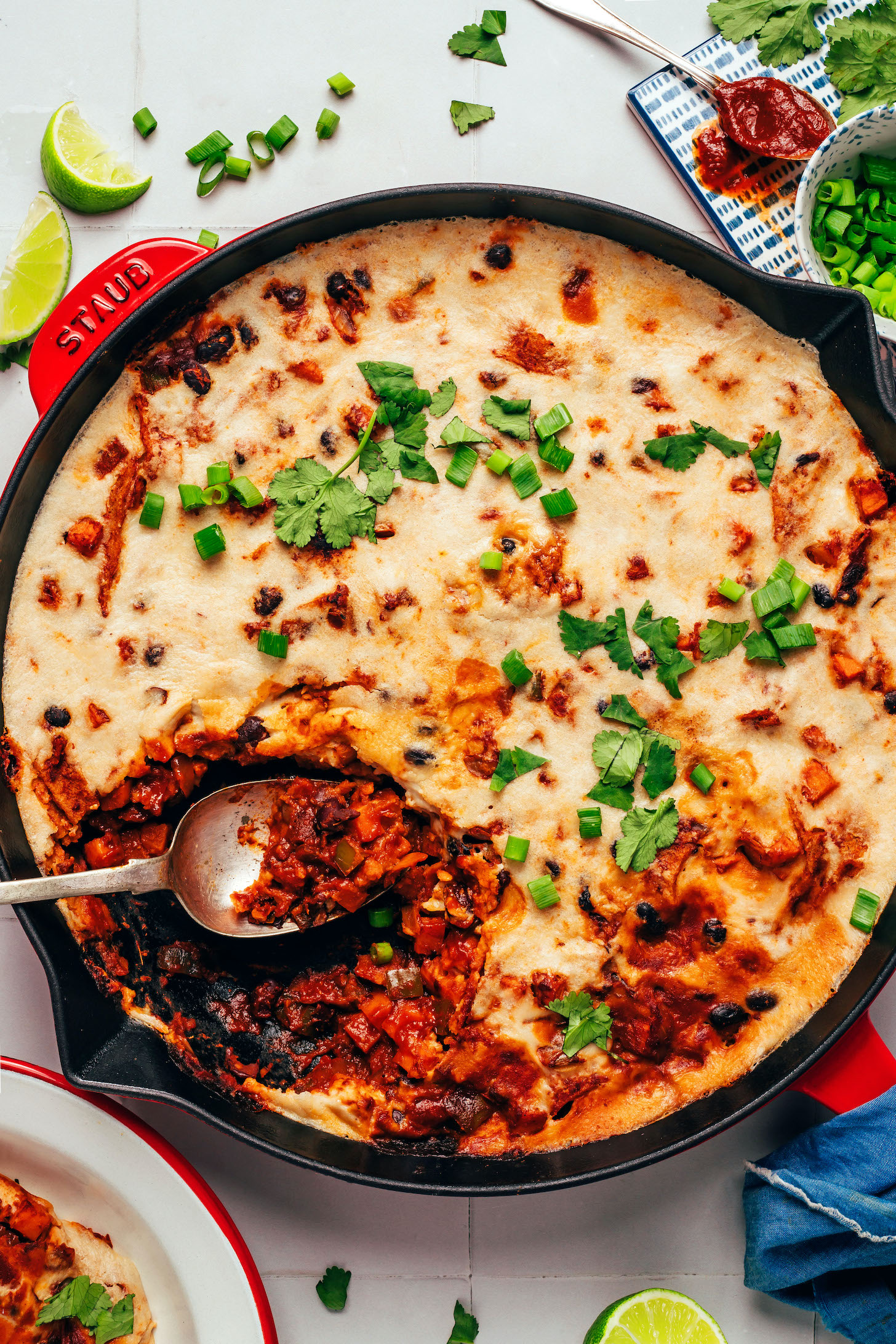
At its core, the dish relies on a base of sautéed aromatics and seasonal root vegetables. Key ingredients include:
- Aromatics: Onion and garlic provide the foundational flavor profile.
- The "Heart": Cubed sweet potato or winter squash adds texture and density, while black beans provide a substantial source of plant-based protein and dietary fiber.
- The Binding Agent: Instead of the laborious rolling process, corn tortillas are sliced into strips and simmered directly into the sauce, allowing them to soften and integrate into the dish.
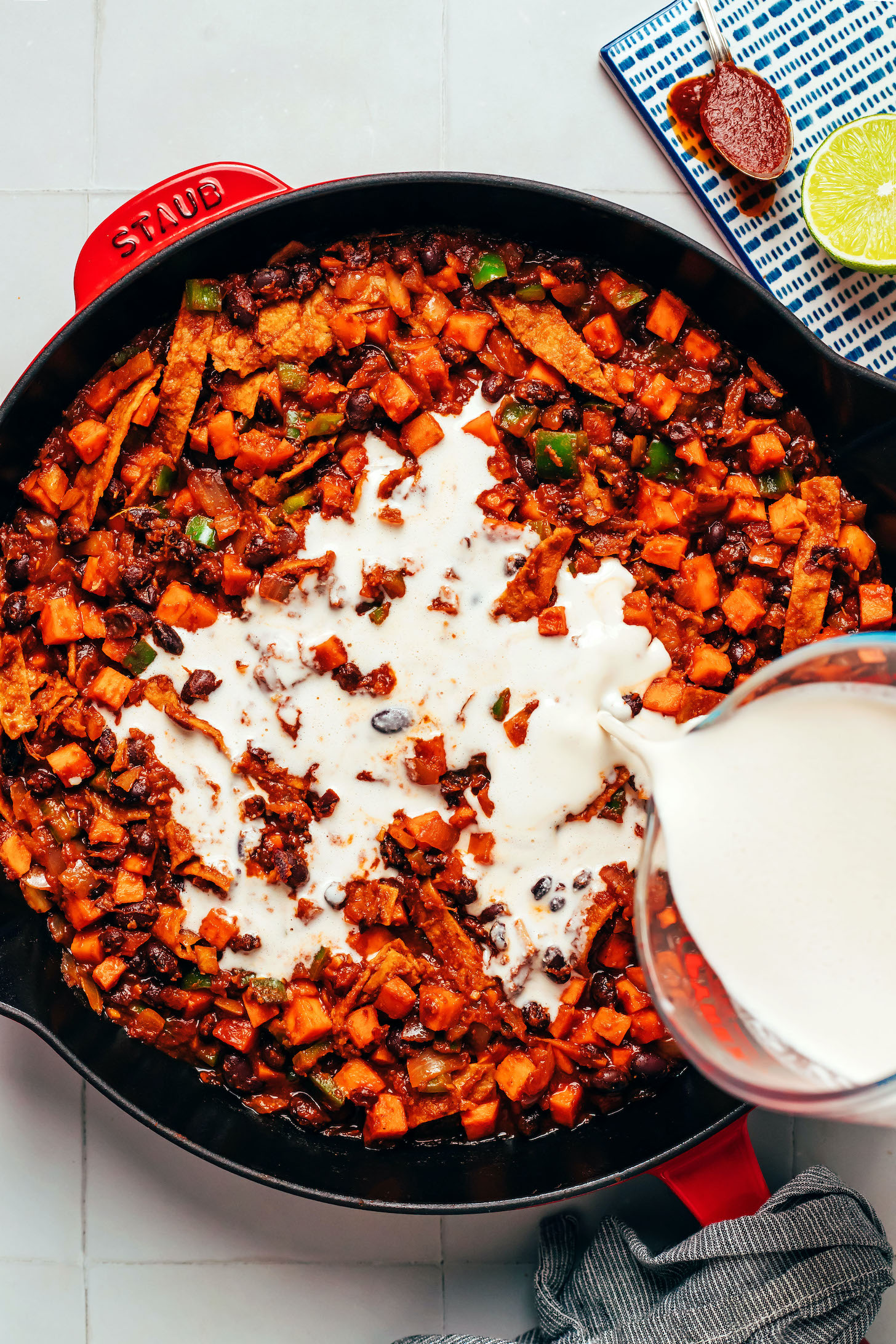
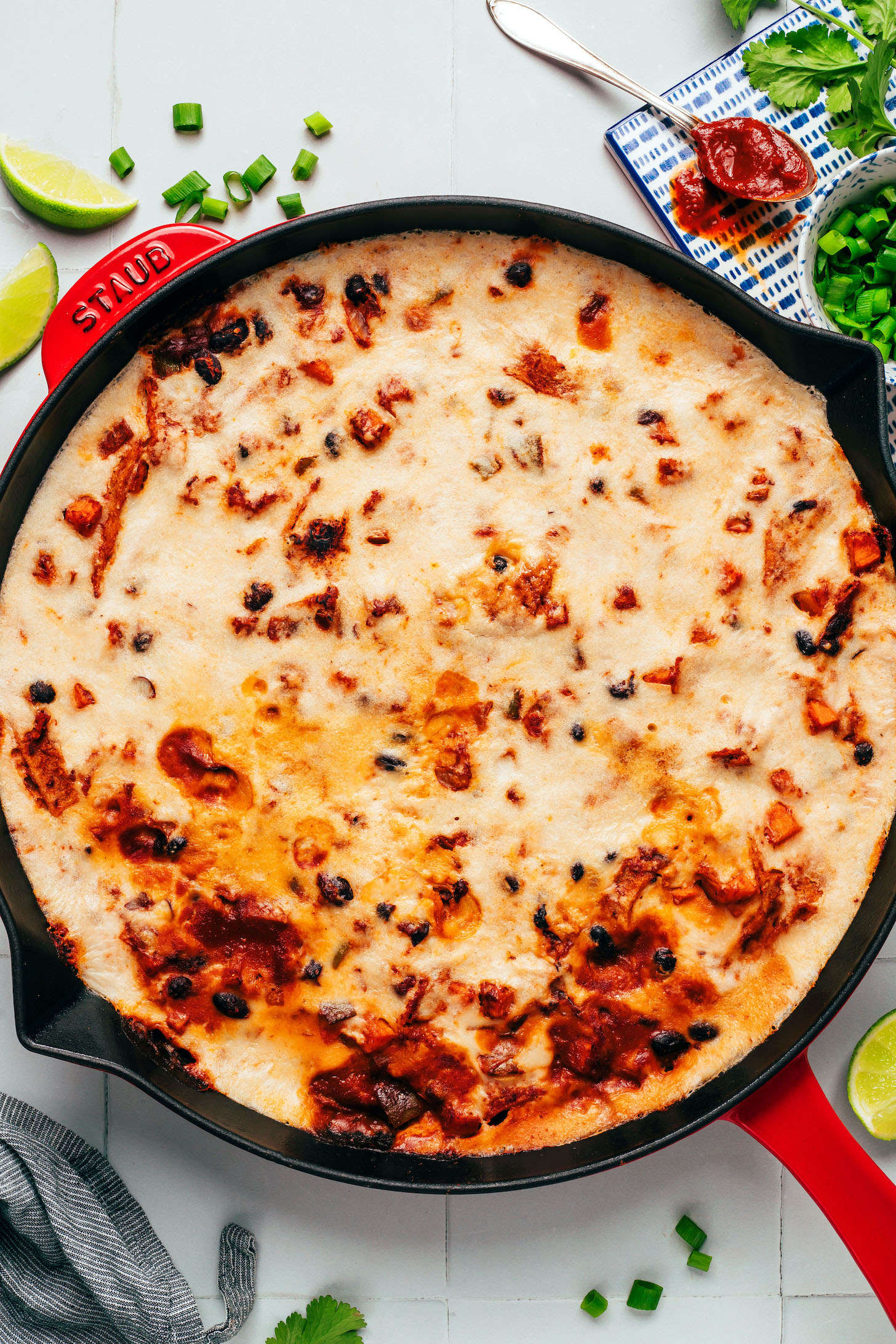
- The "Cheese": The defining feature is a proprietary cashew-based sauce. By blending raw cashews, lime juice, garlic, and tapioca starch, creators can achieve a "melty" consistency that mimics dairy-based cheese when heated.
Chronology: From Ancient Roots to Modern Skillet
The history of the enchilada is deeply rooted in Mexican culinary heritage. Historians often trace the concept to the Mayan civilization, which consumed corn tortillas rolled around small fish. The evolution continued through the centuries, with the first written recipe for the modern enchilada appearing in the 1831 cookbook El Cocinero mexicano.
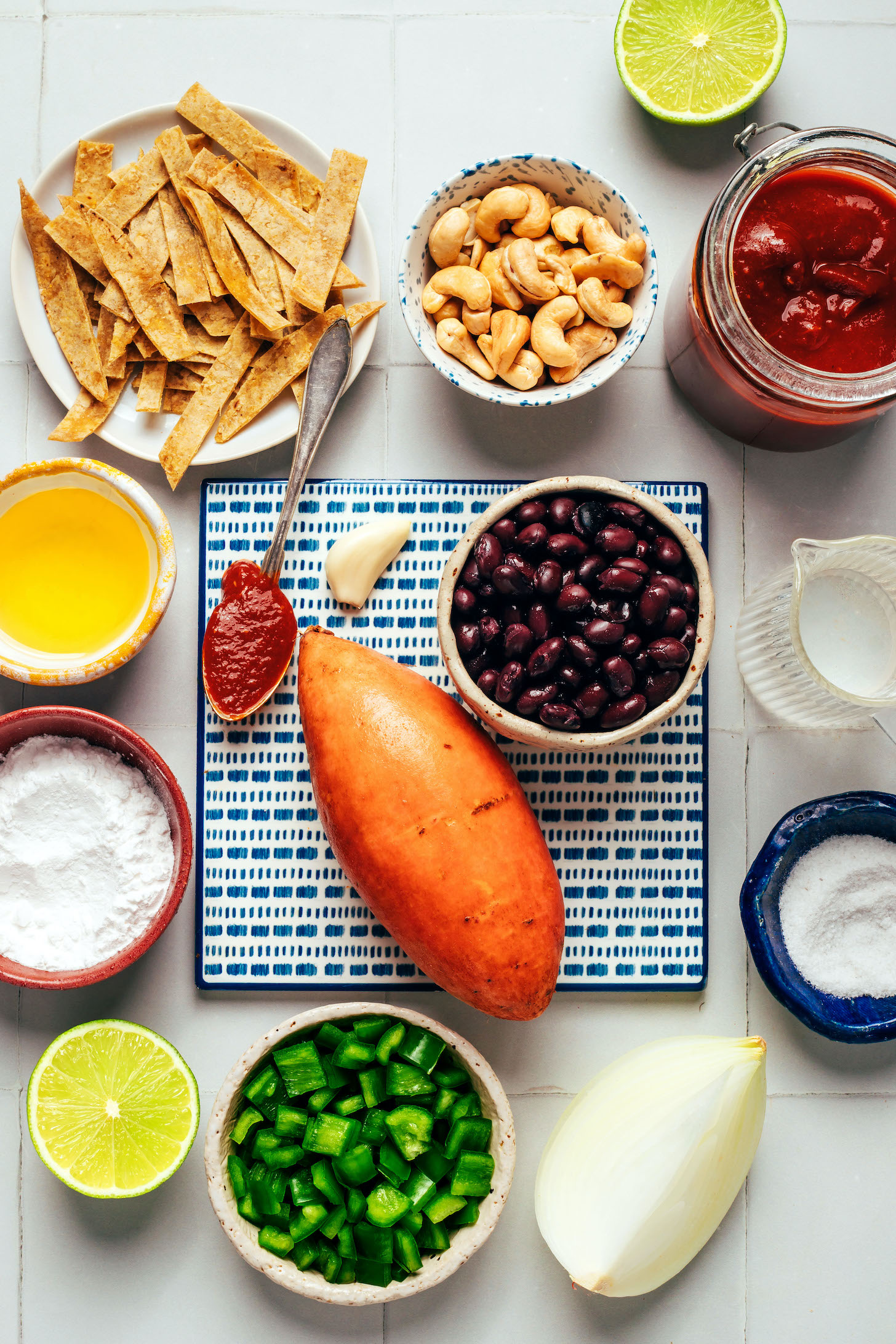
While the traditional format involves stuffing and baking individual portions, the current "skillet" movement represents a significant pivot toward what food scientists and chefs call "deconstructed convenience."
- 1831: The first formal documentation of the enchilada appears in El Cocinero mexicano.
- Early 2000s: The rise of "one-pot" cooking methodology gains traction as a solution for time-poor households.
- 2020s: Advances in plant-based dairy alternatives—specifically cashew-based sauces—allow for a more authentic mouthfeel in vegan cooking.
- 2026: The popularity of the "Cheesy Vegan Enchilada Skillet" peaks as a viral solution for weeknight meal planning, prioritizing high fiber and protein content without sacrificing the comfort-food aesthetic.
Supporting Data: Nutrition and Efficiency
The appeal of this dish is not merely aesthetic; it is supported by robust nutritional metrics that cater to modern health-conscious consumers. A single serving contains approximately 416 calories, offering a balanced macronutrient profile that makes it a viable entrée for a main meal.
Nutritional Breakdown (Per Serving)
| Metric | Value |
|---|---|
| Protein | 13.6g |
| Fiber | 14.3g |
| Carbohydrates | 68.2g |
| Fat | 12.2g |
| Sodium | 940mg |
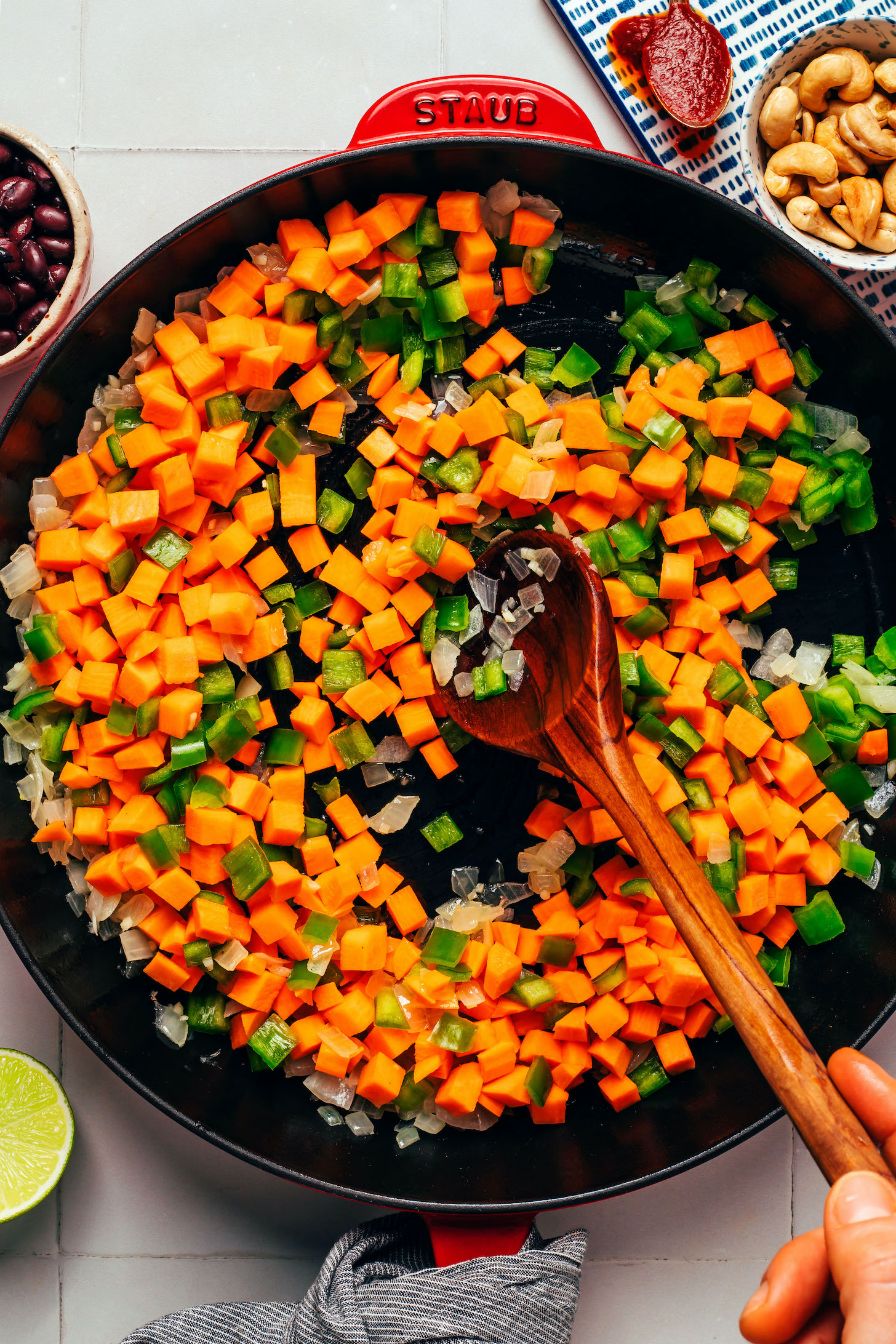
The high fiber content—14.3 grams per serving—is largely attributed to the synergy between the black beans, sweet potatoes, and corn tortillas. Furthermore, the inclusion of iron (4.9mg) and vitamin A (5342 IU) underscores the nutritional density of the plant-based ingredients. The efficiency of the 30-minute window is enabled by the small-dice technique for the root vegetables (1/4 to 1/2 inch cubes), which ensures that the starch cooks evenly and absorbs the red enchilada sauce within the allotted time.
Official Perspectives: The Role of Culinary Adaptation
Professional chefs and home-cooking advocates suggest that the success of the enchilada skillet lies in its "inspired-by" nature. Rather than claiming to be a traditional, authentic enchilada, the dish identifies as a creative adaptation.
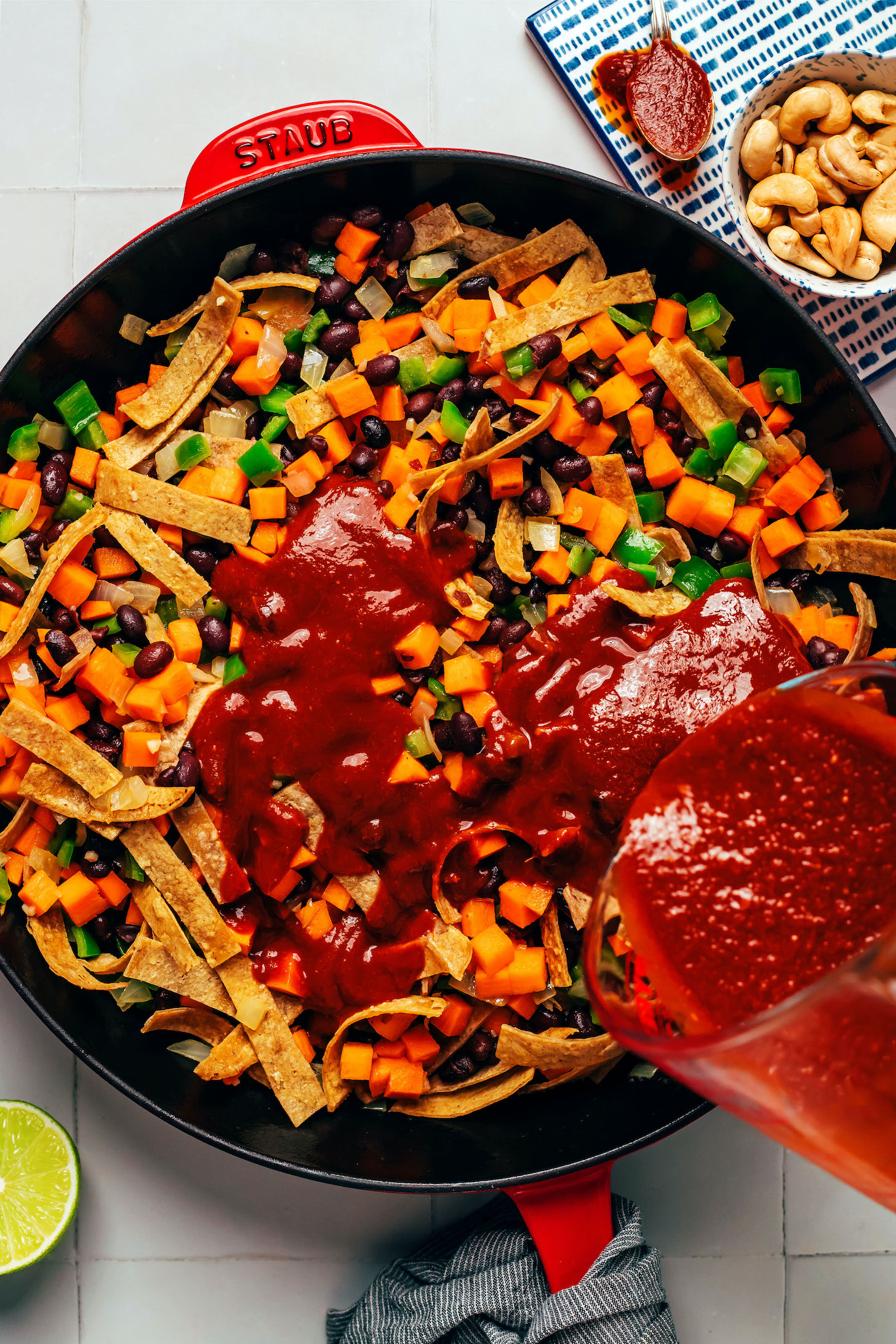
"The transition from roll-and-bake to stir-and-simmer is a response to the changing demands of the home kitchen," says one industry analyst. "Consumers today want the flavor profiles they grew up with, but they lack the two-hour block of time required to assemble traditional casseroles."
Furthermore, the adaptability of the recipe is a major selling point. When poblano peppers are unavailable, green bell peppers serve as an adequate substitute. For those seeking a fall-themed variant, kabocha squash or butternut squash are recommended alternatives to the standard sweet potato. This versatility allows the recipe to remain relevant across different seasons and supply chain fluctuations.
Implications for the Plant-Based Movement
The implications of this recipe extend beyond the dinner table. As the plant-based sector continues to grow, the ability to create "melty" textures using whole-food ingredients like cashews and tapioca starch is pivotal.
1. Sustainability and Resource Management
By utilizing a one-pan method, home cooks reduce water usage and the energy required for cleaning multiple kitchen implements. The reliance on beans and root vegetables also aligns with lower-carbon dietary choices, as these crops require significantly fewer resources to produce than animal-based proteins.
2. The Normalization of Vegan Dairy
The cashew "cheese" sauce serves as a bridge for non-vegan consumers. Because the sauce provides a satisfying, creamy texture that mimics traditional melted cheese, it helps to normalize the inclusion of vegan options in family meals. This "stealth health" approach—where the flavor and experience of the meal remain familiar—is widely cited as the most effective strategy for encouraging wider adoption of plant-forward diets.
3. Scalability and Meal Planning
For families, the dish is inherently scalable. The ability to prepare the meal in 30 minutes makes it an ideal candidate for "batch cooking." Because the dish is freezer-friendly for up to one month, it provides a viable alternative to ultra-processed convenience foods.
Conclusion: A New Standard for Home Cooking
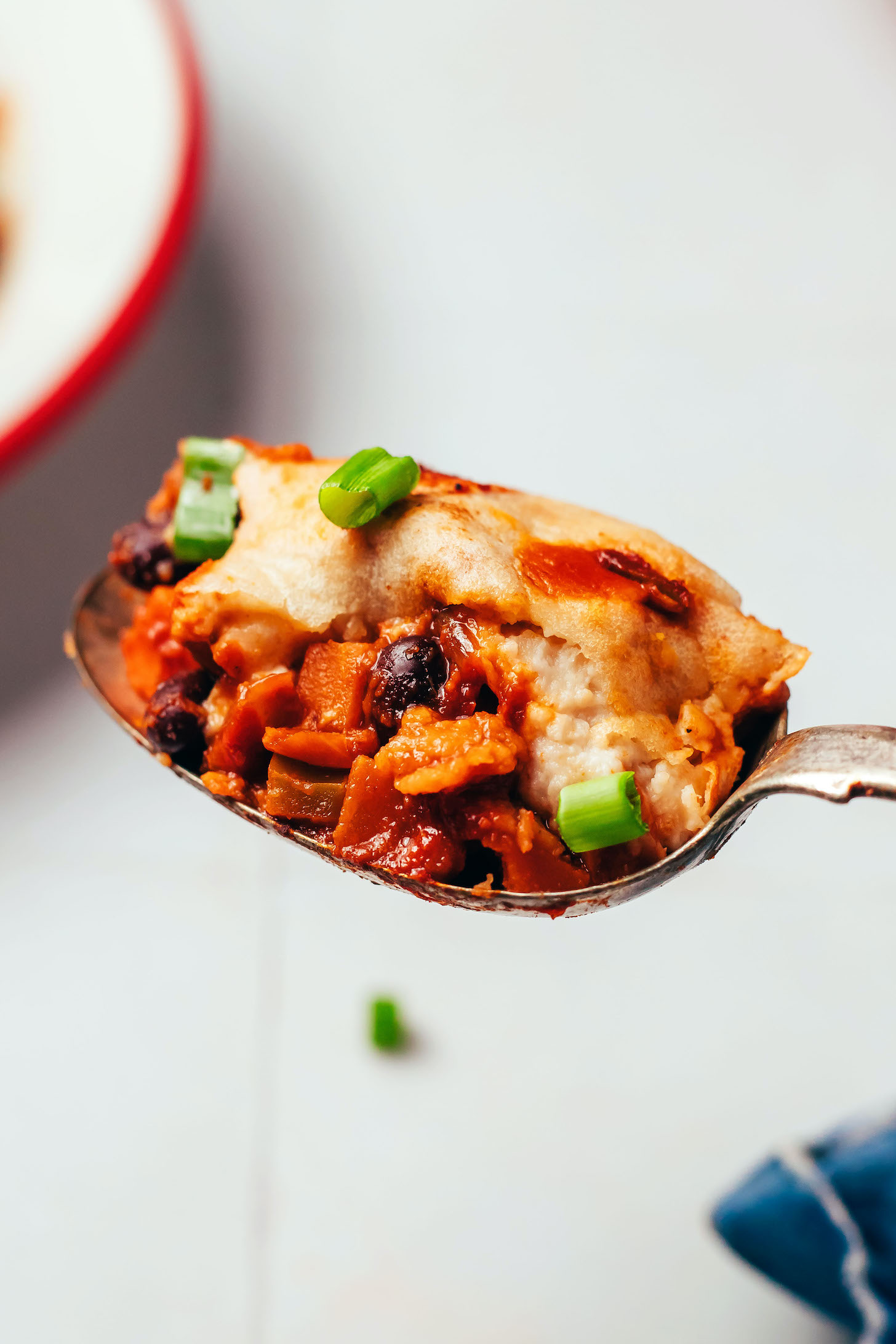
The Cheesy Vegan Enchilada Skillet is more than just a quick meal; it is a testament to the evolution of the modern kitchen. By merging the historical significance of the enchilada with contemporary, plant-based techniques and a focus on operational efficiency, this dish provides a blueprint for how home cooks can prioritize health without sacrificing the culinary joy of a warm, comforting dinner.
As food trends continue to favor simplicity and sustainability, it is highly likely that the "skillet" format will remain a staple in household repertoires. Whether you are a dedicated vegan or simply a busy professional looking to streamline your cooking process, the synthesis of black beans, seasonal squash, and the signature cashew-based "cheese" offers a compelling, flavorful, and profoundly efficient solution to the daily question: "What’s for dinner?"