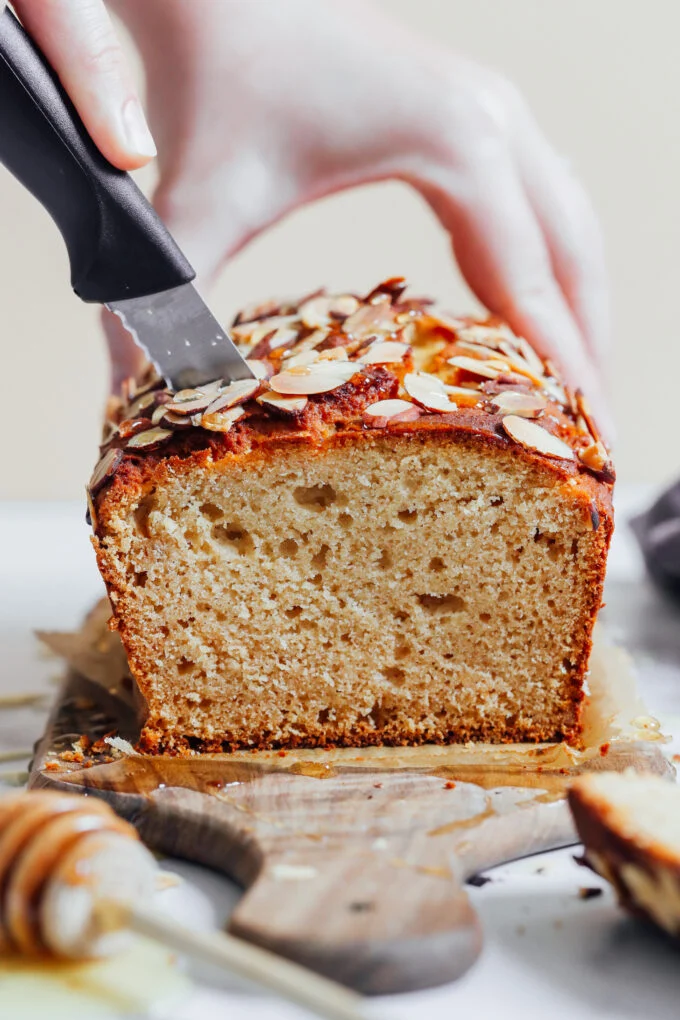
In the modern culinary landscape, the intersection of health-conscious living and convenience has become the gold standard for home bakers. As dietary restrictions—particularly gluten and dairy sensitivities—continue to rise, the challenge for home cooks has been to create desserts that maintain the texture and flavor profile of traditional, flour-based cakes. Enter the “1-Bowl Honey Almond Snack Cake,” a recipe that has recently captivated the internet for its simplicity, nutritional accessibility, and professional-grade results.
This article explores the mechanics of this viral baking success, examining why it has become a staple for both brunch enthusiasts and those seeking a quick, refined afternoon treat.
Main Facts: The Anatomy of a Modern Classic
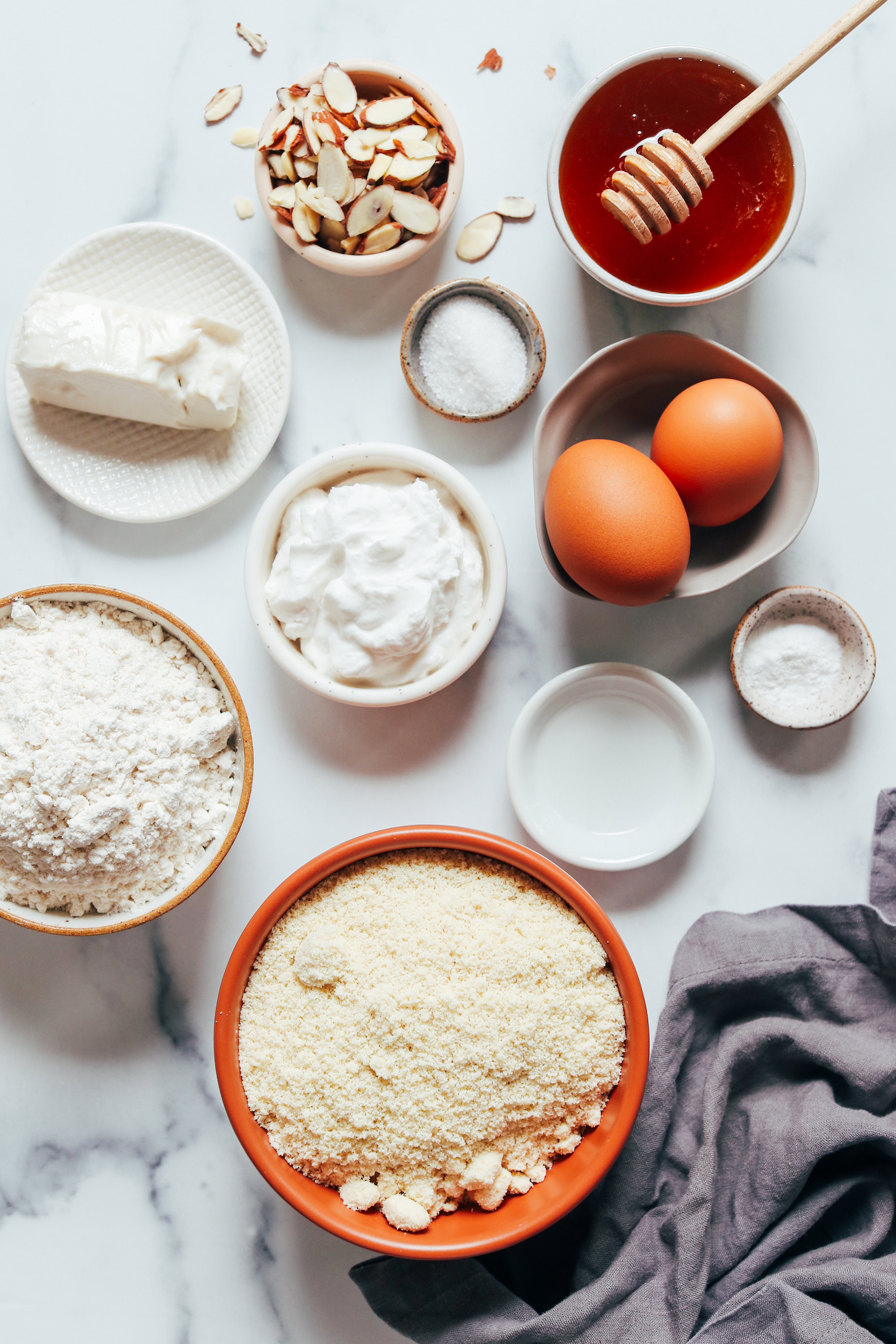
The 1-Bowl Honey Almond Snack Cake is defined by its commitment to "minimalist" principles—a philosophy centered on reducing complexity without sacrificing quality. At its core, the recipe relies on just ten essential ingredients. This streamlined approach eliminates the need for electric mixers, elaborate equipment, or a pantry stocked with niche additives.
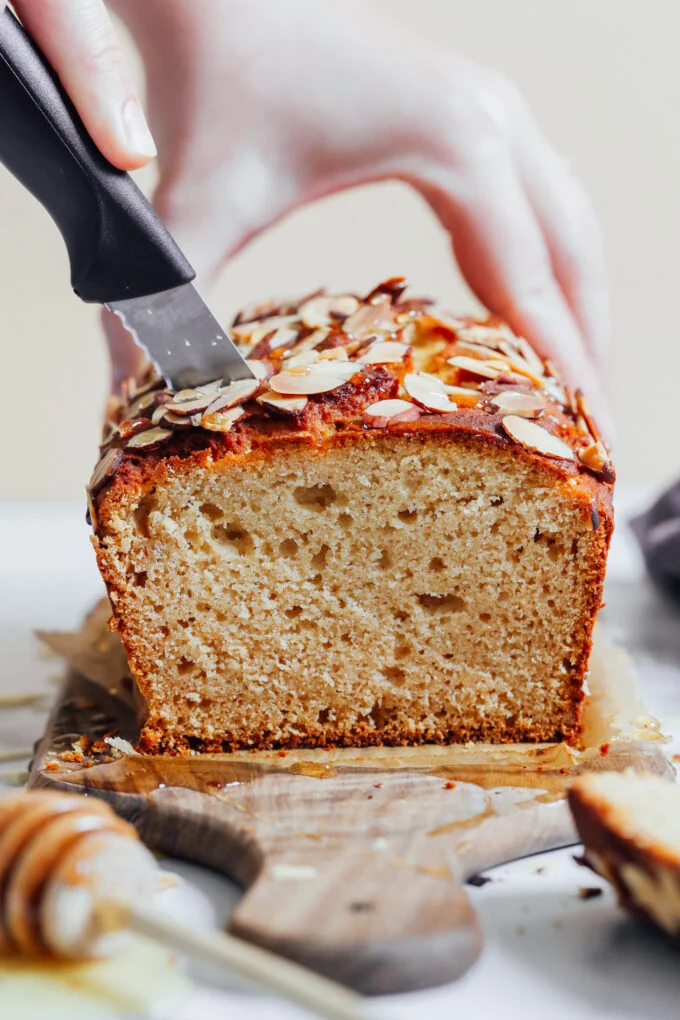
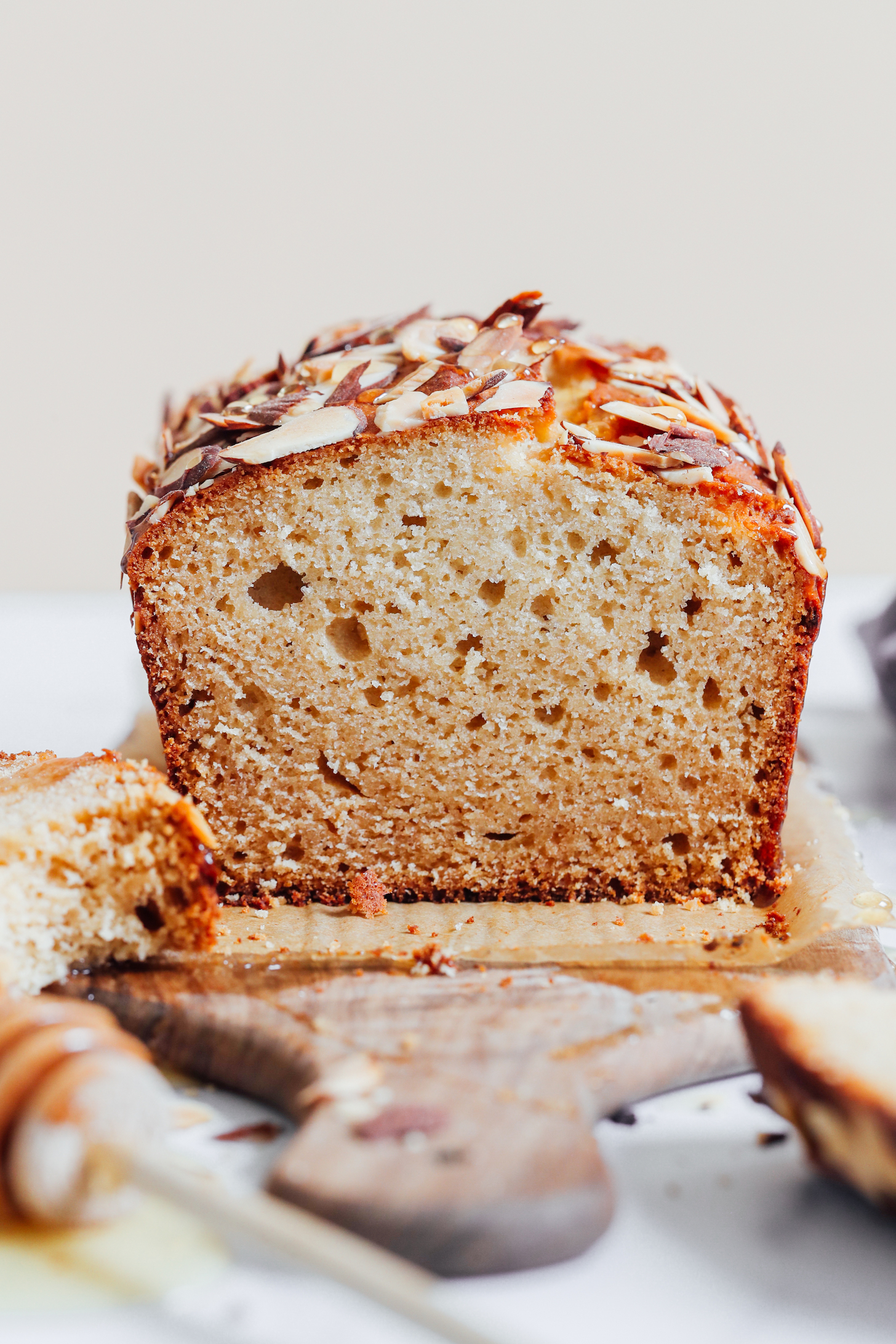
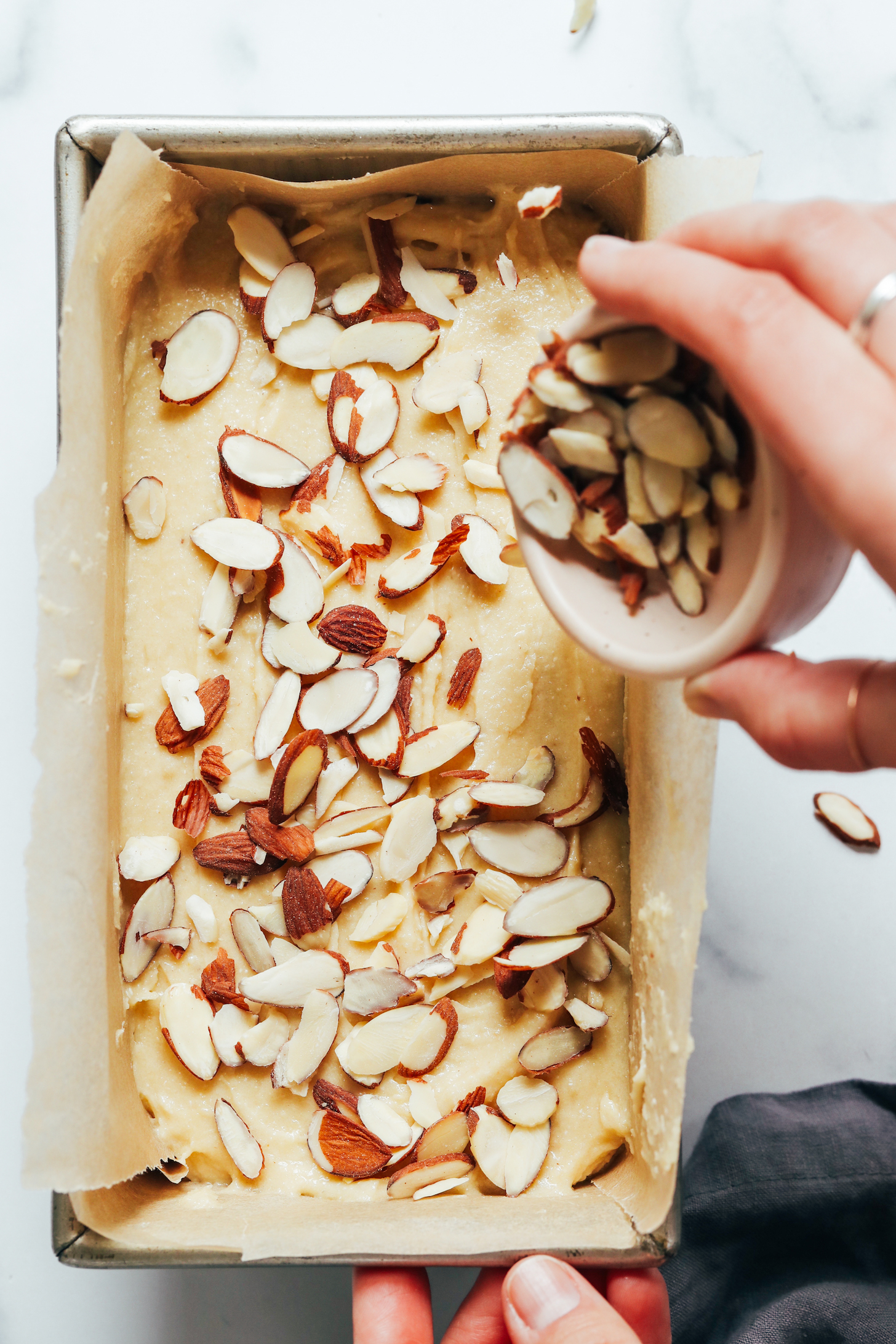
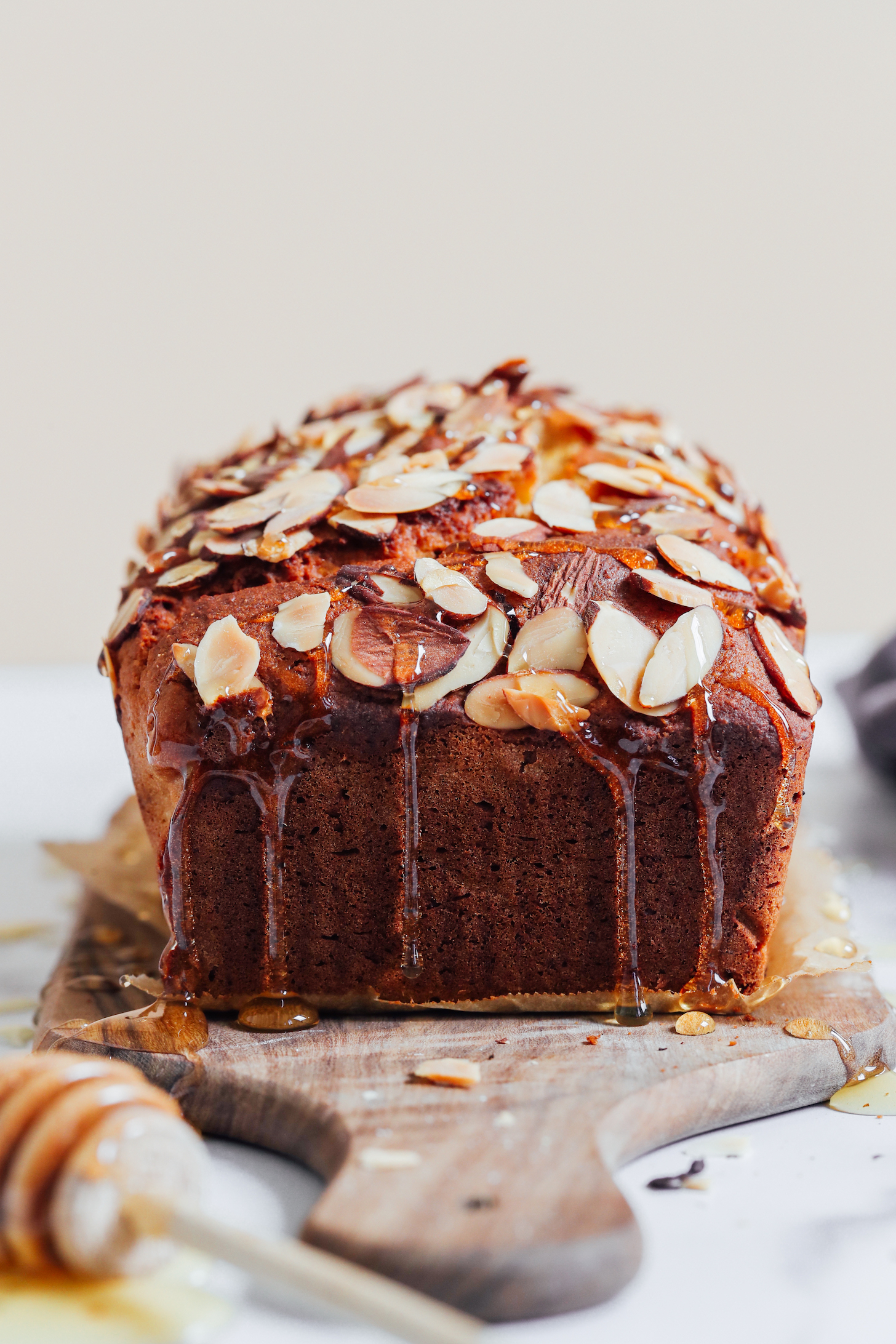
The cake is intentionally engineered to be gluten-free and dairy-free, utilizing a combination of almond flour and a specialized gluten-free flour blend. The result is a structure that is remarkably sponge-like, offering a delicate crumb that rivals traditional sponge cakes. The flavor profile is characterized by a subtle, floral sweetness derived from honey, enhanced by the nutty, earthy undertones of almond extract and sliced almond garnishes.
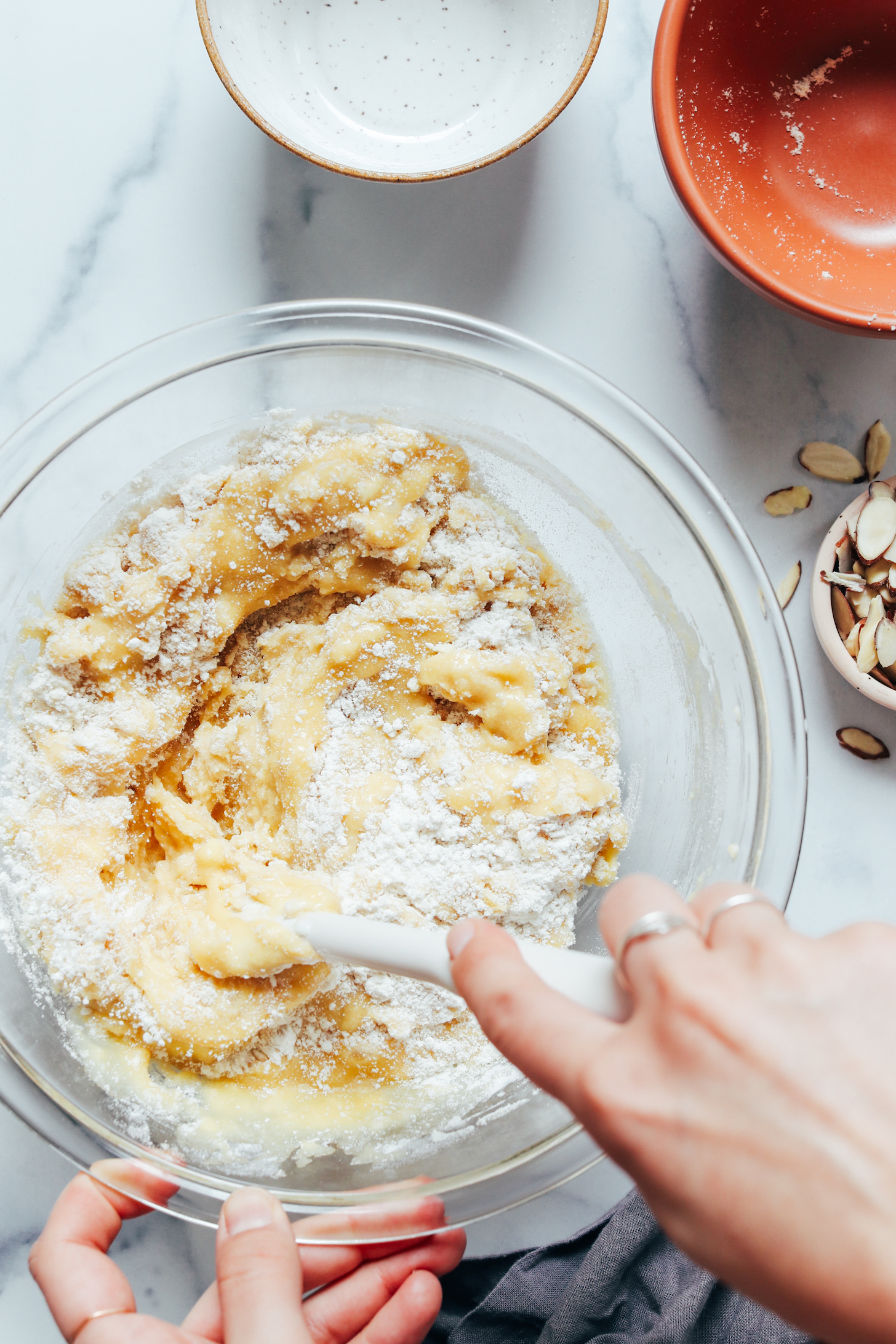
Perhaps the most compelling factor in its widespread appeal is the "1-bowl" requirement. By carefully sequencing the addition of wet and dry ingredients, the recipe avoids the need for multiple vessels, significantly reducing cleanup time. This efficiency makes it an ideal candidate for casual snacking, tea-time service, or last-minute hosting.
Chronology: From Concept to Kitchen Countertop
The development of such a recipe is rarely an accident; it is the result of iterative testing. The chronology of the Honey Almond Snack Cake mirrors the shift in professional test-kitchen standards toward "clean label" baking.
The Formulation Phase
The recipe began with the objective of creating a dessert that would not be "detectably" gluten-free. Many gluten-free recipes suffer from either a gritty texture or an overly dense crumb. By utilizing high-quality almond flour—which provides natural fat and moisture—and balancing it with a structural gluten-free blend, developers were able to mimic the protein-to-starch ratios found in traditional wheat-based recipes.
The Testing and Refinement
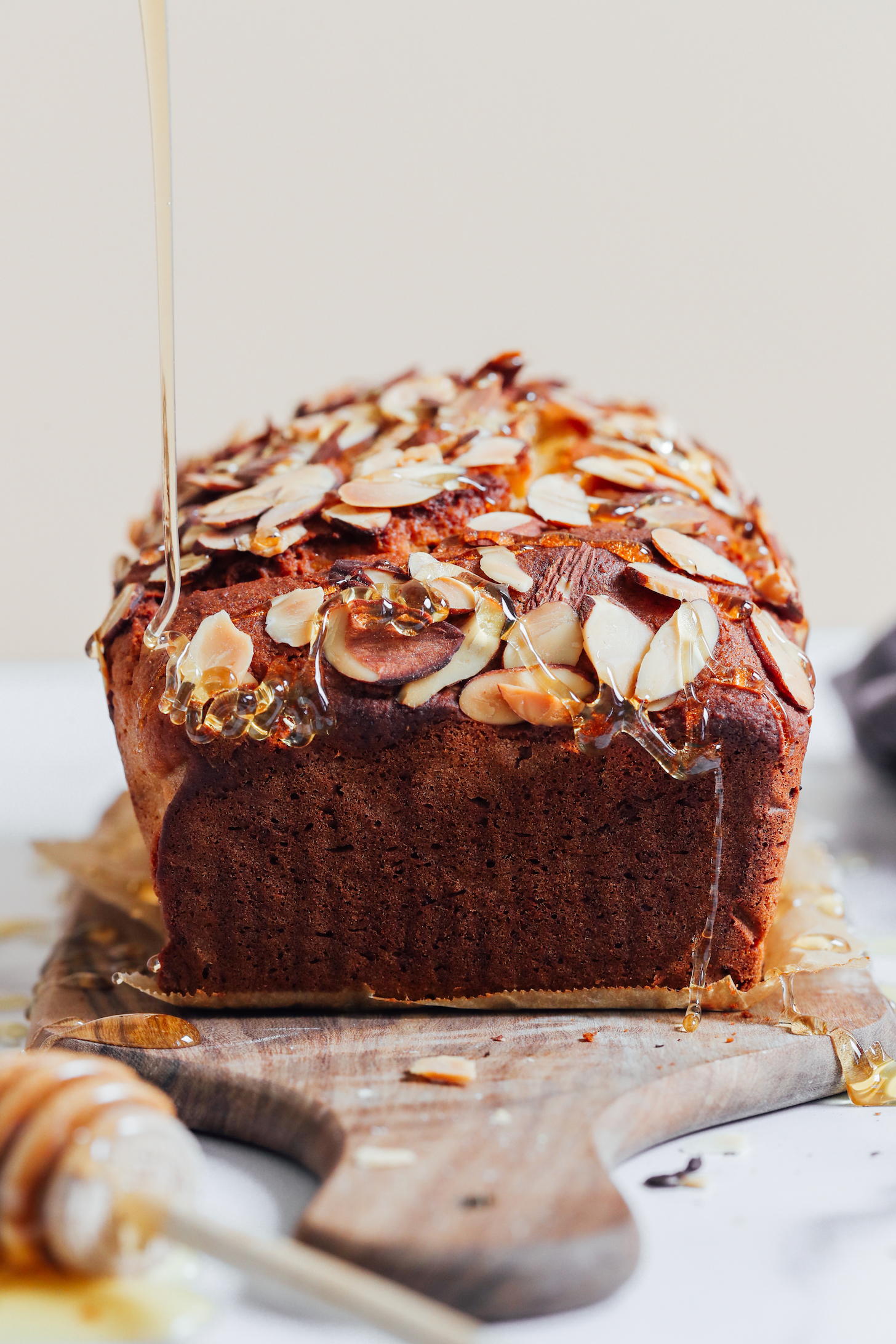
Over several months, the recipe was stress-tested in various environments. The transition from a standard loaf pan to potential round pans was a critical development point, allowing users to customize the baking time based on their specific equipment. The final step involved the addition of a honey drizzle post-bake, which acts not only as a visual aesthetic upgrade but also as a moisture sealant, keeping the cake fresh for several days.
The Digital Release
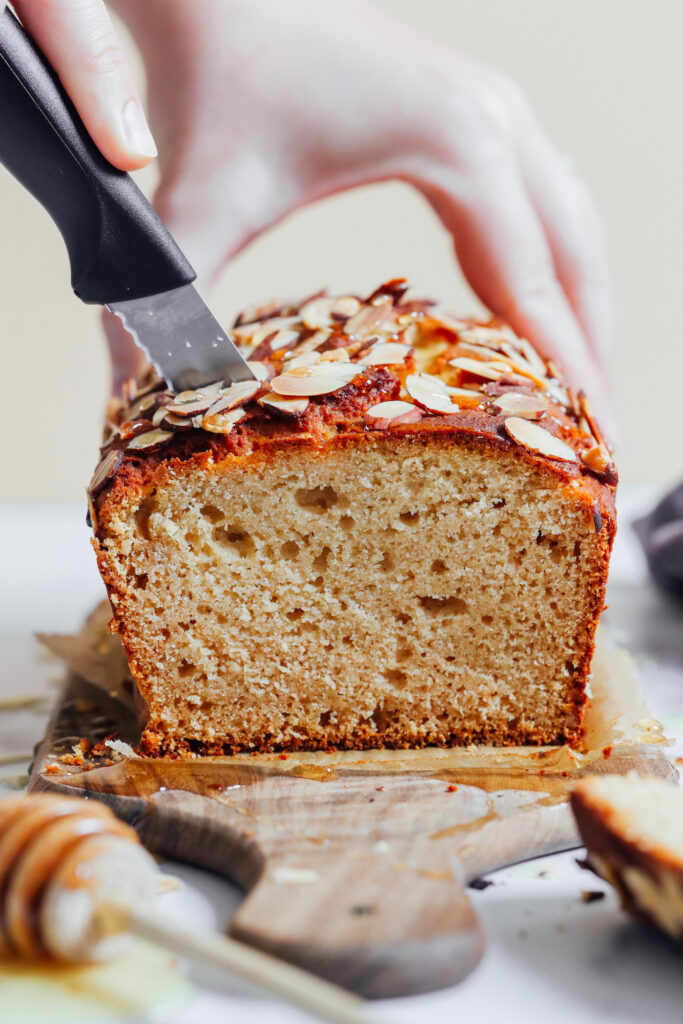
Upon its release, the recipe gained traction through social media channels, where its "1-bowl" promise acted as a hook for busy professionals and parents. The visual documentation—showcasing the golden, almond-topped crust and the tender inner crumb—served as the final catalyst for its viral spread.
Supporting Data: Nutritional and Practical Metrics
To understand the success of this cake, one must look at the data behind the serving. The recipe is designed to yield 12 slices, making it a sustainable option for meal-prepping or weekly snacking.
- Prep Time: 10 minutes
- Cook Time: 45 minutes
- Total Time: 55 minutes
- Storage Longevity: 3–4 days at room temperature; up to 1 month in the freezer.
From a nutritional standpoint, each slice provides approximately 245 calories. While it is a dessert, the inclusion of almond flour introduces healthy fats and a modest amount of protein (3.7g per slice) that is absent in refined flour alternatives. The sugar content, primarily derived from honey, sits at 17.9g per serving, offering a more nuanced glycemic response than traditional granulated white sugar.
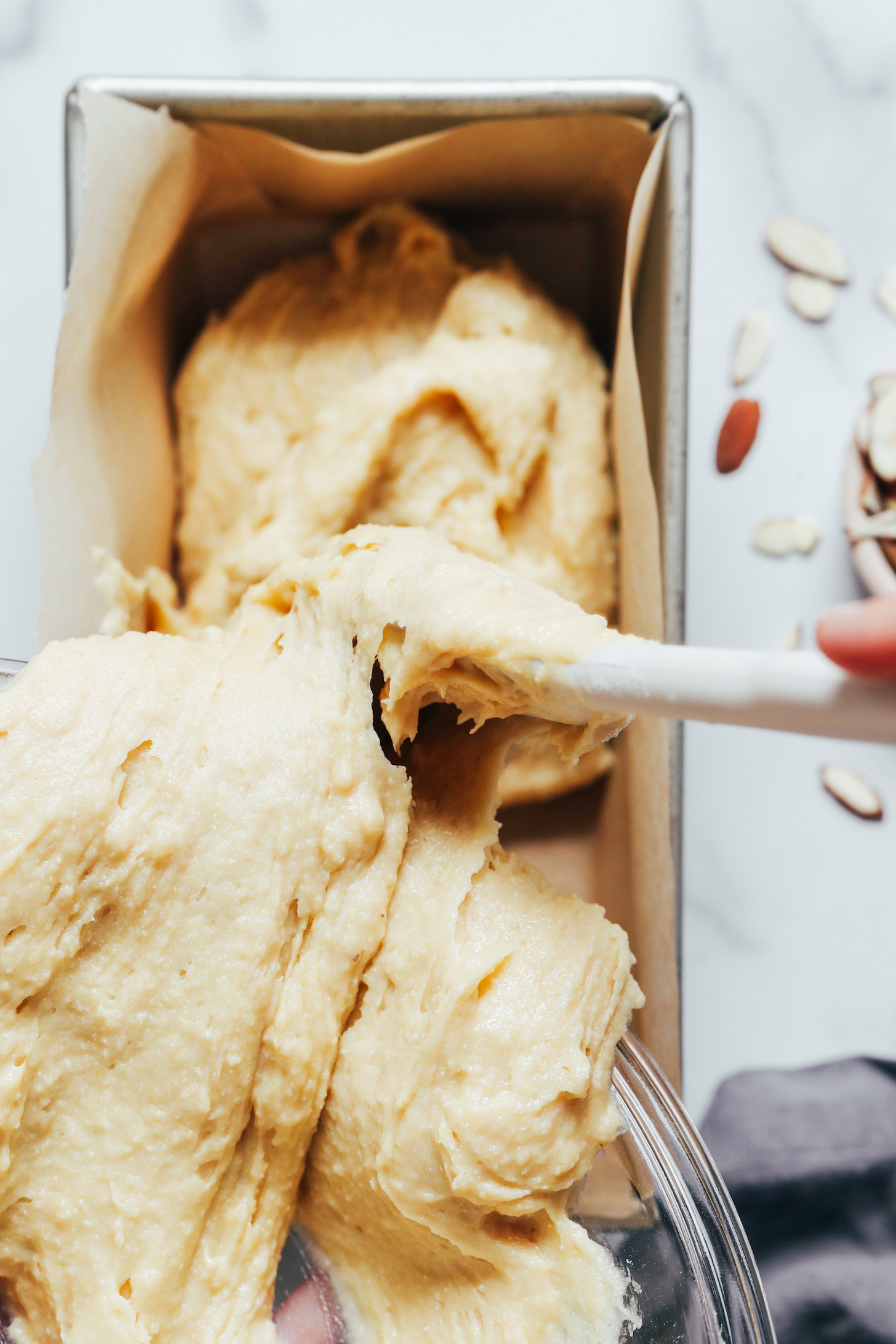
The technical specifications for the bake require a parchment-lined loaf pan. This is not merely a suggestion; it is a structural necessity for gluten-free baking, as these cakes lack the elastic gluten networks that allow traditional cakes to "release" from pans with ease.
Expert Insights and Official Recommendations
For those attempting this recipe, the developers provide several "pro-tips" to ensure consistency. The most significant guidance involves the "1:1" gluten-free flour blend. While the original recipe was tested with specific proprietary blends, it is designed to be compatible with industry-standard, high-quality gluten-free baking flours, such as Bob’s Red Mill 1:1.
Troubleshooting and Substitutions
- Egg-Free Alternatives: For those with egg allergies, the recipe suggests substituting eggs with 5 tablespoons of applesauce or aquafaba. While these modifications have been suggested based on chemical similarities, the developers note that these variations are experimental and encourage feedback from the community.
- The "Pour-Over" Pairing: The culinary team emphasizes the importance of the environment in which the cake is served. They explicitly suggest pairing the cake with beverages that complement its floral notes, such as Earl Grey tea, Jasmine-infused iced tea, or a Dandelion tea latte. This holistic approach—treating the snack as part of a ritual rather than just a sugar fix—elevates the user experience.
Implications: The Future of Home Baking
The popularity of this 1-bowl snack cake has significant implications for the broader food industry. It signals a departure from the "complicated" baking trends of the 2010s, favoring instead a return to simplicity and dietary inclusivity.
Accessibility in the Kitchen
By removing the barrier of complex equipment (like stand mixers), this recipe democratizes the act of baking. It proves that high-quality, professional-tasting desserts do not require culinary school or an expensive appliance suite. This has encouraged a new demographic of home cooks to experiment with gluten-free baking, reducing the stigma that such alternatives are "less than" their traditional counterparts.
The "Snack Cake" Renaissance
The "snack cake" category is seeing a resurgence. As people move away from heavy, multi-layered desserts, the demand for "everyday" cakes—those meant to be eaten with a morning coffee or an afternoon tea—is growing. This shift reflects a move toward more sustainable, mindful consumption.
A Template for Future Innovation
The structure of this recipe—a simple, 1-bowl, 10-ingredient framework—is now being used by the community as a base for further innovation. Readers are already reporting successful variations by adding seasonal fruits, citrus zest, or warming spices like cardamom or cinnamon. The success of this specific recipe has provided a template that others are now using to adapt their own family favorites into gluten-free, dairy-free versions.
Conclusion
The 1-Bowl Honey Almond Snack Cake is more than just a recipe; it is a case study in effective, modern culinary design. By balancing nutritional constraints with the desire for indulgence, it has earned its place in the modern home kitchen. As we look toward the future of baking, it is clear that the most successful recipes will be those that honor the reader’s time, health, and desire for simple, honest ingredients. Whether enjoyed with a quiet cup of tea or shared at a weekend brunch, this cake represents the perfect marriage of form, function, and flavor.