WASHINGTON — In an era dominated by digital notifications, cloud-based applications, and smartphone reminders, a resilient counter-movement continues to thrive on kitchen counters, office desks, and refrigerator doors across the globe: the tangible, handwritten calendar.
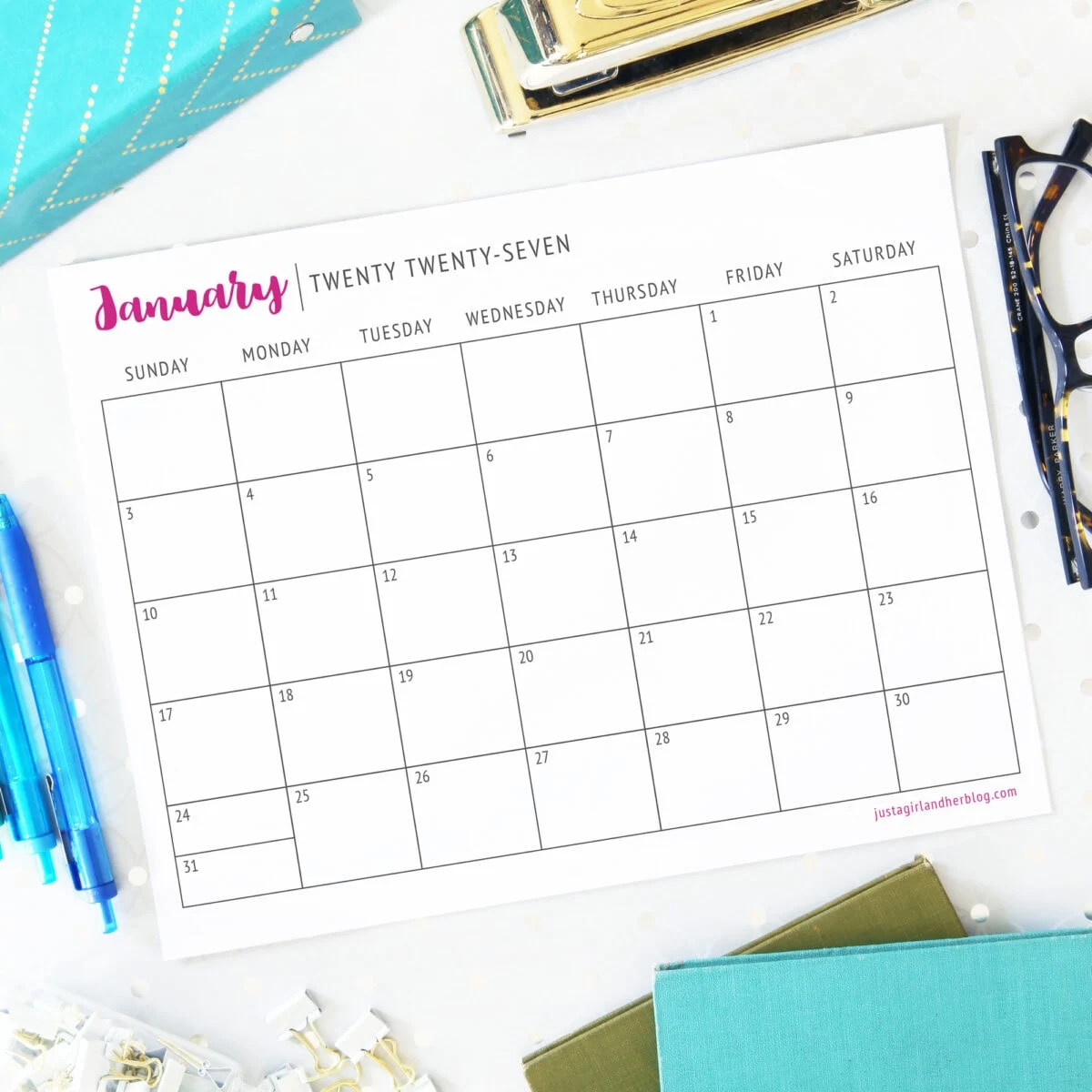
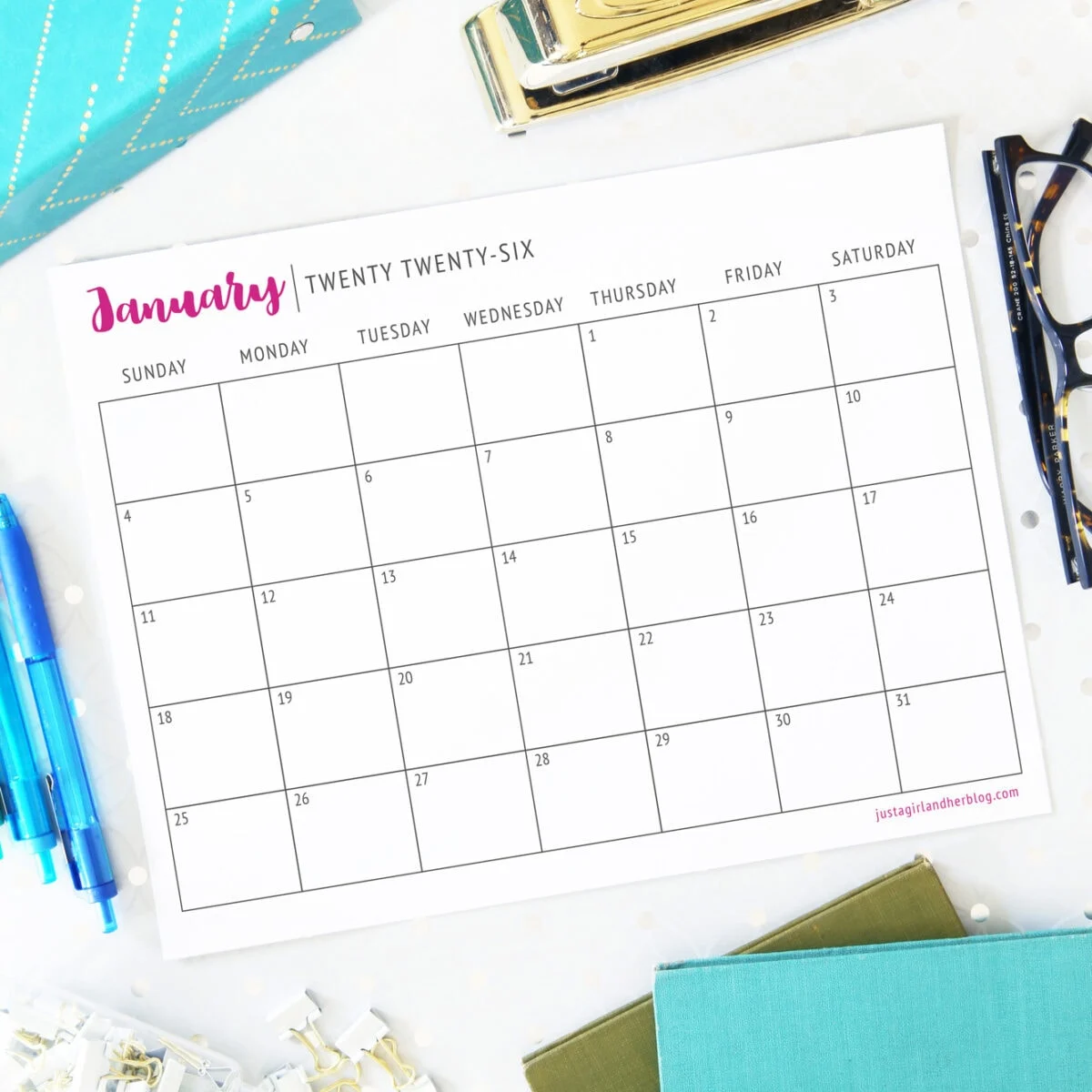
Addressing the surging demand for physical planning tools well in advance of the coming year, organizing and lifestyle resource platform Just a Girl and Her Blog has officially announced the launch of its comprehensive 2027 collection of free printable calendars. The newly released suite aims to cater to diverse organizational preferences, introducing tailored layouts designed for international schedules, binder systems, and long-term goal tracking.
Main Facts: A Diverse Suite for Modern Planners
The newly unveiled collection moves far beyond the traditional, one-size-fits-all approach to calendar design. Responding directly to reader feedback and evolving productivity trends, the platform has rolled out eight distinct variations for 2027, alongside archives for previous years.
Key offerings in the new release include:
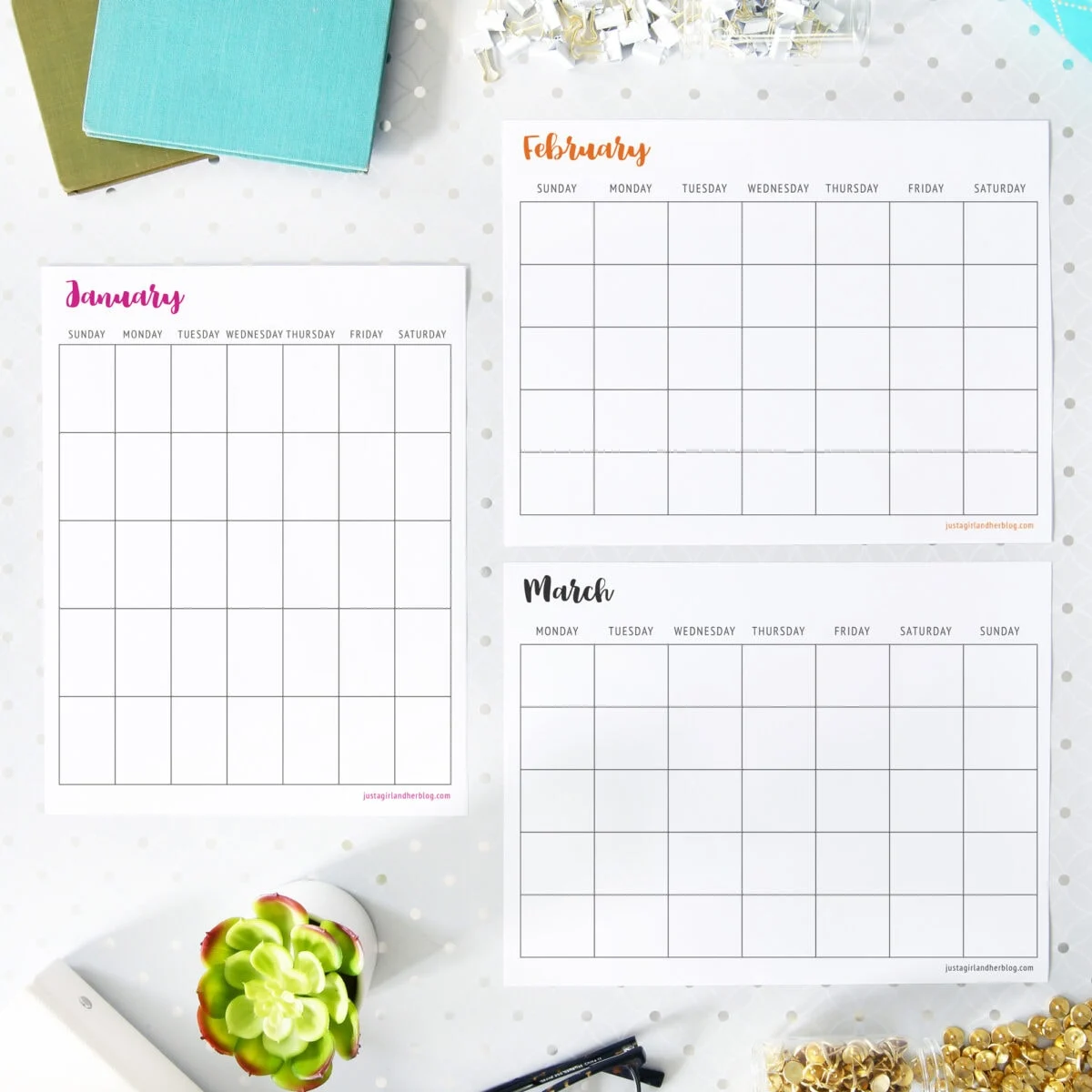
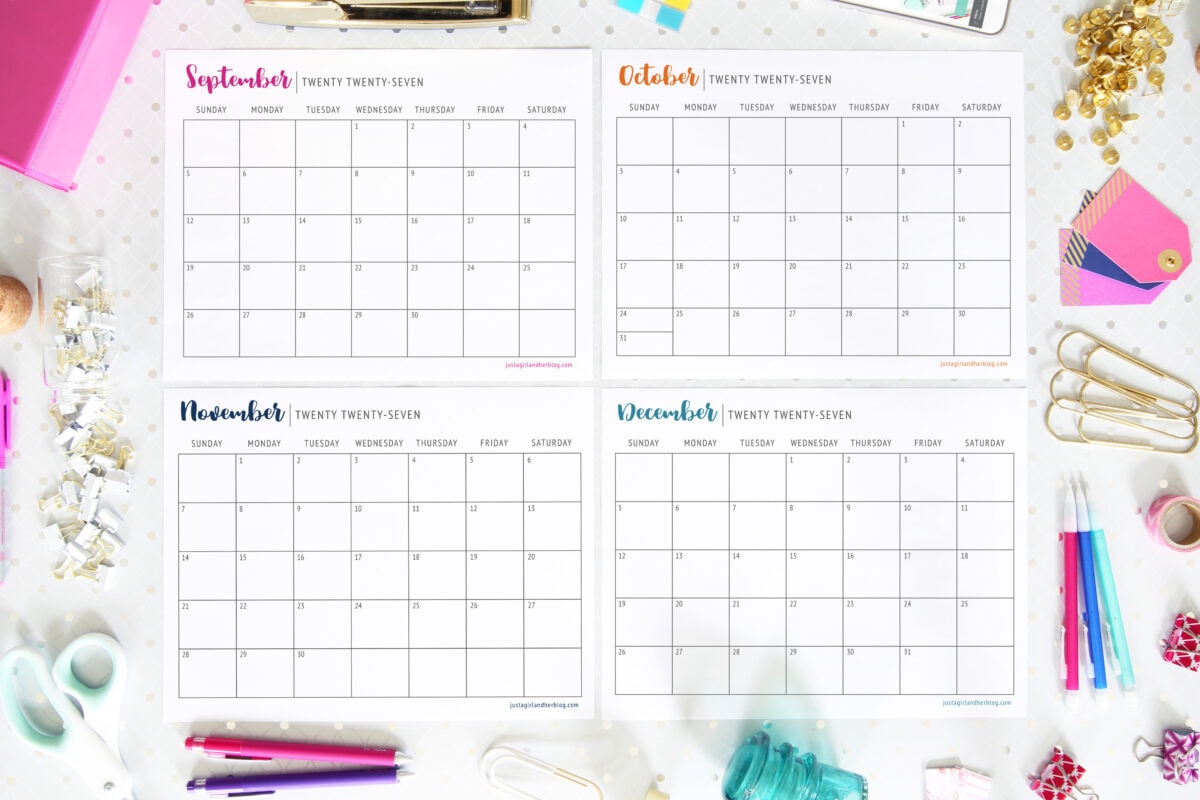
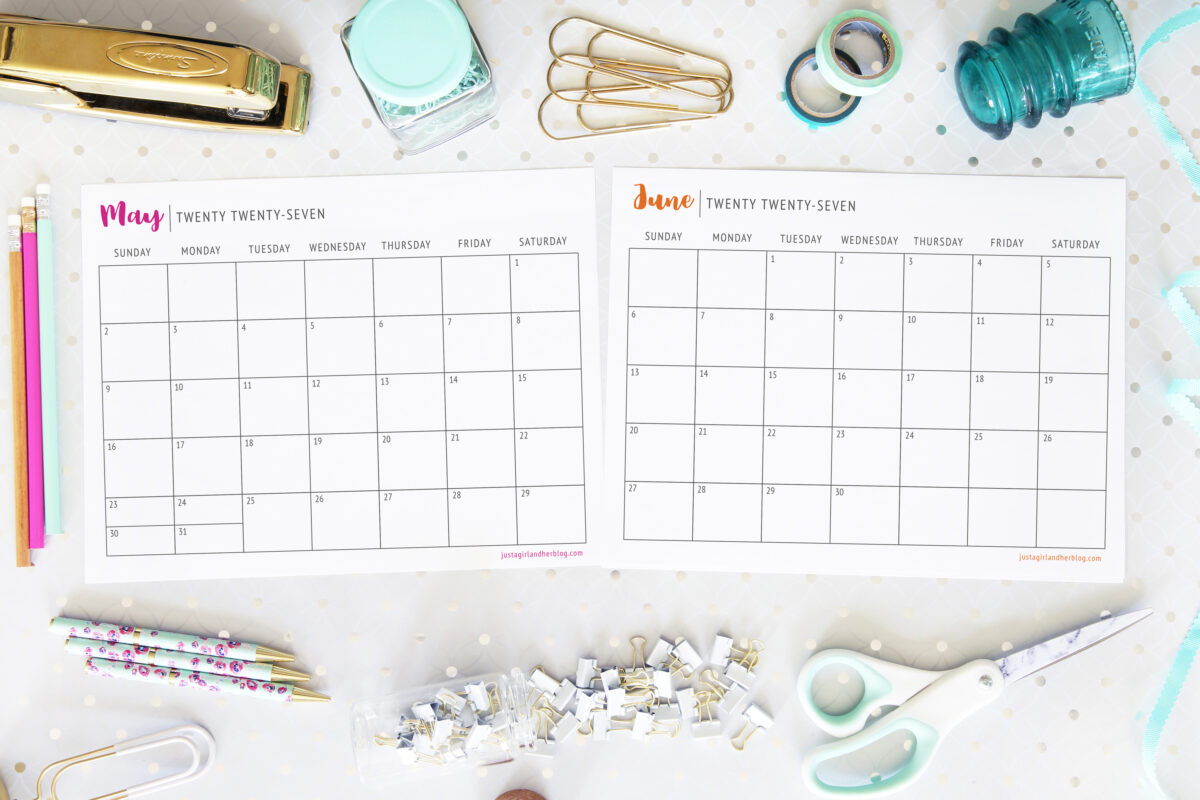
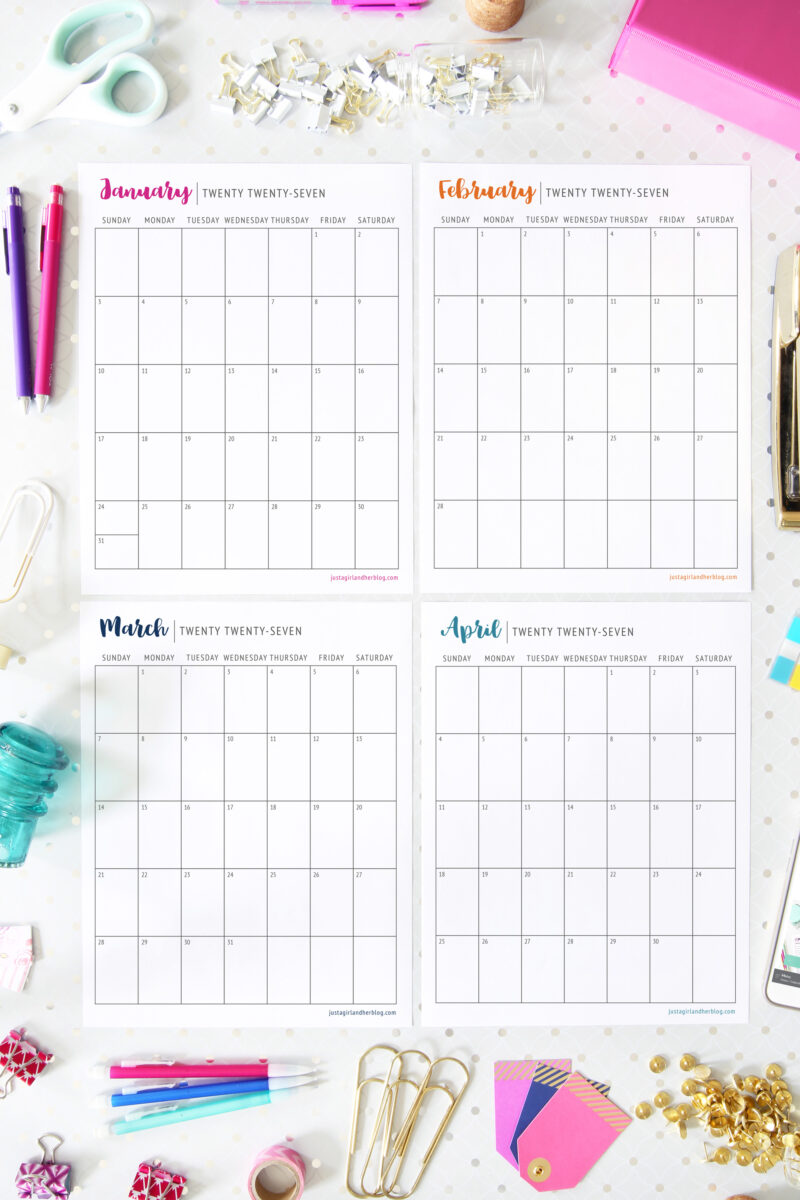
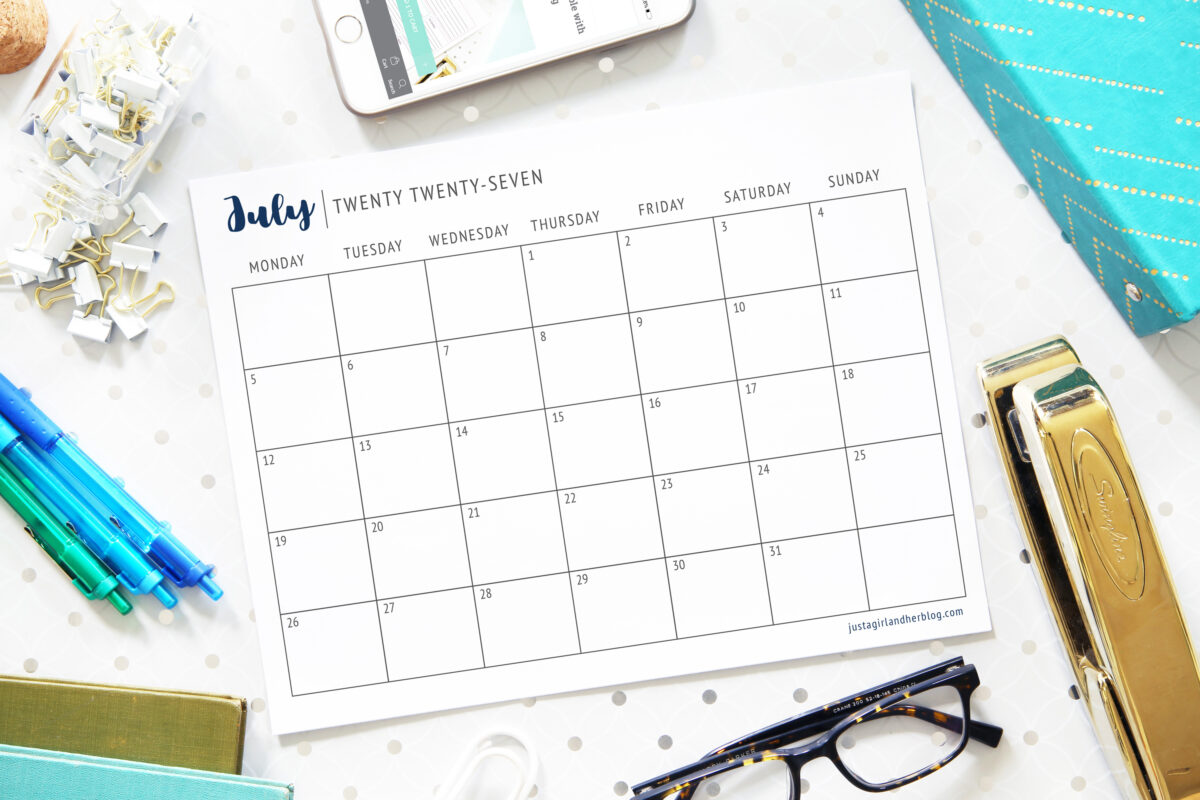
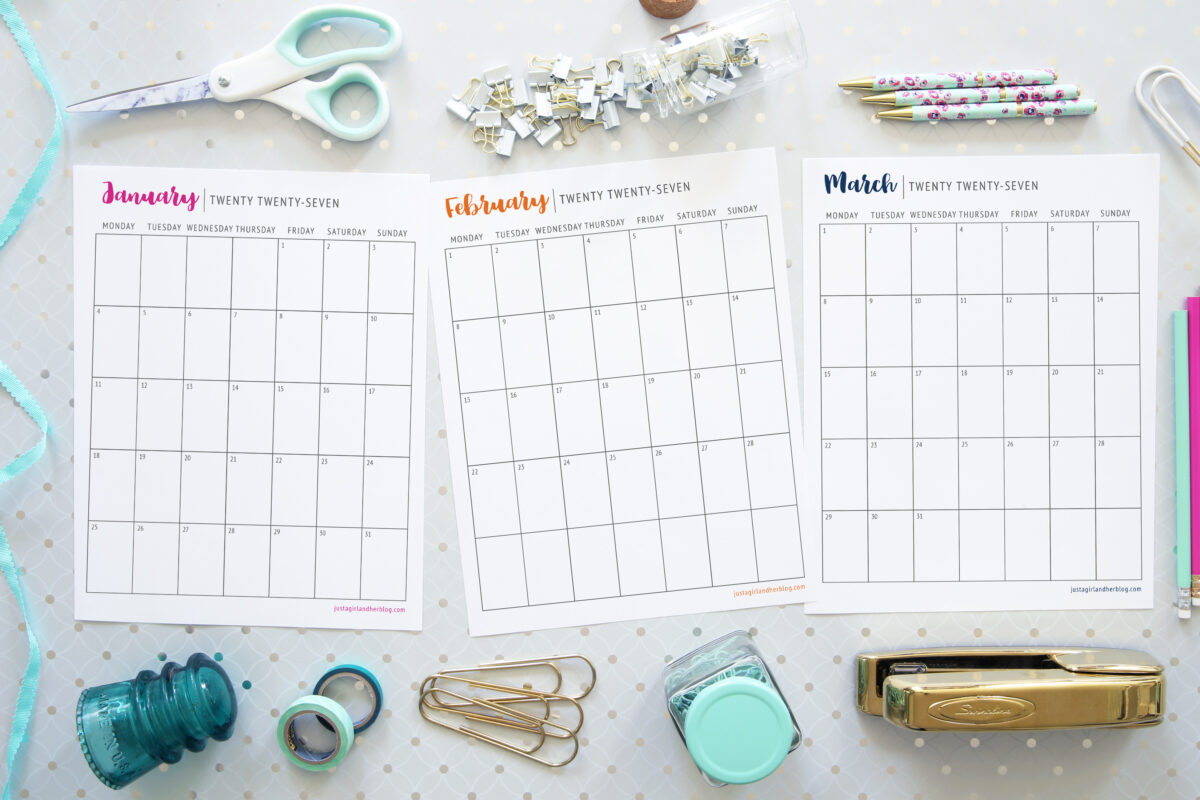
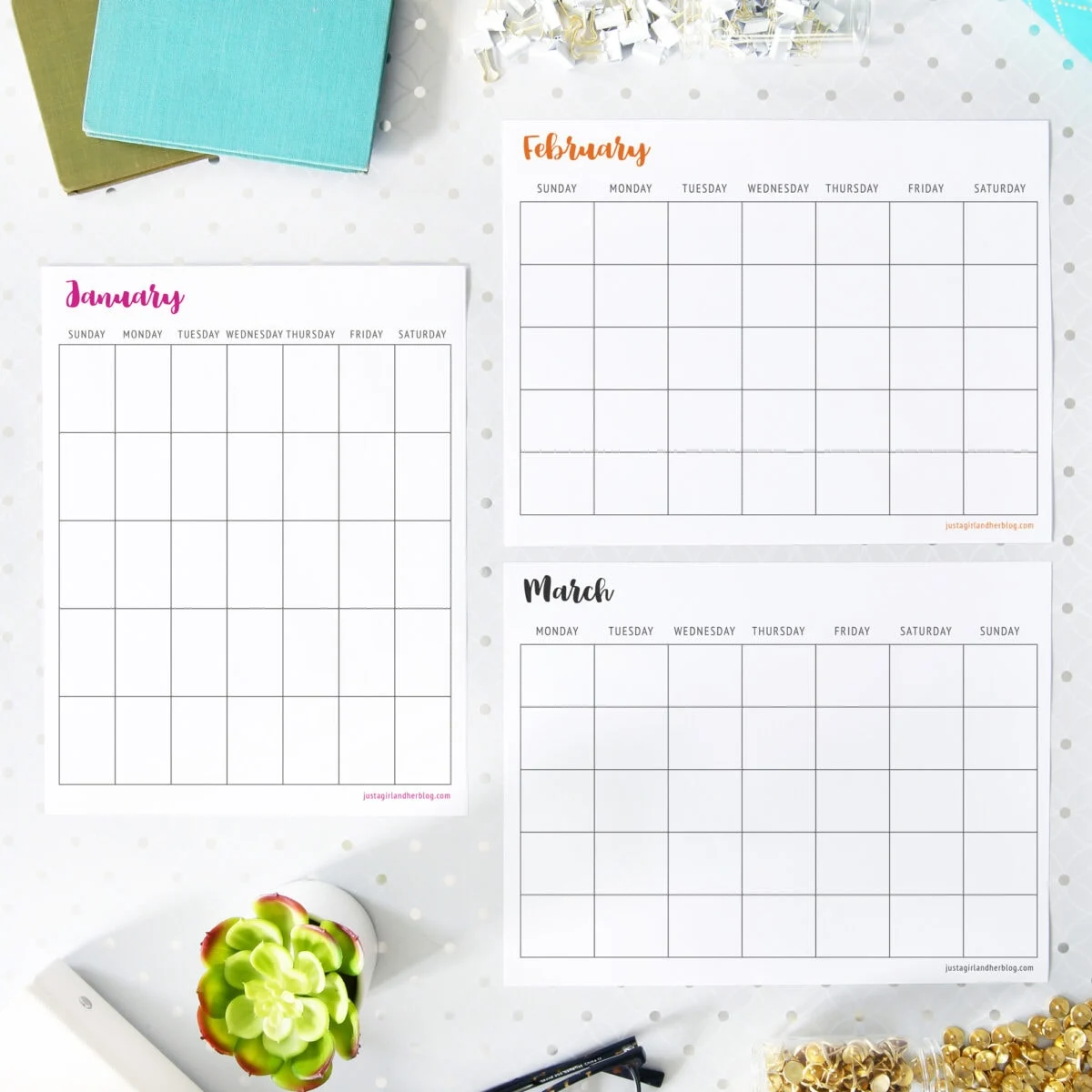
Dated Monthly Calendars (2027): Available in both landscape (horizontal) and portrait (vertical) orientations.
Regional Start-Day Flexibility: Options featuring traditional Sunday starts (widely preferred in the United States) as well as Monday starts (accommodating international standards, academic schedules, and corporate workweeks).
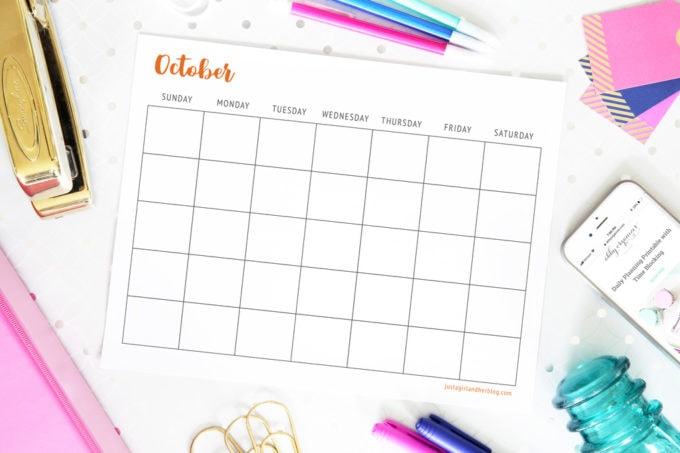
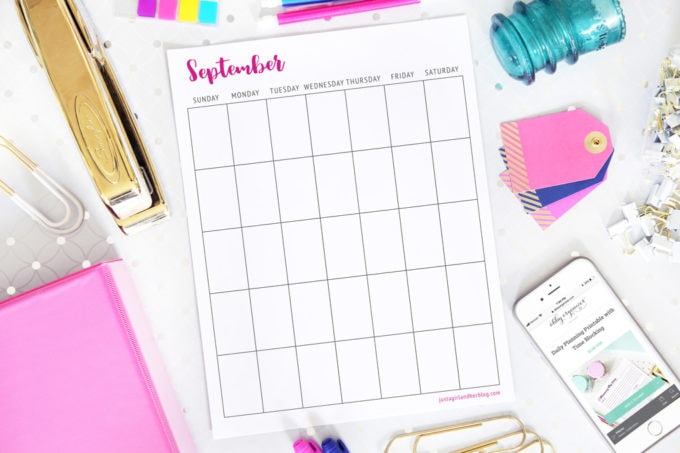
Undated Versions: Blank monthly templates in both orientations and start-day configurations, giving users the freedom to repurpose layouts for any year, custom projects, or specialized tracking systems.
Accessibility: All templates are provided entirely free of charge for personal use, downloadable via direct PDF links.
Chronology: Evolution of the Printable Organizing Movement
The trajectory of printable productivity tools has evolved significantly over the past decade, transforming from simple, static grid pages into fully customizable lifestyle management systems.
Early Digital Planning (2019–2021): Recognizing a gap in the market for clean, minimalist, and aesthetically pleasing stationery, creators began developing foundational templates. Initial iterations focused heavily on basic landscape and portrait layouts, primarily catering to traditional US domestic scheduling habits.
The Global Shift and Reader Feedback (2022–2025): As the digital audience expanded internationally, creators noted a distinct rise in requests for alternative formats. Users outside North America—alongside project managers, students, and educators—advocated for Monday-start calendars that align naturally with standard Monday-to-Friday work and school cycles. Concurrently, the popularity of ring-bound planners sparked high demand for vertical portrait configurations that could snap seamlessly into binders.
The 2027 Collection Rollout (Present): Synthesizing years of user analytics and direct community requests, the release of the 2027 collection marks the most comprehensive and structurally diverse offering to date. By bridging the gap between US-centric designs and international standards, the collection establishes a new benchmark for accessible, analog organization.
Supporting Data: Why Analog Planning Endures
Despite the ubiquity of digital calendars, behavioral research and consumer trends continue to underscore the enduring cognitive benefits of physical planning.
The Cognitive Advantages of Handwriting
Psychological and neurological studies consistently demonstrate that writing information down by hand engages the brain’s reticular activating system (RAS), filtering and prioritizing data more effectively than typing. Physical calendar users benefit from:
Enhanced Memory Retention: The physical act of writing creates stronger neural pathways, making appointments and milestone dates easier to recall without digital prompts.
Reduced Screen Fatigue: In an increasingly remote and digitally connected workforce, analog tools offer a cognitive "buffer," reducing the mental strain associated with constant device monitoring.
Tactile Engagement: The process of physically crossing off completed tasks or color-coding events with highlighters, washi tape, and sticky notes triggers dopamine responses associated with goal achievement.
Utilization Metrics
According to productivity tool utilization metrics within the home-organization sector:
Over 65% of households utilize a hybrid system, combining digital alerts for urgent time-sensitive notifications with physical master calendars for family schedules, meal planning, and long-term goal mapping.
Requests for Monday-start layouts have increased by nearly 40% over the past three years, driven by a globally integrated remote workforce and international digital nomad communities.
Vertical binder-compatible formats account for over half of all downloads among professional planners and students who prefer comprehensive, portable record-keeping systems.
Official Responses and Creator Insights
The driving force behind the platform, designer and organizing expert Abby Lawson, emphasized that the decision to expand the calendar line was rooted entirely in community collaboration.
"Every year, I share a free printable calendar on the blog, and people genuinely seem to love them," Lawson noted in the release announcement. "Recently, however, I’ve been getting a flood of requests for different variations—vertical layouts, undated options, and Monday starts for our international readers and school planners. Who am I to deprive people of the tools they really need to succeed?"
Lawson also highlighted the psychological importance of early and structured planning, particularly when tackling ambitious personal or professional objectives.
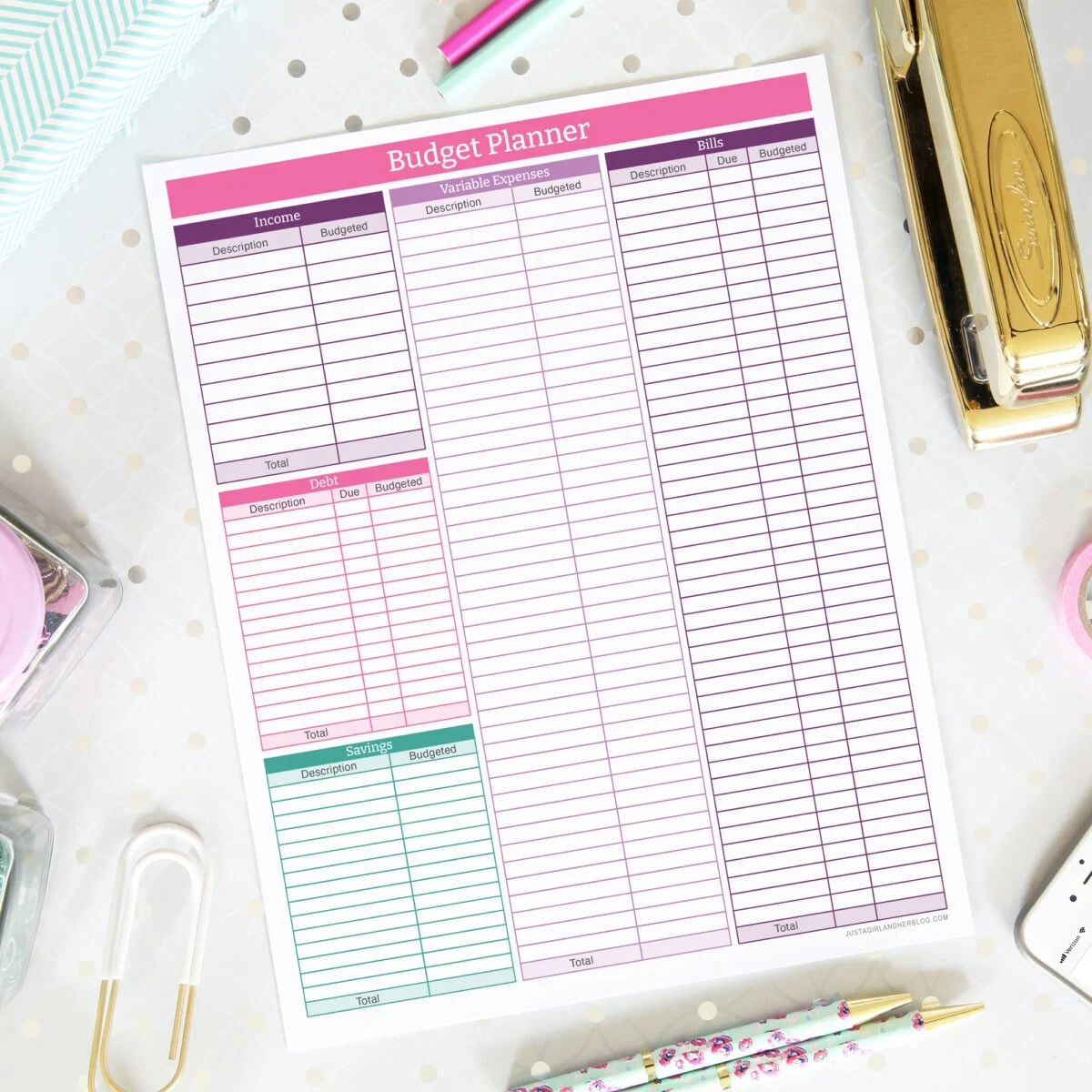
"When we plan in advance and break down our bigger goals into more manageable, bite-sized steps, we are exponentially more likely to succeed at what we set out to do," she explained. "Printable calendars act as a visual roadmap. Whether you are tracking fitness milestones, managing a household budget, or coordinating a small business, having that physical canvas changes everything."
Implications: The Future of Personal Productivity and Organization
The widespread availability of high-quality, free printable resources carries broad implications for consumer habits, time management, and the stationery market.
1. Democratization of Productivity Tools
Historically, highly customized planning systems—such as specialized planners featuring unique grid layouts, non-standard start days, or specific orientations—carried a significant retail price tag. By offering professionally designed templates in multiple formats completely free of charge, digital creators are democratizing access to high-end organizational systems, allowing individuals of all economic backgrounds to implement effective time-management strategies.
2. The Resurgence of the Stationery Economy
The popularity of printable calendars has catalyzed a companion market for home-office and stationery supplies. Users frequently pair free downloads with physical accessories such as binders, thermal laminators, paper cutters, decorative washi tape, and premium cardstock. This trend supports small-business retail markets centered around journaling, scrapbooking, and bespoke office organization.
3. Sustainability and Customization
Unlike mass-produced commercial planners that often contain pre-printed pages the user may never need—resulting in paper waste—printable calendars offer a sustainable alternative. Users can print precisely what they require: a single month for an upcoming project, an entire year for family tracking, or an undated sheet for creative brainstorming. If a schedule changes or a page is ruined, a fresh copy is instantly accessible.
Accessing the 2027 Collection
The complete suite of free 2027 printable calendars—alongside an extensive library housing more than 300 pages of complementary organizing printables, including weekly planners, cleaning schedules, and goal-tracking sheets—is now accessible online through Just a Girl and Her Blog.
Note: All digital printables provided through the platform are designated for personal use only and remain protected under copyright guidelines established by Twenty-Three Publishing, LLC.