By The Education & Lifestyle Desk Published: August 2025
Main Facts
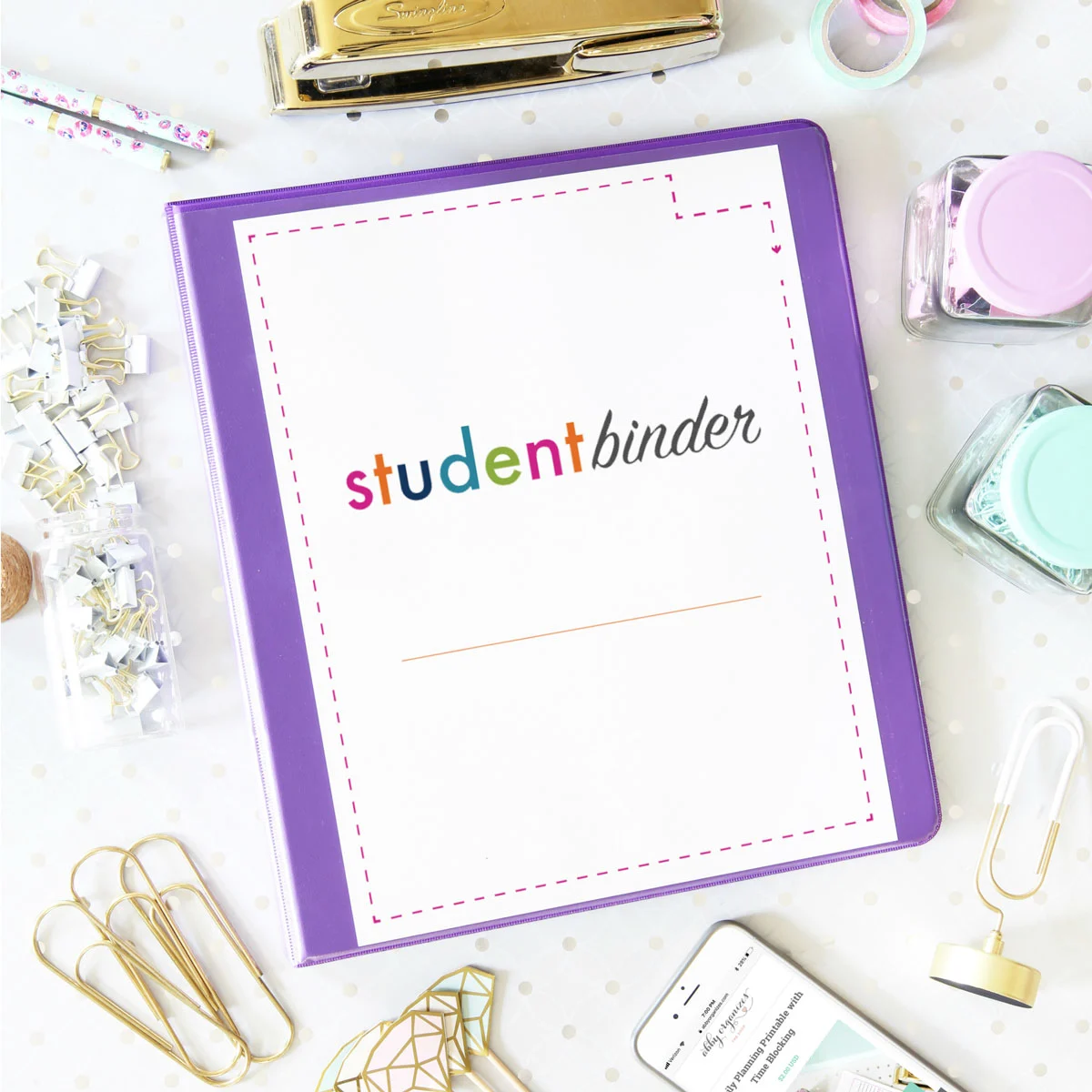
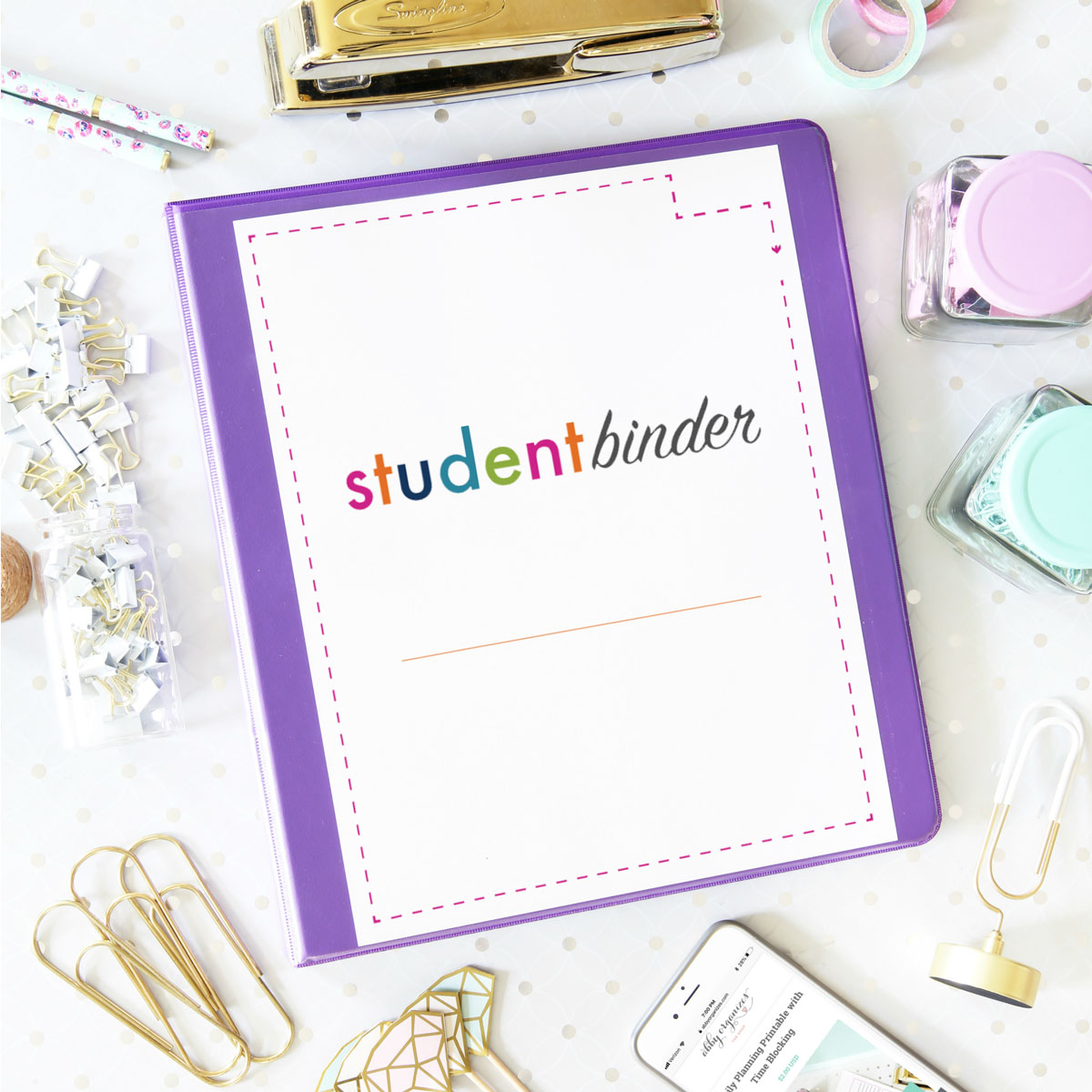
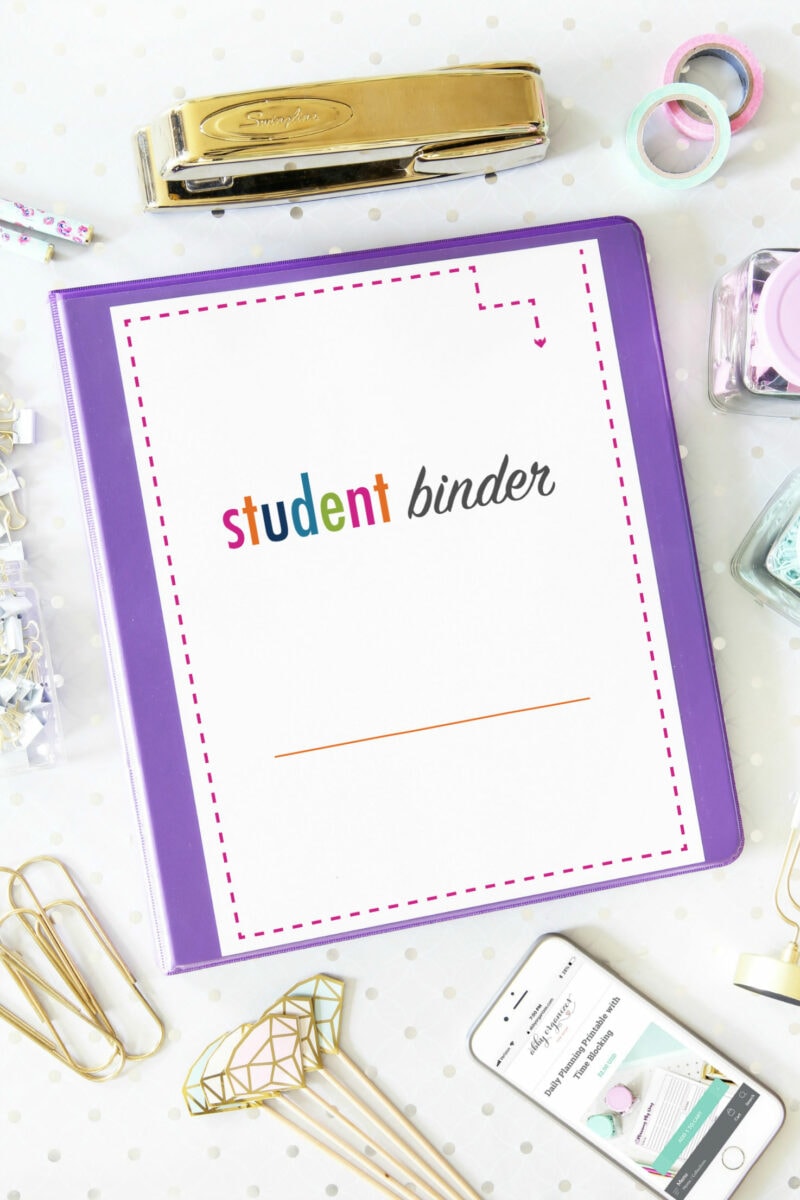
As students, parents, and educators gear up for the upcoming academic year, the perennial challenge of managing syllabi, tracking assignments, and maintaining daily routines returns to the forefront. To combat back-to-school anxiety and foster lifelong organizational habits, lifestyle and education platforms have officially launched their highly anticipated, newly updated Free Printable Student Binder.
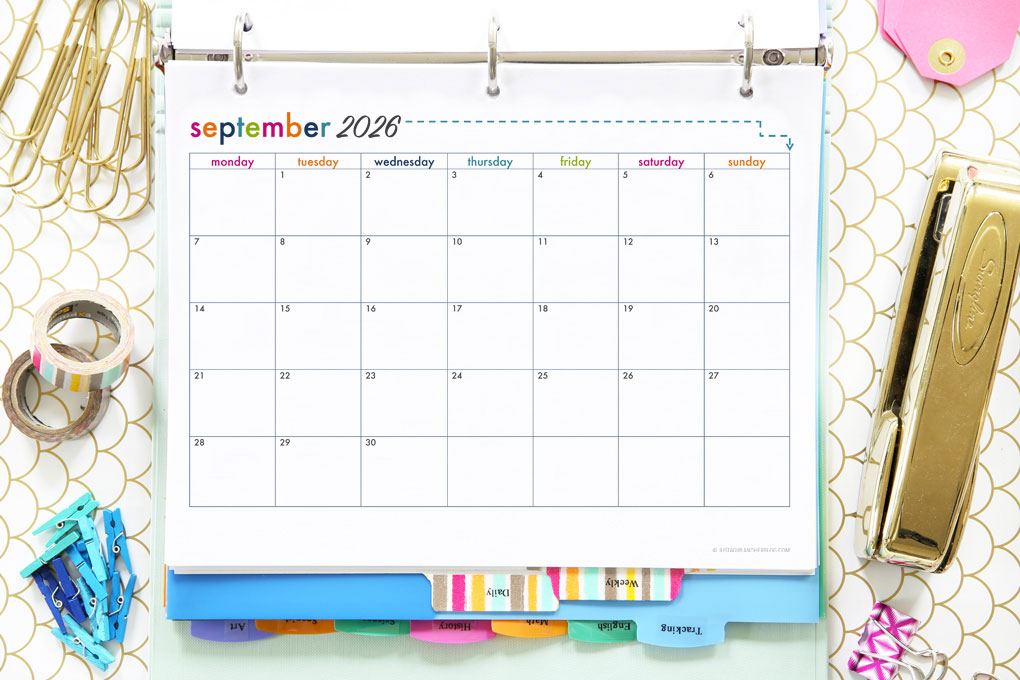
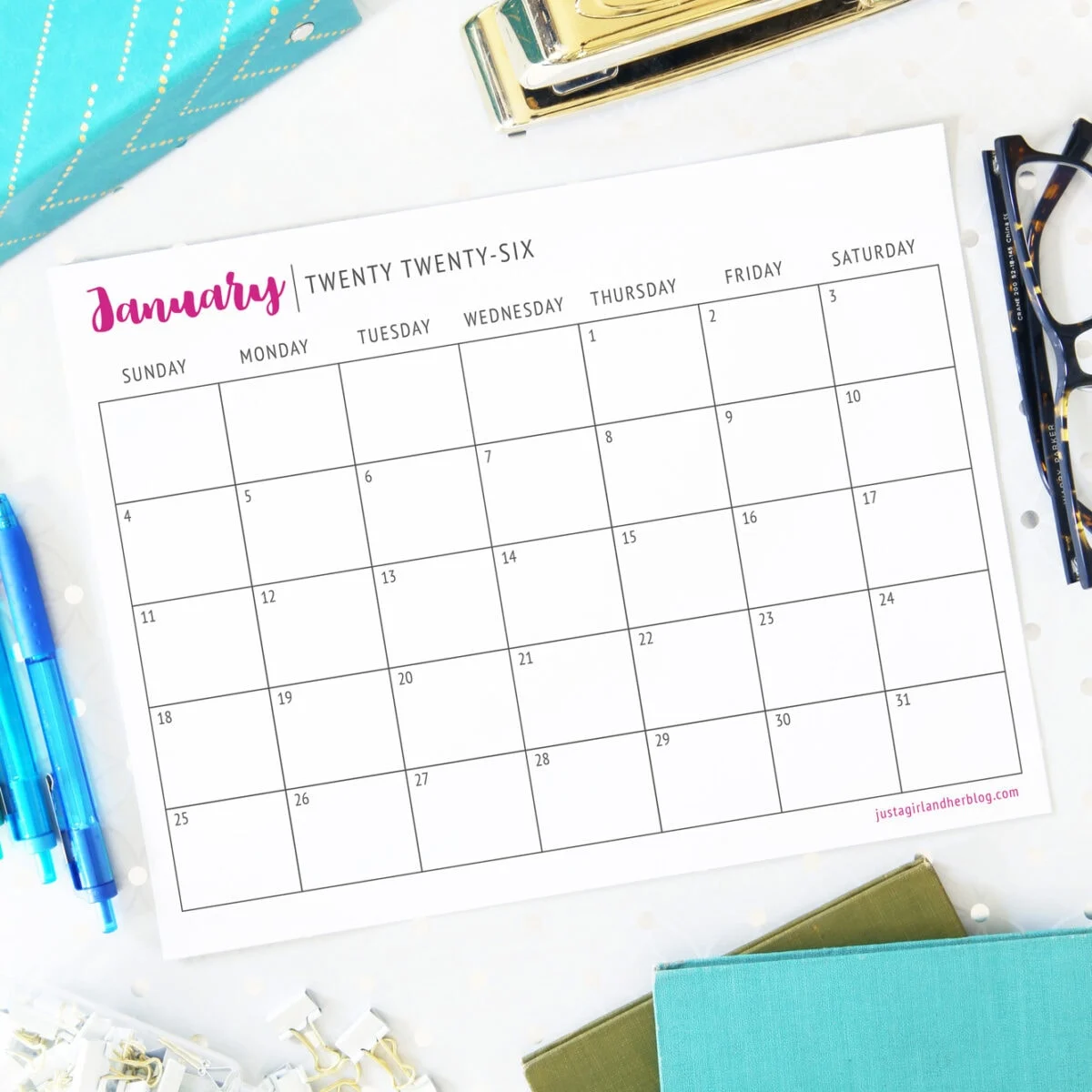
Designed to cater to middle school, high school, and college students alike, the comprehensive suite of printables provides a centralized, tactile system for academic and personal management. Driven by popular demand from communities of students and parents, the latest iteration features expanded calendar ranges—including dated pages running from July 2026 through December 2027—alongside versatile undated templates.
Available at zero cost through digital libraries, the student binder addresses a wide array of learning styles and aesthetic preferences by offering multiple color-scheme packages, including vibrant, multicolored designs and a sophisticated blue-toned alternative. By breaking down complex academic loads into manageable sections—planning, tracking, and subject-specific divisions—the toolkit aims to replace chaotic digital tabs and loose papers with a streamlined, analog approach to productivity.
Chronology: Evolution of the Student Binder
The journey toward modern student organization has evolved significantly over the past decade, shifting from generic store-bought planners to hyper-customizable, downloadable resources.
Early 2010s: The concept of printable organization gained massive traction in the digital space. Creators began sharing customized PDF templates for household management, which quickly expanded into educational frameworks.
July 2016: Responding to a growing demand for student-specific resources, foundational versions of academic printables—such as basic grade trackers, class schedules, and project planners—were officially compiled into a cohesive "Student Binder" release.
Late 2010s to Early 2020s: As feedback poured in from educators and parents (particularly "boy moms" seeking less traditional colorways), developers introduced alternate color schemes, expanding the aesthetic appeal and inclusivity of the system. Time-blocking frameworks and detailed weekly/daily spreads were integrated to reflect modern productivity science.
August 2025: The platform launched its most robust update to date, incorporating future-proofed calendars extending into late 2027, enhanced goal-setting architecture, and streamlined access via centralized digital print libraries containing upwards of 300 supplementary pages.
Supporting Data & Organizational Frameworks
Academic research consistently demonstrates that physical organization and structured planning directly correlate with reduced stress levels and improved grade point averages. The newly released binder is built upon three core pillars supported by productivity analytics:
1. The Planning Section
Time management is often the steepest hurdle for transitioning students. The binder’s planning division includes:
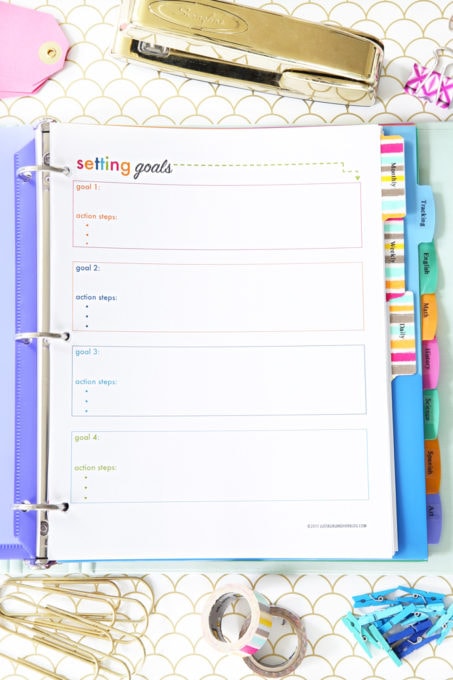
Goal-Setting Sheets: Encourages macro-level visioning by having students articulate yearly objectives alongside actionable, micro-steps.
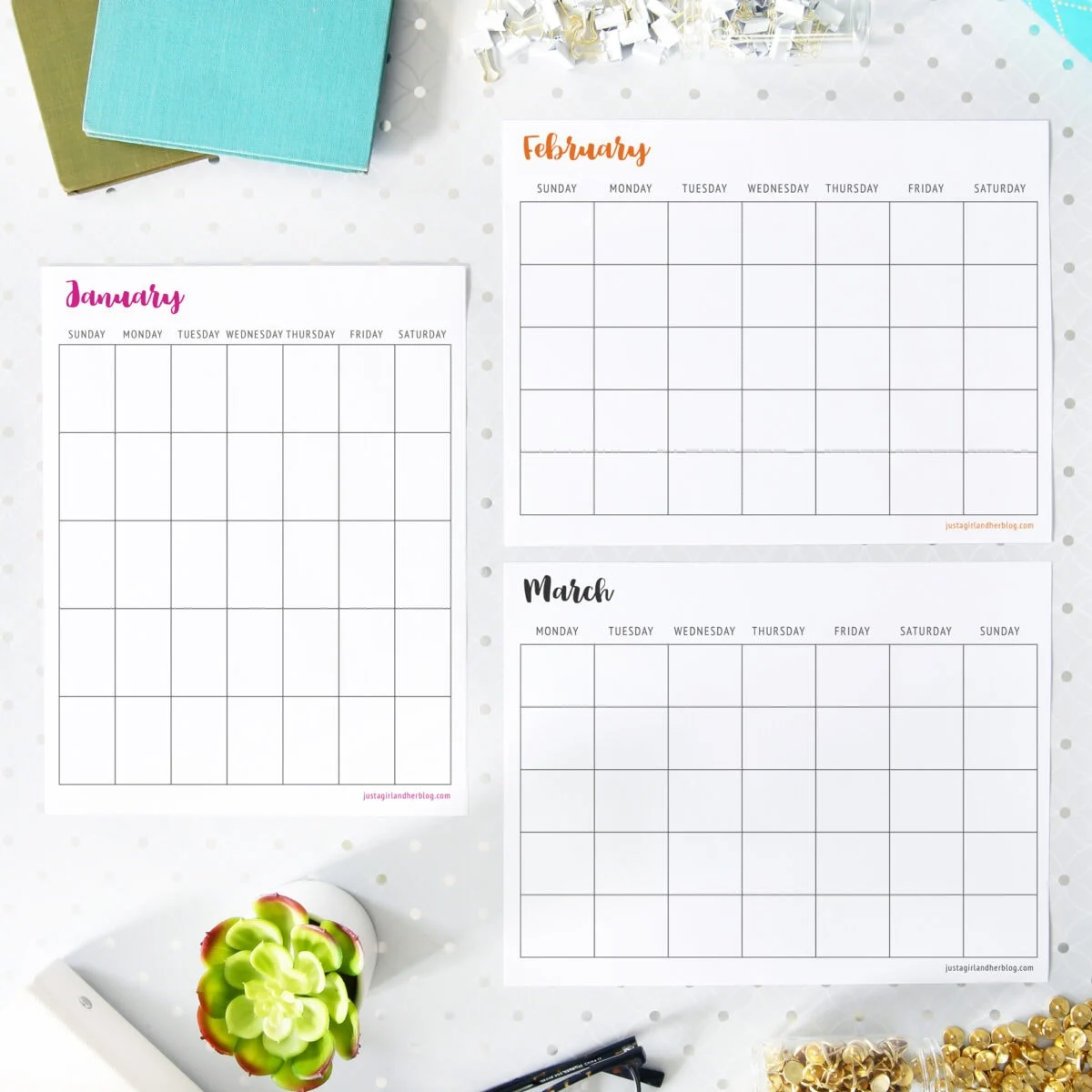
Dated and Undated Monthly Calendars: Spanning from mid-2026 through December 2027, ensuring long-term project visibility.
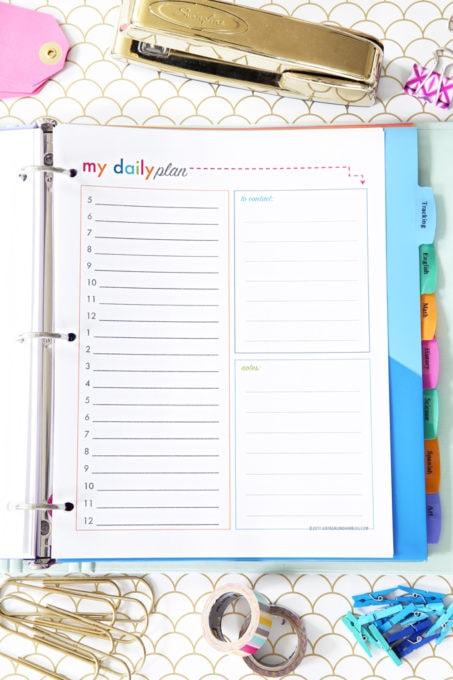
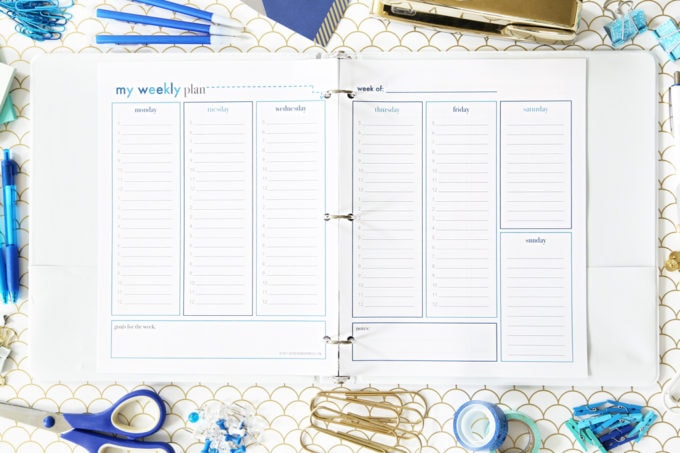
Time-Blocked Daily and Weekly Spreads: Capitalizes on the "time-blocking" productivity method, helping students allocate specific hours to study blocks, extracurriculars, and rest.
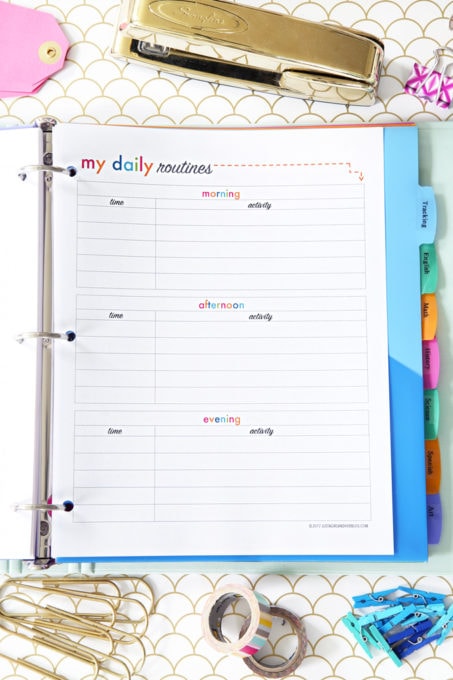
Daily Routines Checklists: Establishes habit-formation anchors for morning preparations, afternoon transitions (homework and chores), and evening wind-downs.
2. The Tracking Section
Academic oversight requires monitoring numerous moving parts simultaneously. This section features:
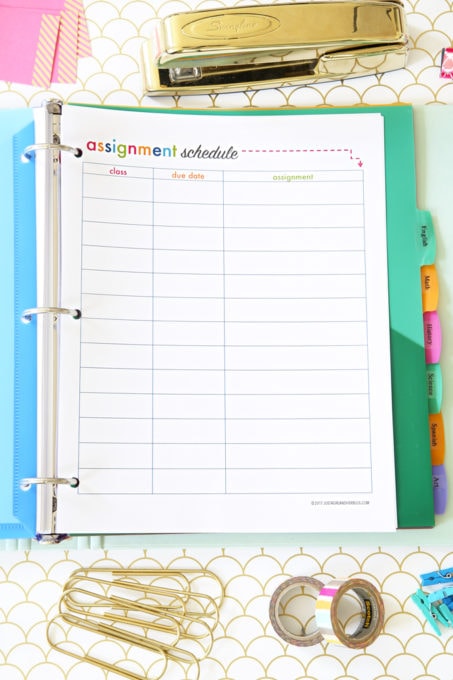
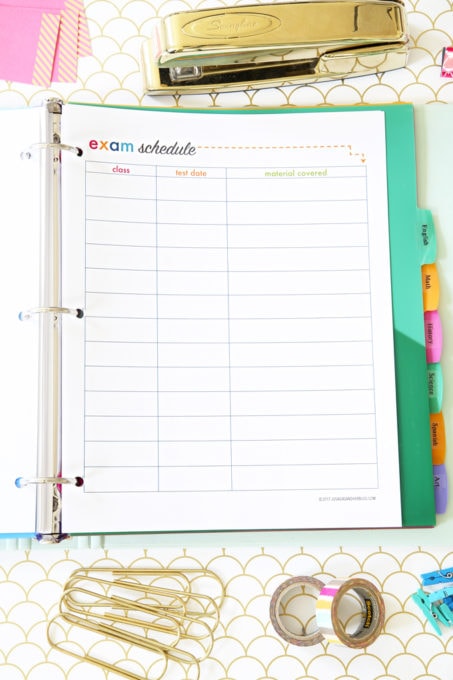
Assignment and Exam Schedules: Designed to mitigate the initial shock of syllabus week by consolidating all future testing and project deadlines into a single view.
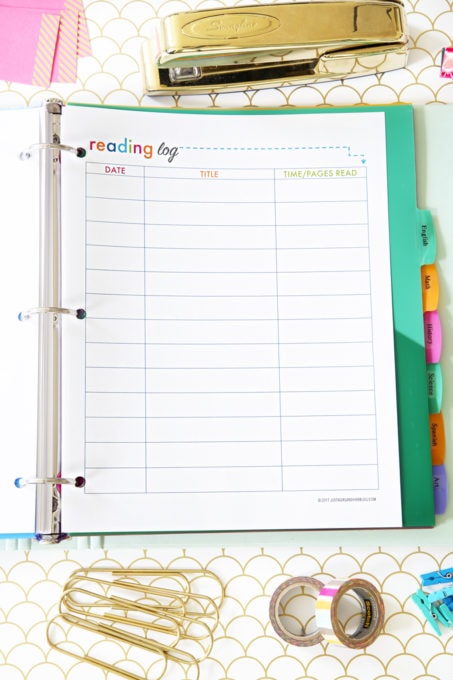
Reading Logs: Promotes literacy and tracks pagination or minute milestones, a tool heavily advocated by former educators.
3. Subject-Specific Divisions
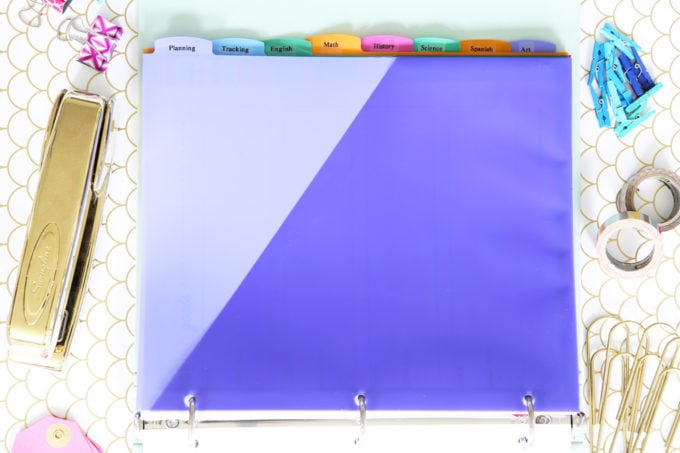
To prevent subject overlap and lost notes, the binder utilizes color-coded tab dividers equipped with storage pockets. Each subject folder contains:
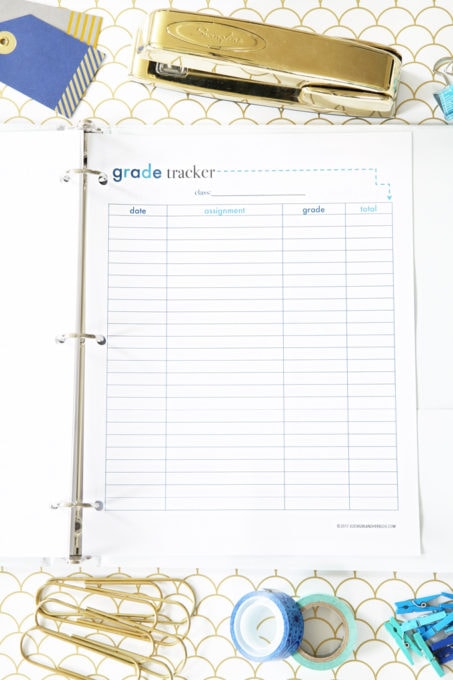
Grade Trackers: Allows students to log individual assignment scores alongside a running total column, eliminating end-of-semester surprises regarding final grades.
Standardized Notes Pages: Provides clean, structured templates for classroom lectures and study sessions.
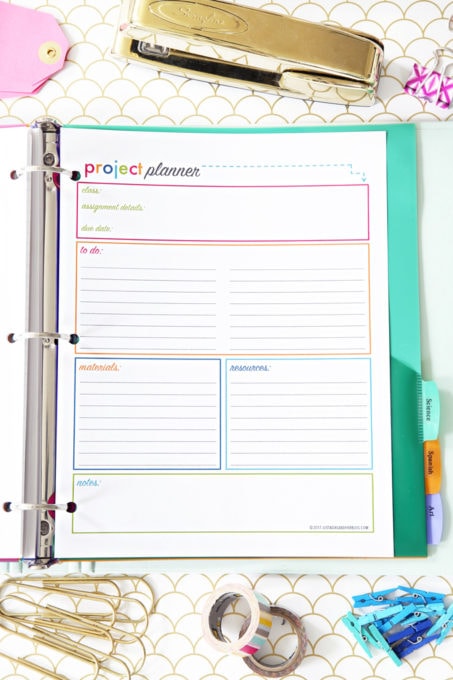
Project Planners: Breaks down complex, multi-step research papers and group presentations into bite-sized tasks.
Official Insights and Developer Perspectives
The creation of the updated student binder stems from direct engagement with consumer feedback. Educational organizers emphasize that flexibility is the cornerstone of any successful productivity system.
"Over the past few months, one of the most common questions I have received has been, ‘When are you going to update the student binder?!’" notes the system’s creator. "Everyone probably won’t need all of these different printables for planning their time, but I wanted to make sure I provided a bunch of different options so each person could choose the printable or printables that would work best for them."
Addressing previous feedback regarding design inclusivity, the release heavily highlights its dual colorways. The addition of a clean, blue-centric color scheme specifically addresses requests from parents and students who prefer alternative palettes to traditional pastel designs, ensuring universal appeal across demographics.
Furthermore, experts emphasize that while digital applications have their place, the physical act of handwriting schedules and tracking grades engages cognitive memory pathways that digital notifications often bypass. This tactile engagement reinforces accountability and ownership over one’s academic journey.
Implications for the Upcoming Academic Year
The deployment of accessible, high-yield organizational tools carries significant implications for student performance, mental health, and family dynamics as schools open their doors.
Reducing Academic Burnout
Anxiety among students frequently stems from a perceived lack of control over mounting workloads. By utilizing structured assignment trackers and grade-monitoring sheets, students transition from a reactive state—scrambling to meet deadlines—to a proactive posture where time is intentionally managed. This shift is vital in mitigating burnout, particularly in rigorous middle school, high school, and collegiate environments.
Empowering Parents and Fostering Independence
For younger students, the binder serves as an instructional bridge toward autonomy. Daily routine sheets teach children how to independently manage their backpacks, lunches, and next-day preparations without constant parental prompting. For older students, it simulates corporate project management and time-mapping techniques that translate directly into professional success.
Equitable Access to Educational Resources
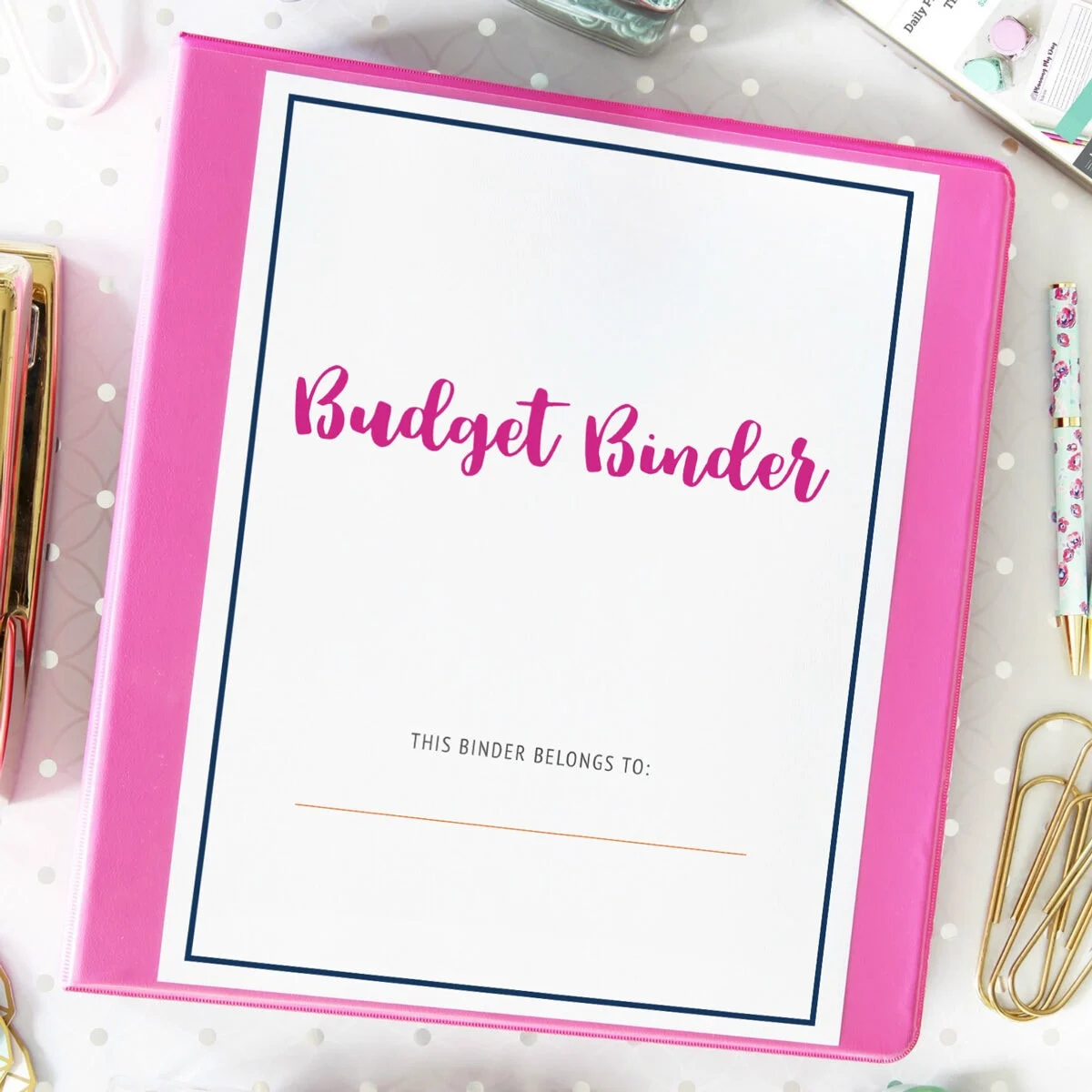
In an era where commercial planner systems can impose a heavy financial burden on families—often costing upwards of twenty to thirty dollars per student—free, high-quality digital printables democratize access to top-tier organizational tools. Families need only access a printer, card stock, and standard three-ring binders to construct a customized academic command center tailored precisely to their needs.
Conclusion
As the back-to-school season accelerates, the newly refreshed Free Printable Student Binder stands out as a practical, beautifully designed asset for anyone looking to reclaim control over their schedule. By blending aesthetic appeal with rigorous academic tracking mechanisms, it proves that organization does not have to be complicated to be transformative.
Happy organizing, and here is to a successful, stress-free academic year!