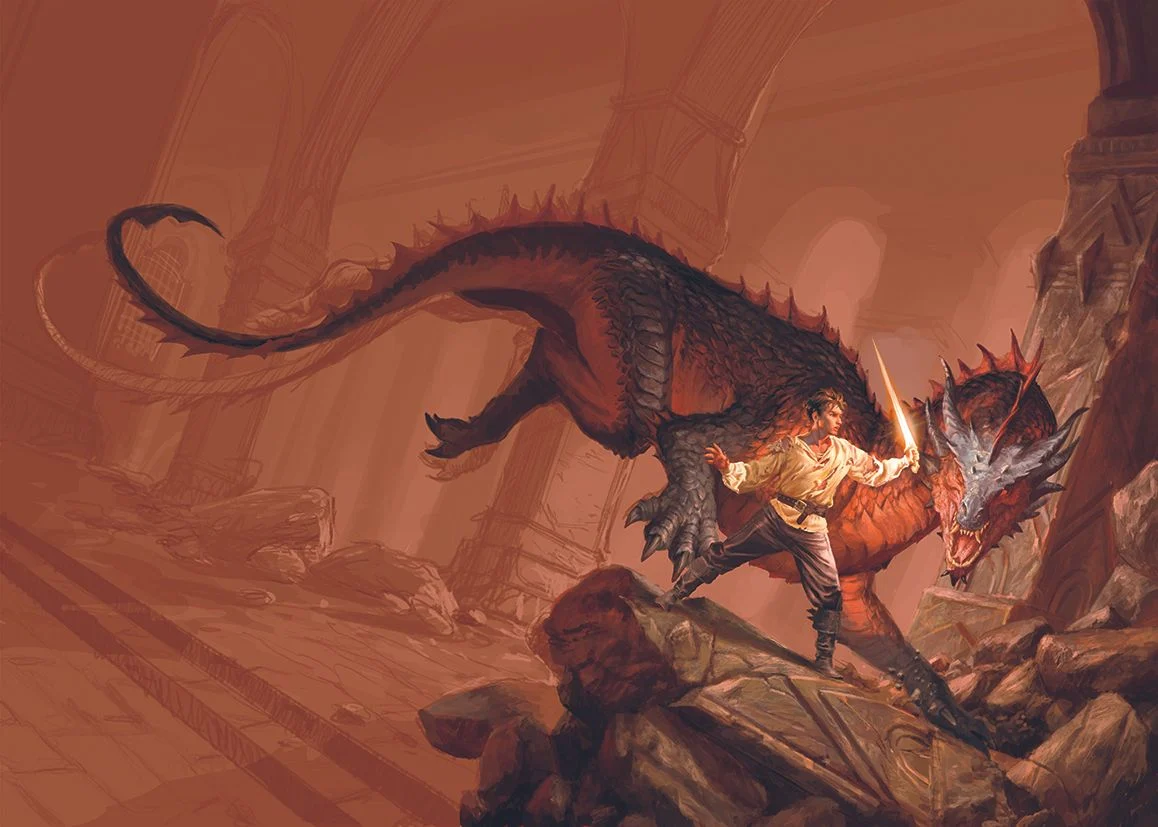
In the competitive world of contemporary publishing, the cover art serves as the primary gateway to a narrative universe. When Armenia Edizioni commissioned a piece for the debut fantasy novel by RF Obsydios, the mandate was clear: capture the visceral, high-stakes essence of epic fantasy. The resulting illustration—a masterclass in digital composition—depicts a scarred, battle-worn warrior standing defiant against a colossal, wingless dragon. This article explores the intricate technical and creative journey behind this project, from the initial conceptual spark to the final, high-definition render.
The Conceptual Foundation: Defining the Aesthetic
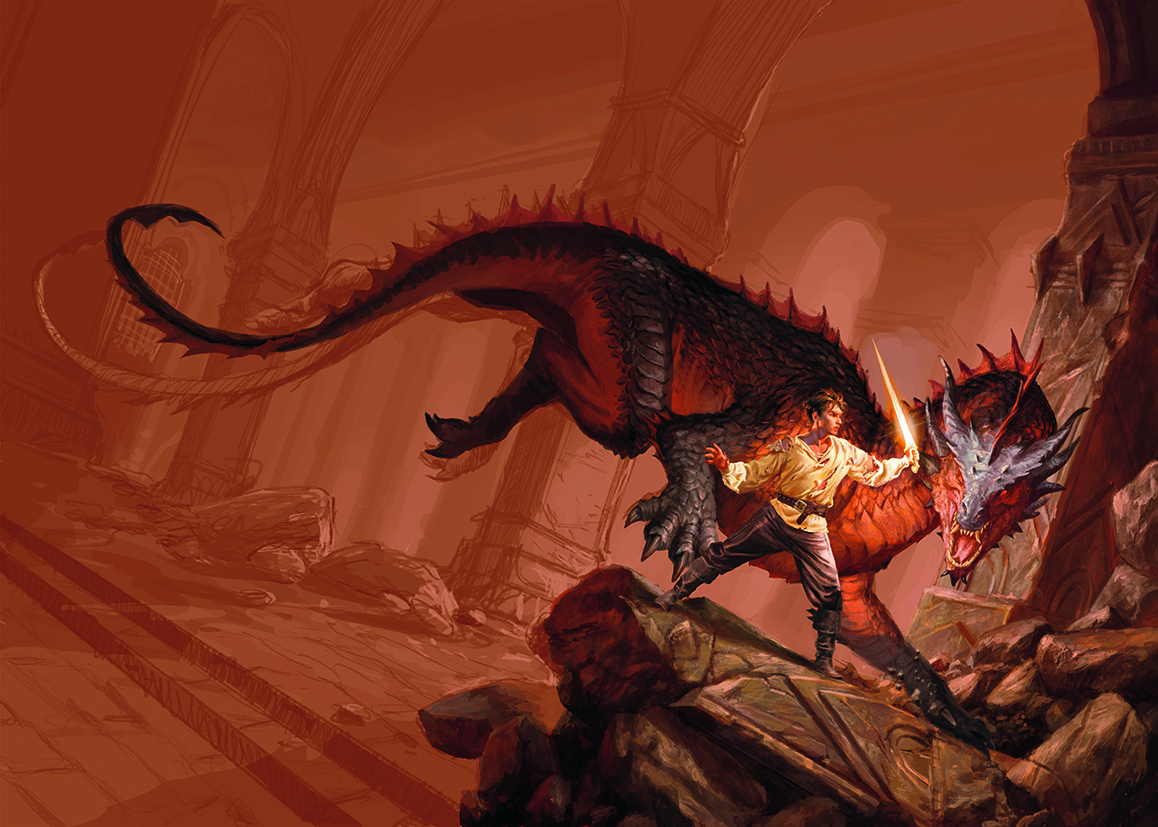
The project began with a specific vision: to evoke the classic, visceral intensity of epic fantasy. The client required a scene that felt lived-in and dangerous. The protagonist needed to bear the physical marks of previous skirmishes—tattered clothing, visible scars, and the weary but resolute posture of a man who has looked death in the face. Opposite him stands a gargantuan, wingless dragon, rendered in a palette of deep reds and blacks.
The atmosphere was heavily influenced by the gritty, low-fantasy aesthetic found in works like Joe Abercrombie’s The Devils. For the artist, this was a homecoming of sorts. "This aesthetic is what I grew up with," the illustrator noted. By leaning into warm, aggressive tones—dominating reds and oranges—the piece immediately signals to the reader that the stakes are not merely political, but existential. The setting, an imposing fortress defined by vaulted columns and the detritus of a recent, brutal siege, serves as a narrative anchor, grounding the fantastical creature within a believable, architectural space.
Chronology of Creation: A Step-by-Step Breakdown
The creation of such an ambitious piece requires a disciplined workflow. The artist breaks down the process into distinct, manageable phases that ensure structural integrity and visual cohesion.
1. The Power of the Preliminary Sketch
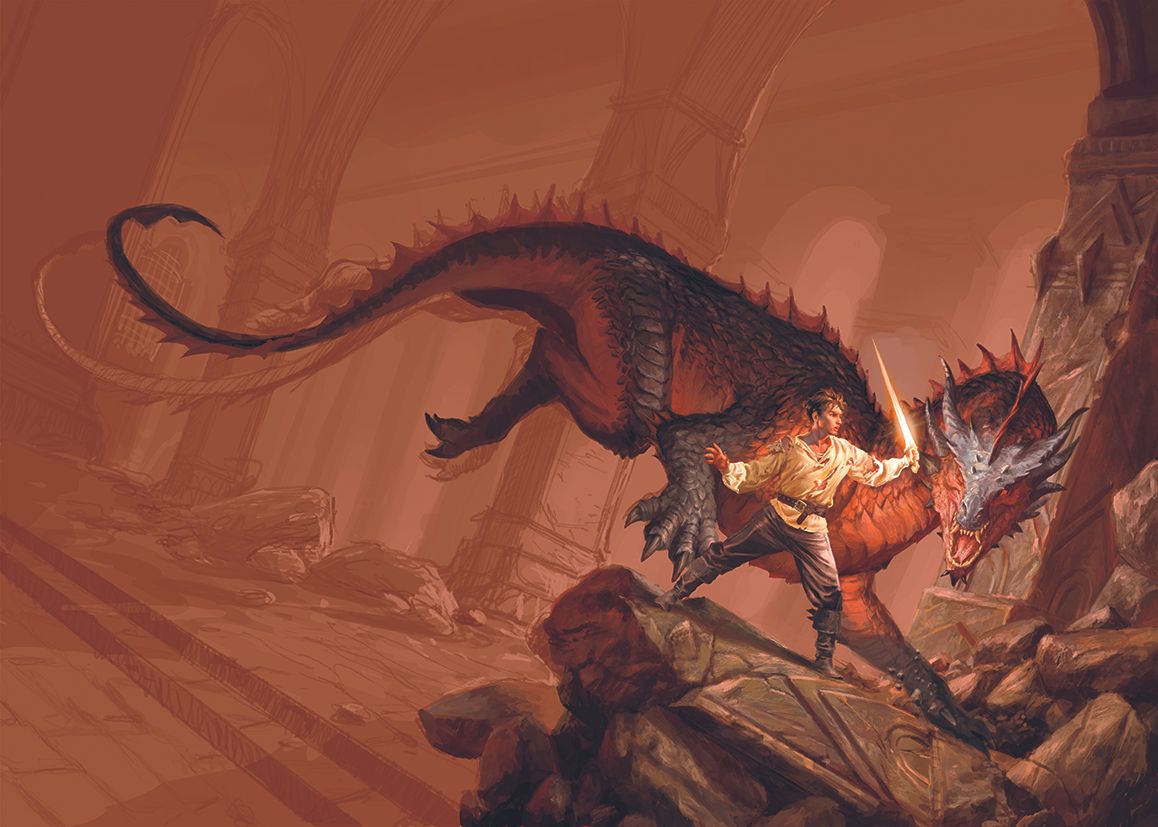
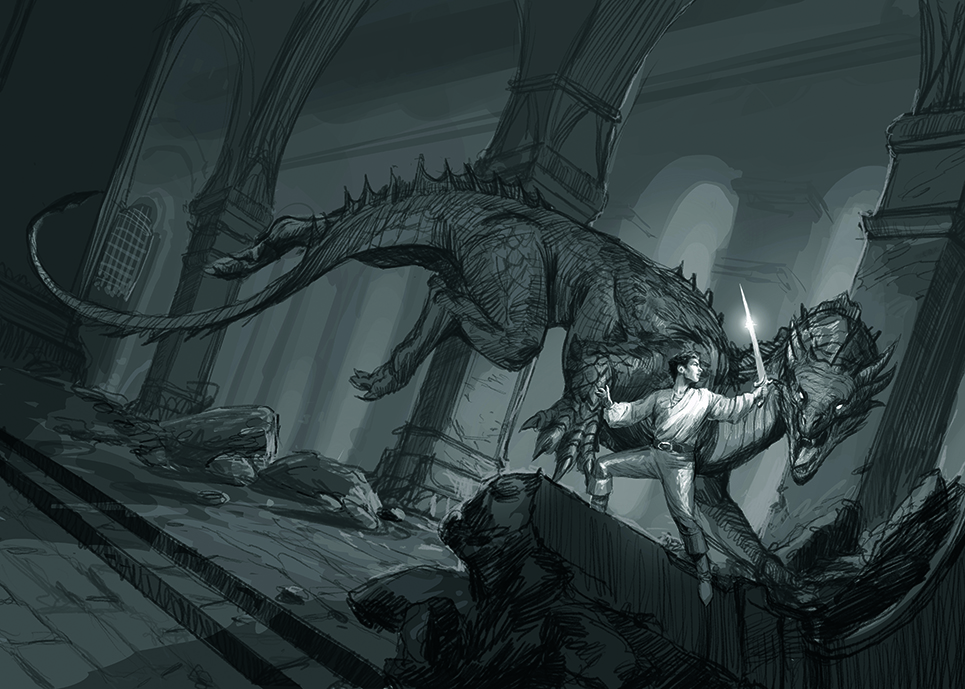
Contrary to the common misconception that digital art involves endless iterations, the artist emphasizes efficiency. "I don’t usually make many sketches; at most, one or two, in black and white," the artist explains. The objective of this phase is not to detail every scale on the dragon, but to establish the "three pillars" of a successful illustration: composition, lighting, and volume. By defining these in monochromatic terms, the artist ensures that the fundamental layout is sound before the complexities of color are introduced.
2. Isolated Character Development
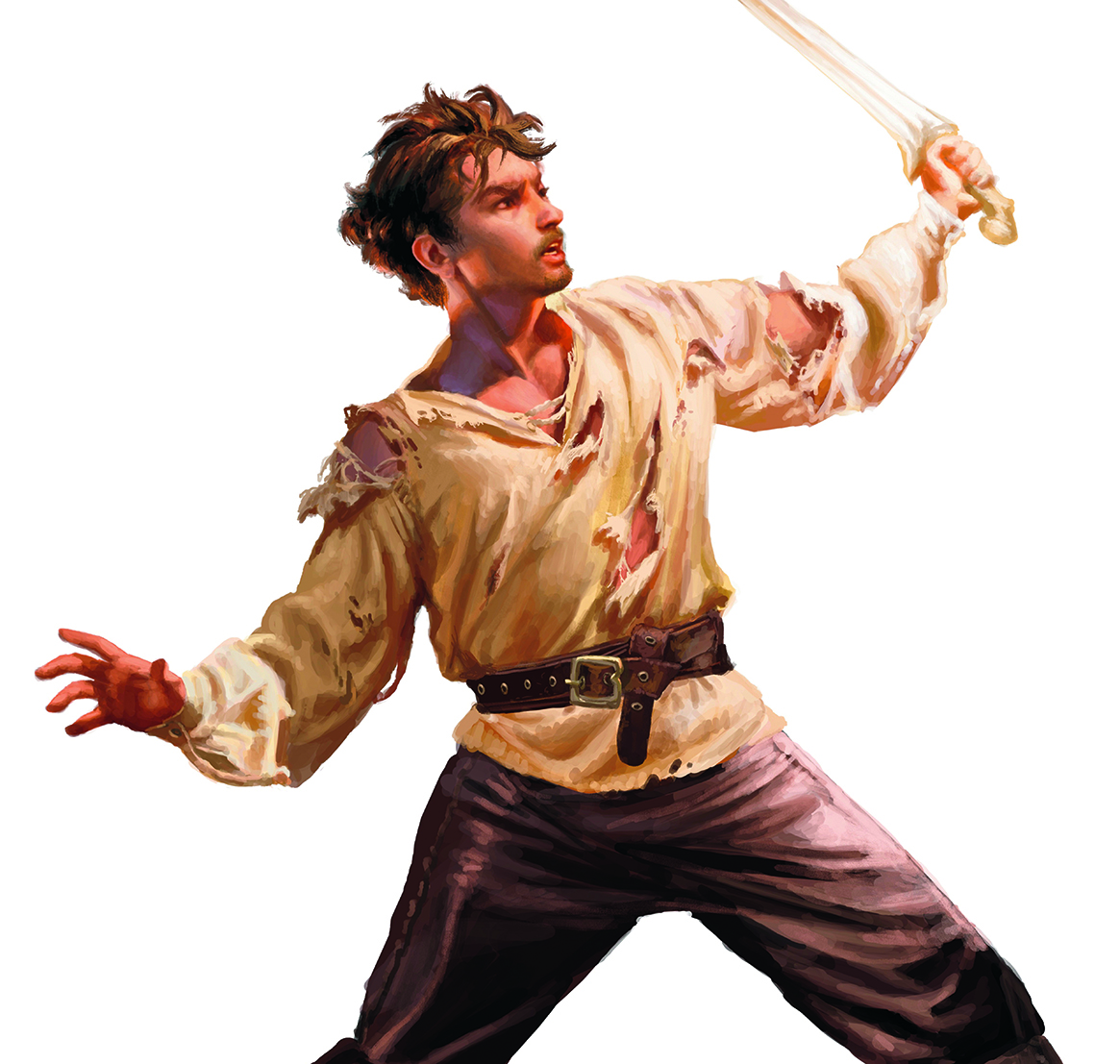
To ensure the warrior commands the necessary presence, the artist employed a technique of modular painting. The protagonist was painted separately in a higher resolution and larger format. By isolating the figure, the artist was able to pour maximum detail into the anatomy, the texture of the torn fabric, and the emotive expression of the warrior’s face without being distracted by the background environment. Once the character reached the desired level of finish, he was resized and integrated into the broader composition.
3. Structural Integration
Once the warrior was established, the artist began the arduous task of "building the scene." The dragon and the architectural ruins were mapped out to interact with the warrior’s position. The artist describes this as a feedback loop: "I need to see if everything works, and only then can I begin to understand what’s right and what needs fixing."
4. Anatomy and Dynamism
A significant challenge in this piece was the dragon’s anatomy. The artist focused on the hind legs to express raw, coiled potential. The goal was to create a rhythmic curve that would naturally pull the viewer’s eye toward the center of the conflict. By emphasizing this serpentine posture, the artist successfully injected a sense of movement into a static image.
5. Textural Realism and Environmental Storytelling
The ruins of the fortress were inspired by the legendary halls of Moria. To achieve the sense of scale and decay, the artist utilized a variety of "dry" brushes. These tools are essential for simulating the roughness of stone, the depth of cracks, and the accumulation of dust. By layering these textures, the artist ensured the environment felt ancient and imposing.
6. The Tilted Frame
To further elevate the tension, the artist employed a "tilted shot"—a dynamic camera angle often used in cinematography to denote chaos or instability. By shifting the horizon line, the artist makes the viewer feel the ground literally shaking beneath the protagonist’s feet, heightening the drama of the confrontation.
Supporting Data: Tools of the Trade
For aspiring digital illustrators looking to emulate this workflow, hardware and software selection are paramount. The professional standard for this level of detail involves:
- Drawing Tablets: High-fidelity pressure sensitivity is non-negotiable. Modern display tablets, such as those produced by Wacom or Huion, offer the tactile feedback necessary for fine-detail work.
- Digital Software: Industry-standard tools like Adobe Photoshop, Corel Painter, or Clip Studio Paint provide the layering and brush management capabilities required to handle large-scale, high-resolution compositions.
- Physical References: The artist frequently utilizes physical props, including historical clothing scraps and DIY costumes, to photograph under controlled lighting. This practice provides an invaluable "source of truth" for light behavior, allowing the artist to paint highlights and shadows with scientific accuracy.
Official Perspectives: The Role of the Artist
When asked about the importance of such collaboration, the artist noted that the synergy between a publisher’s vision and the creator’s technical execution is the lifeblood of the fantasy genre. The publishing house, Armenia Edizioni, provided the narrative constraints, while the artist provided the visual vocabulary to express those constraints. This relationship is not merely transactional; it is a collaborative storytelling effort.
The artist’s dedication to historical accuracy—even within a fantasy context—speaks to the trend of "grounded fantasy." Readers today demand a level of realism in the details (the weave of a fabric, the weight of a sword, the decay of a stone wall) that makes the presence of a dragon feel not like a fairytale, but like a historical record of an impossible event.
Implications for the Future of Book Design
The success of this cover illustrates a broader shift in publishing: the move toward highly cinematic, immersive cover art. As social media platforms like Instagram and TikTok become primary drivers of book discovery, the "thumbnail-ability" of cover art has become critical. The use of high-contrast colors and dynamic, tilted compositions ensures that the book stands out in a crowded digital feed.
Furthermore, the artist’s process highlights the democratization of high-end illustration. With the availability of sophisticated digital art software and increasingly accessible drawing hardware, the barriers to entry for creating professional-grade fantasy art have never been lower. However, as this project demonstrates, technology is merely a vehicle; the true value remains in the artist’s understanding of composition, anatomy, and the fundamental principles of visual storytelling.
As the industry continues to evolve, the demand for artists who can synthesize classical techniques with modern digital efficiency will only grow. The work created for RF Obsydios is more than just a cover; it is an invitation to a world, a promise of a story, and a testament to the enduring power of the illustrated epic.
This article originally appeared in ImagineFX. For those interested in the evolving landscape of digital art and design, consider subscribing to ImagineFX for monthly tutorials and interviews with the industry’s top creators. Stay connected with the latest trends by downloading the Creative Bloq app, available now on iOS and Android.