
Dana turns 48 this Sunday. By Monday morning, her kitchen table is cluttered with a pristine, unopened notebook and a list of four ambitious mandates: walk every day, aggressively pursue a career pivot, overhaul the household budget, and reinstate nightly family dinners.
The notebook page is clean. Her life, however, remains a messy, high-friction environment.
By Thursday, the inevitable happens. A work deadline lands with a thud. Her mother requires an urgent ride to a medical appointment. The water heater begins a rhythmic, ominous knocking that demands immediate attention. By Wednesday, the daily walk has been abandoned, and the job search portal has become just another browser tab she feels guilty about closing.
Dana is experiencing a common, yet widely misunderstood, psychological phenomenon known as the "Fresh Start Effect." While dates like birthdays, Mondays, or the first of the month can provide a genuine burst of motivation, they are often asked to carry the weight of broken systems. When we mistake a date for a transformation, we are not planning for change; we are shopping for a feeling.
The Anatomy of the Fresh Start Effect
The fresh start effect refers to the surge in aspirational behavior that occurs following a "temporal landmark." These markers—New Year’s Day, a birthday, a new semester, or even a Monday—effectively partition our lives into a "before" and an "after."
Psychologically, this boundary is potent. It allows individuals to mentally compartmentalize past failures, viewing them as relics of a previous version of themselves. This cognitive reframing doesn’t erase past decisions, but it alters the narrative of the present.
The Research Behind the Impulse
In their seminal research, scholars Hengchen Dai, Katherine Milkman, and Jason Riis identified this pattern by analyzing large-scale behavioral data, including Google searches for diet-related terms, university gym attendance logs, and goal-setting commitments on platforms like stickK. Their findings suggested two primary mechanisms:
- Mental Accounting: Landmarks create a clean break, relegating past shortcomings to a closed chapter.
- The "Big Picture" Shift: These dates pull our attention away from the granular frustrations of daily life and toward the broader, idealized trajectory of our future selves.
Subsequent laboratory experiments further refined this, noting that "identity-relevant" dates—like a birthday or a milestone anniversary—exert significantly more psychological pressure than ordinary, arbitrary dates. However, these studies measure the initiation of goals, not their long-term adherence. Indeed, when researchers tested "fresh start" framing in randomized trials for medication adherence, the language failed to improve long-term outcomes. The landmark opens the window of opportunity, but it does not provide the infrastructure to keep it open.
The Chronology of Failure: Why Good Plans Collapse
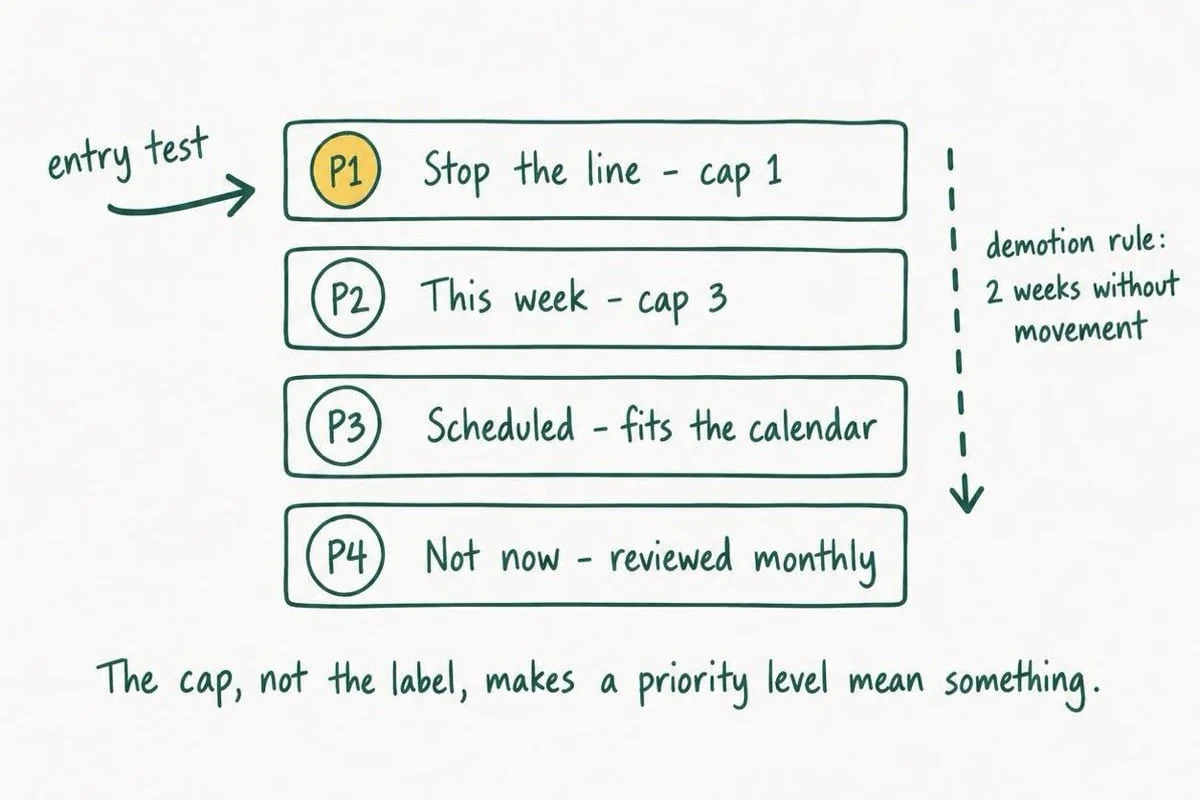
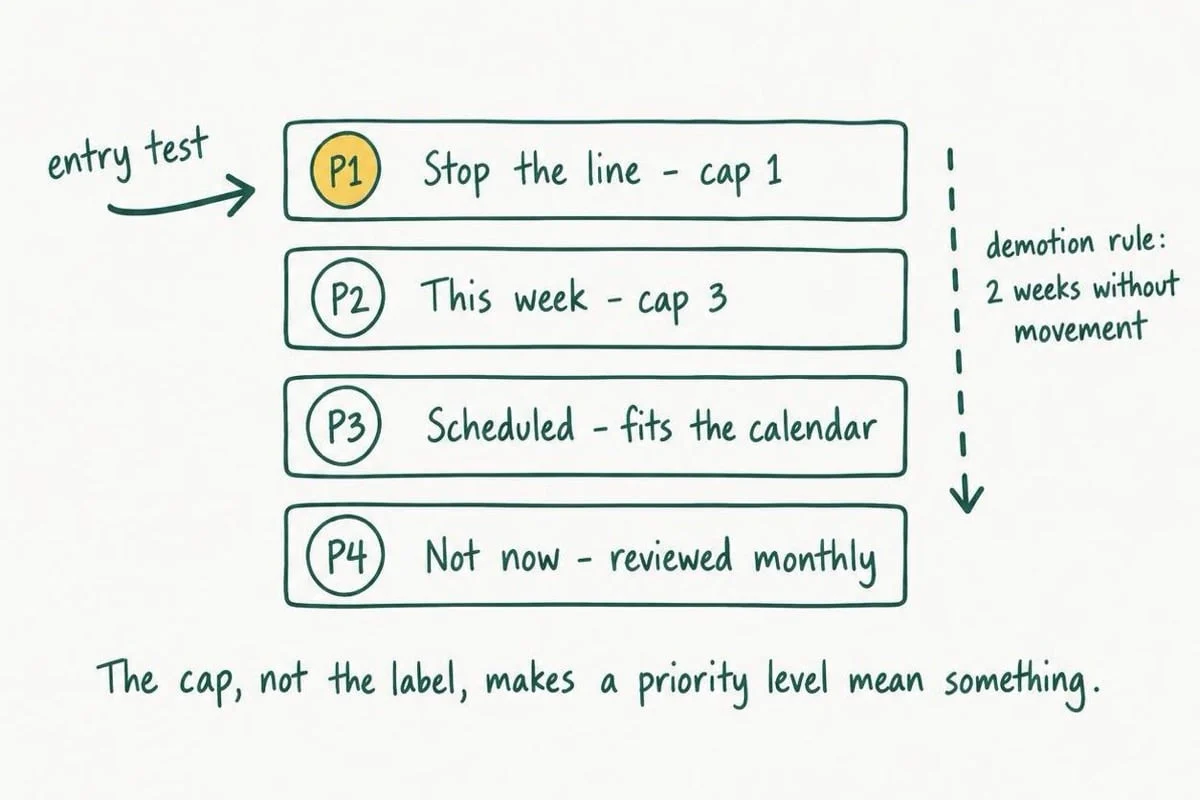
The failure of a fresh start usually follows a predictable trajectory. It begins with the Inspiration Phase, where the individual is motivated by the "clean slate" feeling. This is followed by the Over-Optimization Phase, where the person attempts to address multiple life domains simultaneously (e.g., Dana’s four goals).
The collapse occurs during the Friction Phase. Life, by its nature, is a series of competing demands. When a plan is designed for an ideal, unburdened version of the self, it cannot survive a "hard Tuesday." Because the plan was tied to the feeling of the birthday rather than the reality of the calendar, the person concludes that the plan itself—and perhaps their own willpower—is defective.
Supporting Data: Intention vs. Implementation
The gap between wanting to change and actually changing is one of the most studied areas in behavioral science. Peter Gollwitzer and Paschal Sheeran, in a meta-analysis of 94 independent studies, examined "implementation intentions"—plans that specify the when, where, and how of an action. They found a medium-to-large effect size (d = 0.65) on goal attainment.
However, this is not magic. A systematic review of 13 randomized trials on adult physical activity revealed a much more modest effect size of 0.25. The implication is clear: concrete planning improves the odds, but it does not guarantee success. Context—energy levels, financial constraints, and existing support systems—remains the ultimate arbiter of whether a plan survives the first week.
The Strategy: The "Fresh Start Handoff"
If we accept that a date is merely a psychological starting gun, how do we prevent the momentum from stalling? The answer is the "Fresh Start Handoff," a framework designed to bridge the gap between intention and long-term, low-friction action.

1. The Domain Constraint
Choose one, and only one, domain to address: health, work, money, relationships, or recovery. When Dana attempted four goals, she created four points of failure. By narrowing the focus to one, you ensure that your energy is not spread too thin. This is not to say other areas are unimportant, but rather that you are choosing the "keystone" change that will make subsequent repairs easier.
2. The Visible Move
Within 24 hours of your chosen date, execute one action that changes your physical environment. If your goal is a daily walk, place your shoes by the door. If your goal is a career pivot, schedule a 15-minute coffee chat. Research on vaccination behavior shows that asking people to specify a date and a time significantly increases compliance compared to merely asking for a date. You must give your intention a physical place to land.
3. The "Floor" Strategy
Most people design their plans for their most ambitious, energetic selves. Instead, you must design for your "tired Thursday" self. Build a "floor"—the absolute minimum version of your goal that you can achieve even on a terrible day. If the goal is a 40-minute run, the floor is a 10-minute walk around the block. The goal is not intensity; the goal is to prevent the streak from breaking.
4. The Seven-Day Review
Schedule a review at the exact moment you make the plan. At the end of the week, ignore the question of whether you were "perfect." Instead, ask:
- What prevented the action?
- Is the floor too high or too low?
- What specific environment change will make next week easier?
- Is the goal still aligned with my current reality?
Implications for Midlife Transitions
For those in their 40s and 50s, the "fresh start" is often a response to genuine, heavy shifts in responsibility—caring for aging parents, managing career stagnation, or dealing with health changes.
Consider "Marcus," 51, who faces a department reorganization. His fresh start isn’t a vague "new year, new me" declaration; it is a boundary-setting maneuver. He decides that his one domain is "work-life balance." His visible move is to schedule his "out of office" shutdown for 5:30 PM. His floor is to leave the office at 5:45 PM, even if the task list is unfinished.
Marcus succeeds where others fail because he treats his job change as a handoff, not a theater production. He isn’t trying to rewrite his entire identity; he is simply using the transition as a moment to install a new, more sustainable structure.
Avoiding the "Reset Trap"
The "Reset Trap" is the most dangerous consequence of the fresh start effect. It occurs when the act of starting becomes more rewarding than the act of doing. If you find yourself constantly changing notebooks, buying new apps, or waiting for the next "clean" date to begin, you are likely trapped in a cycle of avoidance.
The tell-tale signs are clear:
- Perpetual Waiting: You are always waiting for the next month or quarter.
- Overloading: You attempt to fix your health, finances, and career in a single weekend.
- The "Total Reset" Mentality: You throw away a system that was 70% effective because it wasn’t 100% perfect.
True progress is often invisible. It doesn’t look like a new, shiny notebook. It looks like a minor adjustment to a Tuesday evening routine or a slight modification to a budget category. It is progress without theater.
Conclusion: The Handoff
A fresh start is not a magical event that bestows discipline upon you. It is a window of heightened attention—a psychological "handoff" where you transfer the energy of a new beginning into the mundane, repetitive work of maintenance.
Don’t wait for the perfect date to fix your life. Instead, take the next 15 minutes to identify your one domain, set your floor, and schedule your review. You aren’t promising a new life; you are giving your current life one clear, manageable instruction. A date can open the door, but it is the architecture you build inside the room that determines whether you stay.