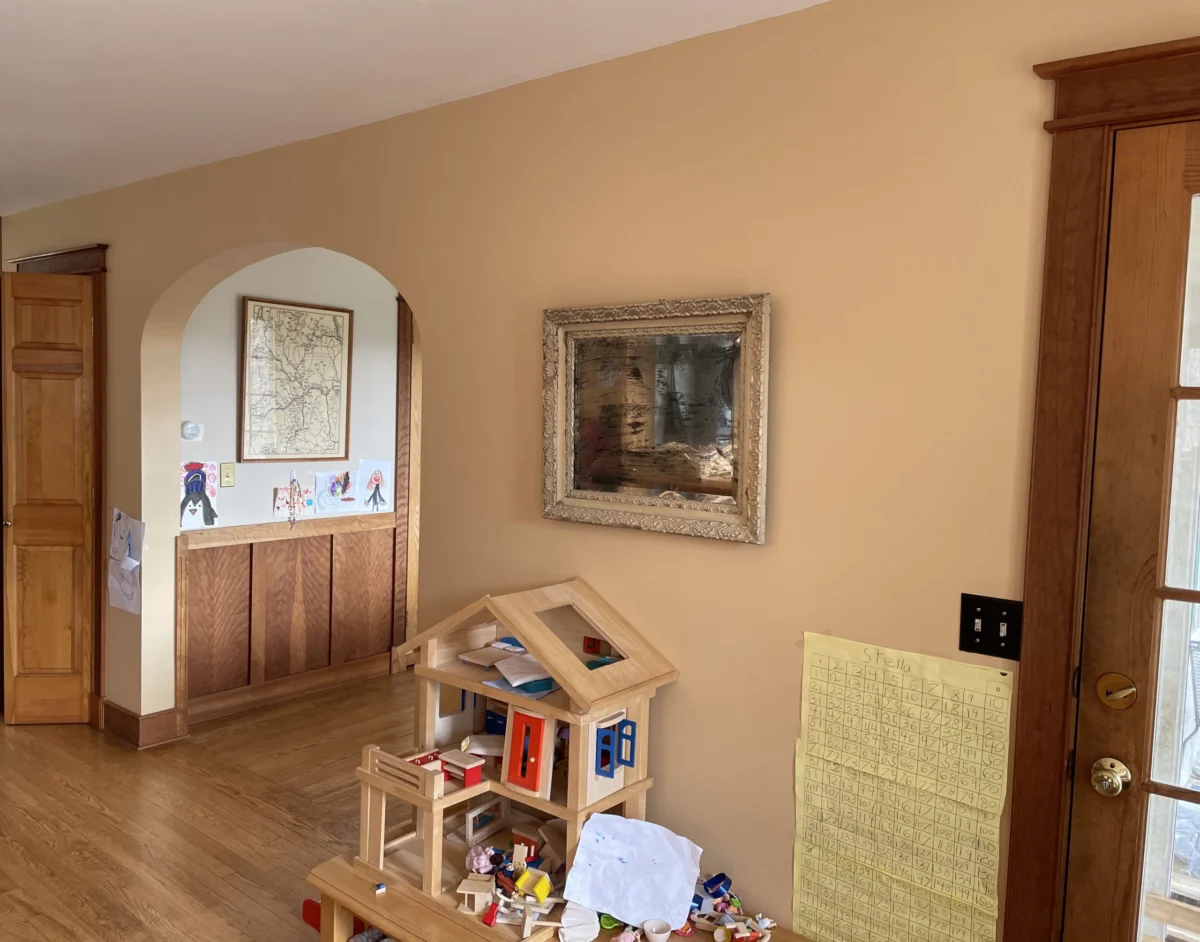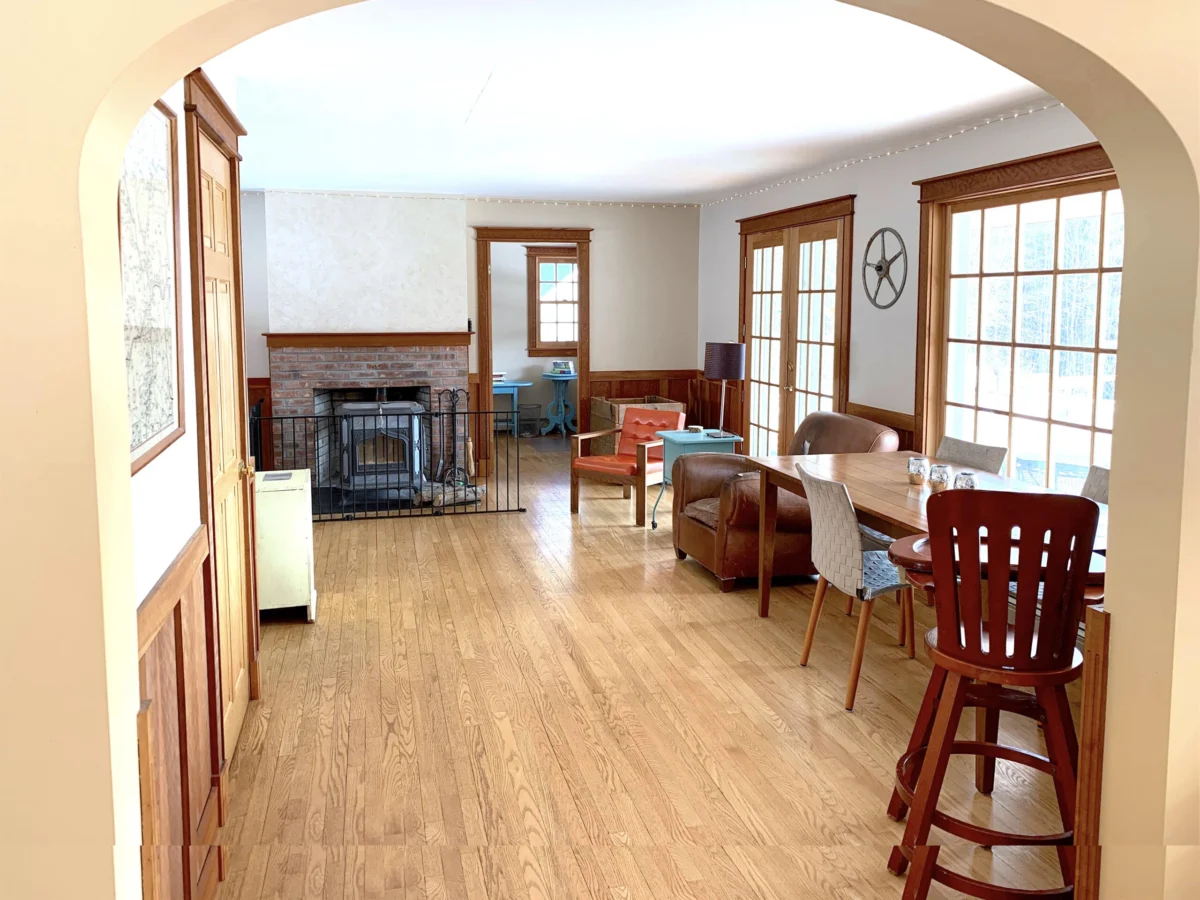
In an era defined by consumerist pressure and the constant, algorithm-driven urge to upgrade, the Frugalwoods family has carved out a distinct counter-cultural existence. Their philosophy—a blend of intentional minimalism, radical financial transparency, and a deep appreciation for the "second-hand life"—serves as a compelling case study for those looking to decouple personal happiness from the traditional markers of success. By analyzing their recent monthly expenditure report, we can observe how the marriage of rigorous fiscal discipline and family-centric values creates a sustainable, low-stress lifestyle in the heart of Vermont.
The Core Philosophy: Literacy, Legacy, and Daily Rituals
At the center of the family’s current chapter is a profound commitment to shared experience. Mr. FW, a long-time devotee of J.R.R. Tolkien’s The Lord of the Rings, has spent years curating a literary journey for his daughter, "Kidwoods." The progression—starting with the gentler Fern Hollow series, moving into the anthropomorphic depth of Redwall, and culminating in the epic scope of The Hobbit—is not merely about reading; it is about building a foundation of critical thinking and shared values.

This daily afternoon ritual of reading aloud serves a dual purpose: it fosters early childhood literacy and strengthens familial bonds. More importantly, it provides a controlled environment to discuss complex themes. When characters in The Hobbit exhibit questionable behavior, the family uses the narrative as a teaching tool. At seven years old, Kidwoods is already learning to parse the difference between virtue and vice, a skill that is arguably more valuable than any store-bought toy. This commitment to "slow parenting" and intellectual investment highlights a rejection of passive entertainment in favor of active, engaged growth.
The Economics of the "Second-Hand Life"
The Frugalwoods’ approach to physical goods is perhaps their most defining economic characteristic. In a society where the default response to a need is to purchase new, the family maintains a strict policy of sourcing from library systems, yard sales, and thrift stores. This isn’t just about saving money; it is a rejection of the "endowment effect"—the psychological phenomenon where people overvalue items simply because they own them.

By eschewing the constant cycle of buying new, the family realizes several key advantages:
- Decision Fatigue Mitigation: By limiting the universe of available goods to what is found locally and second-hand, they bypass the paralyzing anxiety of infinite consumer choice.
- Environmental Stewardship: Every item repurposed is an item diverted from a landfill and a reduction in the demand for new resource extraction.
- The Element of Kismet: The thrill of the hunt at a Saturday morning yard sale in rural Vermont provides a form of entertainment that is both productive and communal.
- Community Building: Engaging with neighbors and local thrift vendors fosters a sense of local connection that is often lost in the transactional nature of online, one-click shopping.
May 2023: A Chronology of Intentional Expenditure
A detailed breakdown of the family’s May expenses reveals a household that spends money in direct alignment with their values: property maintenance, skill-building, and family health.
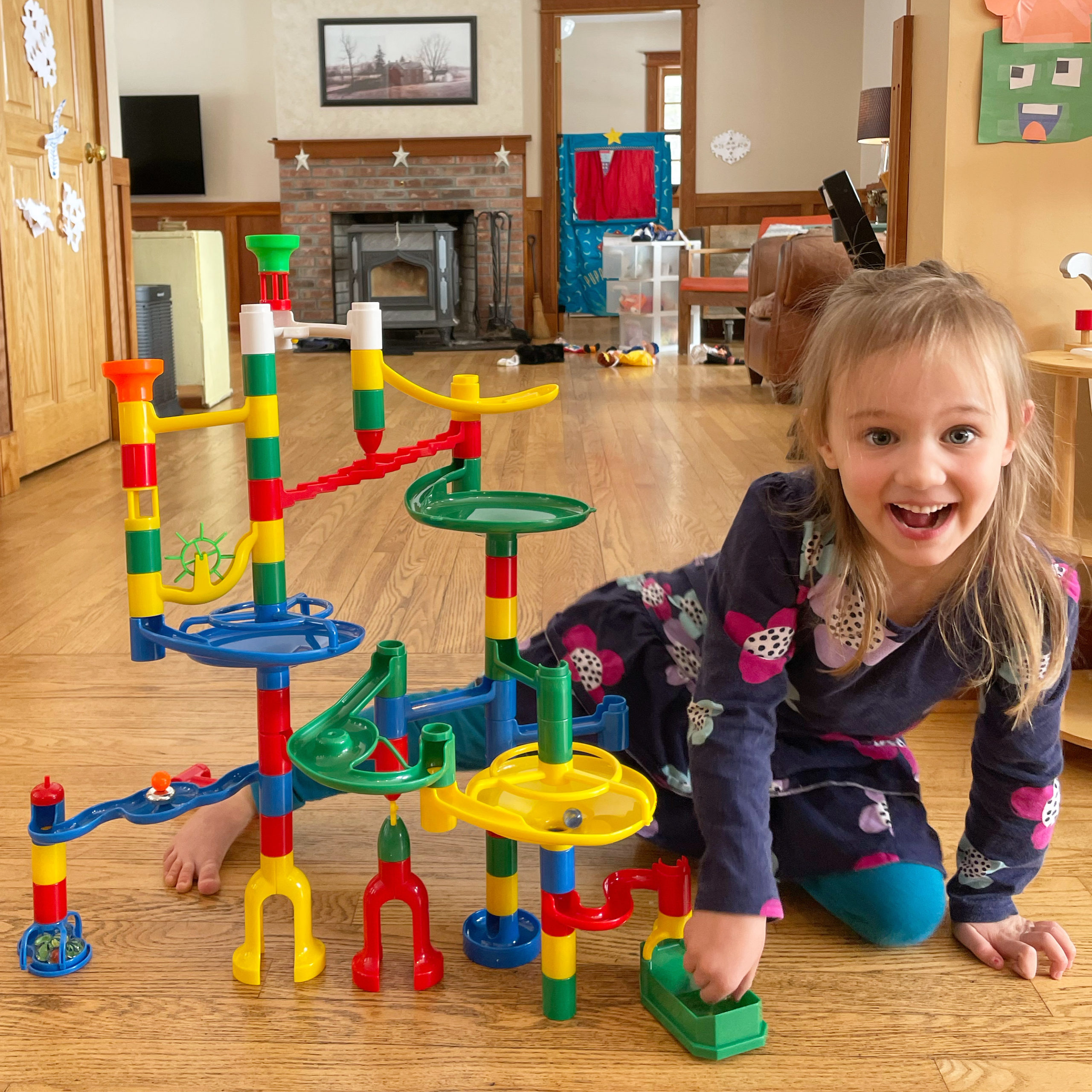
The total monthly spend, coming in at $4,641.49, covers a wide array of categories. Notably, the largest line items—Groceries ($879.72), Restaurants ($493.81), and Household/Home Improvement ($469.98)—reflect the reality of managing a home and raising children in a rural environment.
- Property Stewardship: Significant portions of the budget were allocated to tools, such as a battery-powered string trimmer ($293.15) and a pole saw attachment ($126.94). These are not frivolous purchases; they are investments in the maintenance of their land and the health of their fruit trees.
- Skill Acquisition: The purchase of gym rings and a mounting system ($71.99) underscores a commitment to physical fitness that can be integrated into daily life, regardless of weather or external constraints.
- Educational Milestones: The "final preschool payments" ($420.00) mark a transition into a new phase of family life, highlighting the finite nature of these costs.
Supporting Data: Systematizing Financial Health
To manage this complex budget, the family utilizes robust tracking systems, specifically recommending the platform Empower (formerly Personal Capital). The rationale is simple: one cannot optimize what one does not measure.

The family’s financial strategy is characterized by "earning while doing nothing." This includes:
- Cash-Back Credit Cards: By channeling necessary expenses through a 2% cash-back vehicle, they recouped $81.64 in May alone—effectively a 2% discount on their entire life.
- High-Yield Savings: The family advocates for moving capital out of stagnant accounts and into high-yield savings vehicles. By illustrating the difference between a 0% return and a 4% return on a $5,000 balance, they emphasize that money left idle is, in effect, a loss of purchasing power.
- MVNO Utilization: Their cell phone bill for two adults sits at a staggering $28.24 per month. By using a Mobile Virtual Network Operator (MVNO), they tap into the same network infrastructure as major carriers but at a fraction of the cost, proving that loyalty to a major brand is often a tax on the uninformed.
Implications: The Reality of "Parenting Taxes"
One of the most humanizing aspects of the Frugalwoods’ report is their acknowledgement of the "parenting tax." They candidly note that children are, by nature, destructive forces. Replacing cabinet hinges, toilet paper holders, and doorknobs has become a recurring line item.

These expenses serve as a reminder that the path to a sustainable life is not one of perfection, but of adaptation. They accept that certain items will break and that the cost of maintaining a home with children is higher than it would be otherwise. By budgeting for these repairs, they remove the frustration from the process. It is not an "emergency" when a child breaks a doorknob; it is a planned maintenance event.
Official Perspective: The Role of Financial Consultation
Beyond the blog posts and budget reports, the family has expanded their reach into professional financial consulting. Their approach to these sessions is holistic, eschewing the "get rich quick" mentality in favor of long-term stability. They analyze mortgages, retirement accounts, and debt strategies, but the core goal remains the same: making money enable the life one wants to live.

The fundamental shift they propose is away from "money as a destination" and toward "money as a tool." When one reaches this perspective, the fear surrounding personal finance begins to dissipate. The confusion that plagues most adults—the "I don’t know where to start" syndrome—is dismantled through systematic, small, and actionable steps.
Conclusion: A Blueprint for the Modern Home
The Frugalwoods’ May report is more than a list of expenses; it is a manifesto for the modern, intentional family. By prioritizing literacy over luxury, property maintenance over material acquisition, and data-driven decisions over impulse, they have created a lifestyle that is both resilient and remarkably content.

Their story suggests that the "good life" is not necessarily found in the next purchase, but in the hours spent reading with a child, the quiet satisfaction of a well-maintained garden, and the peace of mind that comes from knowing exactly where every dollar is going. In an age of uncertainty, their commitment to frugality acts as a powerful hedge against the world, proving that the most valuable things in life are often the ones we already have, or the ones we can find, restore, and cherish together.