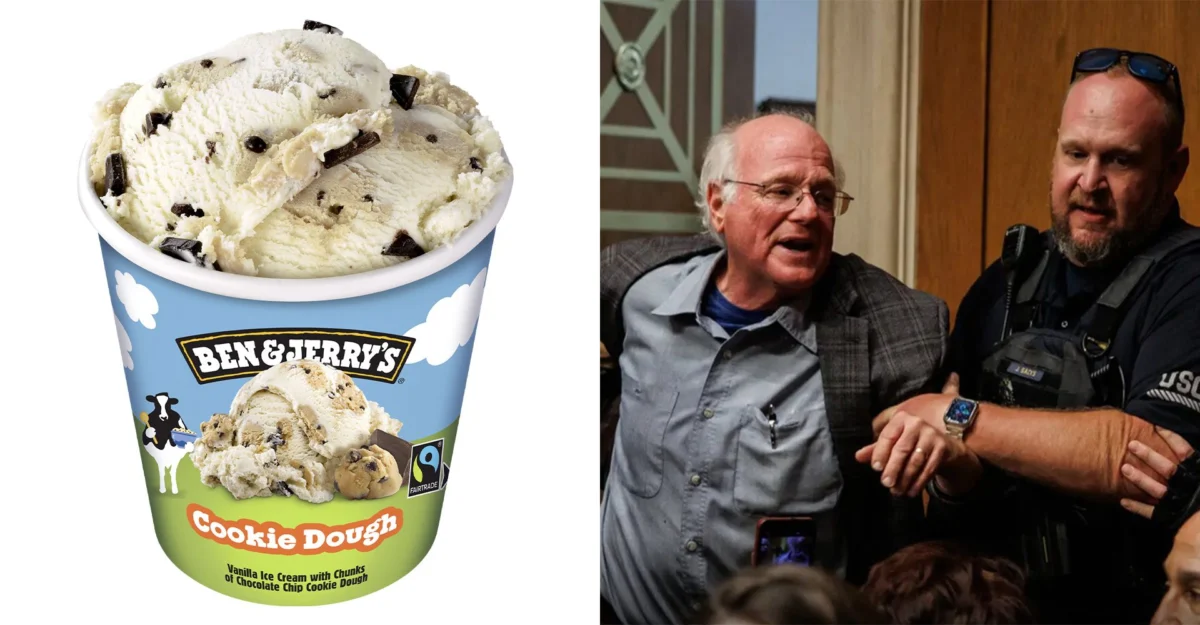
For decades, the name "Ben & Jerry’s" has been synonymous with two things: indulgent, chunk-heavy ice cream and a relentless commitment to social justice. While many corporations treat "Corporate Social Responsibility" (CSR) as a checkbox exercise—often relegated to an annual sustainability report or a performative social media post—the Vermont-based company has made activism a core ingredient of its business model. From renaming iconic flavors to support marriage equality to physically protesting on the steps of the U.S. Capitol, Ben & Jerry’s has consistently blurred the lines between commerce and conscience.
However, in an era of heightened polarization, this strategy invites both fervent loyalty and significant backlash. As brands increasingly face pressure to "pick a side," the Ben & Jerry’s model serves as both a blueprint for success and a cautionary tale of the risks inherent in corporate advocacy.
The Evolution of an Activist Brand
The origins of Ben & Jerry’s activism are not a modern marketing pivot; they are woven into the company’s DNA. Founders Ben Cohen and Jerry Greenfield started their venture in a renovated gas station in Burlington, Vermont, in 1978. From the outset, they envisioned a "linked prosperity" model, which posited that all stakeholders—from the dairy farmers in their supply chain to the employees in their scoop shops—should prosper along with the business.
This philosophy quickly expanded into the political sphere. The brand realized early on that its platform gave it the power to amplify social movements. By utilizing product packaging, marketing campaigns, and even the names of their products, the company began to act as a megaphone for causes they deemed critical. Whether it was environmental protection, racial justice, or economic equity, the company rarely shied away from controversy.
A Chronology of Conscience: From Flavor Names to Prison Walls
To understand the brand’s trajectory, one must look at how they have translated values into tangible action over the years:
- 1980s–1990s: Foundations of Advocacy: The company established the Ben & Jerry’s Foundation, committing a percentage of their pre-tax profits to grassroots social justice movements.
- 2009: "Hubby Hubby": In a bold move to celebrate the legalization of same-sex marriage in their home state of Vermont, the company renamed their popular "Chubby Hubby" flavor to "Hubby Hubby," demonstrating how a simple product tweak could spark a national conversation.
- 2016: The Democracy Awakening: Founders Ben Cohen and Jerry Greenfield were arrested alongside hundreds of others during the "Democracy Awakening" protests at the U.S. Capitol. The demonstration focused on the corrupting influence of money in politics and the erosion of voting rights.
- 2017: Campaigning for Criminal Justice Reform: The company took a strong stance against the mass incarceration system in the U.S., actively campaigning to close a controversial workhouse prison in St. Louis, Missouri.
- 2020: A Stand on Racial Justice: Following the murder of George Floyd, the brand released a powerful statement regarding systemic racism, marking a pivot toward more explicit, uncomfortable, and direct political discourse.
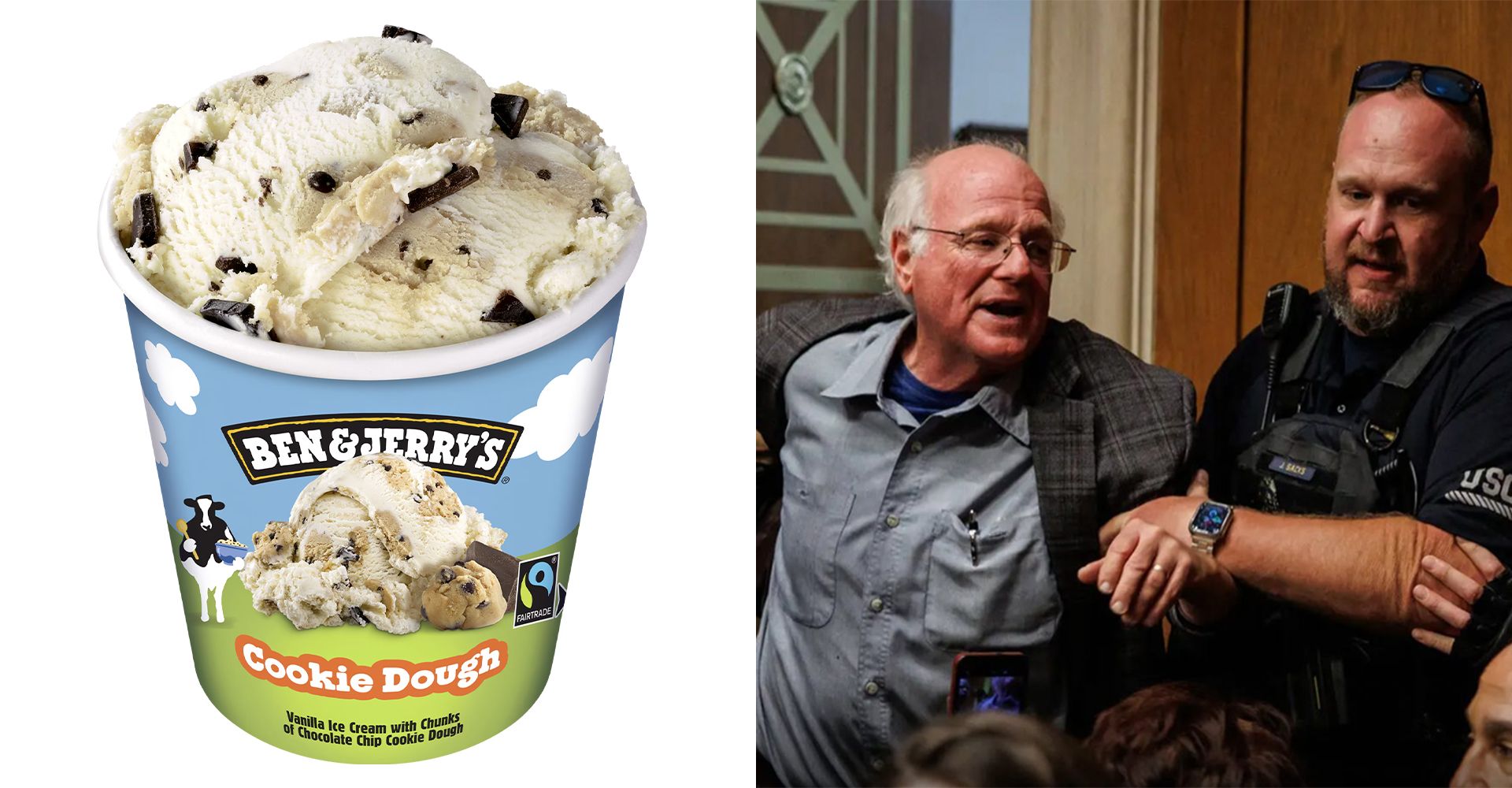
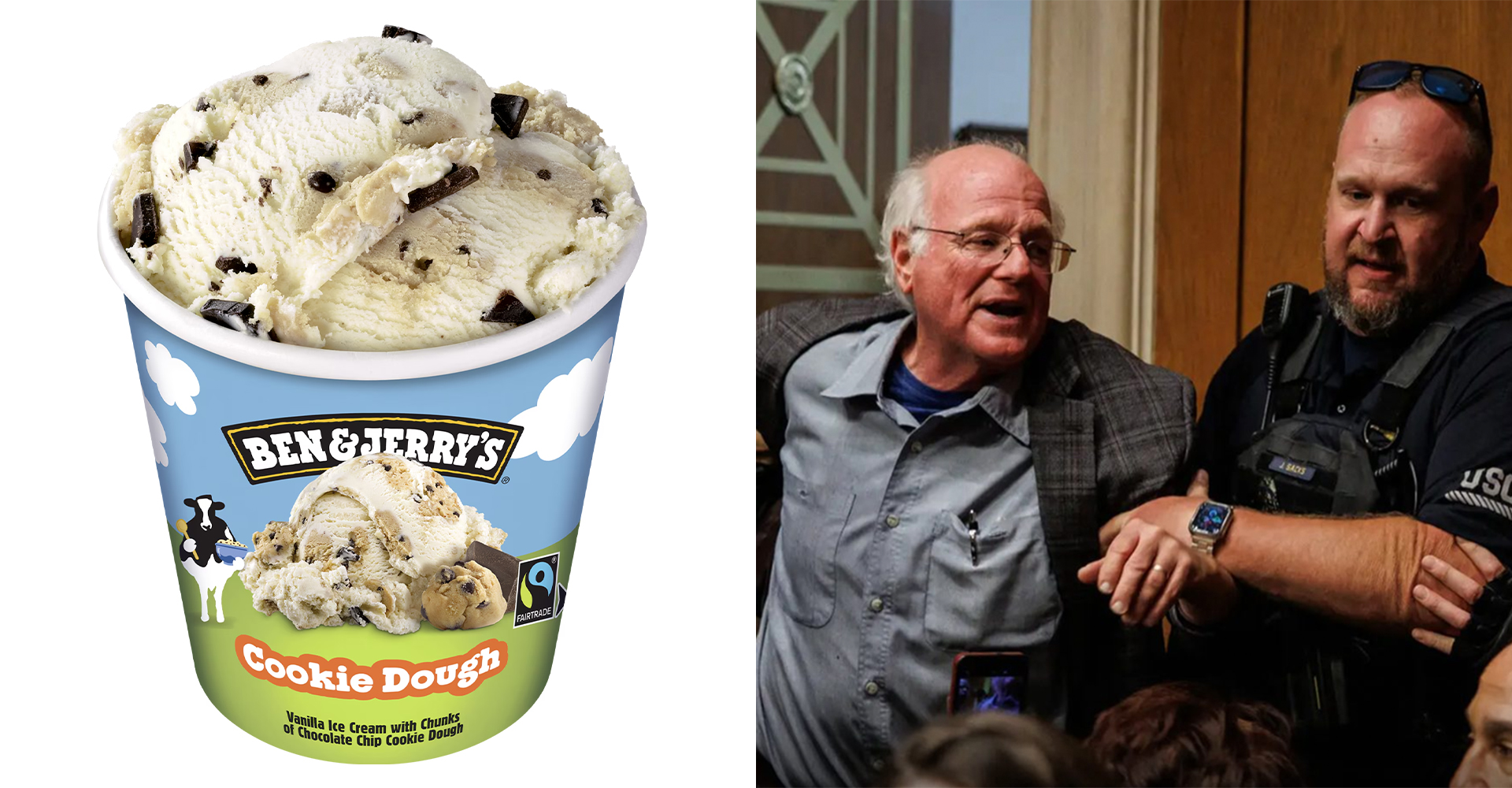
- 2025: Continued Civil Disobedience: Ben Cohen was arrested in May 2025 during a Senate protest concerning U.S. military aid and the humanitarian crisis in Gaza, signaling that the founders’ personal commitment to activism remains undiminished by age or corporate success.
The Paradigms Conference: Why Brands Can’t Stay Neutral
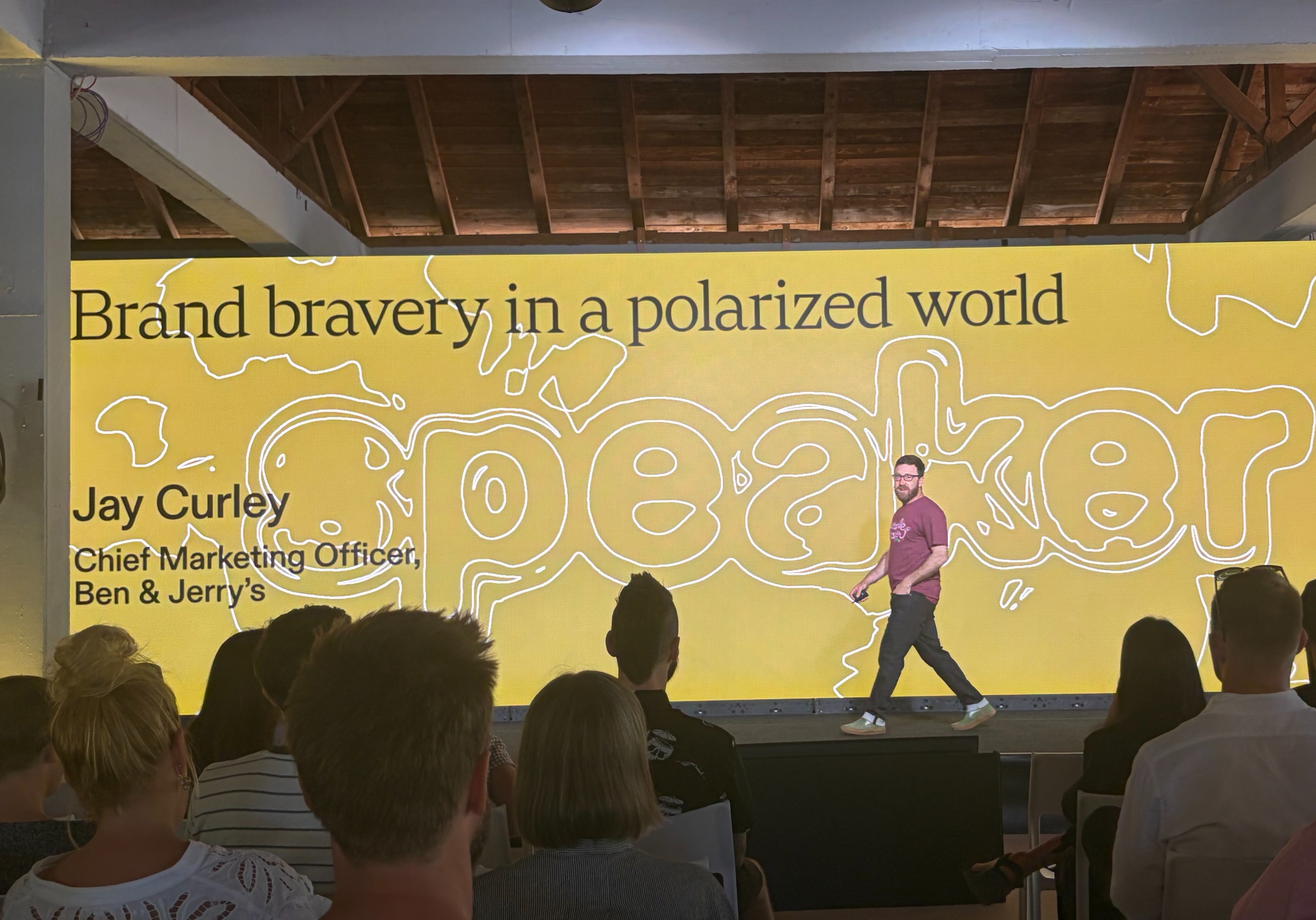
At the recent Paradigms conference in Croatia, Jay Curley, the Global Head of Integrated Marketing at Ben & Jerry’s, addressed the changing landscape of corporate marketing. His central thesis was that in the modern world, "staying neutral" is, in itself, a political stance.
"I think traditional businesses are risk-averse," Curley explained. "They have a traditional belief that it’s better to stay neutral and avoid polarizing issues. For some businesses, that might be the right approach. But I feel that brands that stand for something, and have communities they value and connect with, have to show up."
Curley argued that the era of the "faceless corporation" is ending. Consumers, particularly Gen Z and Millennials, are increasingly making purchasing decisions based on the ethical alignment of a brand. When a company ignores the pressing social issues of the day, it is often viewed as a tacit endorsement of the status quo.
The Strategy of Selection: Choosing Your Battles
How does a company decide which causes to champion? According to Curley, it is a process of filtering global events through the company’s internal value system.
"It starts with our values, and then we look at where we can have an impact," Curley noted. "We look at emerging social movements that could benefit from what we have to offer, and consider what’s pressing in the world that relates to those values."
This approach requires a level of internal consensus, though Curley admits that not every employee is always in agreement. "Most people who work at Ben & Jerry’s are here specifically because of our values," he stated. "But there’s no values test, and anyone is welcome to work here. We try to educate and engage people internally on the issues, so they understand what we’re doing and why."
Embracing Imperfection: The Courage to Be Wrong
Perhaps the most radical aspect of Ben & Jerry’s approach is their public admission that they are not perfect. In an age of "cancel culture," where a single misstep can lead to a PR disaster, the brand’s willingness to acknowledge their own shortcomings is a unique strategy.
"If we waited until Ben & Jerry’s was perfect in every aspect of racial justice as an organization, we would never use our voice," Curley admitted. When asked about past statements that might have been phrased differently in hindsight, he emphasized that the urgency of the cause often outweighs the need for corporate polish. "It takes a lot of courage to be imperfect," he added.
This philosophy of "progress over perfection" allows the company to remain agile. Instead of waiting for a focus-grouped, risk-free statement, they prefer to be in the conversation, even if that conversation becomes heated.
The Financial Implication: Alienating the Customer
The most common critique of "woke capitalism" is that it alienates a portion of the customer base. If a brand takes a hardline stance on a controversial political issue, they risk losing the patronage of customers who hold opposing views.

Curley is surprisingly candid about this trade-off. "I’m grateful that we live in a free country where people can choose what they want to buy," he said. "There are plenty of people who may not be deeply aligned with us on a values level but love Cookie Dough, so they buy it. I think that’s fine. Equally, some people decide not to buy our products, and that’s their choice."
This represents a departure from traditional marketing, which seeks to maximize the total addressable market by offending no one. Ben & Jerry’s has opted for a "depth over breadth" strategy, betting that the loyalty of a mission-aligned customer base is more valuable in the long term than the fleeting patronage of the indifferent.
Industry Benchmarks: Who Else is Doing It?
Ben & Jerry’s is not alone in this landscape. Curley pointed to other companies that have successfully integrated activism into their business models:
- Patagonia: Long considered the gold standard for corporate environmental activism, Patagonia’s commitment to donating profits to climate causes has become a model for brand integrity.
- Lush Cosmetics: Known for their anti-animal testing campaigns and ethical sourcing, Lush frequently uses their store windows and products to highlight human rights and environmental issues.
- Penzeys Spices: A smaller, but notable, example in the U.S. market. By taking unapologetically bold stances on political issues, they have cultivated a fiercely loyal customer base that views their spice purchases as an act of political support.
Conclusion: The Future of Brand Advocacy
As the world becomes more interconnected and the challenges facing society—from climate change to human rights—become more urgent, the role of the corporation is being re-evaluated. Ben & Jerry’s has proven that a brand can be both a global powerhouse and a vocal activist.
While the risks of alienation and backlash are real, the brand’s longevity suggests that for many consumers, the product is only half the value. The other half is the identity and the movement that the brand represents. For Ben & Jerry’s, the recipe for success isn’t just about the mix of dairy and sugar—it’s about the conviction to keep stirring the pot, even when the heat turns up.
As Curley concluded, "Brands that stand for something have to show up." For Ben & Jerry’s, the choice to show up isn’t just a marketing strategy—it’s the only way they know how to do business.