In an era where digital privacy is often the first casualty of technological advancement, the team at Day One is setting a new precedent for the intersection of artificial intelligence and personal reflection. By integrating Apple Intelligence into its renowned journaling platform, Day One is not just upgrading its software—it is redefining how we interact with our own memories, all while ensuring the sanctity of the user’s private life remains uncompromised.
The latest update, version 2025.19, introduces a suite of powerful, AI-driven tools designed to act as a "creative companion" rather than a replacement for the human voice. By leveraging Apple’s Foundation Models framework, Day One has successfully navigated the delicate balance of providing modern convenience without ever sacrificing the security that has made it a leader in the journaling space.
The Core Mission: Privacy-First Innovation
At its heart, Day One has always been a sanctuary for life’s most intimate moments. The introduction of Apple Intelligence follows this mandate with rigorous precision. Unlike many contemporary AI applications that rely on cloud-based processing—where data is transmitted, analyzed, and stored on remote servers—Day One’s new features operate entirely on-device.

This shift is made possible by the Foundation Models framework, which allows the sophisticated language models to run directly on the hardware of the iPhone and iPad. Consequently, a user’s journal entries never leave their device. No data is collected, no information is shared with third-party servers, and the entire experience is functional even in a completely offline environment. For the privacy-conscious user, this represents a significant milestone: the ability to utilize advanced machine learning without the risks traditionally associated with connected AI.
A Chronology of Integration: The Path to Version 2025.19
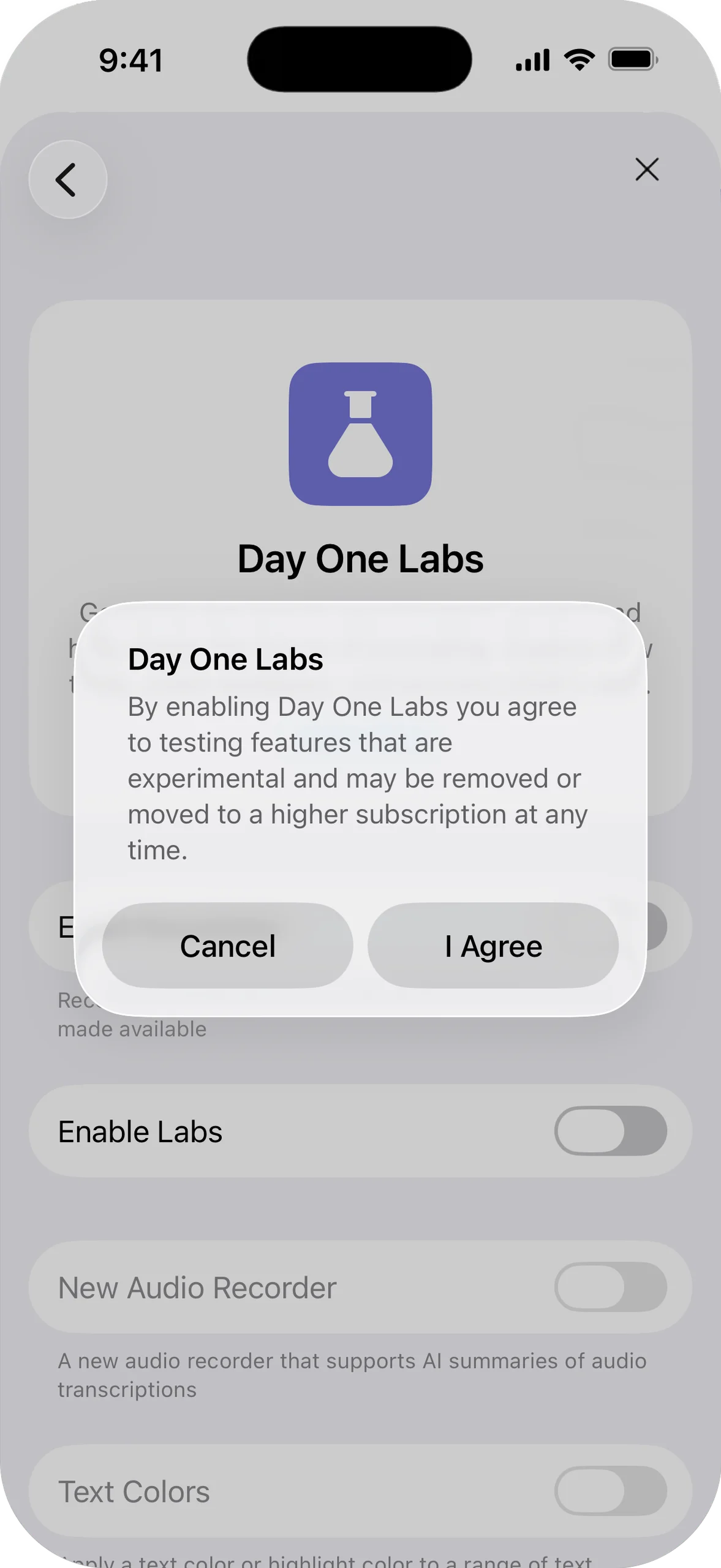
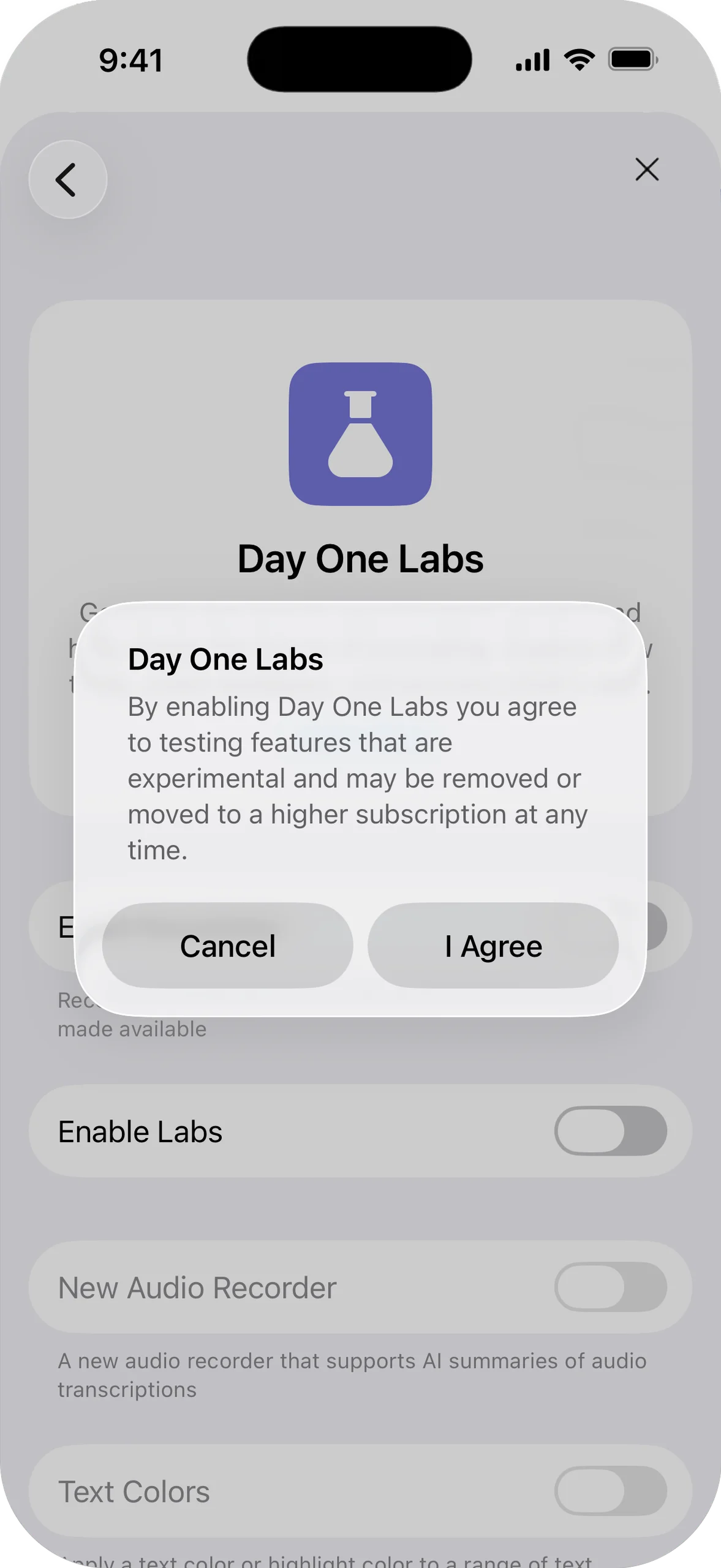
The journey toward this integration began with a long-standing commitment to experimental features within "Day One Labs." For months, the development team tested various AI prototypes, including the popular "Entry Summary" feature.
- Experimental Phase: Initially, users explored AI tools through the Labs portal, providing feedback that helped shape the current, more polished iteration.
- Standardization: With the release of iOS 26 and the maturity of Apple’s own Foundation Models, the Day One team transitioned from experimental Labs features to core, native system integration.
- The Rollout: Version 2025.19 marks the official deployment, moving these features from a "beta" mindset to a fully supported, robust part of the application’s core editor.
- The Transition: Existing users who utilized the old Labs-based "Entry Summary" will notice a seamless, albeit intentional, transition to the new "Entry Highlights" feature, which utilizes a more refined system prompt and cleaner, bullet-point formatting.
Empowering the Writer: The New Toolset
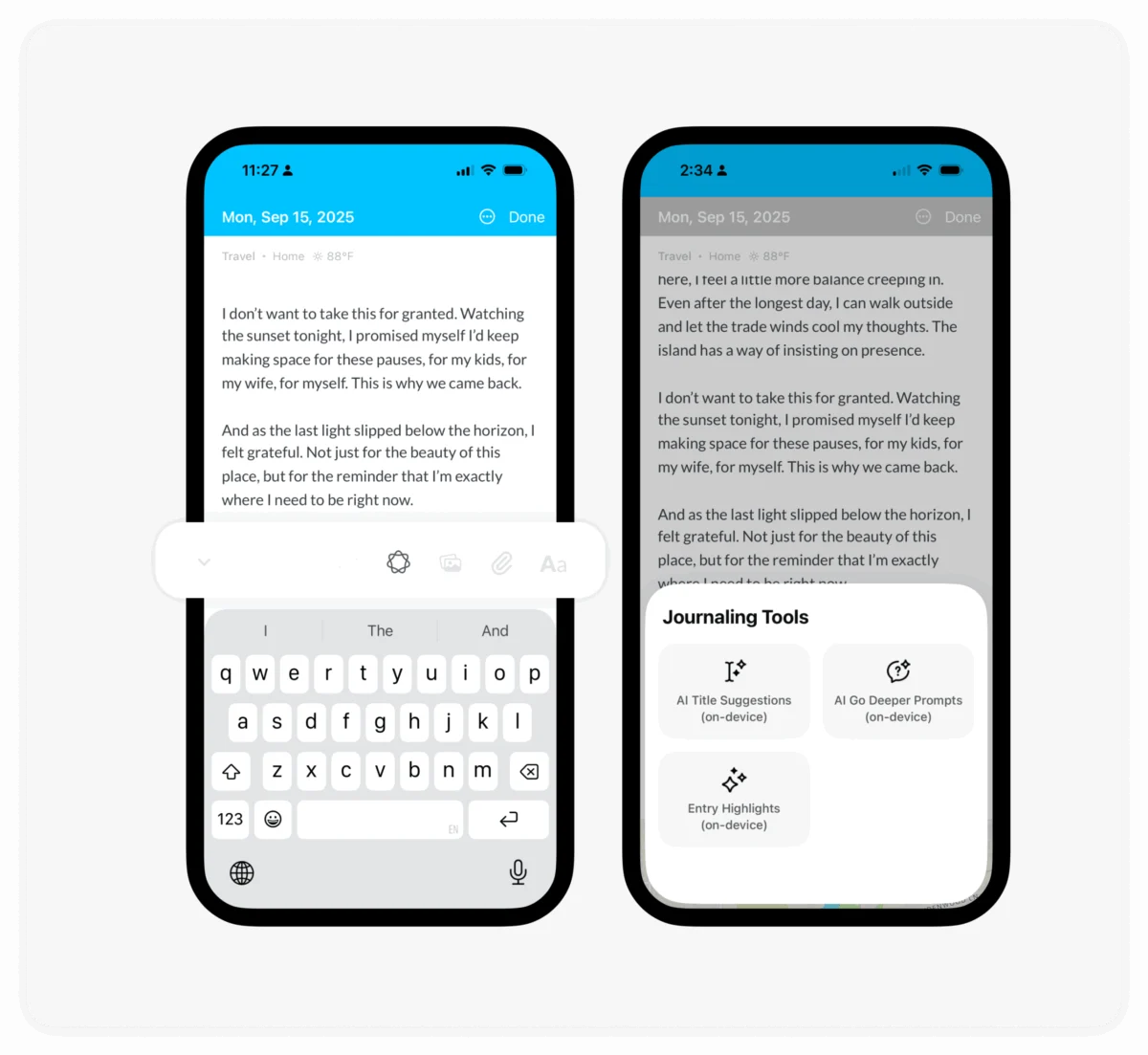
The update introduces three primary features, each designed to lower the barrier to entry for daily journaling and to provide deeper analytical insights into one’s own writing.

1. Go Deeper Prompts
Journaling often suffers from the "blank page" syndrome. "Go Deeper" is an interactive tool that analyzes the text already present in an entry and generates follow-up questions. It acts as a digital therapist or mentor, nudging the user to explore the emotional, contextual, or practical layers of their day that they might have overlooked.
2. Entry Title Suggestions
For those who prefer a structured, organized journal, titling entries is a key part of the process. The AI now provides intelligent title suggestions based on the content of the entry. By distilling the essence of the text into a concise, descriptive header, the tool makes future searching and browsing significantly more efficient.
3. Entry Highlights
Replacing the former "Entry Summary," this feature provides a concise, bulleted overview of the day’s activities or thoughts. It is particularly useful for users who write long-form entries and want a quick way to revisit the "high-level" takeaways of their week, month, or year.

Official Stance: Transparency and User Agency
The Day One team has been vocal about the optional nature of these tools. Understanding that the journaling community is inherently protective of their content, the developers have ensured that the AI integration is not an "always-on" service.
"We see AI as a creative companion, not a replacement for your voice," a spokesperson for the company stated. "Our mission is to help you capture life’s moments. If AI helps you uncover an insight you hadn’t considered or makes the act of journaling feel more rewarding, we have succeeded. But if you prefer a manual, non-AI experience, you have that right."
Every feature is governed by a simple, global toggle. Users can navigate to Settings > Apple Intelligence to enable or disable these capabilities at any time. This granular control underscores the developer’s commitment to user autonomy.

The Technical Framework: How It Works
The architecture behind this integration is a testament to the advancements in edge computing. By utilizing Apple’s proprietary framework, the application calls upon the device’s neural engine to perform complex language processing tasks.
- Offline Functionality: Because the models are baked into the operating system and the app, the features do not require a data connection. Whether you are on a remote hike or in an airplane, your journal’s intelligence remains available.
- Zero-Data Collection: Because the "inference" (the process of the AI creating the output) happens in the sandbox of the app on your phone, there is no "phone home" mechanism. There is no cloud storage of the processed text.
- Hardware Requirements: To ensure a fluid experience, these features are limited to compatible devices running iOS 26. This hardware requirement ensures that the device has sufficient processing power to handle the AI tasks without impacting battery life or device performance.
Implications for the Future of Journaling
The integration of Apple Intelligence into Day One marks a pivotal moment for the Personal Knowledge Management (PKM) and digital journaling industry. For years, the trade-off for "smart" software was privacy. Users were forced to choose between the convenience of machine learning and the confidentiality of their inner thoughts.
By demonstrating that it is possible to provide intelligent, contextual, and helpful writing tools without compromising the "zero-knowledge" privacy model, Day One is forcing a shift in market expectations. We are likely to see a trend where "on-device AI" becomes the gold standard for any application dealing with sensitive, private data.

Furthermore, this update changes the nature of the journal. It transforms the journal from a passive archive of text into an active, analytical partner. As the AI models evolve, they will likely become better at recognizing patterns, identifying emotional shifts over time, and offering more profound reflections on the user’s habits and growth.
Addressing the Skepticism
Despite the technical benefits, the inclusion of AI in a diary remains a topic of debate. Some purists argue that the act of writing should be entirely human. The Day One team addresses this head-on in their FAQ, noting that the AI is meant to enhance the experience, not create it.
The system is designed to be "invisible" until needed. It doesn’t write for you; it waits for your input. It only functions when the user engages the tools, making it a reactive rather than a proactive participant in the writing process.

Moving Forward: The Next Chapter
As the technology behind Apple Intelligence continues to refine itself, Day One has committed to ongoing updates. The current suite of features is explicitly framed as the "beginning" of a broader initiative.
For the user, the takeaway is clear: the digital journal of the future is here, it is smarter than ever, and—most importantly—it is still entirely yours. Whether you are a long-time user or someone looking to start your first entry, this update provides a powerful incentive to pick up your device and begin reflecting.
In a world that is increasingly loud and distracted, Day One’s embrace of private, on-device intelligence provides a quiet, secure space to find clarity. By leveraging the latest in technology to serve the oldest of human practices—self-reflection—the platform ensures that our personal histories remain both preserved and deeply understood.