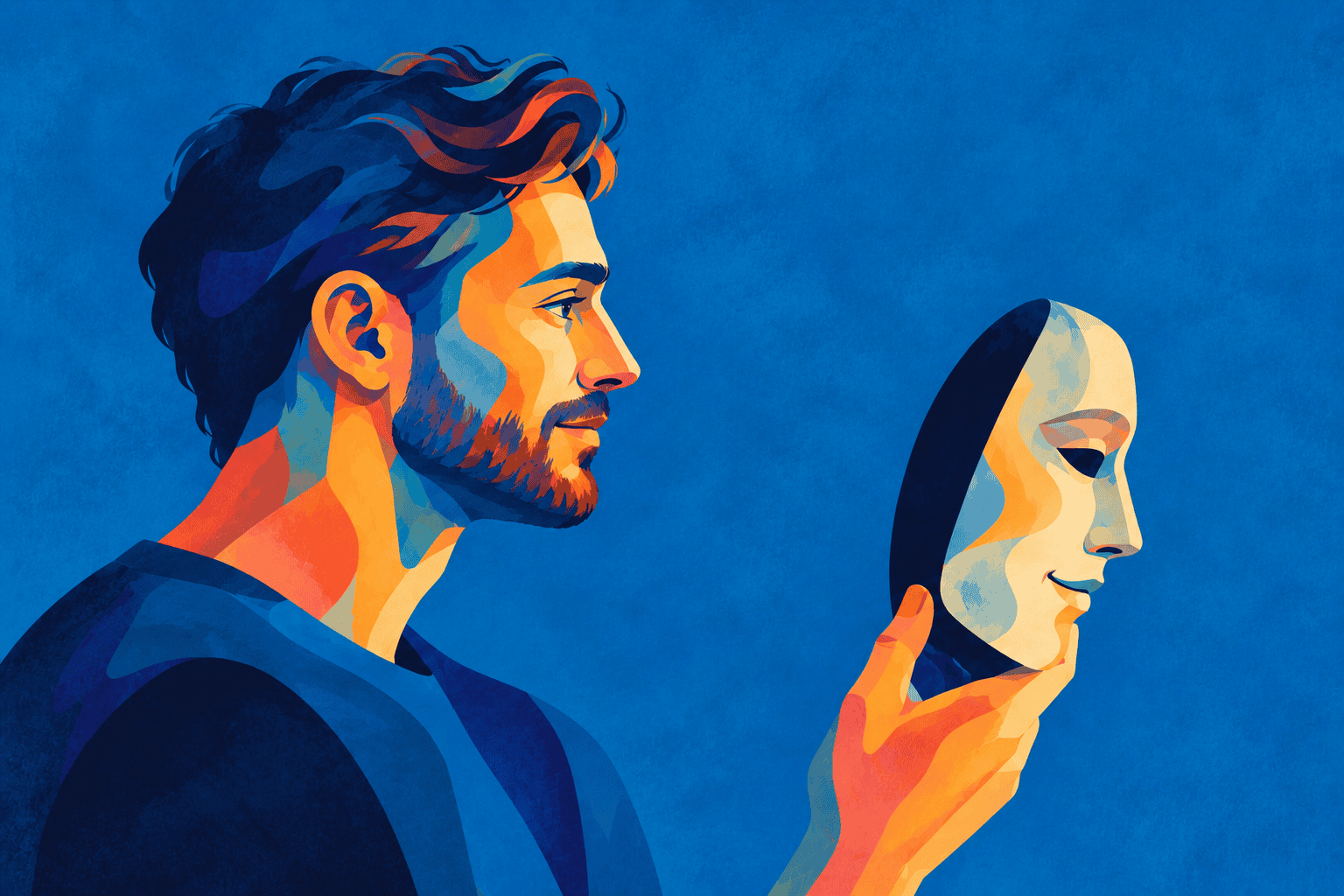
For decades, millions of individuals have navigated society while performing a silent, unpaid, and exhausting labor: the act of "masking." For those on the autism spectrum, this is not merely a social strategy; it is a survival mechanism honed in response to a world that often perceives neurodivergence as an anomaly. Jimmy Clare, a prominent advocate and 2026 Speaker of the Year, describes this phenomenon as a "second full-time job," one that demands the meticulous suppression of the true self in exchange for the safety of social acceptance.
The Anatomy of the Mask: A Chronology of Suppression
The journey of the neurodivergent individual often begins in childhood, a period marked by a visceral awareness of being "different." For many, this difference is met not with curiosity, but with exclusion or ridicule.
Childhood and the Genesis of the Performance
Early life for many autistic individuals is characterized by a "science experiment" dynamic, where peers observe the neurodivergent child as an outsider. To navigate this, many adopt a protective strategy: they begin to study social norms with the intensity of a scholar preparing for an exam. This involves the deliberate memorization of conversational scripts, the practicing of facial expressions in front of mirrors, and the internalization of "traffic laws" for social interaction—rules such as avoiding interruptions or suppressing one’s genuine interests to satisfy the expectations of neurotypical peers.
The Peak of Performance
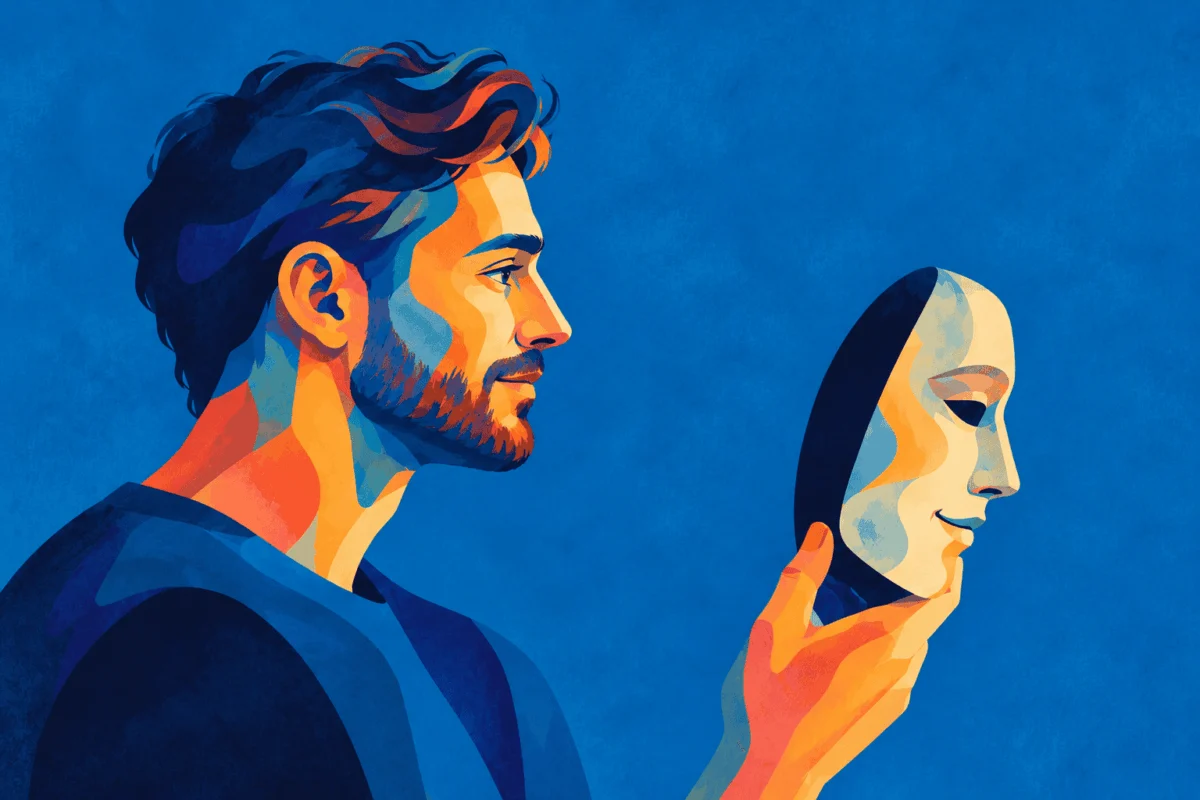
By early adulthood, the performance often reaches a level of clinical proficiency. The individual can enter a room, perform "normalcy" with convincing accuracy, and manage small talk while suppressing sensory triggers. However, this proficiency comes at a staggering psychological cost. The "post-performance" period is frequently defined by a collapse—an exhaustion comparable to running a marathon that one never signed up for. This is the essence of masking: the construction of a social avatar that is palatable to the public, maintained at the expense of the person underneath.
The Tipping Point: Burnout and Realization
The burnout associated with masking is rarely an acute event; it is a slow, corrosive erosion of the self. As the years pass, the effort required to maintain the facade becomes unsustainable. Interests that once provided joy become sources of dread, and social invitations—once seen as opportunities for connection—become chores that trigger emotional distress. The "functioning" individual continues to perform, yet the internal landscape is one of depletion and disconnection. The breaking point arrives not as a singular, dramatic incident, but as a quiet, definitive realization: the choice between a lifetime of performative misery and the risk of authenticity.
The Science and Psychology of Masking
"Masking" is a psychological term that, while not exclusively tied to autism, has become central to modern neurodivergent discourse. Psychologists define it as the suppression of autistic traits to blend into neurotypical environments.
The Psychological Toll
Research indicates that long-term masking is strongly correlated with increased anxiety, depression, and a loss of identity. When an individual spends their life monitoring their every movement, tone, and expression, the internal "self" becomes secondary to the "performance." This leads to a state where the individual no longer knows what they enjoy, what they prefer, or who they are outside of the social context.
The Physical Manifestation of Stress
The body often acts as a barometer for this psychological burden. Sensory overload—the inability to process environmental stimuli like harsh fluorescent lighting or chaotic acoustic environments—is exacerbated by the cognitive load of masking. When a person is focused on appearing "normal," they lack the bandwidth to manage their sensory environment, leading to a feedback loop of stress that can cause physical burnout, fatigue, and even chronic health issues.
Redefining Autonomy: The Path to Unmasking
The decision to stop masking is not a rejection of society, but a reclamation of agency. For individuals like Jimmy Clare, this process begins with small, incremental shifts in behavior.
The "No-Apology" Framework
A significant component of the unmasking process is the removal of the "apology" reflex. Many neurodivergent individuals have been socialized to apologize for their existence—for needing quiet, for needing a break from social stimulation, or for not engaging in expected eye contact. Transitioning to a space where these needs are treated as neutral facts rather than "character flaws" is a critical step in the journey toward wellness.
Shifts in Social Dynamics
The act of unmasking acts as a filter for one’s social circle. Relationships built entirely on the performance of normalcy are often unable to survive the shift toward authenticity. While this can lead to the loss of certain acquaintanceships, it creates space for more profound, honest connections. Authentic interaction—even if it is "awkward"—is consistently reported as more satisfying and sustainable than the performance of a scripted social interaction.
Implications for Society and the Workplace
The narrative surrounding neurodivergence is currently undergoing a paradigm shift. Moving from the medical model, which views autism as a set of symptoms to be "fixed," to the social model, which views it as a variation of human neurobiology, is essential for progress.
Workplace Inclusion and Environments
For employers and institutions, the implications are clear: the environments we build are often not "neutral." They are designed by and for neurotypical brains. When an organization prioritizes a "quiet space," allows for flexible communication styles, and moves away from rigid social expectations, it allows neurodivergent talent to thrive without the need for the exhausting, productivity-sapping labor of masking.
The Role of Advocacy
Speakers like Jimmy Clare, through platforms such as The CrazyFitnessGuy Show, play a vital role in dismantling the stigma associated with the spectrum. By sharing personal testimonies, they provide a blueprint for others to follow. The goal of this advocacy is not to demand that the world change overnight, but to normalize the existence of different ways of being.
Conclusion: The Freedom of the True Self
The journey from masking to authenticity is, ultimately, a journey toward freedom. The mask, while initially appearing as a protective shield against rejection, functions more accurately as a cage. It locks the individual into a cycle of performance that limits their ability to connect, rest, and exist in their own skin.
For those who are currently exhausted by their own performance, the advice is not to discard the mask in a single, radical moment, but to begin with small acts of honesty. Whether it is choosing a quiet coffee shop over a crowded event, or allowing oneself to "stim" (fidget or move) when the body requires it, every act of authenticity is a victory.
As the experience of many in the neurodivergent community suggests, the world is often more resilient—and more accepting—than we fear. The people who are truly worth knowing are those who do not flinch when the mask falls away. In the end, the most profound discovery is not that one needs to change to fit the world, but that the world is much broader and more accommodating than the rigid, narrow definitions of "normal" would have us believe. Normal was never the goal; it was the obstacle.