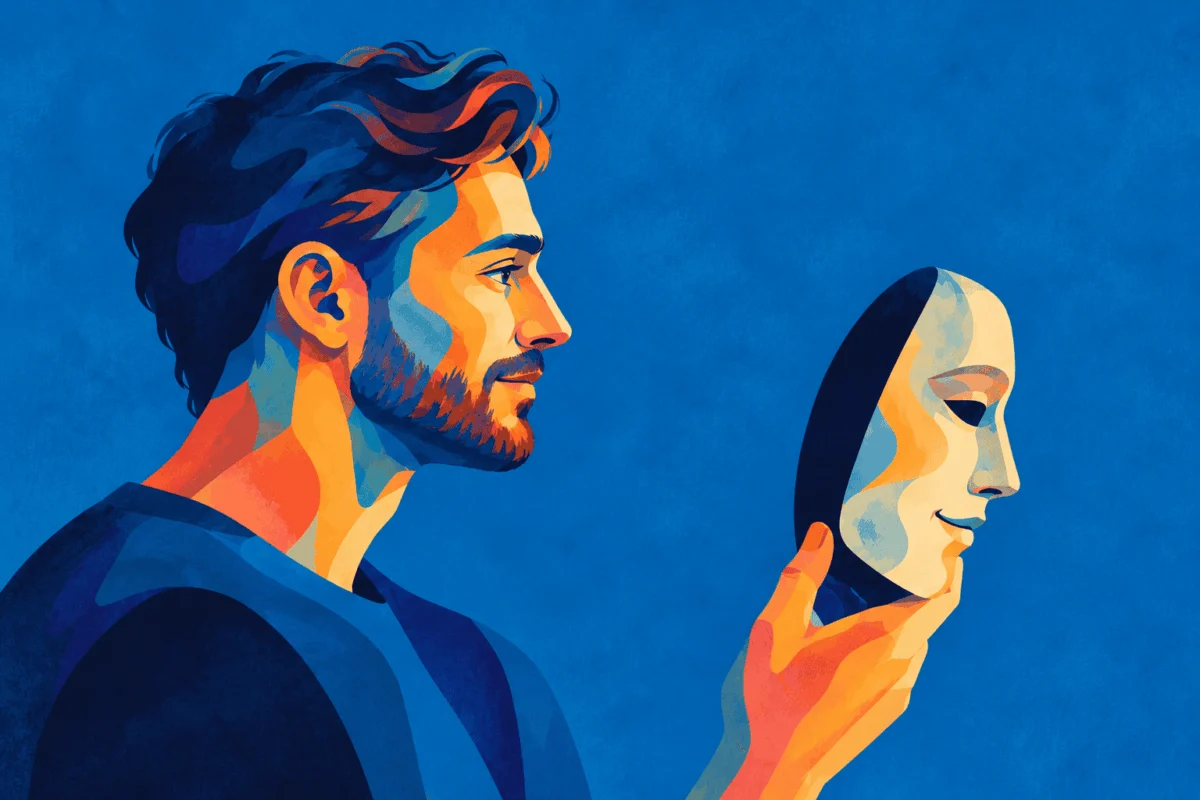
For many individuals on the autism spectrum, life is governed by an invisible, unpaid, and exhausting second job: the act of "masking." It is a performative endeavor that requires constant surveillance of one’s own behavior to mirror the social expectations of a neurotypical world. For Jimmy Clare, a renowned speaker and advocate, this performance was not merely a social strategy—it was a survival mechanism that eventually led to a profound state of burnout.
Clare’s journey, which he recently shared with the Tiny Buddha community, highlights a growing movement within the neurodivergent community to trade the "safety" of conformity for the authenticity of the true self.
The Anatomy of a Mask: A Psychological Perspective
"Masking" is a term increasingly recognized by psychologists and neurologists to describe the conscious or unconscious suppression of natural autistic traits. This may include forcing eye contact, scripting conversations, mimicking facial expressions, or suppressing "stimming" (self-stimulatory behaviors like rocking or fidgeting).
For those who engage in it, the motivation is rarely vanity. Instead, it is a response to early feedback—often from peers or authority figures—that their natural way of being is "incorrect," "unsafe," or "weird."
The Chronology of Conformity
For Clare, the realization that he was "different" arrived early in childhood. Lacking the vocabulary to explain his neurodivergence, he interpreted the world’s reaction to his behavior as a signal that he was the problem.
- The Observation Phase: As a child, Clare began treating social interaction like an academic subject. He systematically studied his peers, observing their posture, the cadence of their laughter, and the duration of their eye contact.
- The Scripting Phase: This involved the rote memorization of jokes and the practice of social "traffic laws"—rules that governed when to speak, how to listen, and how to truncate one’s genuine interests to fit into mundane small talk.
- The Performance Phase: Throughout his youth and early adulthood, Clare became a master of his craft. He could navigate rooms and conversations with such polish that his underlying autism remained hidden.
- The Burnout Phase: The accumulation of these daily performances eventually resulted in a total collapse. The physical and emotional energy required to sustain the facade became unsustainable, leading to chronic fatigue, isolation, and a deep-seated dread of social interaction.
Supporting Data: The Impact of Camouflaging on Mental Health
The phenomenon described by Clare is supported by a growing body of research. Studies on "social camouflaging" in autism suggest that the cognitive load required to mask is significantly linked to higher rates of anxiety, depression, and suicidal ideation among autistic adults.
The Myth of "High-Functioning"
The term "high-functioning" is increasingly criticized by clinicians because it focuses on an individual’s ability to "pass" in society rather than their internal well-being. A person who can hold a job and participate in social gatherings while masking is often perceived as "doing well" by onlookers, while internally, they may be experiencing severe sensory overload and emotional exhaustion.
According to a study published in The Lancet Psychiatry, individuals who feel forced to suppress their autistic identity report significantly higher levels of burnout. The "mask" acts as a protective layer against immediate rejection, but it simultaneously prevents the development of authentic relationships, as the individual is not showing their true self to others.
The Turning Point: Choosing Authenticity Over Acceptance
Clare’s decision to drop the mask did not arrive as a sudden epiphany, but rather as a "slow leak"—the realization that the cost of maintaining the facade had exceeded the benefits.
The Process of De-masking
The transition was incremental. It began with small, reclaimed behaviors:
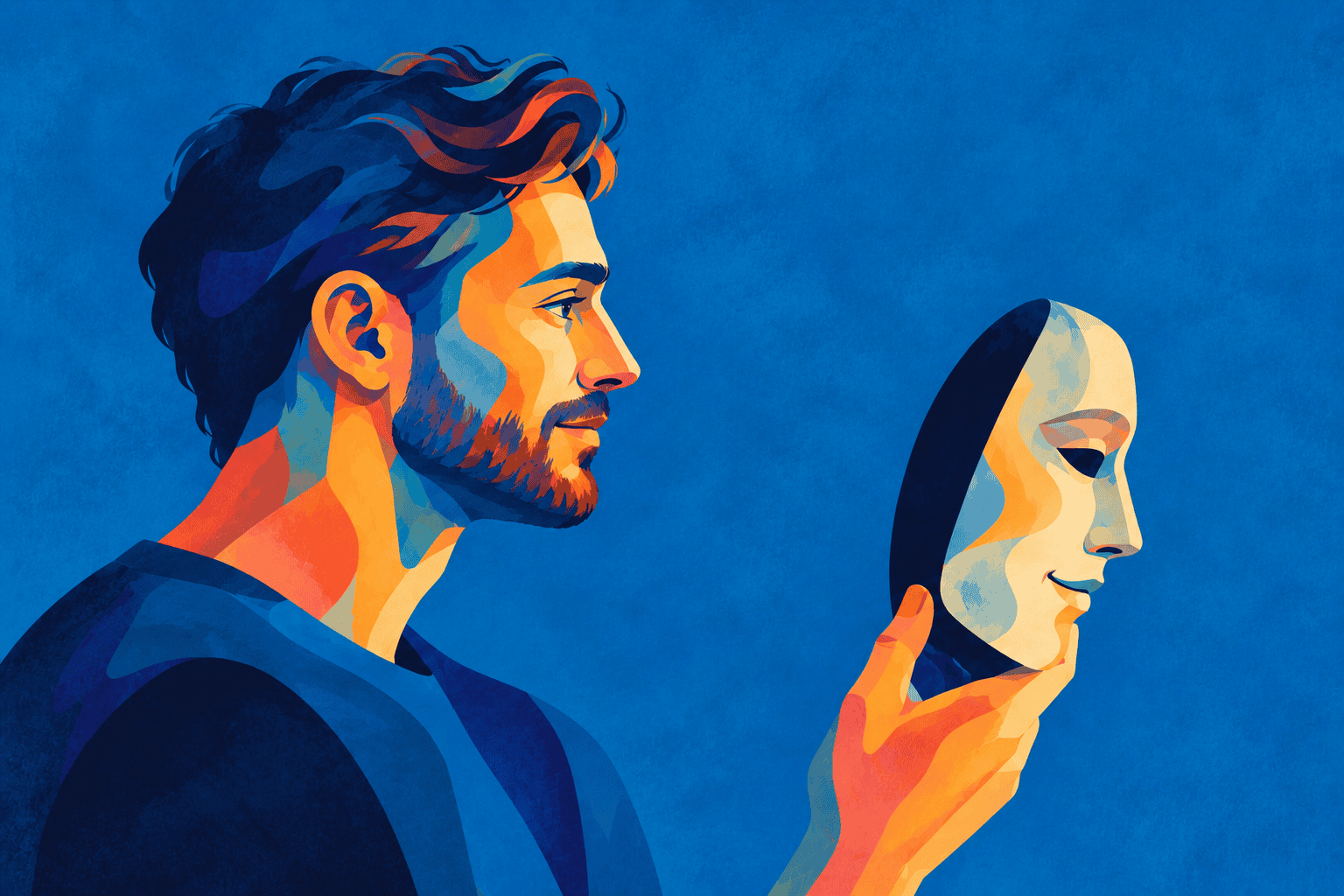
- Sensory Autonomy: Allowing himself to avoid forced eye contact, which he describes as feeling like "staring into the sun."
- Emotional Honesty: Refusing to laugh at jokes he did not find humorous.
- Physical Expression: Embracing stimming as a necessary way to regulate his nervous system rather than hiding it out of shame.
- Boundary Setting: Reclaiming his need for silence and solitude without apologizing.
This shift, while seemingly minor, had a transformative effect on his social landscape. Clare noted that while some superficial friendships—those built entirely on the performance—dissolved, his genuine connections became stronger. When he ceased the act, he found that people were actually more capable of connecting with him.
Implications for Neurodivergent Inclusion
The implications of Clare’s experience extend far beyond his personal life; they serve as a critique of how modern society views "normalcy."
A Redefinition of Success
Clare argues that the goal of social integration should not be "normalcy." By setting "normal" as the standard, society creates an obstacle for neurodivergent individuals, forcing them to spend their limited energy on performance rather than contribution.
Official Perspectives on Neurodiversity
Advocacy groups and mental health professionals are increasingly pushing for environments that accommodate neurodivergent needs rather than demanding that the individual "fix" themselves. This includes:
- Workplace Accommodations: Allowing for flexible communication styles, quiet workspaces, and clear, literal instructions.
- Educational Reform: Moving away from behavioral therapies that focus on "extinguishing" autistic traits and toward therapies that focus on communication and emotional regulation.
- Social Acceptance: Normalizing the presence of neurodivergent behaviors in public spaces, such as stimming or the need for noise-canceling headphones.
Conclusion: The Freedom of Being
Jimmy Clare, now a prominent speaker and founder of CrazyFitnessGuy, stands as a testament to the power of self-acceptance. His message is a rallying cry for anyone who feels trapped by the performance of normalcy: the mask is a cage.
The path toward shedding that mask is not necessarily easy, but it is necessary for mental and emotional survival. By choosing to exist as himself—awkward, honest, and neurodivergent—Clare found that he did not lose his place in the world; he finally found the space to thrive within it.
"Normal was never the goal," Clare writes. "It was the obstacle."
For the millions of people who mask every day, the invitation to step out of the shadows and into one’s own truth is the most significant step toward true belonging. The world may not change overnight, but the internal shift from viewing oneself as "broken" to viewing oneself as "different" provides a necessary foundation for a life of authenticity, connection, and, ultimately, rest.
About the Author: Jimmy Clare is a 2026 Speaker of the Year and a passionate advocate for neurodiversity. Through his platform, CrazyFitnessGuy, he continues to educate the public on the importance of mental health and self-acceptance in the autistic community.