By Olivia Rosane and Cristen Hemingway Jaynes
Methane is a silent, invisible, and odorless force that has become the second-most significant driver of the global climate crisis. While carbon dioxide (CO2) often dominates the headlines, methane—a potent hydrocarbon—is the primary component of natural gas and a major byproduct of agricultural and industrial processes. As global temperatures reach record highs, the urgent need to understand and mitigate methane emissions has never been more critical.
Quick Key Facts
- Atmospheric Potency: Over a 20-year period, methane traps 86 times more heat than carbon dioxide.
- Atmospheric Lifespan: Unlike CO2, which lingers for centuries, methane persists in the atmosphere for approximately 12 years.
- Current Concentrations: As of 2023, atmospheric methane levels have surged by 265% compared to pre-industrial levels.
- Human Contribution: Roughly 60% of current methane emissions are directly attributable to human activity, primarily agriculture, fossil fuels, and waste management.
- The 2030 Mandate: The IPCC estimates that global methane emissions must fall by 34% by 2030 to keep the 1.5°C climate target within reach.
A Chronology of the Methane Surge
The history of methane in the modern era is inextricably linked to the Industrial Revolution and the subsequent rise of intensive industrial agriculture.

Pre-Industrial Era: Methane levels remained relatively stable for millennia, regulated by natural sinks like soil and the troposphere.
The 20th Century: As global populations expanded, so did the demand for meat, rice, and fossil fuels. The expansion of large-scale cattle ranching, the intensification of coal mining, and the mass adoption of natural gas as a "bridge fuel" led to a steady climb in atmospheric concentrations.
2016–2022: The United States lifted its ban on liquefied natural gas (LNG) exports in 2016. By 2022, the U.S. had become the world’s leading exporter of natural gas, fueling a massive infrastructure boom that critics argue is effectively locking the world into long-term methane dependence.

2021–Present: At COP26, the Global Methane Pledge was launched, with 159 nations committing to a 30% reduction by 2030. Despite these commitments, 2023 saw record-breaking atmospheric methane concentrations, highlighting a severe "implementation gap" between political promises and industrial reality.
Supporting Data: Measuring the Invisible
Scientists utilize two distinct methodologies to quantify methane: "bottom-up" and "top-down."
- Bottom-Up: This approach estimates emissions by multiplying activity data (e.g., the number of cows on a farm or the number of valves at a gas terminal) by standard emission factors. While useful for localized reporting, this method often fails to account for "super-emitters"—the 5% of leaks responsible for more than half of all industry emissions.
- Top-Down: Utilizing satellites and high-altitude sensors, this method measures atmospheric concentrations directly. Recent satellite data has revealed that actual methane leakage from U.S. oil and gas operations is often 60% higher than industry-reported EPA estimates.
The data is clear: our current reliance on self-reporting and estimation has systematically underestimated the scale of the crisis. As satellite technology improves, we are witnessing an unprecedented view of methane "bombs"—massive, sudden releases of gas that contribute to immediate and intense local and global heating.

Official Responses and Policy Gaps
The international community has responded with frameworks like the Global Methane Pledge, yet the results remain stagnant. The International Energy Agency (IEA) has noted that while 80% of the oil and gas sector is covered by some form of reduction commitment, emissions have continued to rise since 2020.
Current policy is hampered by the "bridge fuel" myth. Many governments continue to subsidize natural gas as a cleaner alternative to coal. However, when methane leakage—often occurring at rates exceeding 3%—is factored in, natural gas loses its climate advantage. A 2023 study concluded that LNG has a 33% greater global warming potential over 20 years than coal when total lifecycle leakage is included.
Implications: The Climate and Public Health Toll
The Feedback Loops
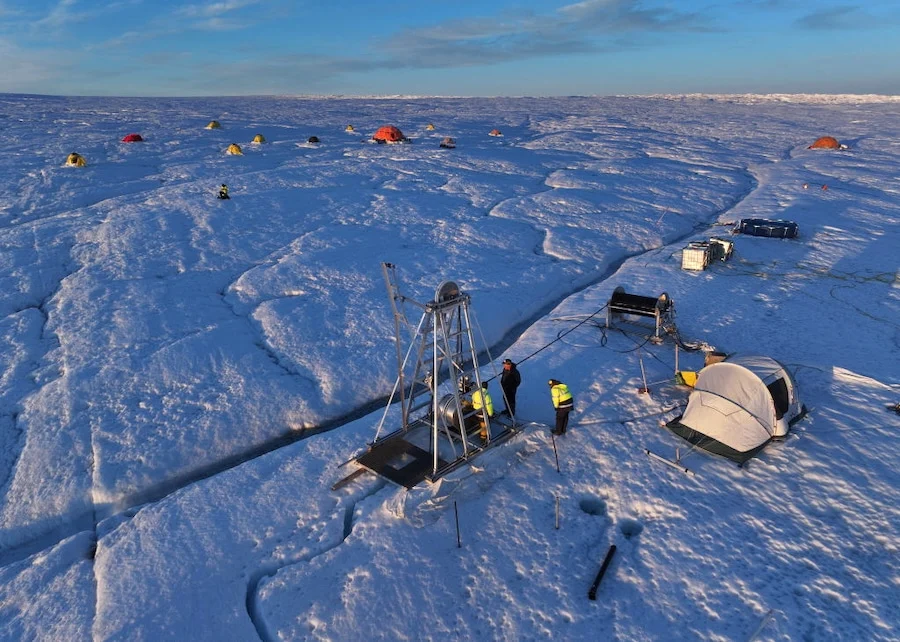
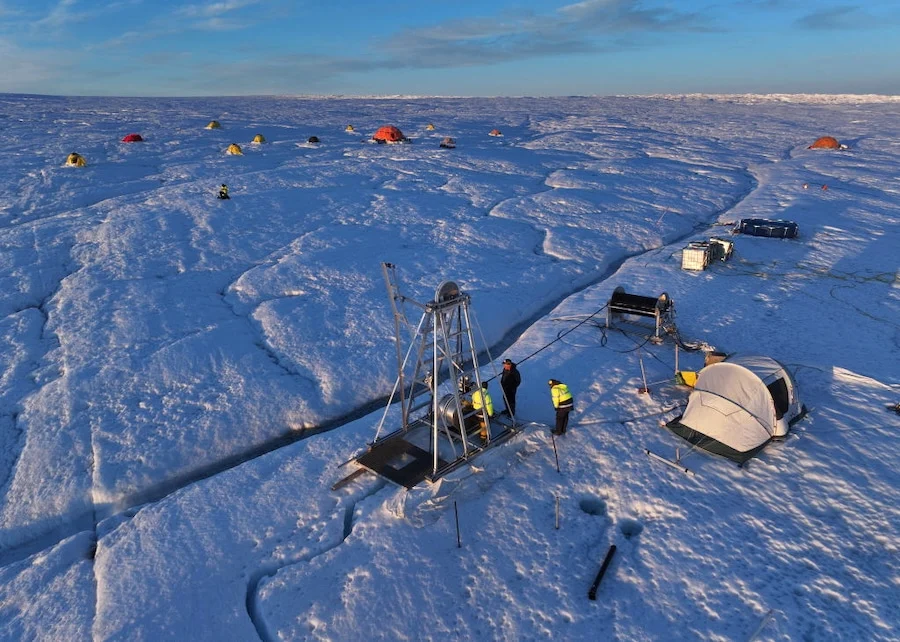
Methane is a catalyst for positive feedback loops. As the planet warms, Arctic permafrost thaws, releasing ancient carbon and methane into the atmosphere. Simultaneously, tropical wetlands are expanding due to shifting rainfall patterns, creating new, massive microbial nurseries for methane production. These "tipping points" threaten to make climate change self-perpetuating, regardless of future human mitigation efforts.

The Public Health Crisis
Beyond warming, methane reacts in the atmosphere to form ground-level ozone. This pollutant is a major respiratory hazard, linked to 500,000 premature deaths annually. Reducing methane is not just a climate strategy; it is a public health imperative that would save millions from asthma-related emergencies and heart disease.
The "Bridge Fuel" Fallacy
The expansion of LNG infrastructure is arguably the most significant barrier to climate progress. Analysts have identified 55 "methane bomb" gas fields globally. If these projects reach full operational capacity, their collective emissions could mirror 30 years of total U.S. greenhouse gas output, effectively nullifying any gains made by the transition to wind or solar power.
A Path Forward: Strategies for Mitigation
To meet the 1.5°C threshold, a multi-faceted approach is required:

1. Agricultural Transformation
- Dietary Shifts: A global move toward plant-forward diets could reduce methane by gigatons by 2050.
- Enteric Solutions: Incorporating seaweed supplements into cattle feed has been shown to reduce methane emissions by up to 82% in feedlot settings.
- Rice Management: Implementing "Alternative Wetting and Drying" techniques in rice paddies can cut emissions by nearly half.
2. Fossil Fuel Decarbonization
- Infrastructure Halts: The most effective move is to cease the construction of new LNG export terminals.
- Leak Detection: For existing infrastructure, mandatory, frequent leak detection and repair (LDAR) protocols are essential. The IEA estimates that 70% of oil and gas emissions could be eliminated using existing, cost-effective technologies.
3. Waste Management

- Circular Economies: Diverting organic waste from landfills to composting facilities prevents the anaerobic decomposition that generates methane.
- Wastewater Upgrades: Modernizing sewage treatment to include secondary and tertiary processes can capture biogas for energy use rather than venting it.
4. Individual Action
While systemic change is the primary goal, individual choices drive demand. Reducing meat consumption, minimizing food waste, and transitioning home appliances from gas to electric heat pumps and induction stoves directly decrease the demand for fossil-fuel-based energy.
Conclusion: The Urgency of Now
Methane represents both a daunting challenge and our most viable "fast-track" solution to the climate crisis. Because the gas lasts only 12 years in the atmosphere, significant reductions today will result in immediate, tangible cooling effects within our lifetime. The technology to cut these emissions exists, and the health and climate benefits are scientifically indisputable. The remaining hurdle is political will. We must hold corporations and governments accountable for their leakage, reject the "bridge fuel" narrative, and prioritize the rapid, systematic elimination of methane from our food and energy systems. The window for action is narrow, but the potential for meaningful impact remains within our grasp.