By [Your Name/Staff Writer]
Adobe MAX 2026 has officially descended upon the creative industry, and for those watching from the front rows, the atmosphere is distinctly different from previous years. Where once there was palpable tension surrounding the rapid integration of artificial intelligence, this year’s keynote signaled a shift toward maturity, reconciliation, and a renewed focus on the human artisan. For many attendees, the event served as a litmus test: can Adobe balance its aggressive pursuit of AI-driven automation with the needs of a creative community that feels increasingly marginalized by the technology?
Main Facts: The "Creative Studio" Paradigm
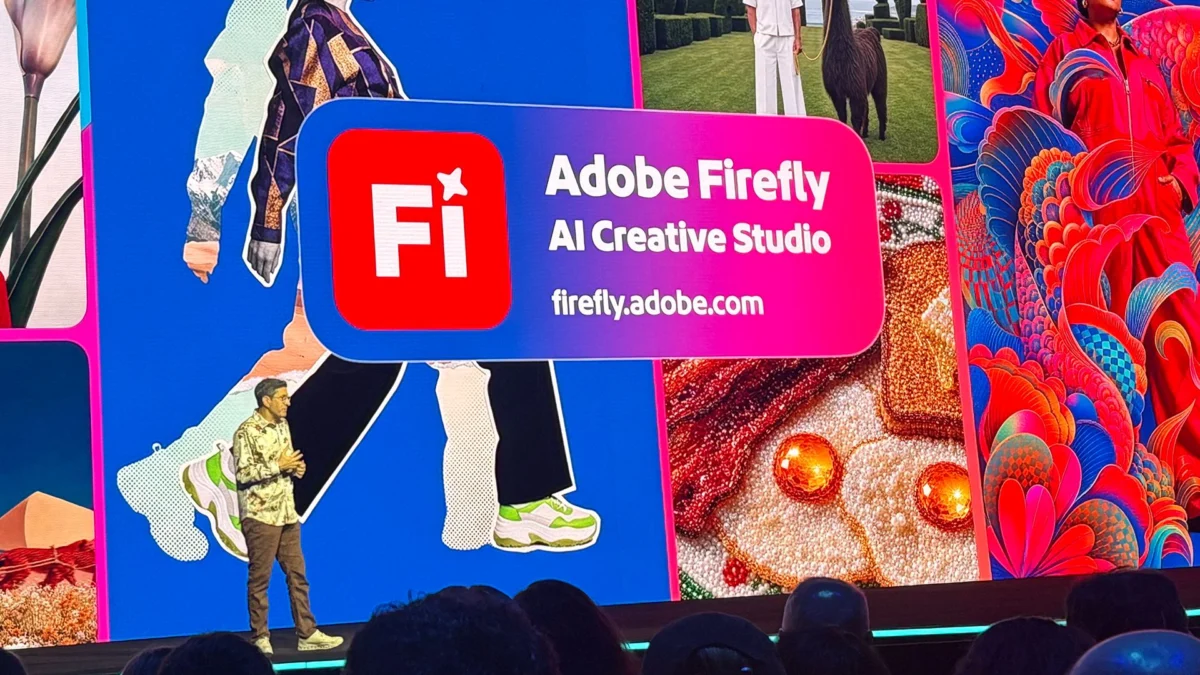
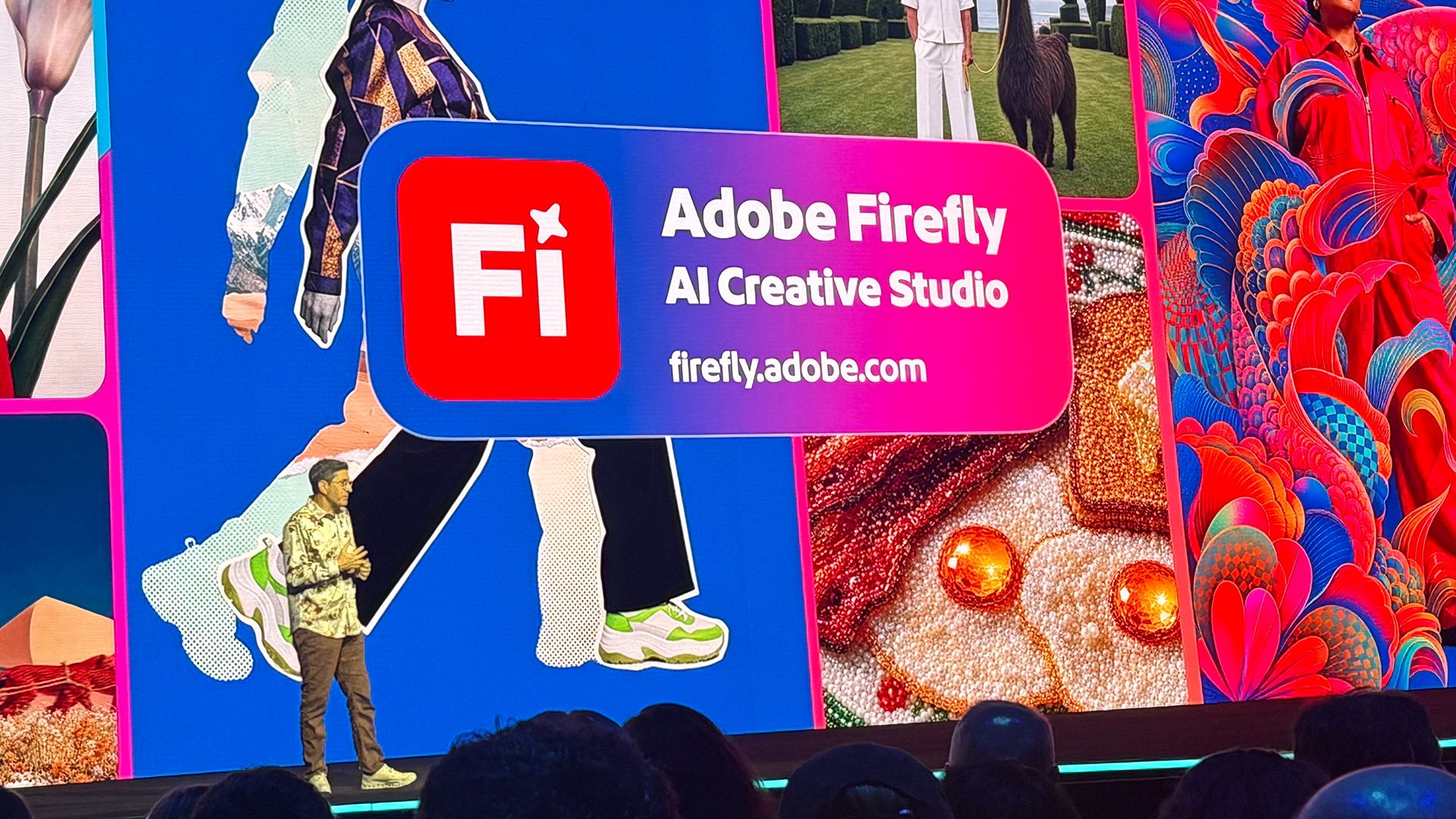
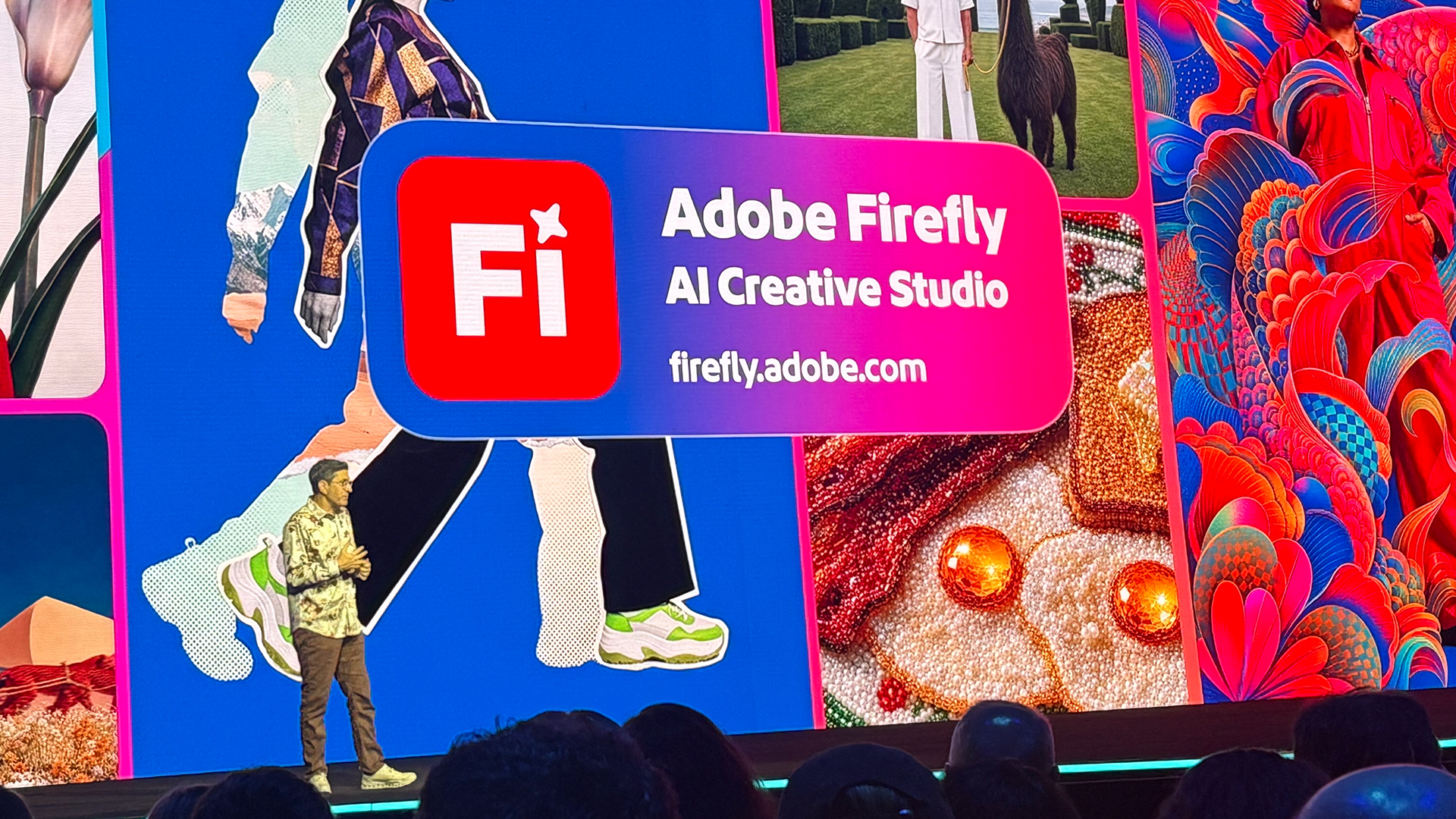
The central takeaway from Adobe MAX 2026 is that Firefly has officially graduated from a collection of experimental tools into a comprehensive, interconnected creative ecosystem. Adobe is no longer just selling software suites; it is positioning itself as an AI-powered creative studio.
The primary announcement centers on the deeper integration of Firefly across the entire Creative Cloud. This move is designed to mitigate the "swivel-chair" effect—where designers must constantly toggle between disparate applications to finish a single asset. By embedding AI-native workflows into Photoshop, Illustrator, and Premiere Pro, Adobe aims to streamline the production pipeline, effectively turning the software into a proactive partner rather than a passive canvas.
A Chronology of the Keynote
The morning began with a sense of apprehension. The audience, composed largely of professional designers, illustrators, and motion artists, arrived with the collective skepticism of a group that has spent the last two years debating the ethical implications of training datasets and automated generation.
- The Opening Address: Adobe leadership immediately pivoted to address the "elephant in the room." Recognizing that the creative community feels the pressure of an industry in flux, the presentation began not with a flashy demo, but with an acknowledgement of the existential anxiety currently plaguing the sector.
- The Strategic Pivot: Vice President Deepa Subramaniam took the stage to address the uncertainty directly. She framed the current AI revolution as a "tool for survival" rather than a replacement for human intellect.
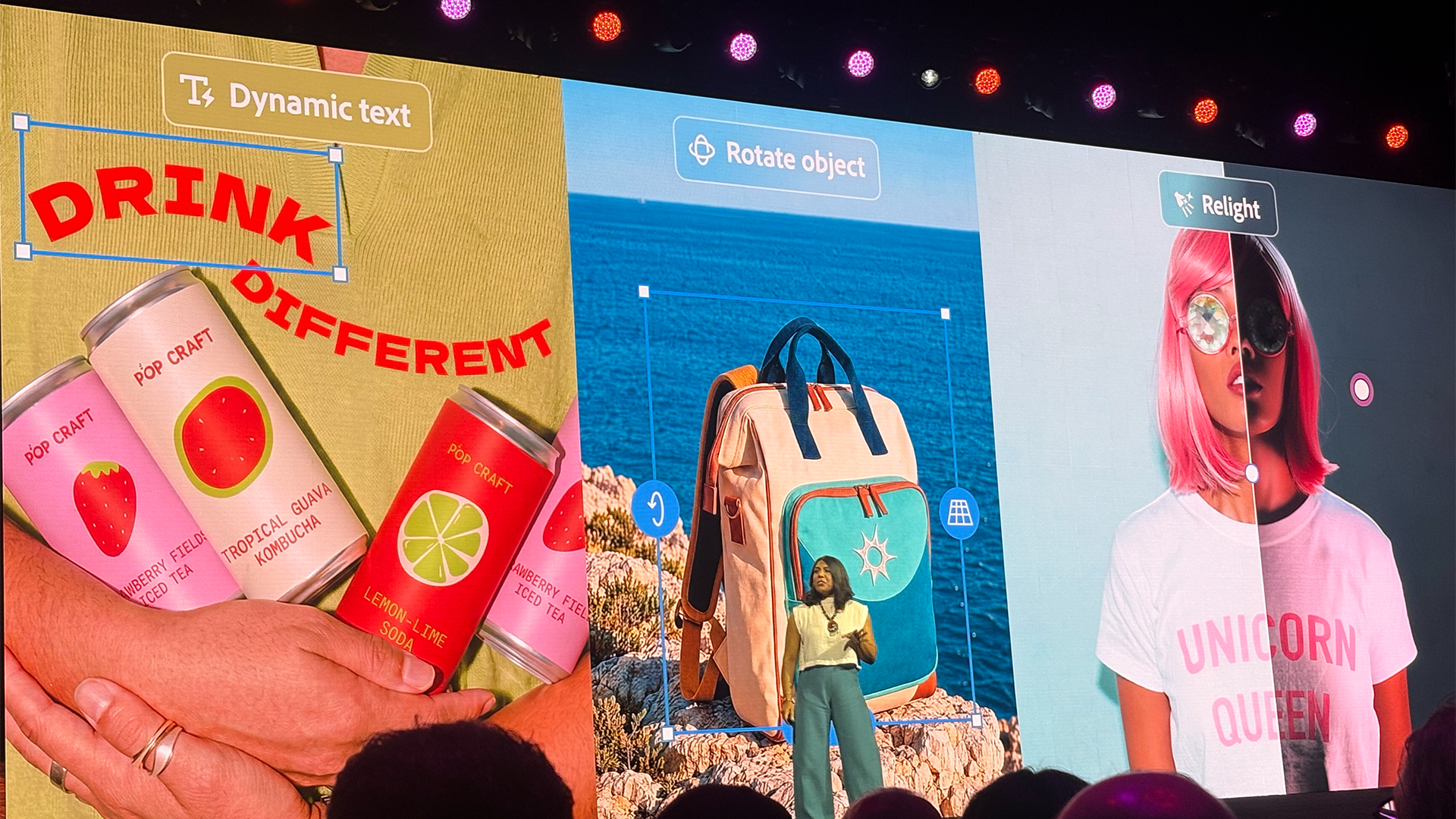
- The Vision for 2026: Throughout the afternoon, the focus shifted to technical demonstrations. We witnessed "Firefly-first" workflows that drastically reduced the time spent on repetitive tasks like rotoscoping, complex masking, and asset expansion.
- The Closing Promise: Future Adobe CEO Anil Chakravarthy concluded the session with a commitment to "meet creatives where they are," emphasizing that Adobe’s roadmap for the coming year is built around user feedback and the preservation of the artistic process.
Supporting Data: The Burden on Modern Creatives
The rationale behind Adobe’s heavy investment in AI is rooted in the shifting demands placed upon the average creative professional. The industry has reached a tipping point where the volume of content required for social media, web, and marketing exceeds the capacity of traditional human labor.
Internal data presented during the keynote highlighted a startling trend: the "jack-of-all-trades" expectation. Today’s graphic designers are frequently tasked with duties that once required an entire agency: motion graphics, web development, copywriting, and social media management. This diversification of labor has led to unprecedented burnout rates.
Adobe’s "rich learning ecosystem" and AI automation features are being pitched as the solution to this resource gap. By offloading time-consuming, non-creative tasks—such as background removal, color matching, and vector generation—to AI, Adobe claims it can return hours of "deep work" time to the creator. The implicit argument is that if the machine handles the drudgery, the human can return to the strategy and conceptual design that truly defines the craft.
Official Responses and the Ethics of Automation
The most significant hurdle for Adobe remains the ethical debate surrounding AI. During the press sessions at MAX 2026, the company doubled down on its commitment to "safe and reliable" AI.
"Creativity isn’t a side project; it’s a way of life," noted Deepa Subramaniam during her address. This mantra was repeated across various panels, emphasizing that Adobe’s AI models are built on ethically sourced data, specifically avoiding the copyright infringement controversies that have plagued competitors.
Adobe’s leadership is acutely aware that their credibility rests on their legacy as a "brand built by creatives." They argue that by providing a "walled garden" of AI tools, they offer a safer, more professional alternative to the wild west of open-source models. The official stance is that Adobe is creating a controlled environment where the provenance of every image and every pixel is traceable, ensuring that professional designers can use these tools without fear of legal or ethical blowback.
Implications: The Future of the Creative Professional
What does this mean for the next five years? The implications of Adobe MAX 2026 are profound.
1. The Redefinition of "Designer"
The role of the designer is shifting from a manual "maker" to a "curator and editor." As AI handles the heavy lifting of asset generation, the value of a professional will increasingly reside in their ability to direct, refine, and conceptualize. The designer becomes a creative director of their own software, managing a fleet of AI agents to produce high-fidelity results at scale.
2. The Battle for Efficiency
We are entering an era where speed is becoming a competitive commodity. If a designer can produce five times the content in the same amount of time, the market will inevitably demand more. This creates a moral dilemma: does the extra time provided by AI lead to a higher quality of life, or does it simply raise the baseline expectation for volume? The industry must decide how to value its time in an age where the "cost" of content creation is plummeting.
3. The Tech-Human Hybrid
The partnership between Adobe and companies like Google—hinting at a future of cross-platform AI collaboration—suggests that our software is becoming smarter and more integrated. While this offers immense potential for productivity, it also forces us to consider the danger of over-reliance. If we lose the ability to perform foundational tasks because the AI does them automatically, do we lose the nuance of the craft?
Conclusion: A Cautious Optimism
Leaving the convention floor at Adobe MAX 2026, the sentiment among attendees is one of "cautious hope." While the existential dread of being replaced by a prompt-generator hasn’t vanished, Adobe has made a compelling case for a different future: one where the machine acts as an extension of the human hand rather than its replacement.
The company is betting that by prioritizing safety, reliability, and the specific needs of the creative professional, it can steer the AI revolution in a way that preserves the integrity of the work. Whether they succeed depends on their ability to listen to the community—not just in the keynote speeches, but in the day-to-day updates of the software that remains the bedrock of the global creative industry.
As we look toward 2027 and beyond, one thing is certain: the tools are changing, but the necessity for human taste, empathy, and artistic intent has never been more critical. Adobe has laid the table; it is now up to the creative community to decide how to feast.