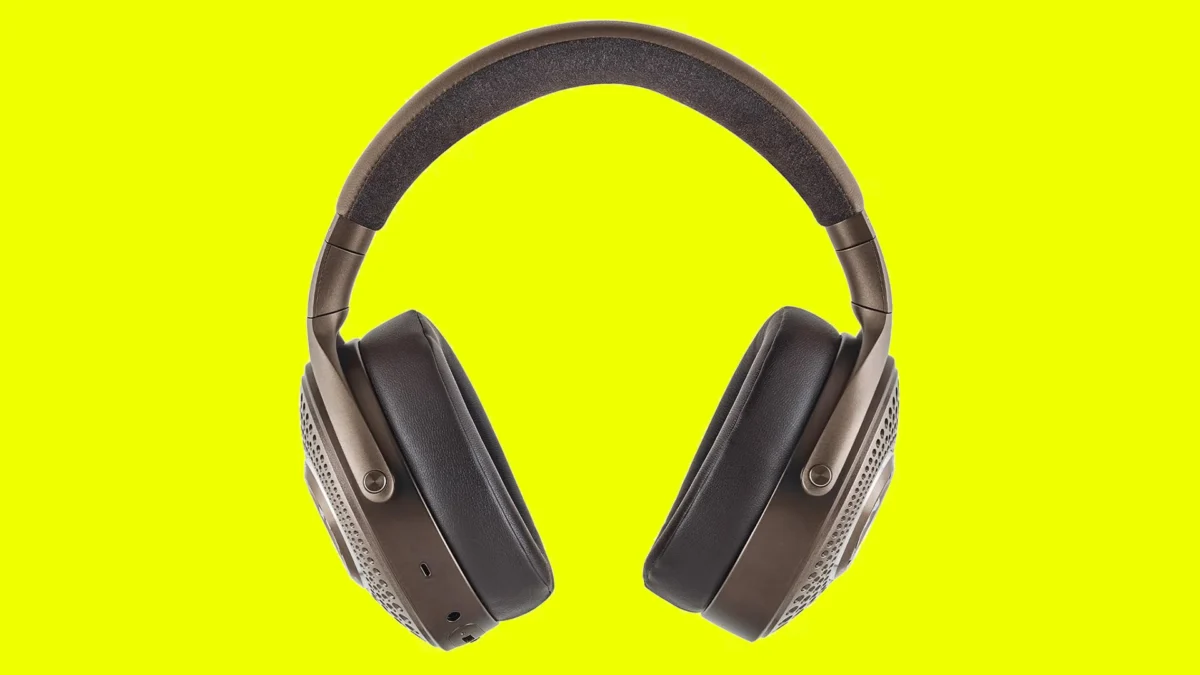
After months of fevered speculation, industry whispers, and leaked schematics, the tech world finally received its answer: Apple has officially unveiled the iPhone Duo, the company’s first foray into the foldable smartphone market. Positioned as a technological marvel designed to maximize multitasking, high-fidelity media consumption, and professional-grade photography, the device is being heralded as the pinnacle of modern mobile engineering.
Yet, as the tech community marvels at the $1,999 price tag and the sophisticated hinge mechanism of the Duo, a quiet, parallel movement is gaining momentum. In an era defined by hyper-connectivity, relentless notifications, and the phenomenon of "doomscrolling," a growing segment of the population is choosing to exit the arms race of screen real estate. The 2026 tech narrative is not just about having the biggest, brightest display; it is increasingly about the radical act of reclaiming one’s attention through the humble, "dumb" phone.
The Chronology of the Digital Detox Movement
The transition from the feature-rich smartphone to the minimalist "dumb phone" did not happen overnight. It is the result of a decade-long trajectory in digital wellness awareness.
- 2015–2018: The Awakening. Research into the psychological impacts of social media usage began to permeate mainstream media. Terms like "Fear of Missing Out" (FOMO) and "Attention Economy" entered the public lexicon.
- 2019–2021: The Pandemic Effect. During global lockdowns, screen time skyrocketed. As the boundaries between work, school, and leisure dissolved into the glow of a smartphone screen, many users reached a breaking point, leading to the first significant surge in sales for minimalist devices like the Punkt MP02.
- 2022–2024: The Aesthetic Pivot. Influencers and tech enthusiasts began championing the "aesthetic" of the analog lifestyle on platforms like TikTok and Instagram, ironically using their smartphones to document their transition away from them.
- 2025–2026: The Mainstream Rejection. With the launch of ultra-expensive, ultra-complex foldables like the Apple iPhone Duo, the contrast between "always-on" tech and "intention-based" tech became stark. The dumb phone moved from a niche curiosity to a legitimate, functional choice for the modern consumer.
The Philosophy of "Less": Why We’re Turning Back the Clock
The appeal of the dumb phone is not rooted in a hatred of technology, but in a desire for agency. When Apple introduces a foldable device that encourages "more screen gazing," they are catering to the consumer as a content-consuming machine. Conversely, the dumb phone movement treats the user as a human being who needs to be reached—not monitored, tracked, or advertised to.
The core benefit of these devices is "friction." Smartphones are designed to remove every possible barrier between a user and an app. Dumb phones reintroduce healthy friction. If you want to check your email, you have to find a computer. If you want to take a photo, you are limited by lower-resolution sensors that don’t invite endless editing and filtering. This shift allows users to remain "operational" in a professional sense—making calls, sending texts, navigating via simple tools—without falling into the digital abyss.
A Comparative Look: The Giants vs. The Minimalists
To understand the market divide, one must look at the specs—or lack thereof.
The iPhone Duo: The Peak of Complexity
The iPhone Duo is designed for the "power user." It features:
- Dual-Panel OLED Displays: Seamless integration for split-screen multitasking.
- Computational Photography: AI-driven camera systems that process images in real-time.
- Ecosystem Integration: Deep hooks into Apple’s suite of services, from iCloud to Fitness+.
- Price: A barrier-to-entry of $1,999, positioning it as a luxury status symbol.
The Dumb Phone: The Peak of Utility
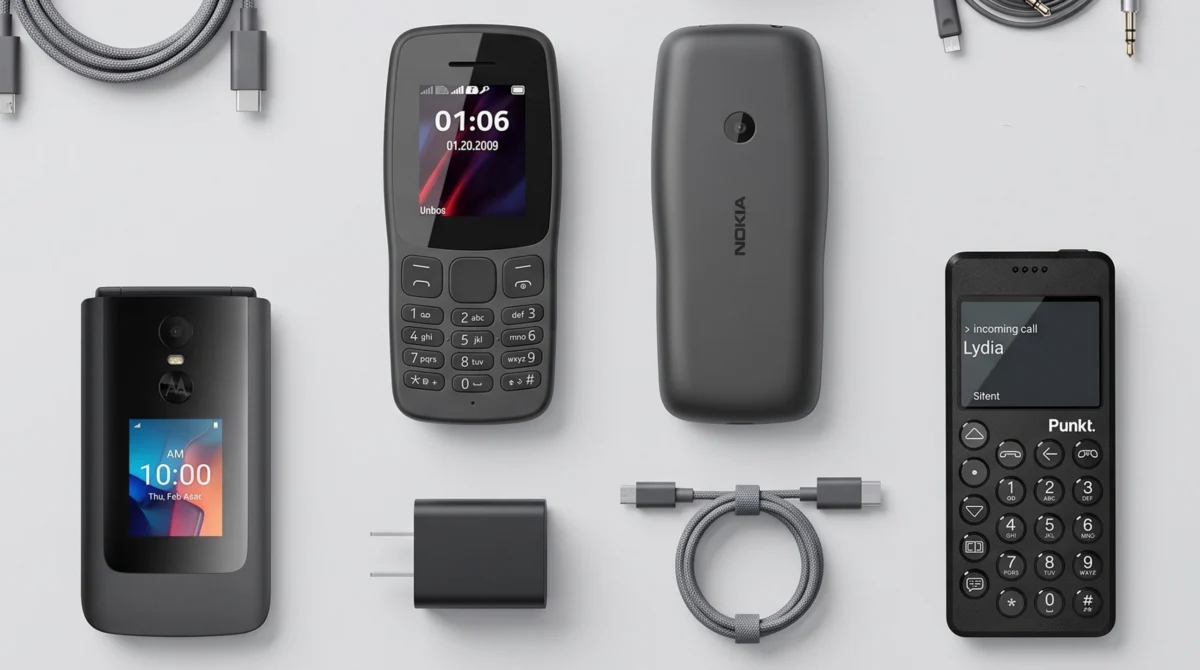
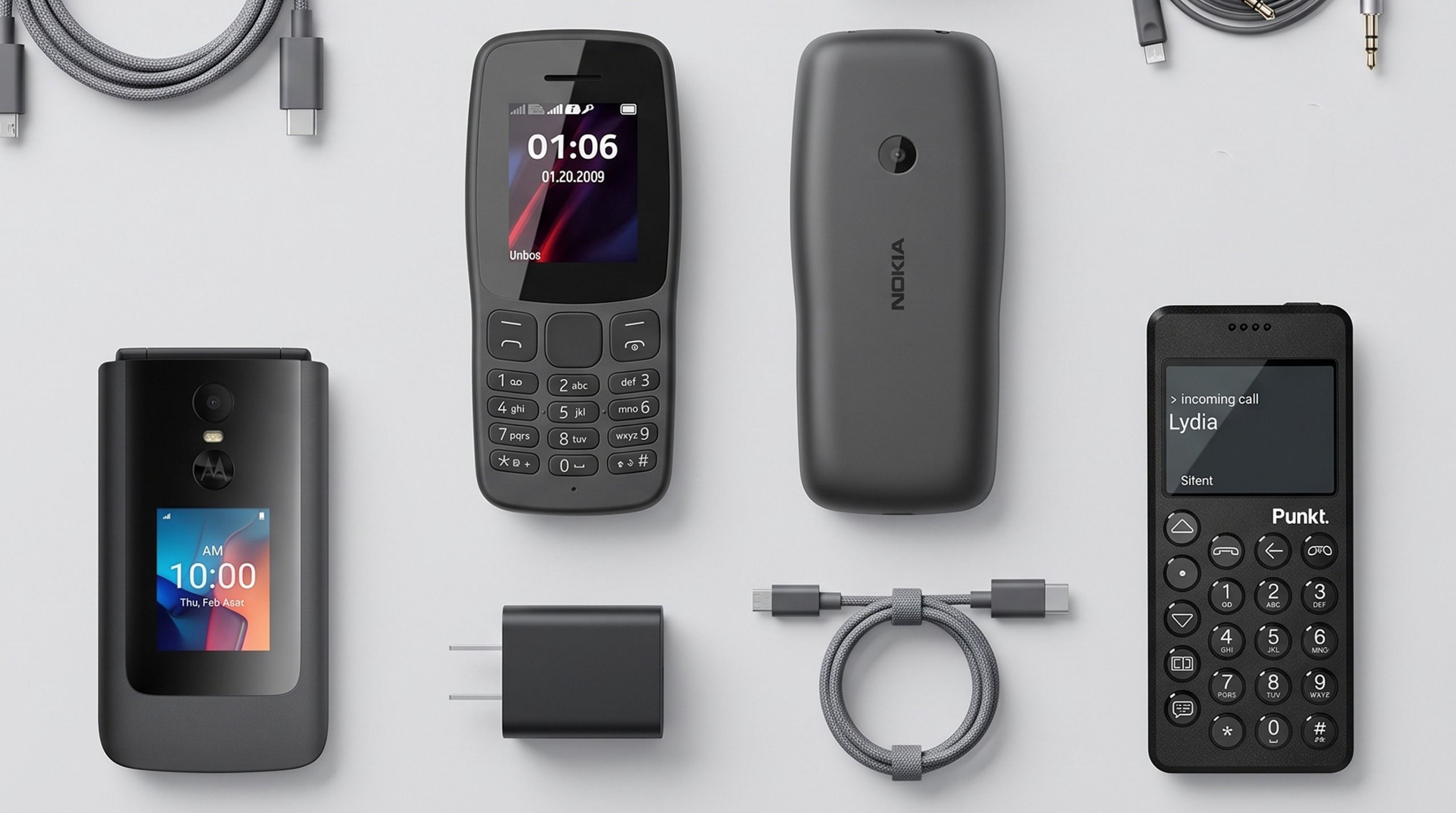
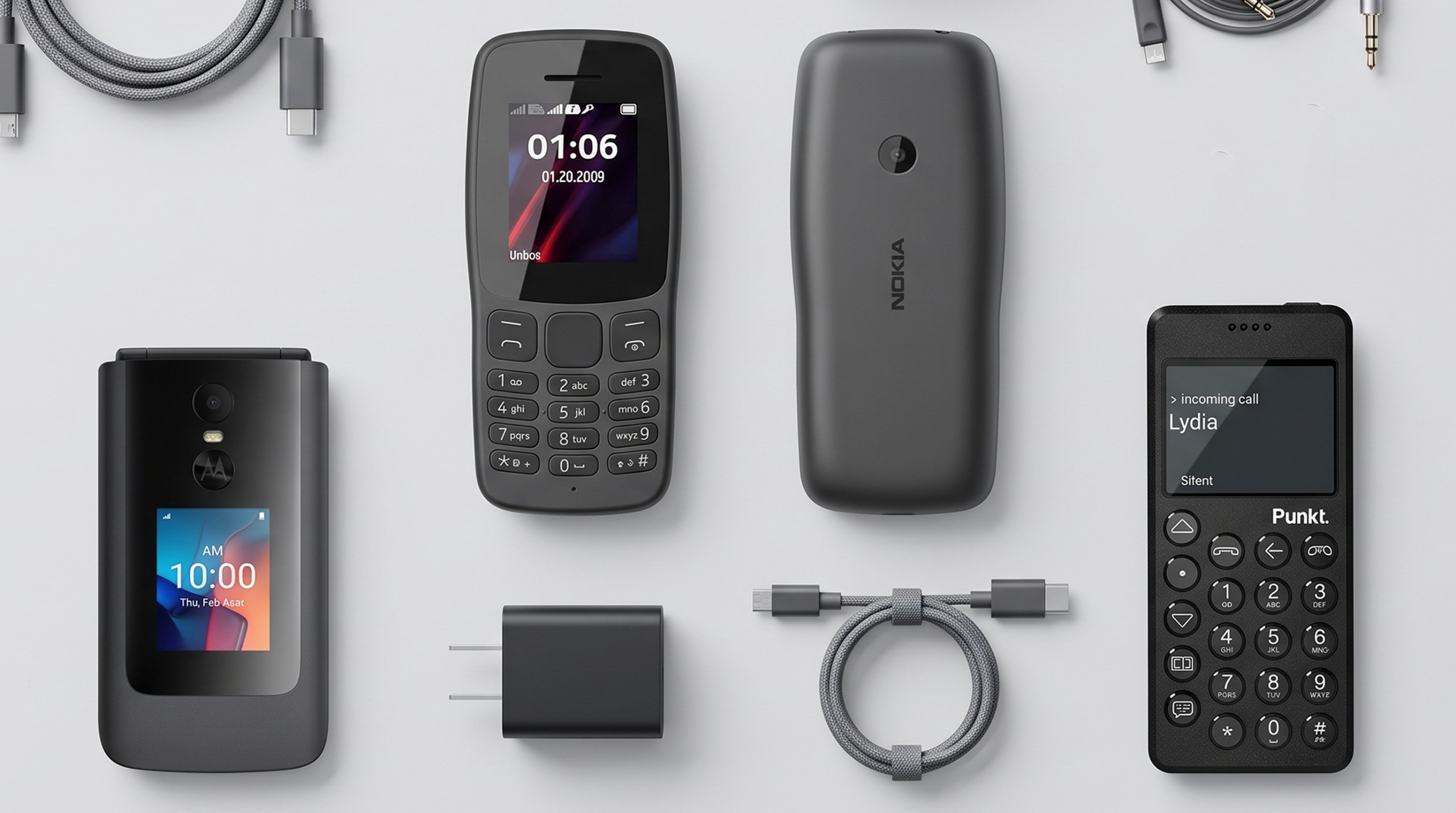
In contrast, the current crop of feature phones, such as the TCL Flip 4 or the Nokia 3210, focus on:
- Physical Tactility: Real buttons that provide haptic feedback, grounding the user in the physical world.
- Battery Longevity: Because they lack power-hungry processors and high-refresh-rate screens, these devices often last for days, or even weeks, on a single charge.
- Minimalist Software: Interfaces that do not ping, vibrate, or display badges to lure you back into the app ecosystem.
Spotlight on Six Essential Minimalist Picks
If you are considering a digital detox, the market offers more variety than ever before. Here are six devices defining the current minimalist landscape.
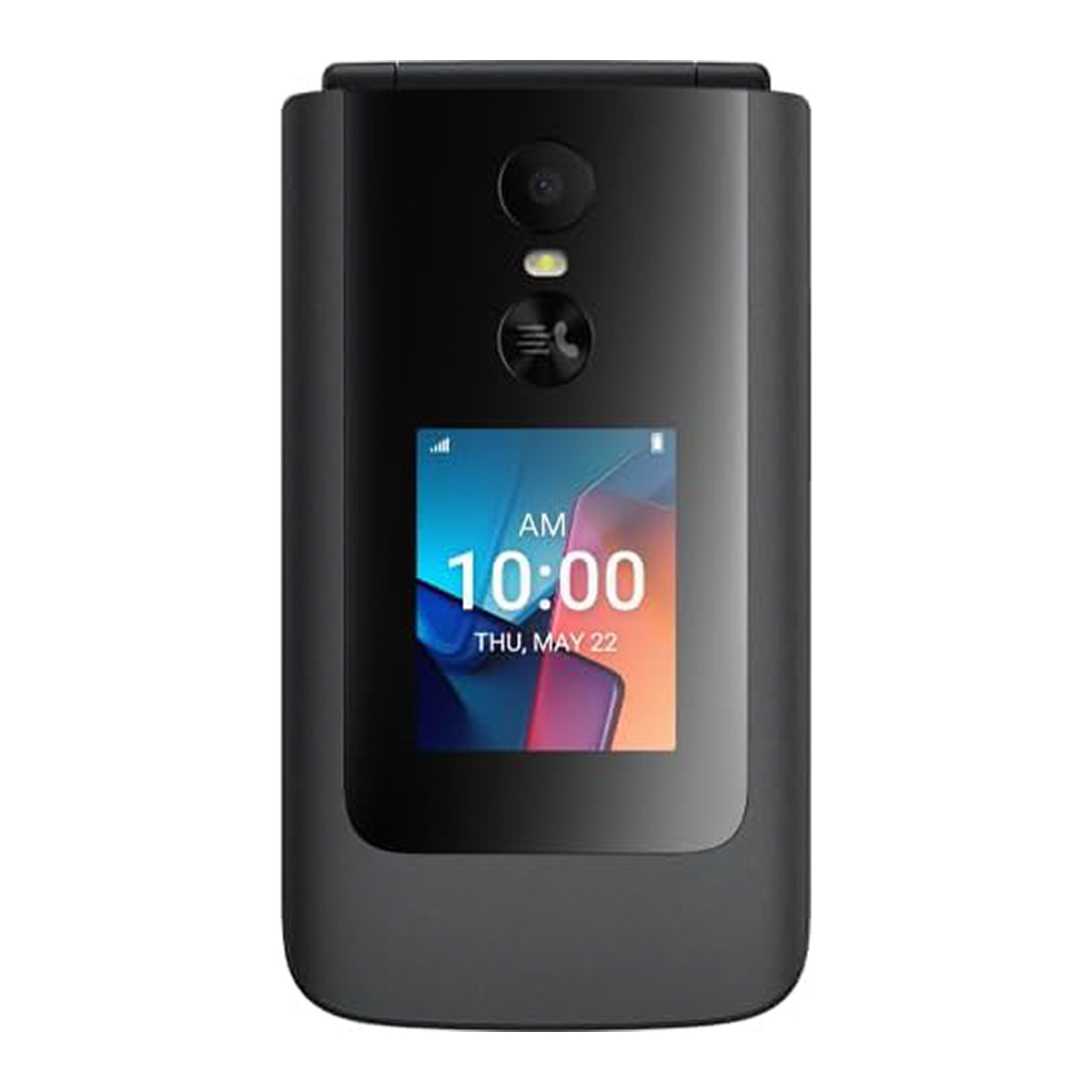
1. TCL Flip 4: The Accessible Entry Point
For those who enjoy the physical action of a "flip" motion but want to leave the smartphone behind, the TCL Flip 4 is a stellar choice. It mimics the folding mechanism of the iPhone Duo but in a practical, utilitarian way. It features a simple front display for notifications and a larger internal screen for messaging, all while retaining a physical keypad that makes typing intentional.
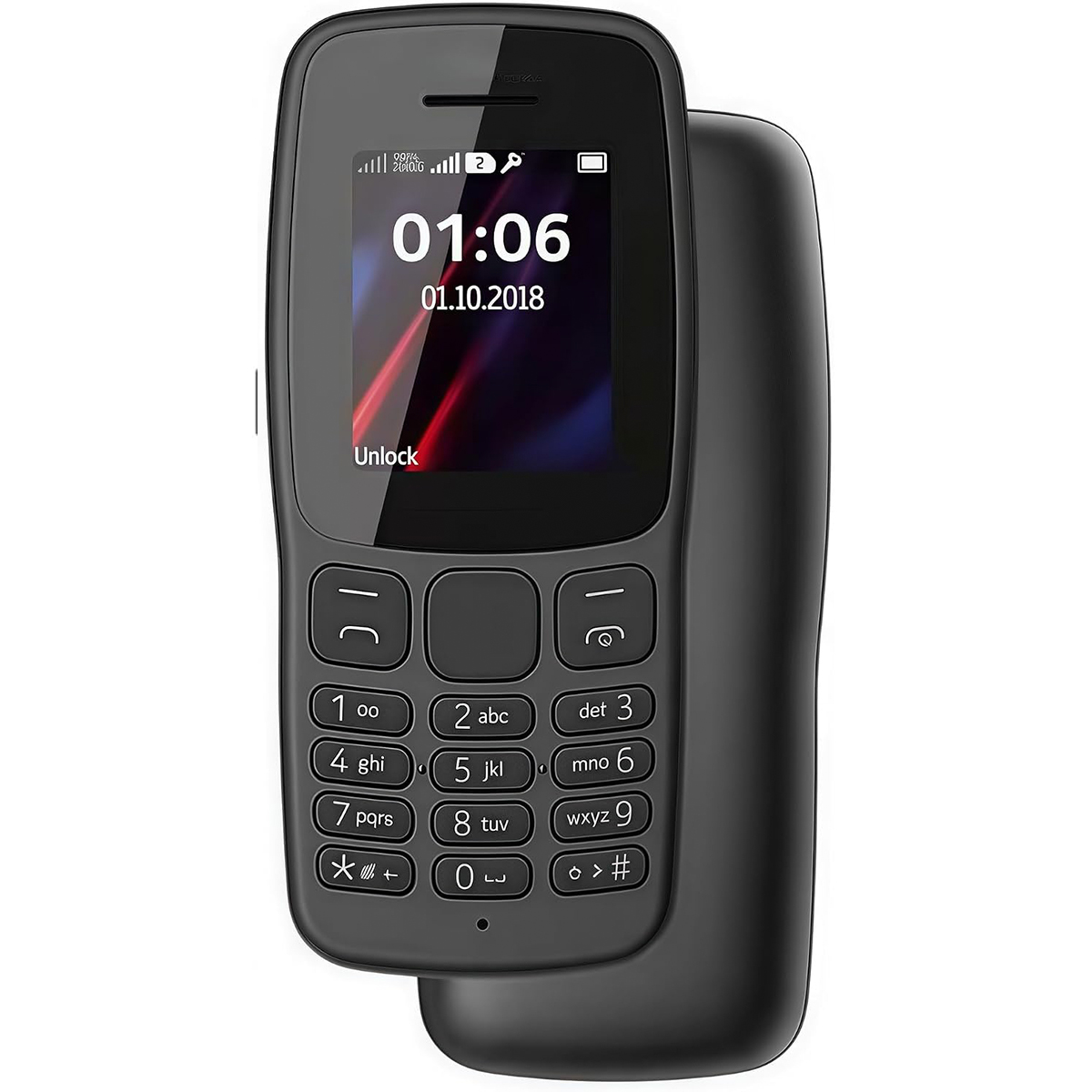
2. Nokia 106: The Reliable Workhorse
Nokia remains the gold standard for durability. The 106 is the ultimate "burner" phone—built like a tank, equipped with dual SIM capability, and capable of storing up to 500 text messages. It is designed to be the phone you keep in your glovebox or take on a hiking trip where you don’t want the distraction of the internet.
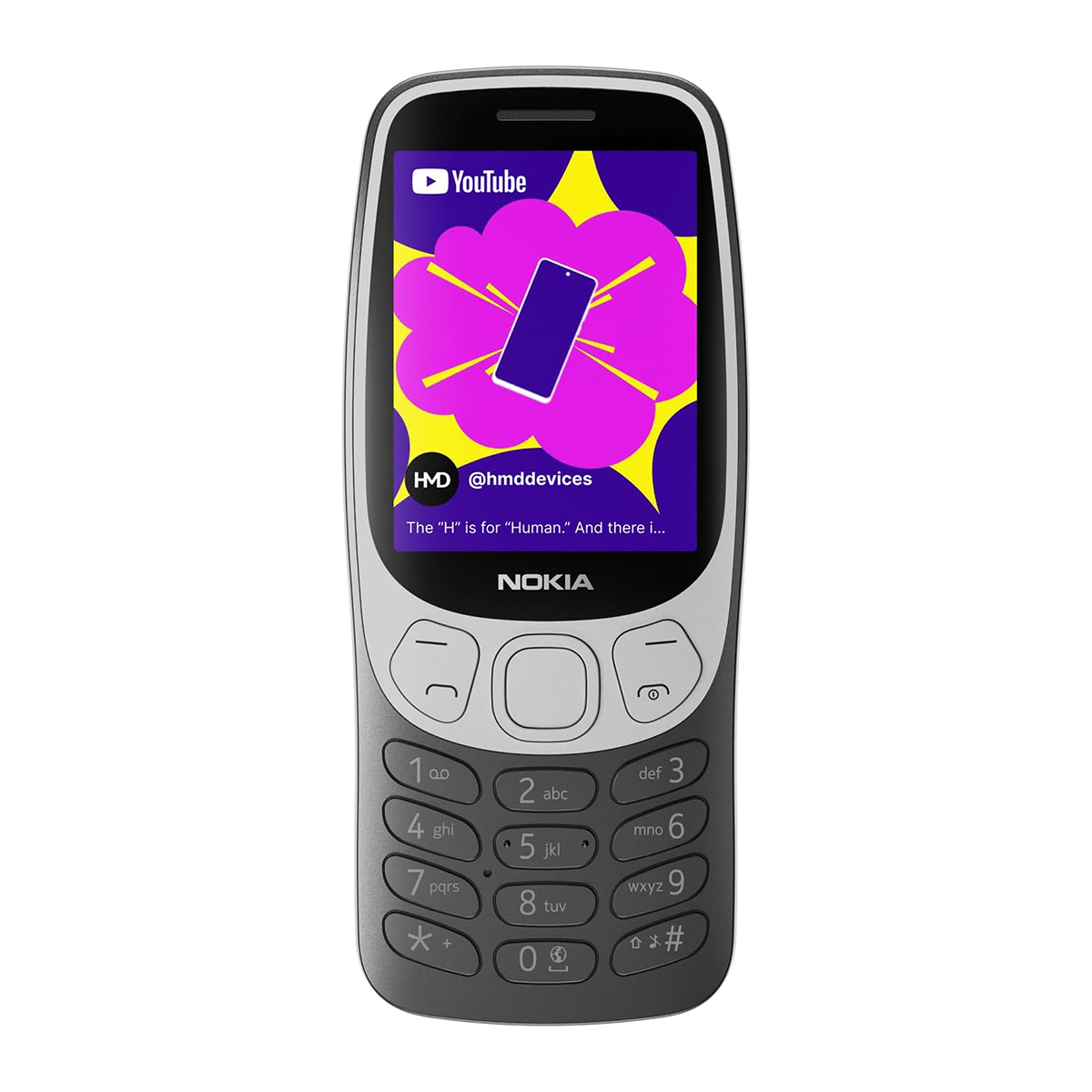
3. Nokia 3210 (2026 Edition): The Nostalgia Icon
There is a profound comfort in the familiar. The revived 3210 taps into the late 90s aesthetic, offering a "retro-luxury" feel. While it includes modern cloud-based apps for those who need a bridge, it is fundamentally a device that celebrates a simpler time. And yes, it still features the legendary game of Snake.
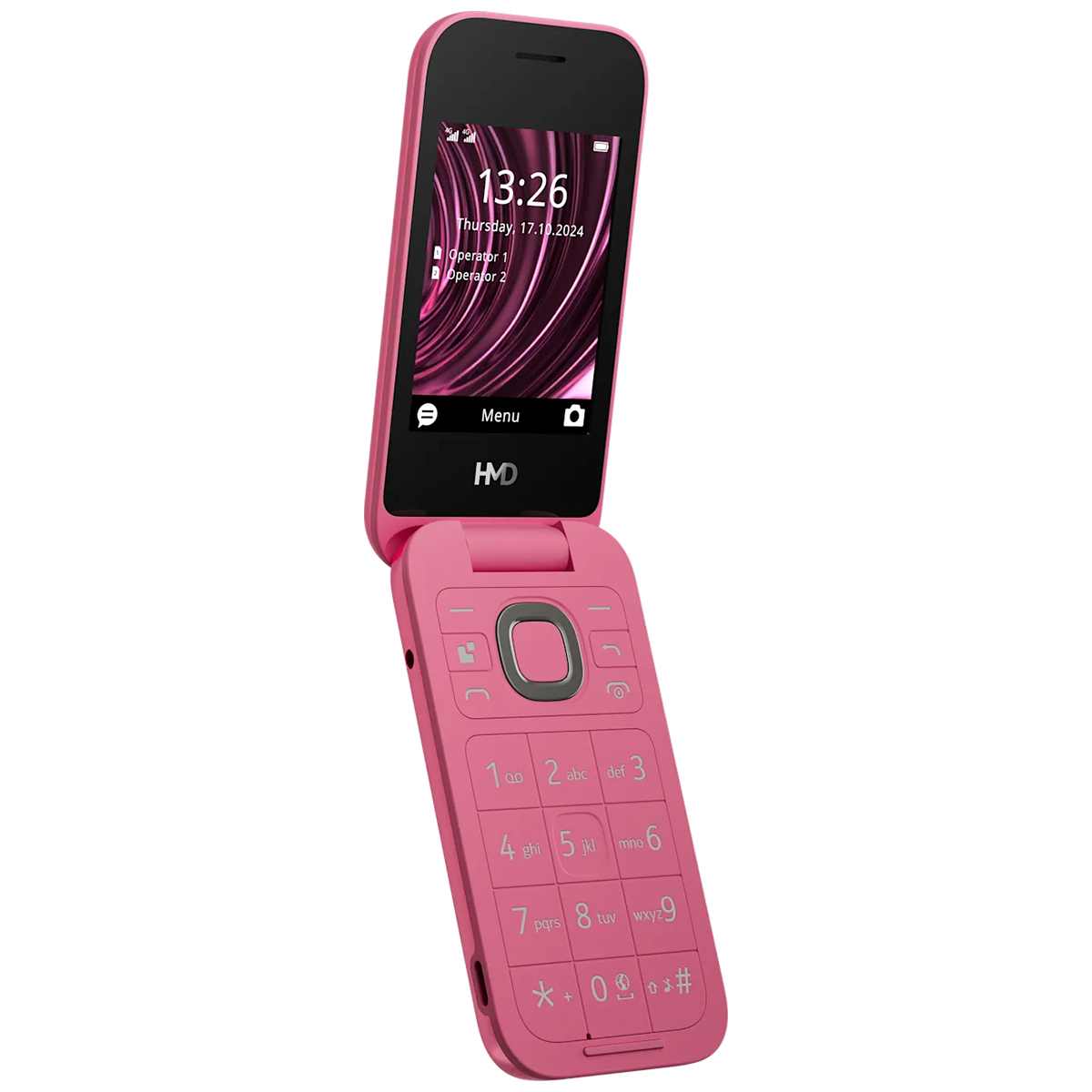
4. HMD 2660 Flip: The European Standard
Exclusively available in the European market, the HMD 2660 represents the "sleek" side of the dumb phone movement. Created by former Nokia executives, it features a modern aesthetic, a high-quality physical keypad, and a flip-to-answer/shut-to-hang-up interface that feels satisfyingly decisive.
5. Punkt MP02: The Design-First Minimalist
The Punkt MP02 is the darling of the design world. It is not just a phone; it is an object of art. With its matte black finish and stripped-down, clean interface, it serves as the perfect tool for the "stealth mode" professional. It does exactly what it needs to do—calls and texts—and nothing more.
6. Mudita Kompakt: The E-Ink Innovator
Perhaps the most forward-thinking device on this list, the Mudita Kompakt utilizes an e-ink display. This offers a paper-like reading experience that is easy on the eyes and visible in direct sunlight. Its "Offline+ Mode" is the true selling point: with one click, you can disable the camera, Wi-Fi, and GSM, turning your device into a truly disconnected tool.
Implications for the Tech Industry
The rise of these devices presents a fascinating challenge for tech giants. Apple and Samsung are betting that the future is "more"—more screens, more pixels, more immersion. But the market for dumb phones suggests a "saturation point" has been reached. When a device becomes too good at capturing our attention, it ceases to be a tool and becomes a burden.
Official responses from major manufacturers have been largely silent on the "dumb phone" trend, focusing instead on "Screen Time" and "Focus Mode" software features. However, these are merely software bandages on a hardware-induced problem. By allowing the user to set boundaries, these companies are essentially telling us to use their devices less—a paradox that is hard to reconcile with their business models, which rely on engagement and data collection.
Conclusion: Defining Your Relationship with Tech
The launch of the iPhone Duo is a triumph of engineering, but it is not a requirement for a meaningful life. As we navigate the complexities of 2026, the real luxury may no longer be the most powerful device in the room, but the ability to disconnect.
Whether you opt for the retro charm of a Nokia 3210 or the sophisticated minimalism of a Punkt MP02, the goal is the same: to stop being a passive recipient of digital noise and start being an active participant in your own life. In a world of folding screens and infinite scrolling, the smartest move you can make might just be to pick up a phone that is, by design, not very smart at all.