For millions of women entering their 40s and 50s, the bedroom—once a sanctuary for rest—has transformed into a theater of frustration. The experience is strikingly uniform: falling asleep becomes a battle of attrition, and staying asleep becomes an impossibility. You drift off at 11:00 p.m., only to snap awake at 2:40 a.m., drenched in sweat, wrestling with bedcovers. You might catch a fleeting hour of light dozing before the 4:15 a.m. wake-up call, leaving you to face the workday with a fogged brain and a fraying temper.
This is not "ordinary" bad sleep. It is a distinct physiological and psychological phenomenon tied to the menopausal transition. When generic sleep advice—such as "avoid caffeine" or "keep the room cool"—fails to move the needle, it is because the root causes of menopausal insomnia are far more complex than a simple lifestyle oversight.
The Chronology of the Disrupted Night
The Study of Women’s Health Across the Nation (SWAN), which tracked over 3,000 women between the ages of 42 and 52, provides the clearest evidence that this shift is not in your head. As the transition through perimenopause progresses, the odds of experiencing both sleep-onset latency (trouble falling asleep) and sleep maintenance issues (trouble staying asleep) rise sharply.
By the time many women reach the decade mark of their transition, the numbers are sobering. Research indicates that insomnia symptoms—defined as self-reported disruptions occurring at least three times a week—affect 31% of women in early perimenopause, climbing to nearly 48% by late perimenopause.
The pattern often follows a predictable, agonizing trajectory:
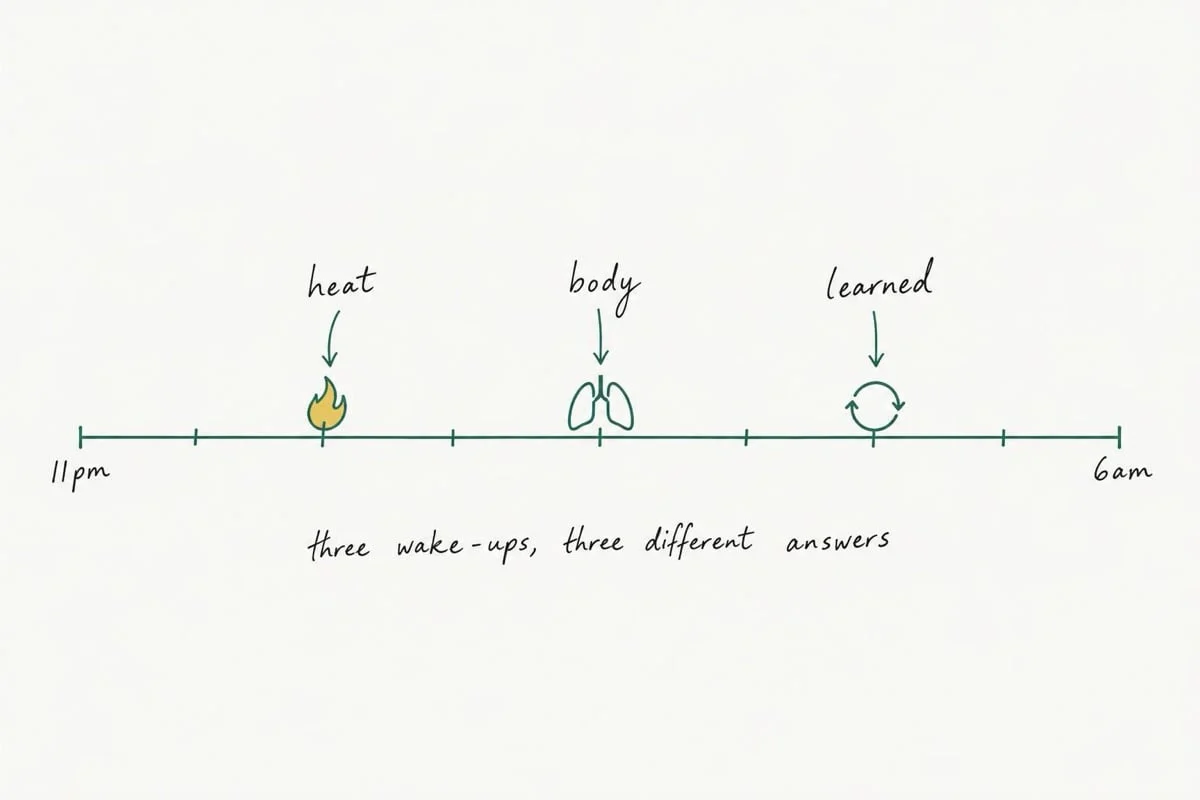
- The Initial Wake: A surge of core body temperature or a shift in breathing rhythm forces a sudden arousal.
- The "Learned" Cycle: After weeks of being awake at 3:00 a.m., the brain begins to associate the bed with anxiety, calculation, and to-do lists rather than rest.
- The Morning After: The cumulative deficit leads to irritability, cognitive decline, and a dread of the coming night, which paradoxically makes falling asleep the following evening even harder.
The Failure of the "Natural Remedy" Shelf
The wellness industry has flooded the market with a "grab-bag" approach to midlife sleep. Women are often handed a list of eight different supplements—melatonin, valerian root, black cohosh, soy isoflavones—with little guidance on which, if any, are evidence-based.
When a woman tries a supplement for two weeks, experiences no improvement, and stops, she often internalizes the failure, assuming she is the problem. In reality, the failure lies in the methodology. A pooled analysis of four randomized trials on melatonin in menopausal women found that the effect on sleep quality was not statistically significant. Similarly, a 2024 umbrella review of eight systematic reviews regarding valerian root concluded there was no evidence of efficacy for insomnia.
These remedies are often marketed as "natural" solutions, but they lack the rigorous, structured mechanism required to treat a multi-factorial hormonal and neurological shift.
Decoding the Three Wake-Up Patterns
To treat menopausal sleep issues, one must first identify which of the three primary "wake-up patterns" is dominating the night. Treating heat-driven waking with a method meant for learned waking is like trying to fix a leaky pipe with a fire extinguisher.
1. Heat-Driven Waking
This is the classic symptom. Research using actigraphy has shown that approximately 78% of objectively recorded nocturnal hot flashes coincide with an awakening. The heat does not just disrupt sleep; it creates a physiological alarm that makes returning to deep, restorative sleep nearly impossible.
2. Body-Driven Waking
Often overlooked, this pattern is frequently linked to sleep-disordered breathing. The "Sleep in Midlife Women Study" found that the apnea-hypopnea index—a measure of breathing interruptions—increased by 31% post-menopause. Crucially, women with obstructive sleep apnea (OSA) often report fatigue, insomnia, and low mood rather than the "classic" male symptom of loud snoring. This leads to profound under-diagnosis in primary care settings.

3. Learned Waking
This is the psychological hangover of menopause. Even after hot flashes subside, the brain remains conditioned to wake up at 3:00 a.m. to worry. At this stage, the hormonal catalyst has faded, but the behavioral habit remains firmly entrenched. This is the pattern that responds best to cognitive interventions rather than biochemical ones.
Evidence-Based Solutions: A Hierarchy of Care
When we rank remedies by the strength of clinical evidence, a clear hierarchy emerges.
First: Cognitive Behavioral Therapy for Insomnia (CBT-I)
CBT-I is the gold standard, recommended by the American College of Physicians as the initial treatment for chronic insomnia. Unlike generic "sleep hygiene" tips, CBT-I is a structured program that tackles the mechanics of sleep: restricting time in bed to match actual sleep duration, maintaining a rigid wake-up time, and, most importantly, breaking the cognitive loop of "bedtime anxiety." In clinical trials, telephone-delivered CBT-I showed significant improvement in insomnia severity that lasted well beyond the study period.
Second: Regular Exercise
While exercise does not carry the same heavy lifting as CBT-I, it is a proven, moderate intervention. Data from the MsFLASH trials suggest that consistent physical activity can reduce Insomnia Severity Index scores by roughly two points. While this won’t "cure" severe insomnia, it acts as a critical anchor for metabolic and circadian health.
Third: Supplements
Supplements sit at the bottom of the evidence pyramid. Because they interact with medications and vary wildly in quality, they should never be the first line of defense. Any consideration of these should involve a pharmacist or clinician to ensure they don’t exacerbate underlying conditions.
Clinical Implications and When to See a Doctor
The most dangerous assumption a woman can make is that her sleep struggles are "just menopause."
If you find yourself gasping for air, waking with a racing heart, or feeling chronically exhausted despite "sleeping," you must bypass the supplement aisle and consult a physician. These are potential red flags for sleep apnea or other underlying conditions that require clinical intervention.
Furthermore, hormone therapy (HT) remains the most effective treatment for hot flashes and night sweats according to the North American Menopause Society. While it is not a standalone treatment for chronic insomnia, if your sleep disturbance is driven by vasomotor symptoms, HT can provide the relief necessary for other sleep-recovery strategies to take hold.
Establishing a Practical Protocol
If you are currently trapped in a cycle of broken sleep, stop the "guess-and-check" method. Implement this seven-day log:
- Fix Your Wake Time: Pick one wake-up time (e.g., 6:15 a.m.) and hold it, regardless of how much you slept.
- The Daily Log: Keep a bedside notebook. Record:
- The time you woke up.
- Whether a hot flash was involved.
- Any breathing issues or daytime fatigue symptoms.
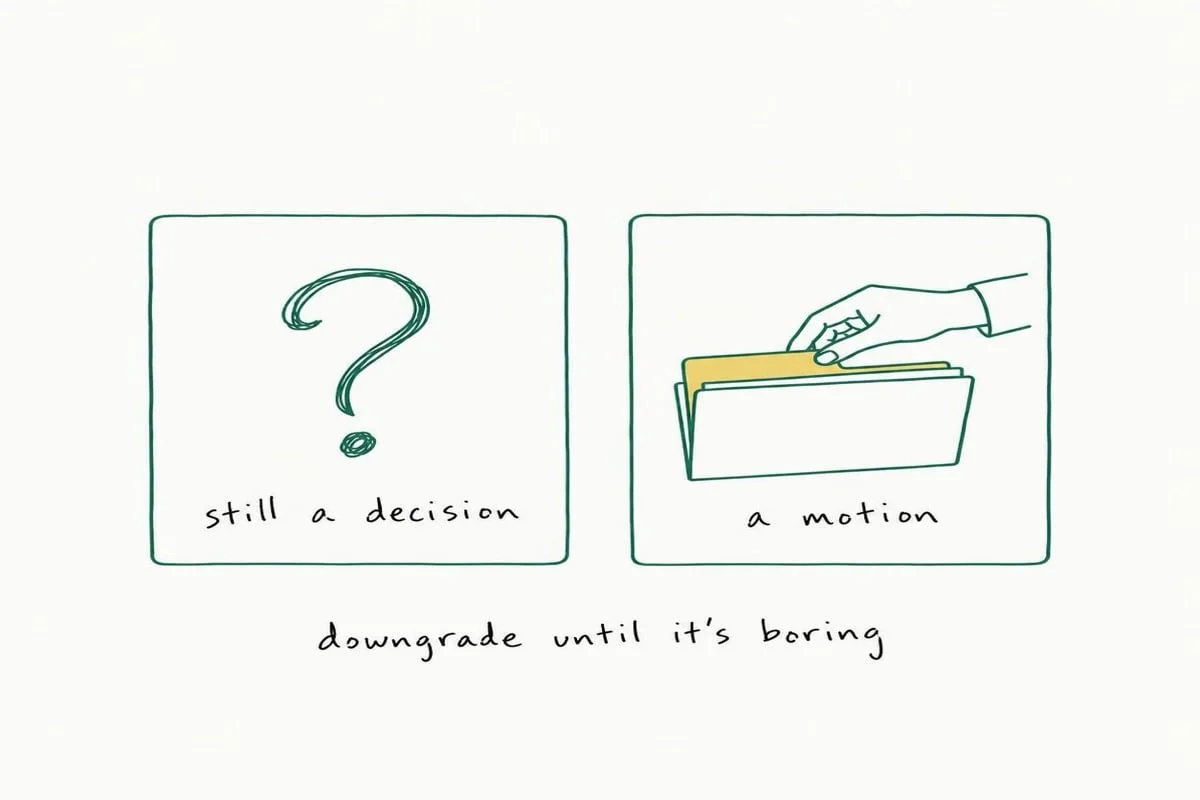
- Stop Adding Variables: Do not start a new supplement, a new pillow, or a new blackout curtain during this week. You need a clean baseline to understand what is actually happening.
By the end of one week, you will have a data-driven report rather than a vague complaint. If the log shows heat-driven wakes, your conversation with your doctor should focus on temperature management and potential hormone therapy. If the log shows hours of lying awake with a racing mind, you are a candidate for CBT-I.
Menopause is a massive transition, and sleep disruption is often a byproduct of the body recalibrating. By moving from a "remedy-hunting" mindset to a "pattern-tracking" one, you regain control over the one thing that dictates the quality of your waking life: the night. Do not let "it’s just menopause" cost you your rest. The evidence is clear, the patterns are identifiable, and the solutions—while requiring discipline—are within reach.