WASHINGTON — In an era dominated by hyper-advanced digital synchronization apps, cloud-based project managers, and artificial intelligence-driven personal assistants, a surprisingly low-tech organizing tool is experiencing a massive resurgence. Industry analysts and productivity experts report that consumer demand for physical, printable calendars has reached unprecedented levels, with requests for the upcoming 2027 schedules arriving earlier in the calendar year than ever before.
For creators of physical productivity resources, this early rush signals a fundamental shift in how modern households and remote professionals manage their time. The craving for tangible, ink-on-paper solutions highlights a growing cultural fatigue with screen-based organization and a renewed appreciation for the cognitive benefits of tactile planning.
Main Facts: The 2027 Printable Calendar Launch
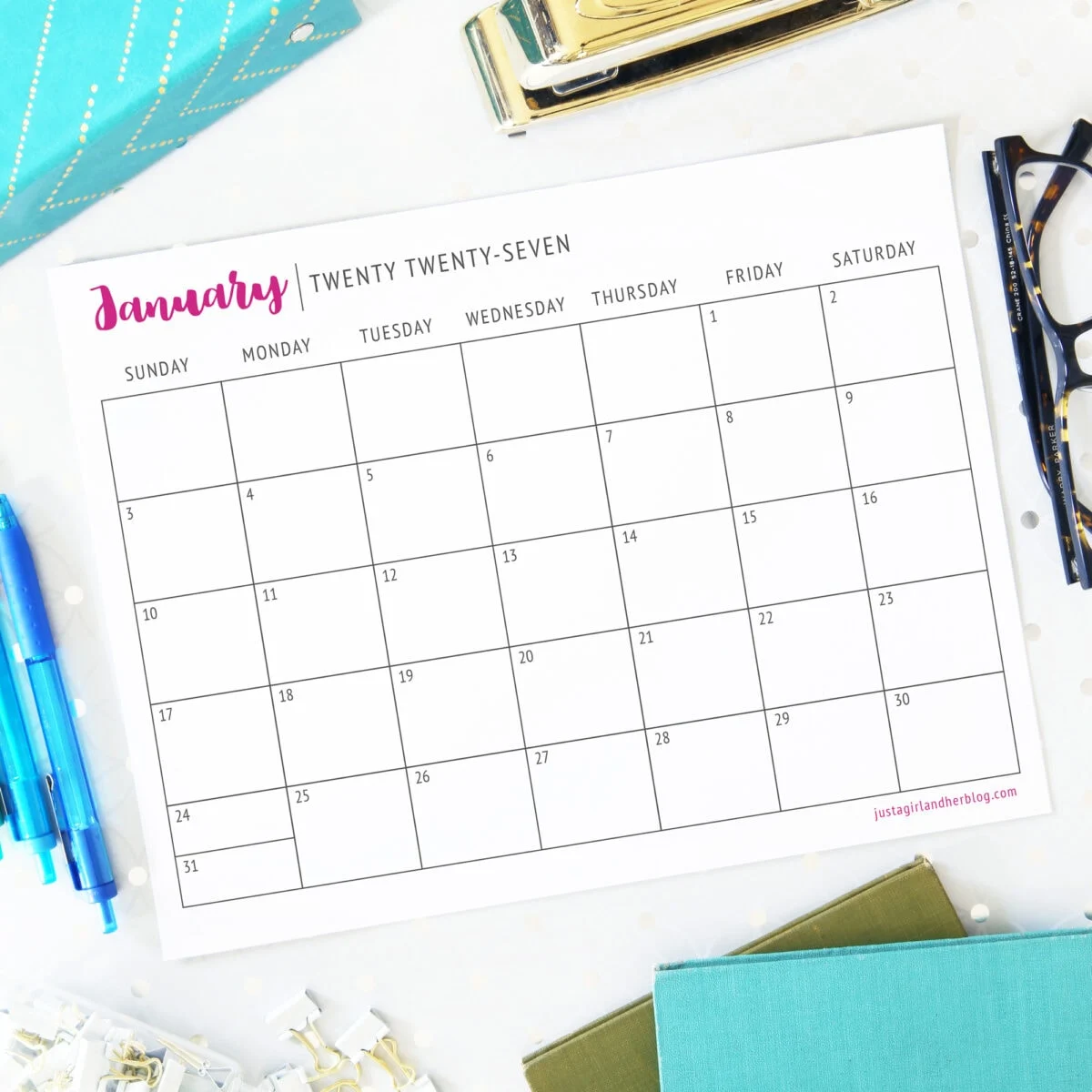
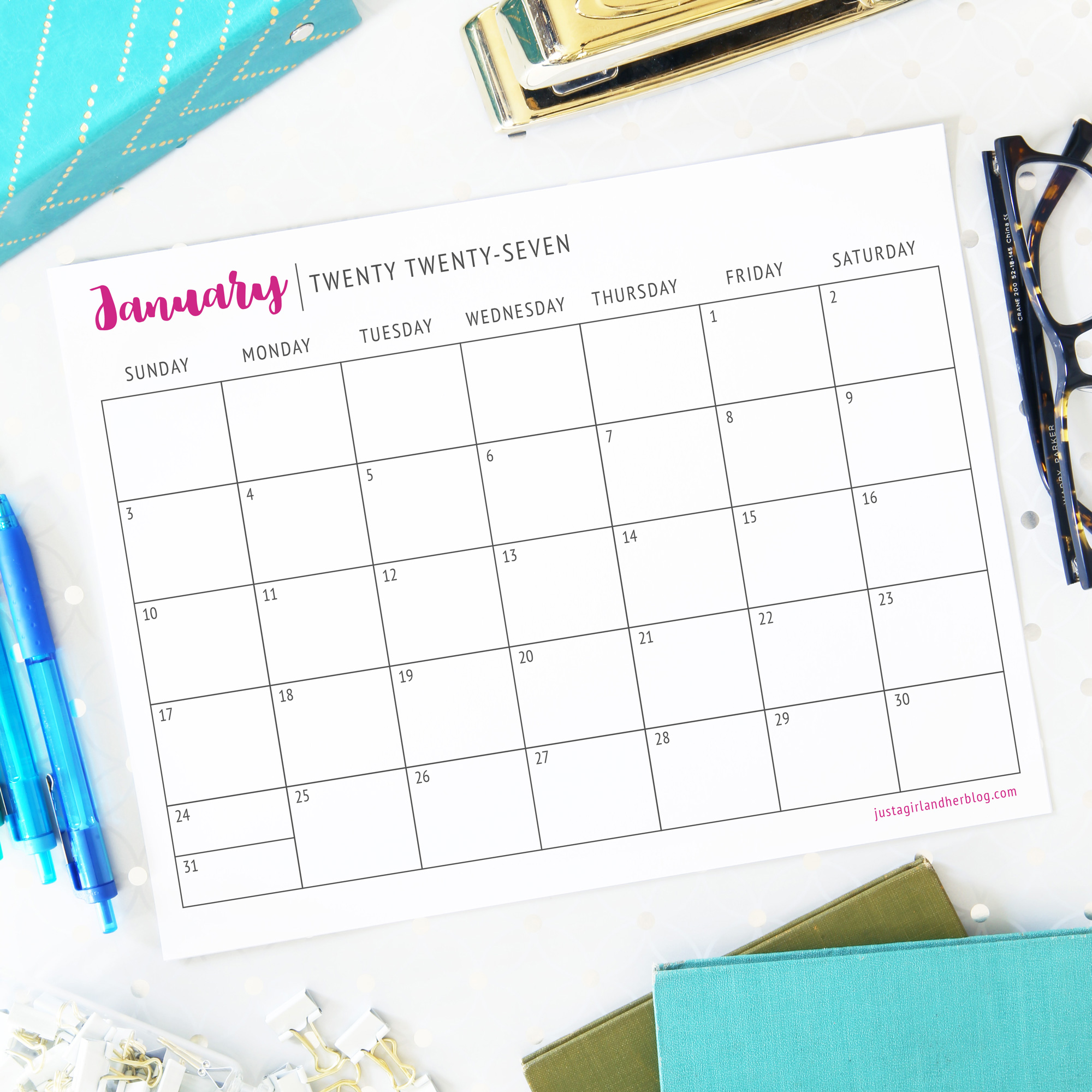
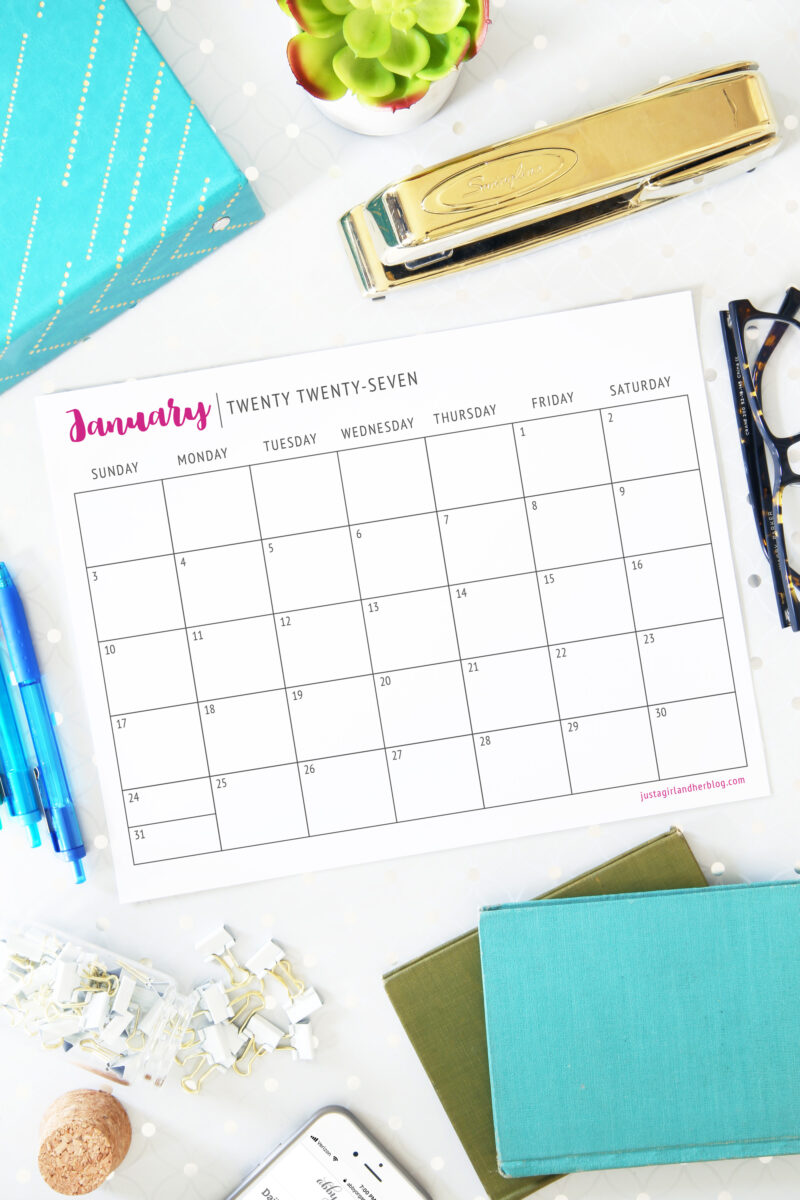
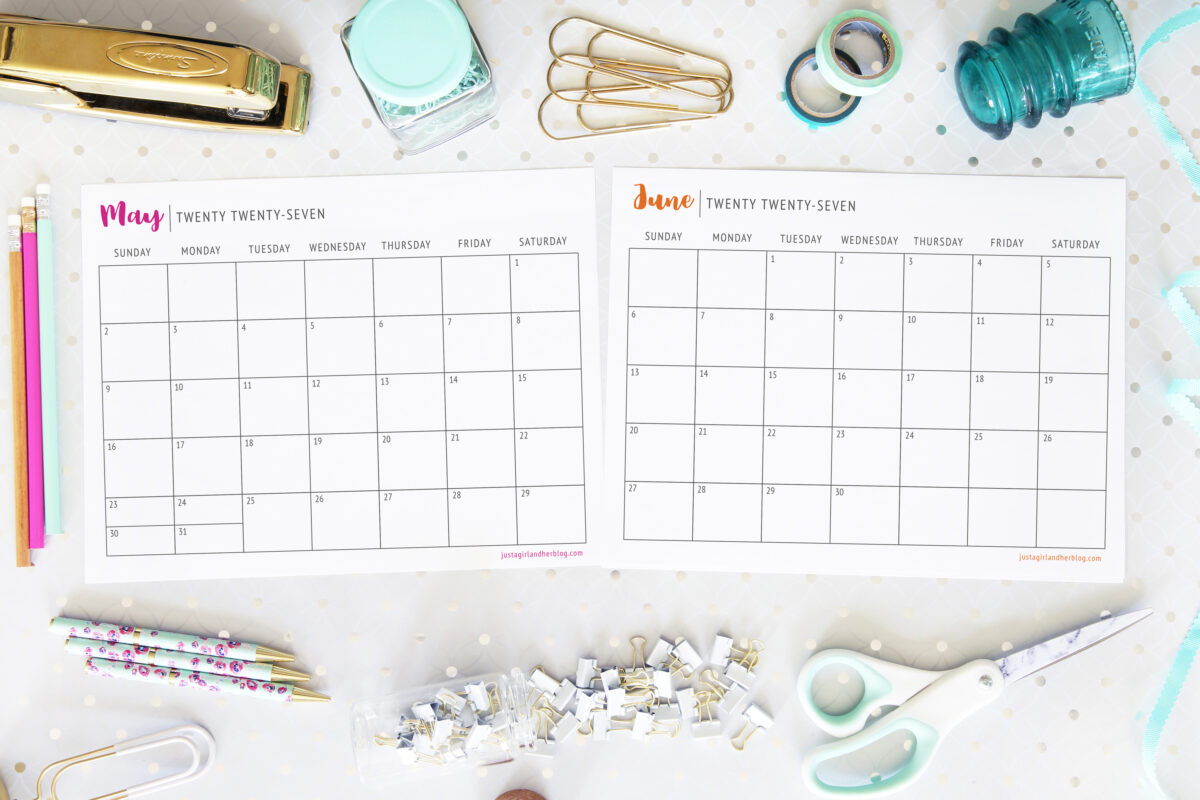
The formal release of the highly anticipated Free Printable Calendar 2027 has officially gone live across major productivity and lifestyle platforms, most notably spearheaded by organizational resource creators like Abby Lawson of Just a Girl and Her Blog. Designed to serve as a comprehensive life-management tool, the resource allows individuals to map out daily schedules, organize large-scale events, track long-term goals, and monitor routine activities without the friction of complex software interfaces.
- Format and Accessibility: The newly released calendar is optimized for standard 8.5” x 11” printing paper, making it universally accessible for home printers, office copy machines, and school resource centers.
- Versatility: Beyond traditional scheduling, the templates are engineered to support diverse tracking methods, including family command centers, meal planning, fitness regimens, and academic deadlines.
- Distribution Model: Offered entirely free of charge for personal use under Twenty-Three Publishing, LLC copyright, the resource bridges the gap between high-cost commercial planners and basic digital spreadsheets.
Chronology: The Timeline of Early-Bird Organization
The appetite for future-year planning tools has accelerated dramatically over the past decade, transforming what was once a fourth-quarter holiday ritual into a year-round administrative pursuit.
- April: The First Inquiries: Productivity bloggers and resource creators reported receiving their earliest-ever requests for the 2027 calendar template as early as April—a full eight months prior to the turn of the year. This marks a significant departure from historical trends, where calendar demand typically peaked between November and January.
- Summer Months: Consumer Anticipation: Historically, institutions such as community banks and local credit unions noted that holiday promotional calendars distributed during the summer months were met with immediate, ration-worthy demand. Consumers frequently requested multiple copies months before the calendar year began.
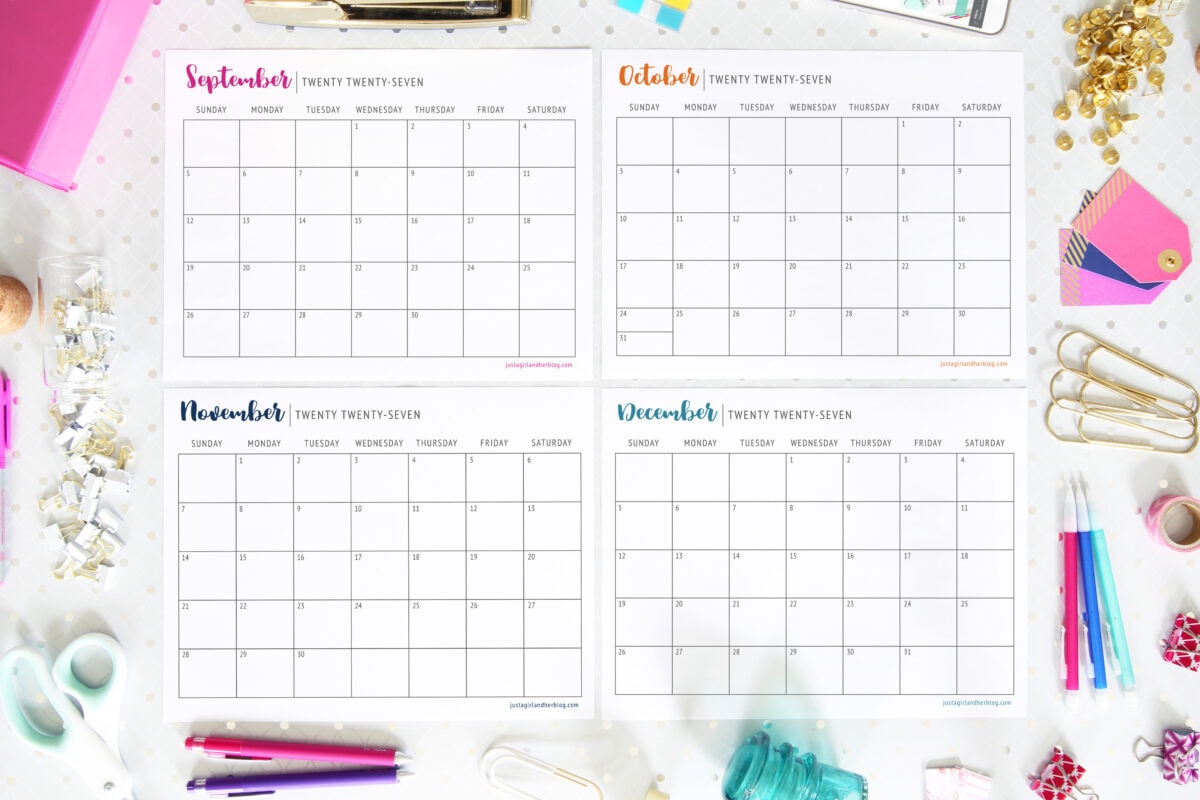
- Mid-Year Development Phase: Recognizing the sustained off-season interest, designers began developing expanded layouts—incorporating vertical, horizontal, and specialized monthly formats—to accommodate the diverse organizational styles requested by early planners.
- Fall Release Cycle: The official digital rollout provides users with immediate access to annual, quarterly, and monthly layout options, ensuring that long-term planners can begin mapping out multi-year projects well in advance.
Supporting Data: The Psychology and Demographics of Physical Planning
While digital tools boast infinite scalability, physical planners continue to hold a dominant psychological space in human productivity. Behavioral studies in cognitive psychology frequently point to the "generation effect"—the idea that information is better retained when actively produced by hand rather than typed digitally.
- Tactile Engagement: Market research indicates that a significant percentage of remote workers and students utilize hybrid systems, combining digital calendar alerts for time-sensitive meetings with physical wall calendars or desk pads for deep-focus tracking and goal-setting.
- The "Blank Slate" Effect: According to informal surveys among productivity enthusiasts, the physical act of writing down a goal on a clean paper grid provides an immediate psychological dopamine boost, reducing cognitive overload and establishing a tangible commitment to a task.
- Versatility Metrics: Analysis of user downloads reveals that printable calendars are frequently repurposed into:
- Academic and homeschooling trackers for children and educators.
- Content creation and editorial calendars for digital entrepreneurs.
- Financial budgeting and debt-payoff tracking grids.
- Health, wellness, and habit-tracking logs.
Official Responses and Creator Insights
The creator community has responded to the early 2027 rush with a mixture of amusement and validation regarding society’s deep-seated love for structured planning.
Reflecting on years of interacting with dedicated organization enthusiasts, Abby Lawson noted the unique cultural phenomenon surrounding calendar releases. "Calendar people are my kind of people," Lawson remarked. "Every year around this time, I start to get a bunch of emails asking, ‘When is next year’s calendar coming out?!’ This year it started earlier than ever. I think I got my first 2027 calendar request in April!"
Lawson drew parallels to her early career working in retail banking, where holiday promotional calendars were treated like prized commodities. "When we finally got them in, we’d have to ration them out because people would ask if they could take 10! They must’ve really loved calendars. I totally get it, though. Calendars have quickly become one of my most favorite organizing tools because they can be used for so many different purposes."
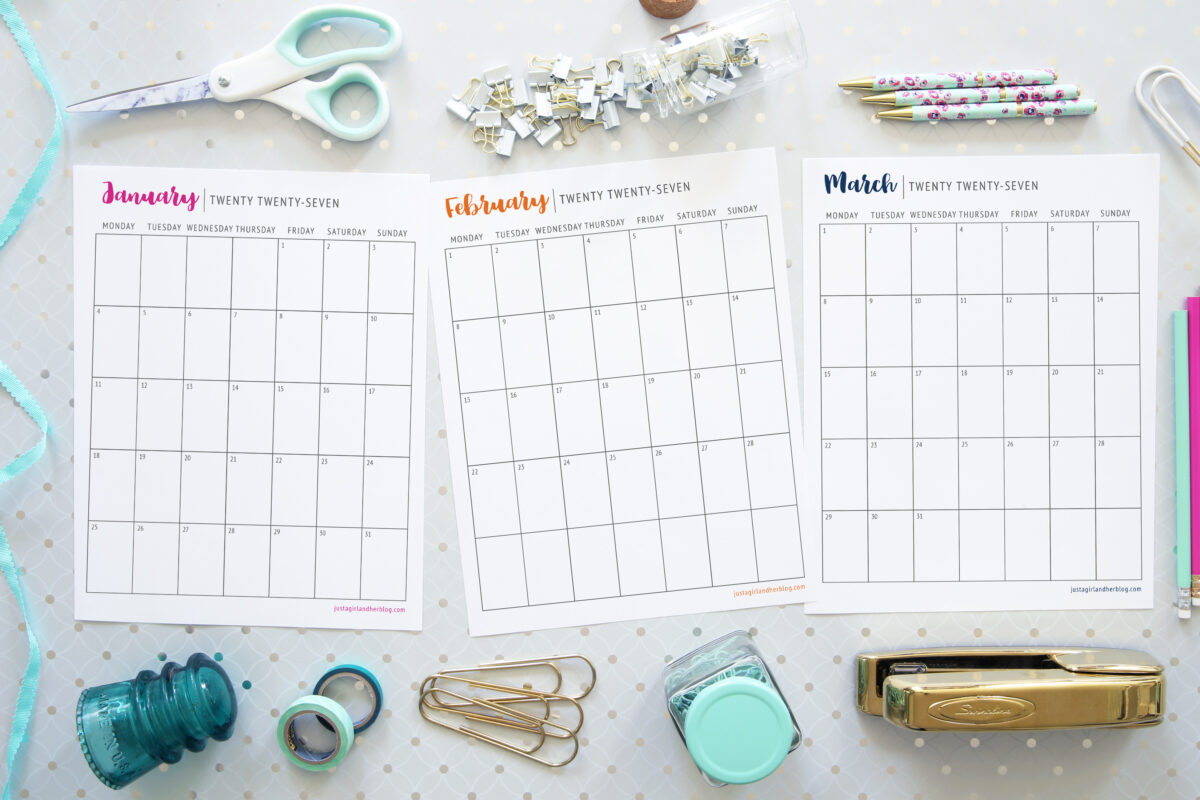
Publishing teams emphasize that the core mission behind offering these open-source printables is empowerment. By stripping away the financial and structural barriers of expensive commercial planners, everyday users are given a blank slate to architect their personal and professional lives. "My hope is that by providing these simple printable calendars, we can help people get organized," creators note. "Sometimes the simplest tools are the best. I’m always amazed at how a little organization can spark motivation and help get the ball rolling."
Implications: The Future of Time Management in a Digital World
The runaway success of the Free Printable Calendar 2027 carries broader implications for the future of the productivity industry.
- The Rise of Hybrid Productivity: Rather than choosing strictly between paper and pixels, modern consumers are adopting a "best of both worlds" approach. Automated notifications manage minute-to-minute schedules, while physical printables anchor macro-level goals, family coordination, and creative visioning.
- Mental Health and Digital Fatigue: As screen time saturation continues to climb, tactile activities like writing on paper calendars offer a necessary digital detox. The physical act of crossing off a completed day provides a grounding, offline sense of accomplishment.
- Accessibility in Organization: The availability of high-quality, free-to-print resources democratizes personal productivity. Families, students on tight budgets, and small business owners can customize their workspaces without investing in costly commercial binding systems.
As consumers increasingly look toward 2027 with ambitious goals and projects, the humble printable calendar proves that innovation doesn’t always require an update—sometimes, all it takes is a fresh sheet of paper and a sharp pen.