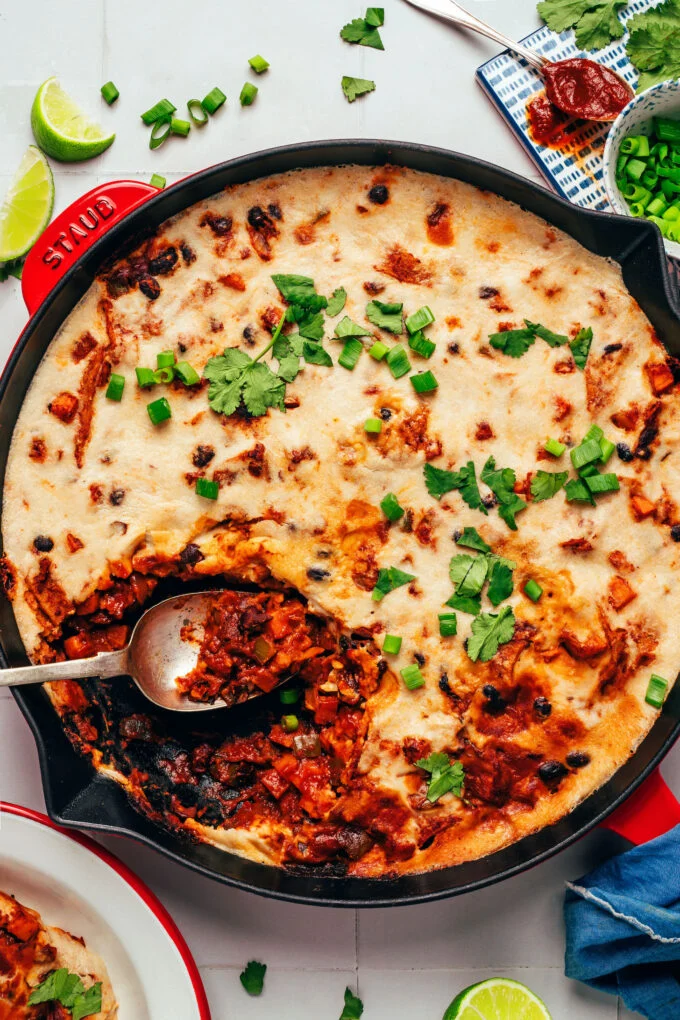
In the fast-paced landscape of modern home cooking, the challenge of preparing a nutritious, flavor-packed meal in under 30 minutes often feels like a culinary paradox. However, a new wave of "one-pan" cooking has emerged as a solution for busy households, with the Cheesy Vegan Enchilada Skillet leading the charge. This dish, which reimagines the traditional, labor-intensive enchilada into a streamlined, skillet-based format, has recently gained significant traction among home chefs looking to balance time efficiency with plant-based nutrition.
By eliminating the tedious process of stuffing and rolling individual tortillas, this recipe offers a masterclass in culinary simplification. It is not merely a shortcut; it is an evolution of a classic dish that honors historical roots while embracing the realities of the 21st-century kitchen.
Main Facts: The Anatomy of a One-Pan Success
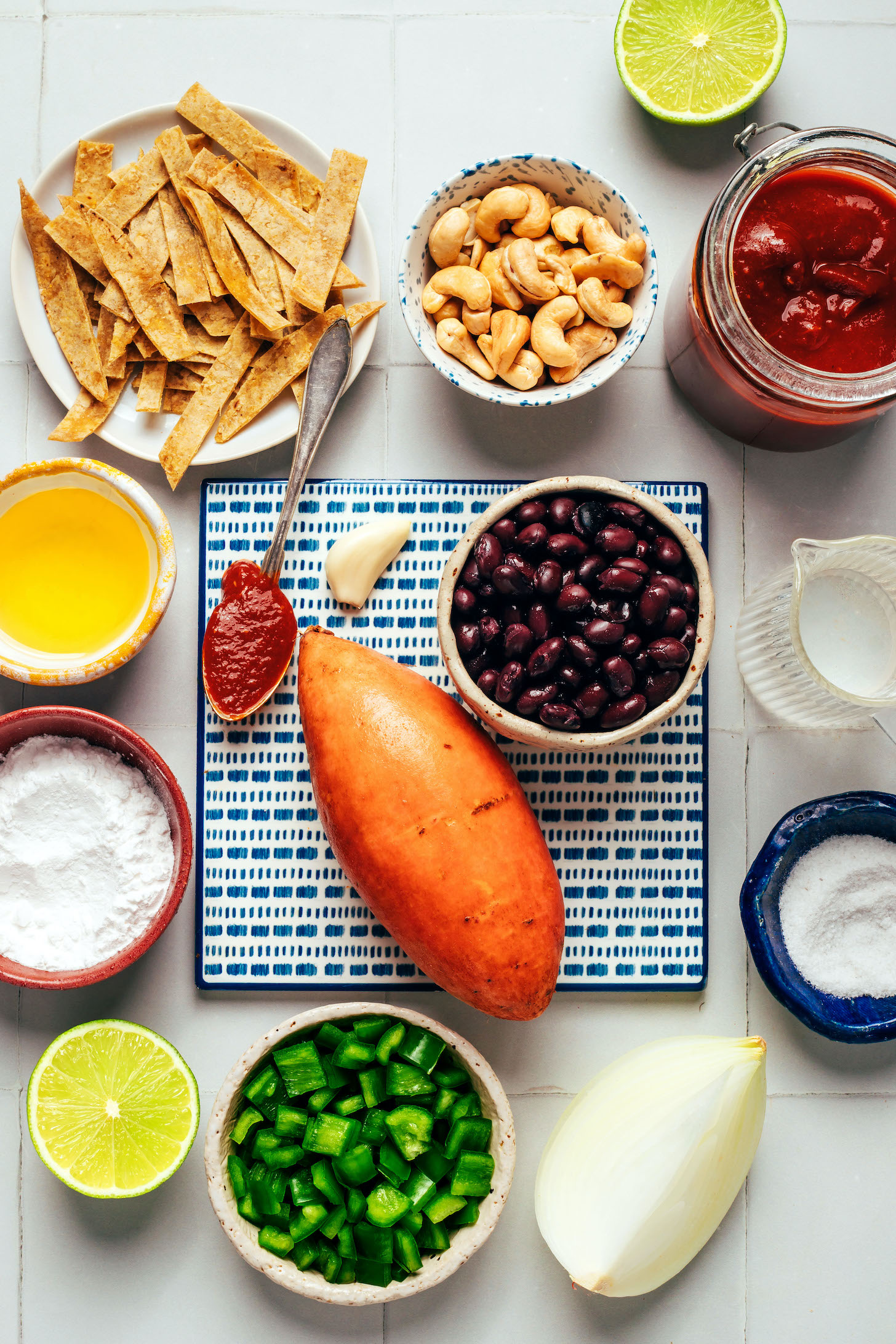
The Cheesy Vegan Enchilada Skillet is characterized by its high nutrient density and reliance on pantry staples. At its core, the dish utilizes a base of aromatics—onions and garlic—complemented by seasonal vegetables like sweet potatoes or winter squash and poblano peppers. The protein component is anchored by black beans, providing a robust fiber profile that ensures the meal remains satiating.
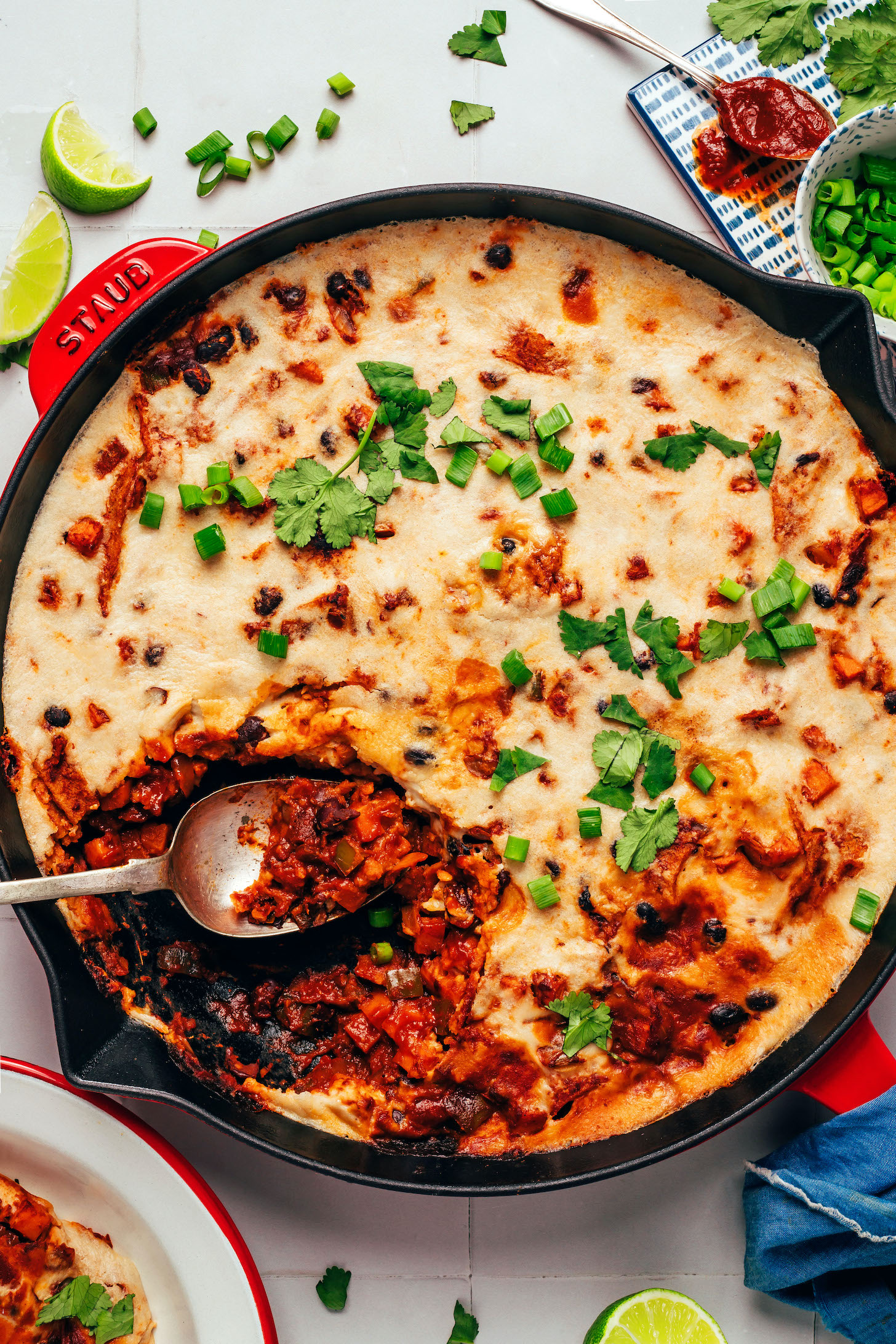
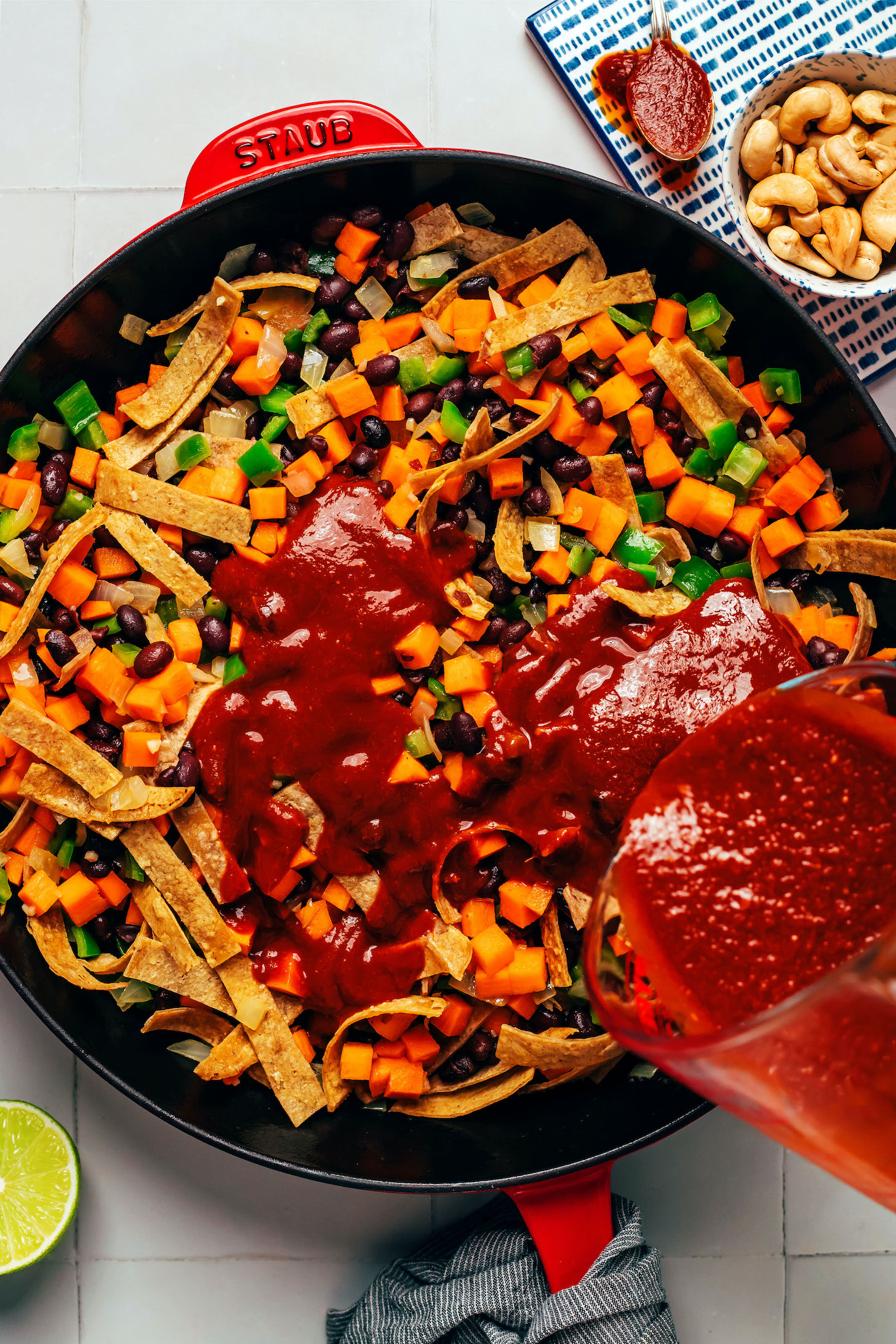
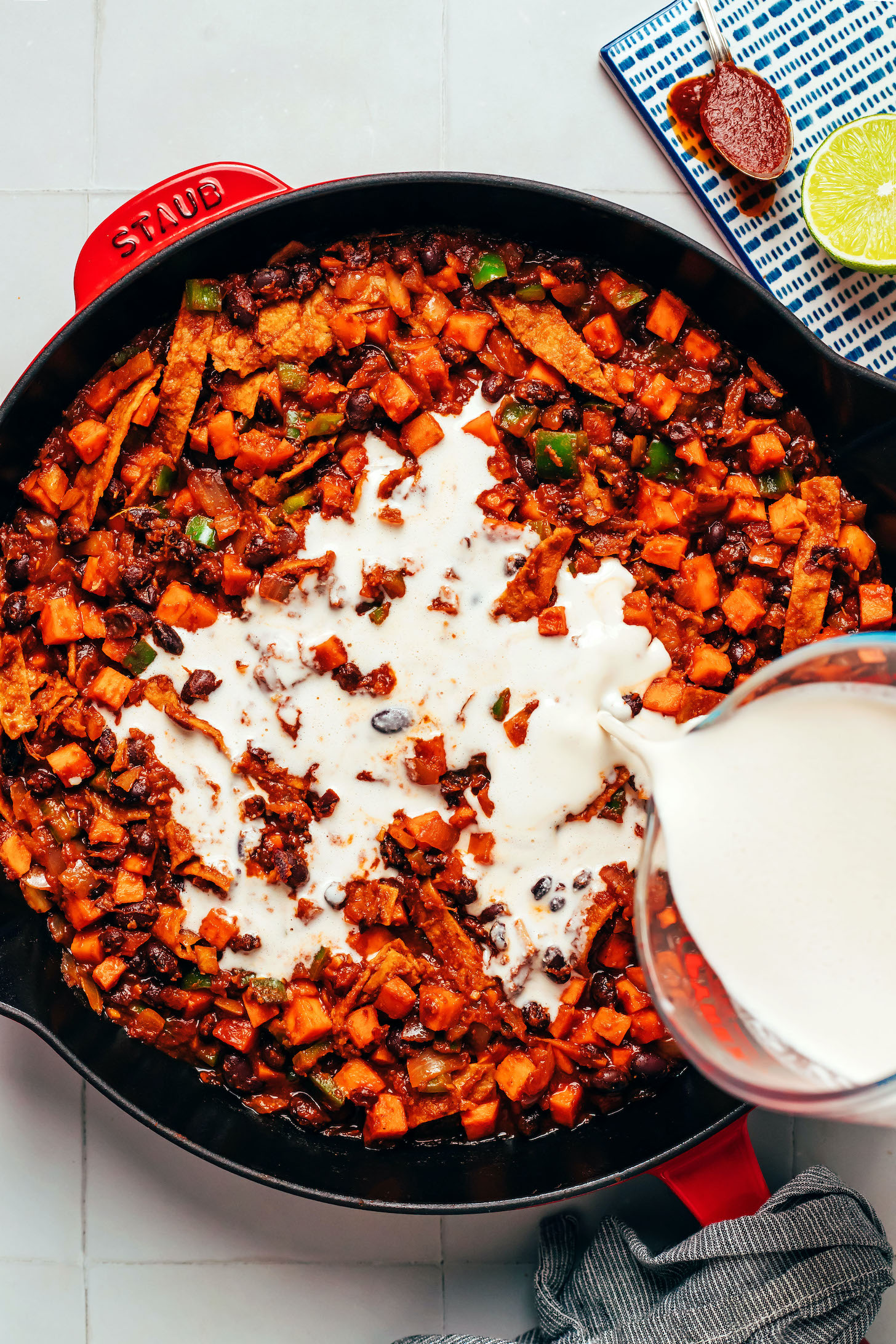
The defining "innovation" of this specific preparation is the shift away from the traditional rolling technique. Instead, corn tortillas are sliced into strips and folded directly into the mixture, allowing them to absorb the red enchilada sauce during the stovetop simmer. The final touch—a creamy, cashew-based "cheese" sauce—utilizes tapioca starch to achieve a melt-like consistency that mimics dairy, providing the necessary fat content and richness that completes the profile of a classic comfort food.
Chronology: From Mayan Roots to Modern Skillets
To understand the significance of this shift, one must look at the evolution of the enchilada itself. Historians trace the lineage of the enchilada back to the Mayan civilization, where corn tortillas were wrapped around small fish or other proteins. The papadzules of the Yucatan Peninsula are frequently cited as a distant ancestor to the dish we recognize today.
The transition from a street-food staple to a cookbook fixture began in earnest in 1831, with the publication of El Cocinero mexicano. This seminal text provided the first written documentation of the dish, establishing it as a versatile vehicle for various fillings, including meat, cheese, and vegetables.
For nearly two centuries, the "roll" was considered essential to the definition of an enchilada. However, the late 20th and early 21st centuries saw a movement toward "deconstructed" meals. The current iteration—the one-pan skillet—marks the latest stage in this timeline. By removing the physical barrier of the roll, the meal has transitioned from a labor-intensive dinner-party project to a viable, repeatable Tuesday night staple.
Supporting Data: Nutrition and Efficiency
The appeal of this recipe is backed by both nutritional profiles and time-motion efficiency. A single serving contains approximately 416 calories, with a notably high fiber content of 14.3 grams per serving. This is largely attributed to the synergy between the sweet potato, black beans, and corn tortillas.
Comparative Nutritional Overview
- Protein: 13.6g (Derived from black beans and cashews)
- Carbohydrates: 68.2g (Complex carbs from tubers and corn)
- Sodium: 940mg (Controlled via homemade sauce options)
- Efficiency: 10 minutes prep time; 20 minutes cook time.
The use of cashews as a base for the "cheese" sauce serves a dual purpose. From a nutritional standpoint, it introduces heart-healthy monounsaturated fats. From a culinary perspective, it provides a stable emulsion that reacts well to heat, avoiding the separation often seen in lower-quality vegan cheese substitutes.
Official Perspectives: The Culinary Philosophy
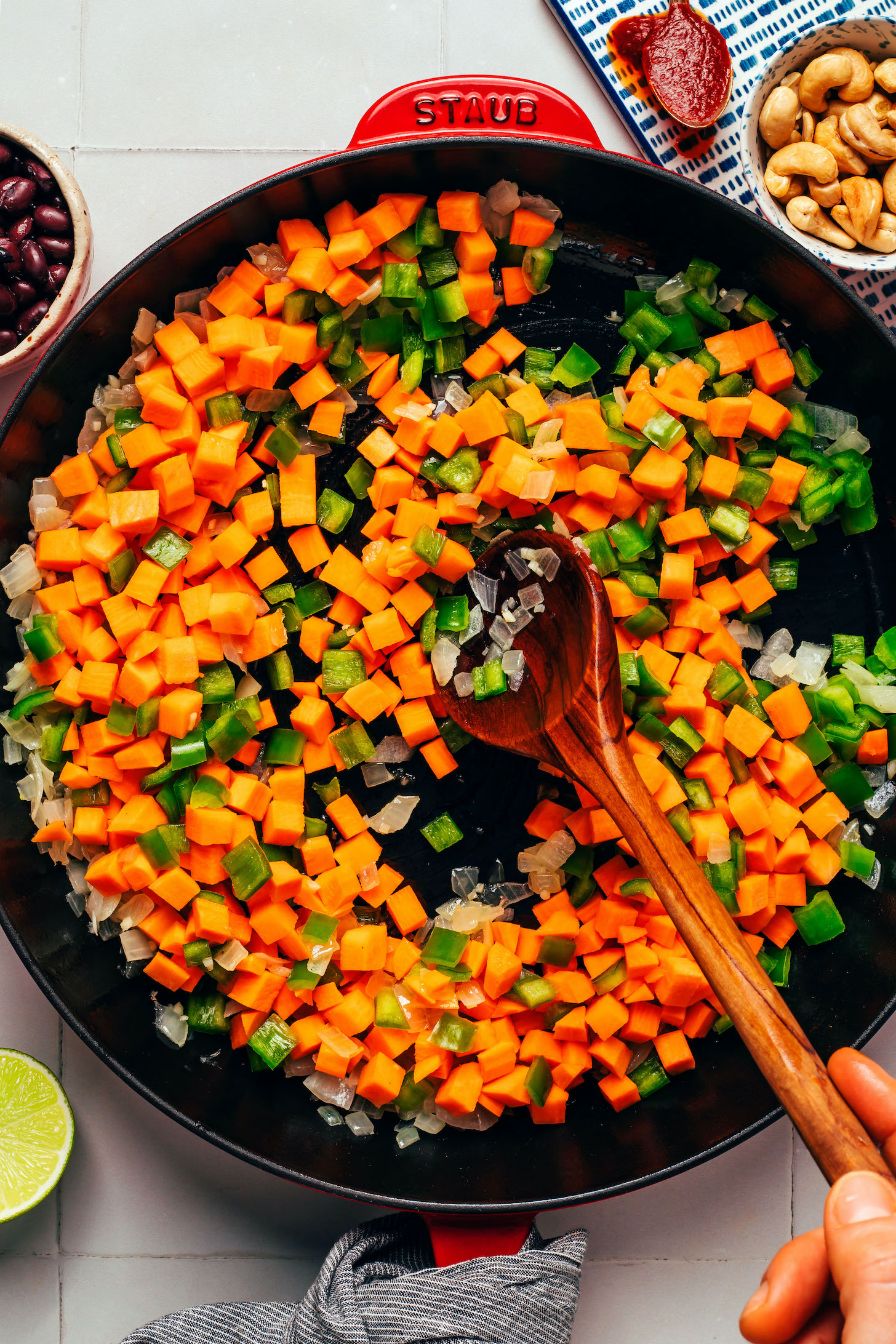
Culinary experts and recipe developers suggest that the success of this dish lies in its "flavor layering." By sautéing the vegetables before introducing the sauce, the chef caramelizes the natural sugars in the onions and squash. When the enchilada sauce is added, it creates a deglazing effect that lifts the browned bits (fond) from the bottom of the pan, infusing the sauce with a depth usually reserved for long-simmering stews.
"The move toward one-pan meals is not about laziness," says one industry analyst. "It is about the reclamation of the home kitchen. When you reduce the cognitive load of a recipe—meaning fewer steps, fewer dishes, and a faster timeline—you increase the likelihood that a person will choose to cook at home rather than rely on ultra-processed takeout."
The choice of poblano peppers is also significant. Poblanos offer a mild, smoky heat that differentiates the dish from standard taco-night fare. When combined with the earthy notes of black beans and the sweetness of the squash, the dish achieves a balance of flavors that appeals to a wide demographic, including those who do not adhere to a strictly vegan diet.
Implications: The Future of Plant-Based Home Cooking
The rise of the 30-minute vegan enchilada skillet has broader implications for the food industry. As plant-based eating continues to transition from a niche subculture to a mainstream lifestyle choice, the demand for "approachable" recipes is skyrocketing.
1. The Death of the "Complex" Vegan Meal
Historically, vegan recipes were often viewed as complex, requiring specialty ingredients or multiple cooking vessels. This recipe challenges that narrative by using ingredients found in any standard supermarket—cashews, black beans, corn tortillas, and basic produce.
2. Sustainability and Minimalist Logistics
By utilizing a single pan, the recipe reduces water and energy consumption during the cleanup phase. Furthermore, by using versatile vegetables like sweet potatoes, the dish encourages the use of seasonal produce, which has a smaller carbon footprint compared to off-season imports.
3. Cultural Adaptation
While some purists may argue that an "enchilada" must be rolled, the evolution of the dish demonstrates a broader cultural shift: the adaptation of heritage recipes to meet the temporal constraints of modern life. It proves that a recipe can be both "inspired by" tradition and "innovated for" the future.
Culinary Tips for Success
For those attempting this dish at home, the nuances are in the preparation.
- The Cube Size: The recommendation to cut vegetables into 1/4 to 1/2-inch cubes is critical. Because the dish is cooked in a single pan for only 20 minutes, the surface area of the vegetables dictates the final texture. Larger cubes will remain crunchy, while smaller cubes will meld with the sauce to create a cohesive, thick consistency.
- Blender Power: While soaking cashews is a traditional requirement for vegan cheese, the use of a high-speed blender can often bypass this step. However, if the blender is not powerful, a brief soak in hot water will ensure the final sauce is velvety rather than gritty.
- Customization: The recipe is inherently modular. While the base is stable, it acts as a canvas. Adding kale or spinach at the final minute of cooking provides a boost of iron and chlorophyll without altering the flavor profile.
Ultimately, the Cheesy Vegan Enchilada Skillet is more than a fleeting internet trend. It is a functional, delicious, and historically informed meal that demonstrates how modern technology and simplified techniques can elevate plant-based nutrition. Whether one is a lifelong vegan or a meat-eater looking to incorporate more plant-based dinners into their weekly rotation, this recipe provides a blueprint for success in the 30-minute kitchen.