By Jeff Somers
October 29, 2026
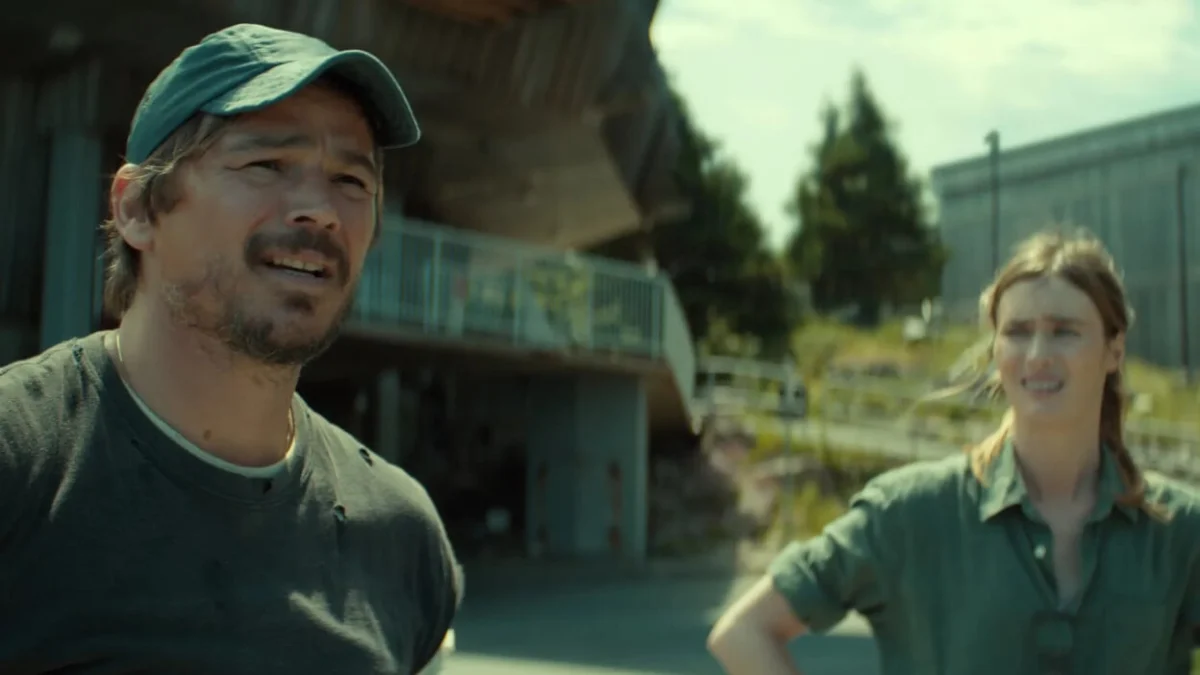
The community of Snook’s Arm, Newfoundland, serves as more than just a backdrop in Netflix’s hit series Below; it is a character in its own right. Fog-drenched, biting with cold, and defined by a hardscrabble resilience, the town provides the perfect ecosystem for the ocean-borne dread that defines the show. Anchored by a remarkably grounded performance from Josh Hartnett as Calvin, Below manages to achieve a rare balance: it is a high-stakes horror narrative that refuses to sacrifice the emotional intimacy of its characters for the sake of its central mystery.
For viewers who have already binged the series and found themselves craving more of that specific, slow-burn tension, the landscape of cinematic horror offers a wealth of similar narratives. If you are looking to extend the eerie, salt-sprayed atmosphere of Below into feature-length cinema, there is a storied tradition of "coastal gothic" horror that awaits you.
The Genesis of Coastal Terror: The Jaws Template
When discussing the evolution of horror stories set in remote, seaside communities, one must inevitably return to the foundational text: Steven Spielberg’s 1975 masterpiece, Jaws. While often remembered simply as a "shark movie," Jaws is, at its core, a sociological study of a town under siege.
Chronology and Context
The narrative of Jaws remains the gold standard for small-town isolation. When a young woman is killed during a night swim, Police Chief Martin Brody (Roy Scheider) finds his pleas for safety thwarted by a Mayor (Murray Hamilton) prioritizing the tourist economy. This conflict—the clash between public safety and financial survival—is a recurring theme that Below modernizes and expands upon. The transition from the idyllic, pre-glam Martha’s Vineyard (standing in for the fictional Amity Island) to the treacherous, churning ocean mirrors the structural beats seen in contemporary series like Below.
Supporting Themes
The genius of Jaws lies in its restraint. Much like Below, which opts to keep its central threat obscured for as long as possible, Jaws understands that the unknown is more terrifying than the revealed. By forcing the audience to wait for the appearance of the creature, the film builds a palpable sense of dread. The trio of protagonists—Brody, the cynical hunter Quint, and the academic Hooper—serve as a microcosm of the town’s own internal fractures. Their journey into the deep ocean to confront the beast is the ultimate realization of the fear of the "other" emerging from the water.

Implications of the "Isolated Locale" in Modern Horror
The appeal of stories like Below and its predecessors lies in the concept of "liminal isolation." Whether it is a town in Newfoundland or an island off the coast of New England, these settings force characters into a corner where they cannot rely on traditional institutions for help. When the nearest help is miles of ocean or dense fog away, the community must turn on itself or rely on its own flawed history to survive.
This isolation acts as a pressure cooker. As seen in Below, the economic and personal stresses of the inhabitants are amplified by the encroaching threat. This is a common trope in the subgenre: the monster or the supernatural event is often a physical manifestation of a town’s buried secrets or its refusal to adapt to a changing world.
Curated Recommendations: Further Viewing
If you have already revisited the classics or find yourself still in the grip of that Below-inspired malaise, the following films offer a deep dive into the same thematic waters.
The Bay (2012): Found Footage and Ecological Collapse
The Bay shifts the perspective from cinematic thriller to found-footage horror. Set in the coastal town of Claridge, Maryland, the film chronicles an ecological disaster where the water itself becomes the antagonist.
- The Connection: Like Below, the tension is derived from humanity’s reckless interaction with the natural world. The citizens of Claridge, much like those in Snook’s Arm, find themselves caught in a web of government incompetence and biological horror. It is a grittier, more visceral exploration of how small communities are often the first to pay the price for systemic neglect.
The Host (2006): The Human Cost
Bong Joon-ho’s masterpiece, The Host, serves as a bridge between the monster-movie genre and high-stakes family drama. When a creature emerges from the Han River and snatches a young girl, the narrative shifts from a public panic to a singular, desperate rescue mission.
- The Connection: The emotional core of The Host is the Park family. Their internal dynamics, arguments, and resilience echo the Penney family in Below. It is a reminder that in the face of an existential threat, it is the family unit—with all its messy, human flaws—that provides the only real tether to reality.
Dagon (2001): Lovecraftian Seclusion
Based on H.P. Lovecraft’s The Shadow Over Innsmouth, Dagon is perhaps the most direct spiritual successor to the "creepy seaside town" genre. When a boat accident leaves a group of friends stranded on the Spanish coast, they discover a village that has sacrificed its humanity for prosperity.

- The Connection: The film is an explicit exploration of the "price of survival." The villagers of the film’s setting have traded their souls for safety, mirroring the moral compromises that often occur in isolated communities facing external pressures. It captures the same sense of unease and inevitable doom that characterizes the best moments of Below.
The Fog (1980): Justice from the Deep
John Carpenter’s The Fog remains the definitive "atmospheric" horror film. As the coastal town of Antonio Bay prepares to celebrate its centennial, a supernatural fog rolls in, bringing with it the ghosts of the town’s founders’ victims.
- The Connection: If you are drawn to the "foggy, liminal feel" of Below, The Fog is an essential watch. It deals with the idea that the past is never truly buried; it simply waits for the right conditions to return to the surface. The sense of creeping, inescapable dread is handled with a master’s touch, emphasizing the environment as an active participant in the horror.
Offseason (2021): The Liminal Space of Tourism
Offseason captures the specific, uncanny feeling of a tourist town during the off-season. When Marie travels to a remote island to bury her mother, she finds the bridge to the mainland closing and the locals acting with a bizarre, ritualistic malice.
- The Connection: This film excels at creating a sense of "wrongness." For anyone who has experienced the eerie quiet of a seasonal town, Offseason will strike a nerve. Its focus on the claustrophobia of being trapped in a place that no longer welcomes you perfectly complements the tone of Below.
Conclusion: The Enduring Allure of the Sea
The reason we continue to return to stories like Below—and why they resonate so deeply—is that the ocean remains the last great frontier of the unknown. It is vast, largely unexplored, and indifferent to human suffering. When we place a small, fragile community at the edge of that abyss, we are exploring our own fears about survival, community, and the secrets we keep from one another.
Whether it is the shark of Amity Island, the pollutants of Claridge, or the mysteries of Snook’s Arm, these stories remind us that the most terrifying things are often those that wash up from the depths, dragging our hidden sins into the light. As you explore these recommendations, consider not just the monsters, but the people who stand against them—because, in the end, it is their humanity that makes the horror worth watching.