In an era where the fitness industry is saturated with high-intensity boot camps and restrictive nutritional protocols, many individuals find themselves paralyzed by the "all-or-nothing" mentality. The result is often a cycle of enthusiasm followed by rapid burnout. Seeking to dismantle this barrier to entry, the community-driven platform Nerd Fitness has officially unveiled a new 30-day initiative designed to gamify the process of habit building and remove the friction that prevents long-term health success.
This new program, spearheaded by Coach Matt, is a direct response to a surge in reader feedback from individuals who feel overwhelmed by traditional fitness standards. By shifting the focus from "transformation" to "consistency," the platform aims to prove that sustainable health is built through small, manageable quests rather than monumental life overhauls.
The Genesis of the Initiative: Addressing the "Overwhelm" Factor
The impetus for this 30-day program came from a candid email sent by a member of the Nerd Fitness community. The reader expressed a sentiment shared by many: the desire to get stronger and healthier, but the persistent fear of failing to maintain long-term habits.
"I’m mainly looking to get healthier, get stronger, and finally build some habits that I can actually stick with long-term," the reader wrote. "I’m hoping Nerd Fitness can help make the process a little less overwhelming – and maybe a bit more fun, too!"
This feedback serves as the bedrock for the new program. According to Coach Matt, the primary objective is to replace the ambiguity of "getting fit" with a clear, actionable roadmap. By breaking down fitness into weekly, manageable quests, the platform intends to minimize the "second-guessing" that often leads to procrastination.
A Chronological Breakdown: The 30-Day Adventure Log
The program is structured as a four-week progressive curriculum, with each week introducing a new pillar of fitness. However, the program begins before the first week even officially starts, focusing on what the team calls "Quest 0" and "Quest 0.5."
Phase 0: Establishing the Baseline
The journey begins with two foundational steps designed to shift the user’s momentum:
- Quest 0: The First Step. Participants are tasked with going for a short walk—regardless of length or location. The psychological objective here is to transition from a state of planning to a state of action.
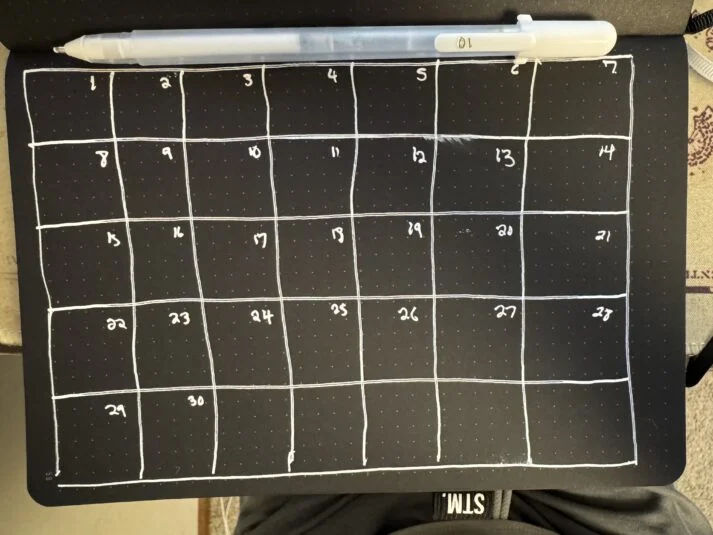
- Quest 0.5: The Adventure Log. Participants are instructed to draw 30 boxes on a piece of paper, creating a physical "Adventure Log." By placing this in a visible location, participants create a visual feedback loop, which behavioral scientists often cite as a key factor in habit retention.
Week 1: The Introduction of "Movement Snacks"
The first official week shifts the focus to "Daily Movement Snacks." Rather than requiring a one-hour gym session, participants are encouraged to incorporate small, bite-sized bursts of physical activity throughout the day. Whether it is performing bodyweight exercises while waiting for coffee to brew or engaging in light stretching while watching television, the goal is to make physical movement a normalized part of the daily routine.
To gamify this, the program suggests a "Dice Roll" method. By assigning six different exercises to the numbers on a six-sided die, participants can inject an element of spontaneity and play into their fitness routine, effectively turning a chore into a game.
Supporting Data: Why "Micro-Habits" Work
The methodology behind the Nerd Fitness program aligns with contemporary behavioral psychology. Research on habit formation, most notably popularized by researchers like B.J. Fogg at Stanford University, suggests that "tiny habits" are significantly more effective than broad, ambitious goals.
When a task is simplified to the point of being "too small to fail," the individual is much more likely to complete it consistently. Once the behavior becomes automated, the intensity can be increased. By focusing on "movement snacks" rather than a grueling hour-long workout, Nerd Fitness is effectively lowering the psychological activation energy required to start.
Furthermore, the use of the "Adventure Log" functions as a form of "gamified self-monitoring." Tracking progress—even in the form of a simple mark in a box—provides a dopamine reward that reinforces the habit loop. According to data on habit formation, the act of marking a calendar can increase the likelihood of success by providing a visual representation of progress, often referred to as "Don’t Break the Chain."
Official Perspective: The Philosophy of Coach Matt
In an exclusive look at the program’s rollout, Coach Matt emphasized that the goal is not merely physical transformation, but a shift in identity. "We aren’t just trying to get you to do a push-up," the team noted in their official communication. "We are trying to build the identity of someone who moves, someone who tracks their progress, and someone who knows how to have fun while doing it."
The program is designed to be inclusive. By making the "misses" (days where a quest isn’t completed) a normal part of the process, the program aims to reduce the shame associated with skipping a workout. This "compassionate accountability" is a hallmark of the Nerd Fitness brand, contrasting sharply with the "no pain, no gain" rhetoric that often dominates the fitness industry.
Implications for the Future of Personal Fitness
The launch of this 30-day program reflects a broader trend in the wellness industry: the shift toward digital, low-barrier entry points. As consumers become increasingly aware of the dangers of burnout and extreme dieting, platforms that offer moderate, sustainable, and gamified approaches are gaining significant traction.
Potential Long-Term Impacts:
- Increased Adherence: By focusing on low-intensity daily habits, the program likely reduces the attrition rate typically seen in the first two weeks of fitness programs.
- Cognitive Reframing: The use of "quests" and "adventure logs" reframes the concept of exercise from a punitive measure to a narrative-driven pursuit, which can be particularly effective for individuals who struggle with the boredom of traditional routines.
- Community Building: As users share their progress with their "Adventure Logs," the potential for a social network of mutual support increases, creating a feedback loop of encouragement.
However, the effectiveness of the program will ultimately depend on the user’s ability to maintain the "Adventure Log" and the transition from these initial "snacks" to more structured, long-term athletic development.
Conclusion: The Path Forward
The Nerd Fitness 30-day challenge serves as a reminder that the most significant obstacles to fitness are often psychological, not physical. By stripping away the complexity and focusing on the simplicity of movement and documentation, the program offers a scalable solution for those who have long struggled to establish a consistent fitness routine.
For those interested in participating, the barrier to entry is intentionally minimal. It requires only a piece of paper, a pen, and the willingness to walk for a few minutes. As the program states, the first step is the most important—but it is the subsequent, consistent steps that define the outcome.
As Coach Matt concludes, "We’ll continue to level up and build from here." For the thousands of readers receiving these quests, the journey is not just about the next 30 days, but about setting a precedent for a lifetime of movement.
For those looking to participate, the official opt-in for the full sequence of quests is available through the Nerd Fitness portal. The journey begins with a walk—all that is left is to take it.