The gaming world is currently vibrating with a singular, high-frequency anticipation. Following the monumental reveal during the recent Zelda 40th Anniversary Direct, Nintendo has finally pulled back the curtain on its most ambitious project to date: a full-scale, ground-up remake of The Legend of Zelda: Ocarina of Time. While the title remains one of the most revered entries in interactive entertainment history, this new iteration for the Nintendo Switch 2—slated for a global release on November 5, 2026—promises to be far more than a nostalgic exercise in high-definition upscaling.
The Core Revelation: A New Era for Hyrule
For many, Ocarina of Time is the "perfect" video game. Originally released in 1998 for the Nintendo 64, it pioneered Z-targeting, context-sensitive button inputs, and a cinematic approach to storytelling that defined the 3D action-adventure genre for decades. However, the 2026 remake is poised to challenge our collective memory of the kingdom of Hyrule.
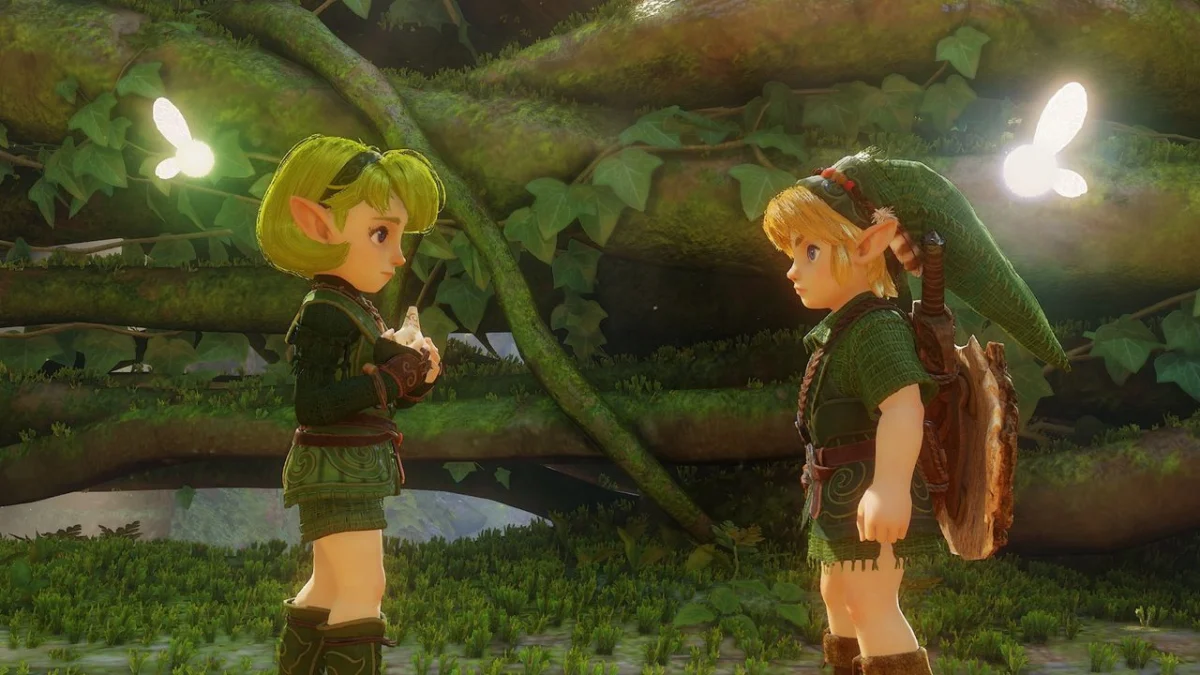
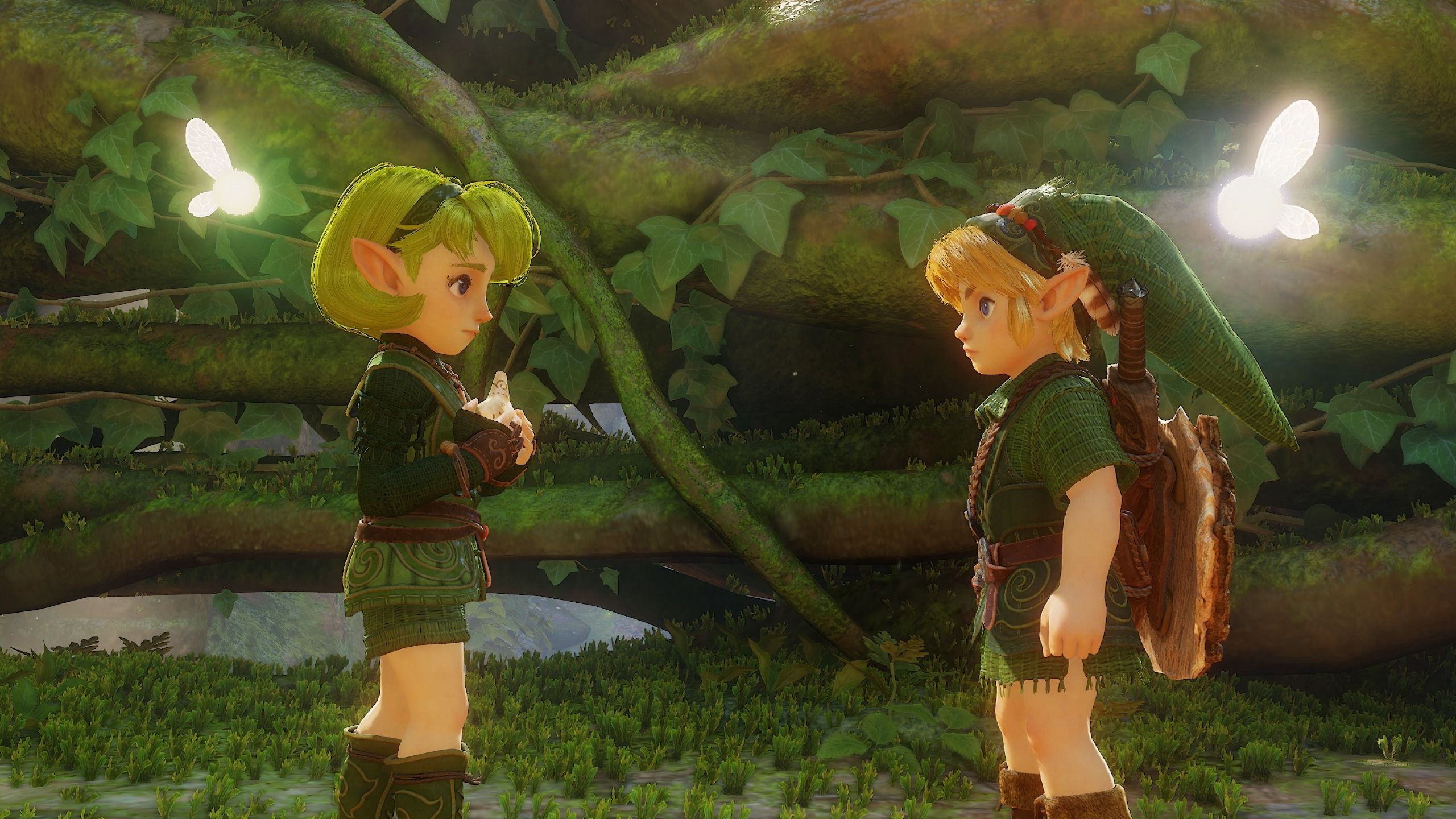
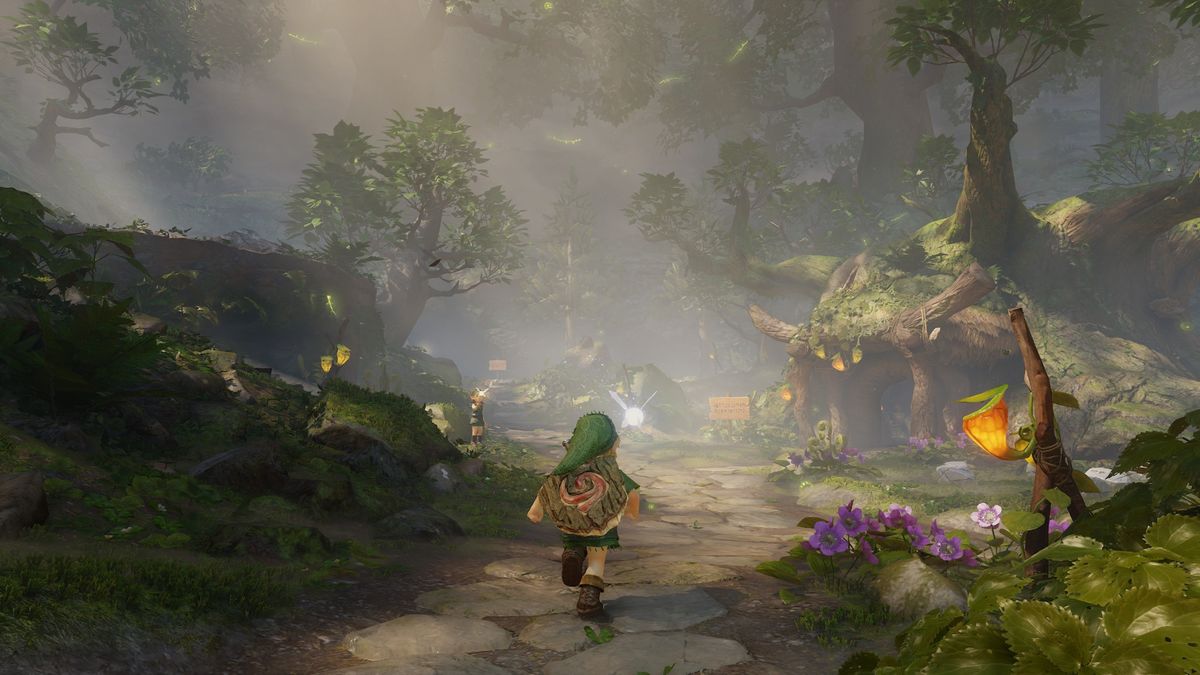
Series producer Eiji Aonuma has characterized the project as a "faithful interpretation using modern technologies." This is not a mere texture pack. The visuals, as seen in the initial reveal stills, showcase a complete overhaul of Hyrule’s geography, character models, and lighting engines. Gone are the polygon-heavy limitations of the 90s; in their place are soft, dynamic shadows, high-fidelity material rendering, and a level of environmental detail that borders on the hyper-realistic.
A Chronology of Anticipation
The journey to this announcement has been marked by years of industry speculation. For over a decade, rumors regarding a "definitive" version of Ocarina of Time have circulated, fueled by various fan-made projects that pushed the boundaries of the original code.
- 1998: The original release of The Legend of Zelda: Ocarina of Time on the Nintendo 64.
- 2011: Ocarina of Time 3D launches on the Nintendo 3DS, setting a high bar for portable remasters.
- 2023–2025: Persistent leaks and insider rumors suggest a "next-gen" remake is in development for Nintendo’s successor console.
- February 2026: Nintendo confirms the "Zelda 40th Anniversary" event.
- March 2026: The official announcement of the Ocarina of Time remake, complete with a November 2026 release window.
The path from the N64’s blocky, charming aesthetic to the 2026 remake’s fluid, modern look has been a long one, marked by a cultural obsession with preserving the "feeling" of the original while addressing the friction points of 20th-century game design.
Technical Innovations and the Microphone Mechanic
One of the most provocative aspects of the new game is its embrace of the Nintendo Switch 2’s proprietary hardware features. Beyond the visual fidelity, Nintendo has introduced a radical gameplay mechanic: the use of the console’s built-in microphone for the Ocarina.
In the original, players pressed buttons to mimic the notes of the Ocarina of Time. In the 2026 remake, players can choose to physically hum or play the notes into the microphone, allowing for a more immersive and tactile experience. While some purists argue that this might disrupt the flow of high-intensity dungeons, others see it as the logical evolution of the series’ focus on musical connection—a core theme of the game’s narrative.
Official Responses and the "Uncanny" Debate
The reception to the visual direction has been mixed, if vocal. The reveal of Young Link’s updated character model, in particular, sparked an internet-wide debate. Some fans have pointed to his "uncanny" new face, which features a level of facial animation and micro-expression detail that feels alien to those accustomed to the stoic, static expressions of the original.
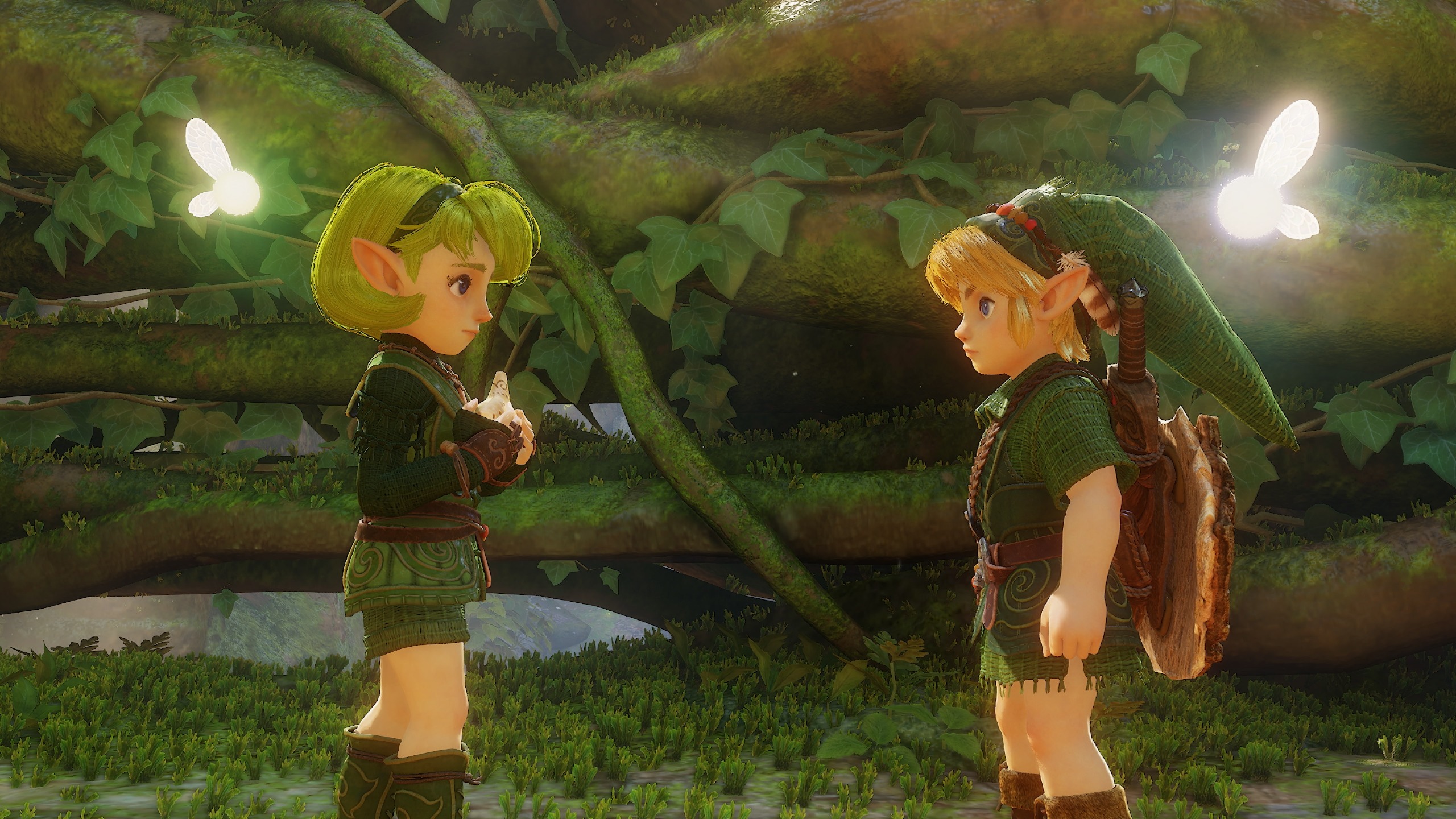
Eiji Aonuma addressed these concerns in a brief statement following the Direct: "Our goal was to evoke the same emotions we felt in 1998, but to do so, we must look at Hyrule through the eyes of someone living in the present. We are not just rebuilding buildings; we are rebuilding the soul of the characters."
This sentiment underscores the tension inherent in remaking a classic: the balance between reverence and innovation. Whether the art style leans too heavily into the "realistic" side of the spectrum is a question that will likely dominate discourse until the game hits shelves in November.
Market Implications and Collector Value
The financial model for the title has also garnered significant attention. Nintendo has confirmed that the physical edition of the game will retail for $69.99 / £54.99, while the digital version will be priced at $59.99.
A critical piece of information for the collector’s market is that the full game—estimated at a substantial 27 GB—will be contained entirely on the Switch 2 physical cartridge. This is a significant victory for those concerned about long-term game preservation and the prevalence of "download-only" physical releases.
Where to Purchase
- United States: Amazon and Walmart are currently leading the market with an early pre-order discount, pricing the physical edition at $59.88.
- United Kingdom: Major retailers including Smyths Toys, Argos, and Currys are accepting pre-orders. Currys and Smyths are currently offering a modest reduction from the MSRP.
- The Collector’s Choice: For the most dedicated fans, the official Nintendo UK online store is offering an exclusive set of 3D replicas of the Spiritual Stones. This bonus has already generated extreme FOMO (Fear Of Missing Out), with many fans bracing for long queues on the official storefront.
The Broader Implications for the Zelda Franchise
What does this remake signal for the future of the franchise? By focusing on a "faithful interpretation" of Ocarina of Time, Nintendo is essentially benchmarking its new hardware against its own greatest hit. This serves two purposes: it provides a high-quality "killer app" for the Switch 2 launch window, and it establishes a new visual and mechanical baseline for future entries in the series.
Critics have often argued that the Zelda franchise has become bifurcated between the traditional linear dungeons of the past and the open-air freedom of Breath of the Wild and Tears of the Kingdom. This remake acts as a bridge. By utilizing modern technology to enhance the linear, narrative-driven structure of Ocarina of Time, Nintendo is proving that they can modernize their roots without sacrificing the identity that made them legends.
Conclusion: A Date with Destiny
As November 5, 2026, approaches, the gaming community remains divided but undeniably captivated. Whether you are an enthusiast of the Unreal Engine-adjacent visual fidelity or a staunch defender of the original 1998 aesthetic, one thing is certain: the return to Hyrule is the most anticipated event of the current console generation.
The 2026 remake of The Legend of Zelda: Ocarina of Time is not just a trip down memory lane; it is a test of how much we are willing to let our most cherished childhood memories evolve. As we prepare to pick up the Ocarina once more, we are reminded that, much like the song of time itself, the franchise is constantly shifting, moving forward, and—if Nintendo succeeds—finding a new way to enchant a new generation of players.
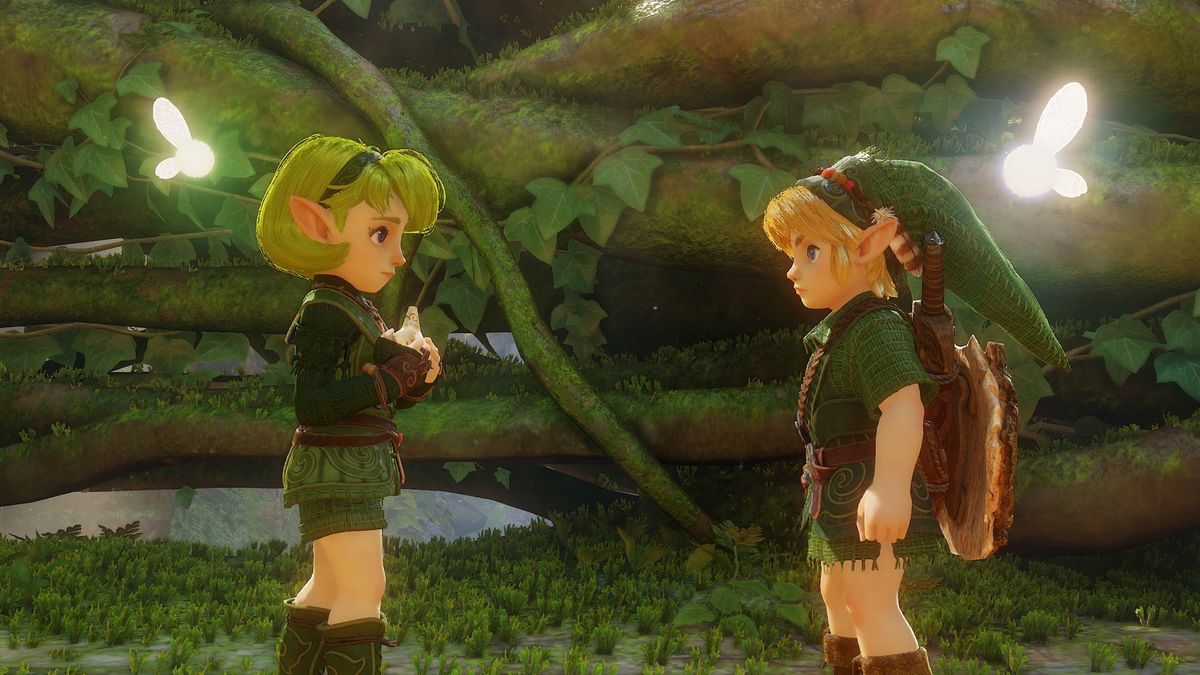
The wait is almost over. Hyrule, in all its high-definition, re-imagined glory, awaits.