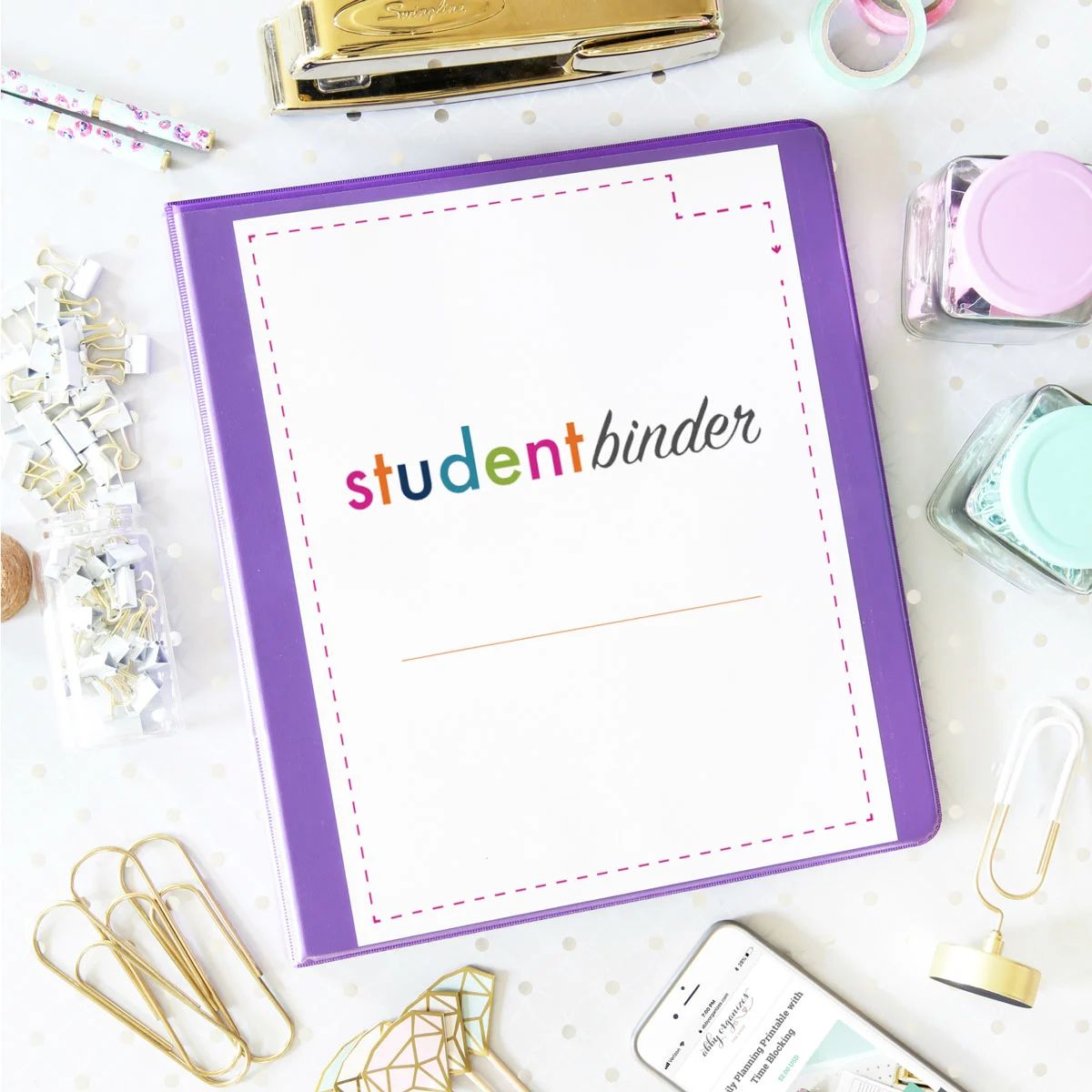
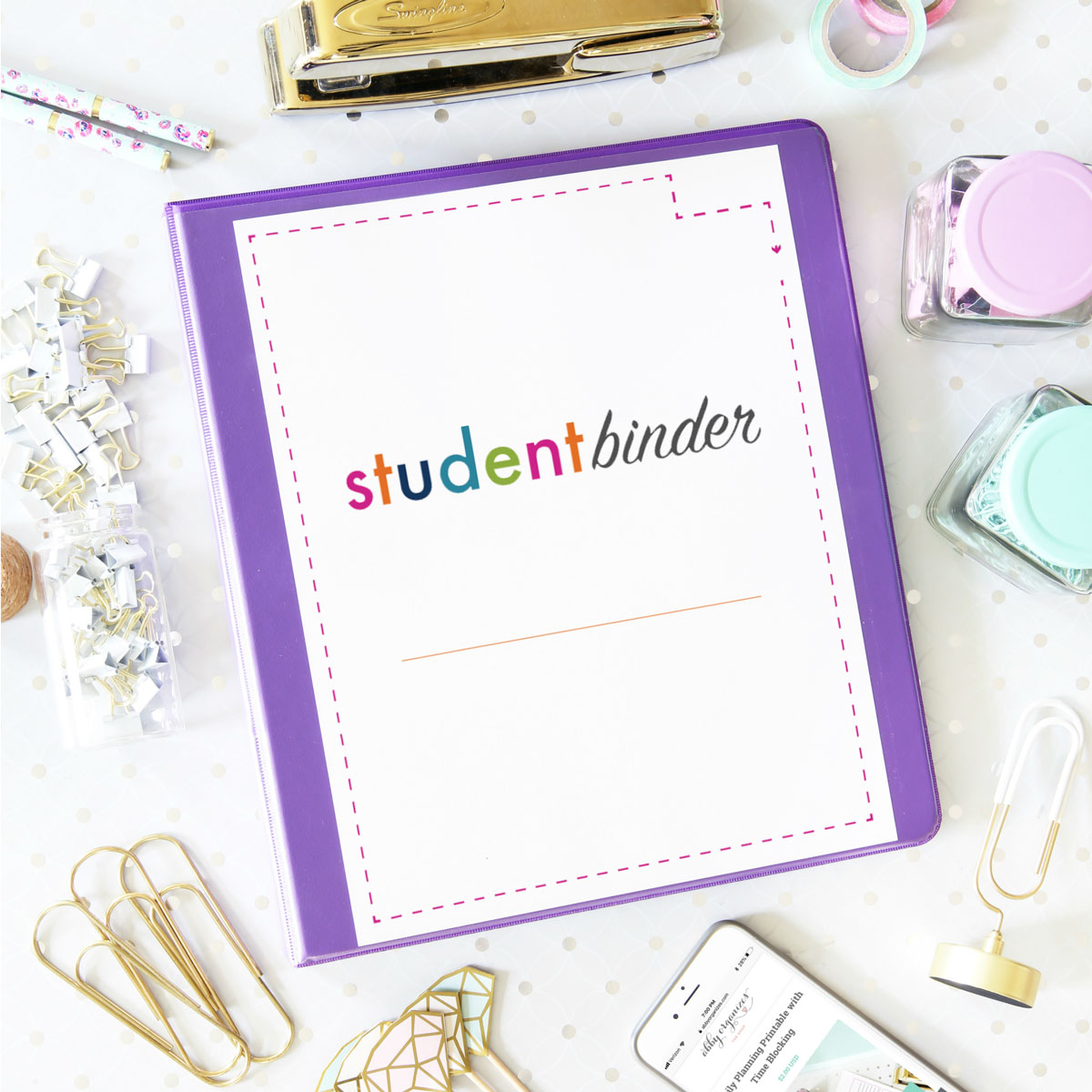
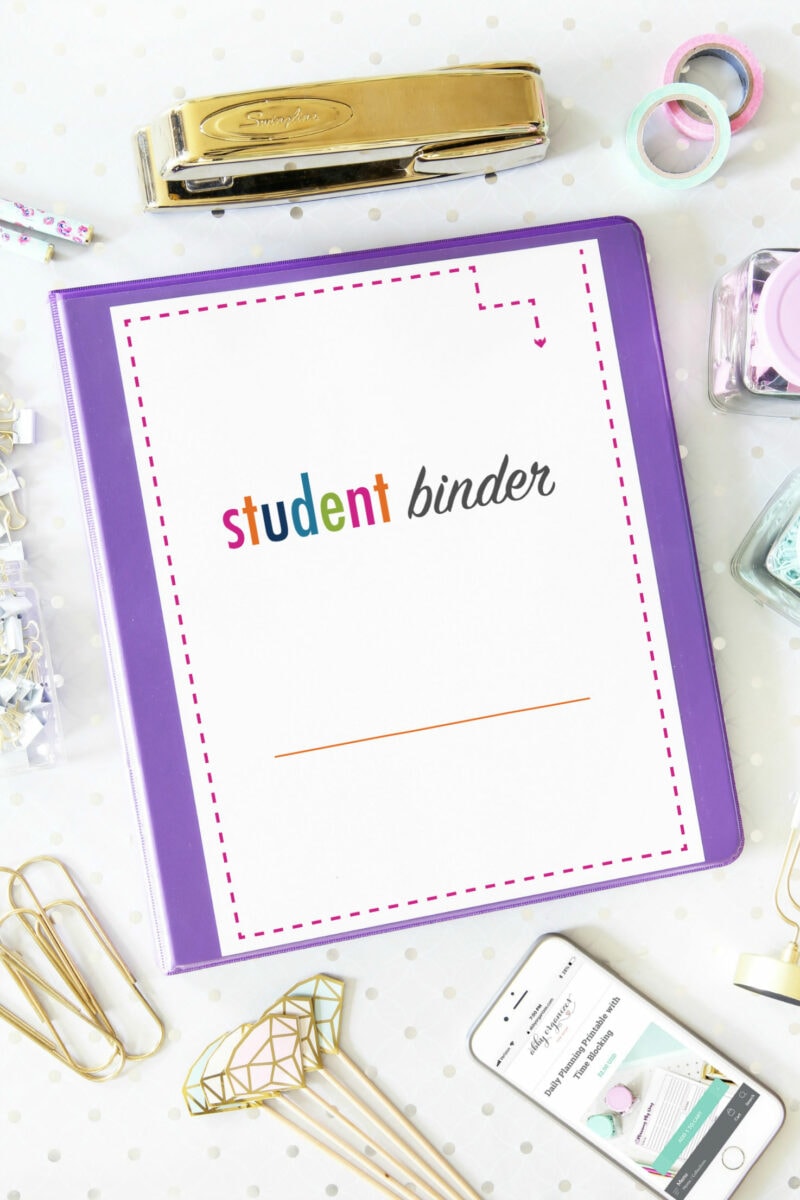
WASHINGTON — As families and educators gear up for the upcoming academic calendar, organization remains a cornerstone of academic achievement. Responding to overwhelming public demand from parents, teachers, and students alike, educational resource platforms have officially released their heavily anticipated, newly updated Student Binder Printables for the 2026–2027 school year.
Designed to combat back-to-school anxiety and streamline classroom management, the comprehensive kit provides a holistic approach to student organization. Featuring hundreds of pages of customizable layouts, goal-setting worksheets, and specialized tracking modules, this year’s release aims to set a new standard for how students from middle school to college manage their academic and personal lives.
Main Facts
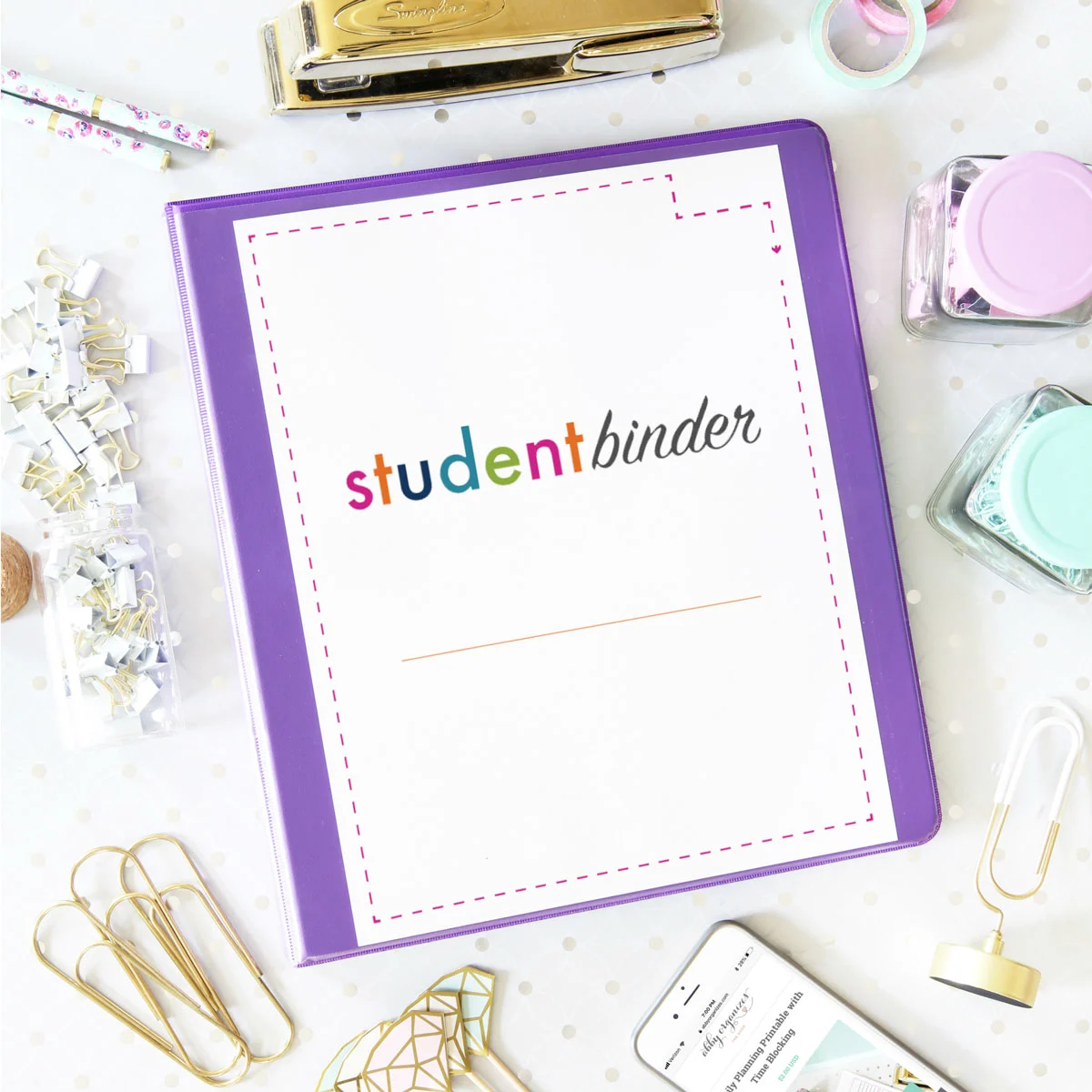
The newly launched student binder system is a meticulously crafted physical organizational tool anchored by digital printables. Key aspects of the release include:
Dual Color Schemes: Catering to diverse aesthetic preferences, the binder is offered in both vibrant signature color palettes and a sleek blue alternative, initially designed to meet requests from parents seeking gender-neutral or cooler-toned options.
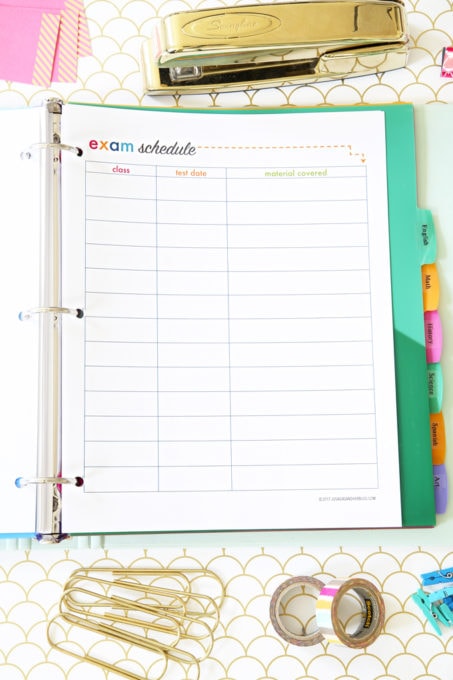
Comprehensive Architecture: The system is divided into distinct, manageable sections—primarily focusing on General Planning, Academic Tracking, and Subject-Specific management.
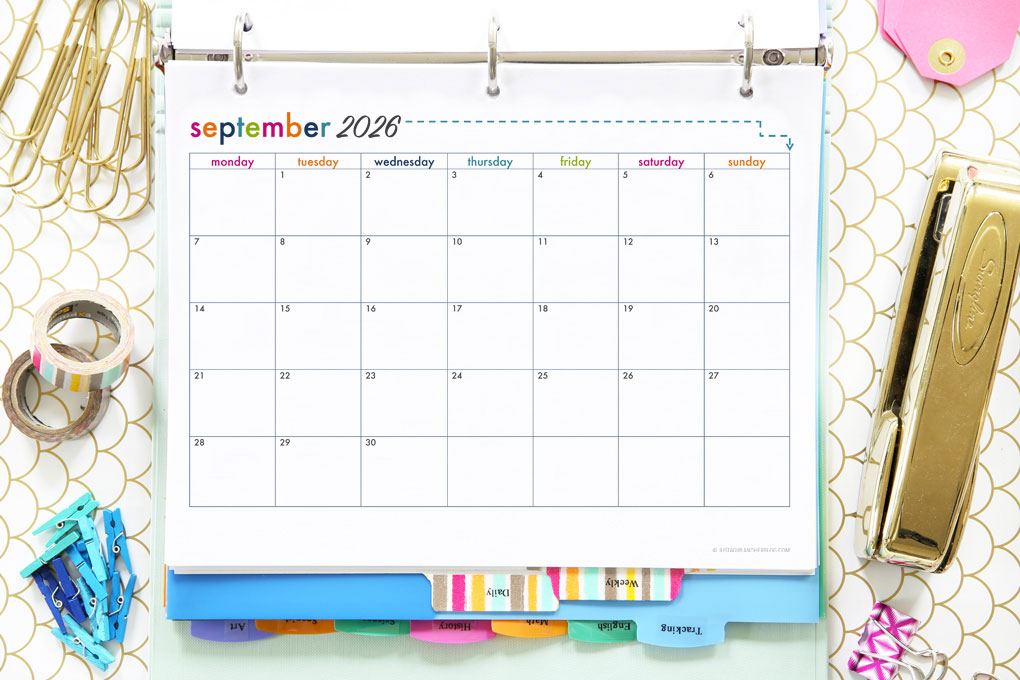
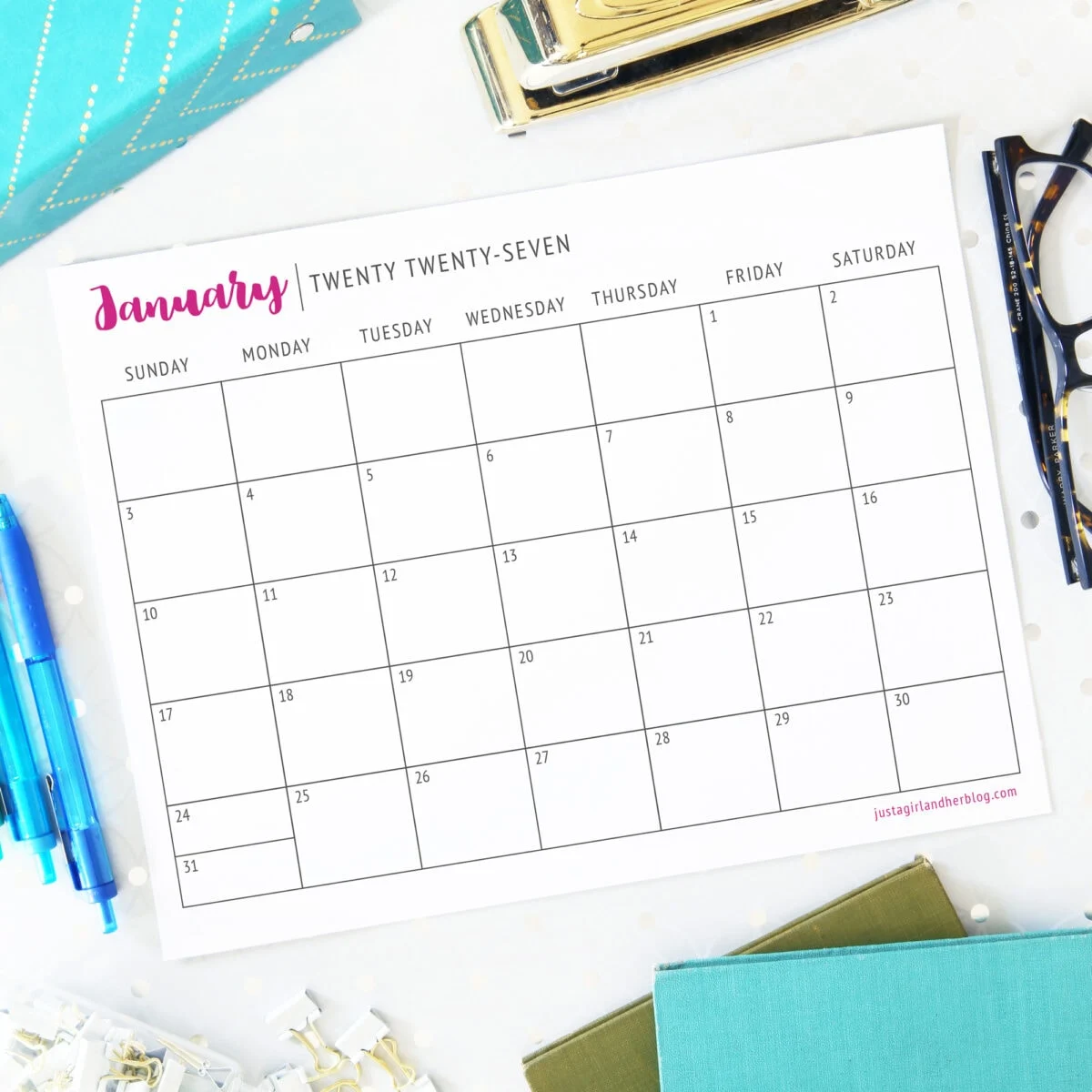
Extended Longevity: The dated monthly calendars span from July 2026 through December 2027, offering a full year and a half of forward-looking schedule management, complemented by fully undated templates for long-term versatility.
Accessibility: Distributed freely through online resource libraries, the tools are paired with recommendations for standard office supplies—such as heavy cardstock, three-ring binders, and tab dividers—to maximize durability throughout the academic year.
Chronology of the Release and Evolution
The journey toward the 2026–2027 binder iteration reflects years of iterative design responding to changing educational landscapes:
2016–2019 (Foundation): The core student binder templates were first conceptualized and published to address the shock students face when transitioning from unstructured primary education to complex middle and high school syllabi. Initial feedback highlighted the need for straightforward grade tracking and assignment schedules.
2020–2024 (Expansion and Customization): As remote and hybrid learning introduced new structural challenges, creators expanded the collection to include time-blocking daily planners, daily routine checklists, and alternative color schemes (such as the popular blue variants).
Early 2025 (The Planning Phase): Driven by mounting inquiries across social media channels—with community members repeatedly asking, "When are you going to update the student binder?!"—preparations for the 2026–2027 calendars commenced.
Late Summer 2026 (Official Launch): The fully updated package, featuring extended calendar dates running through late 2027, was officially deployed to the digital resource library just in time for the peak back-to-school shopping and preparation season.
Supporting Data and Organizational Framework
Educational psychologists and productivity experts have long emphasized that executive functioning skills—such as time management, prioritization, and record-keeping—are direct predictors of academic success. The 2026–2027 student binder integrates these principles through structured modules backed by practical design data:
1. General Planning and Routine Building
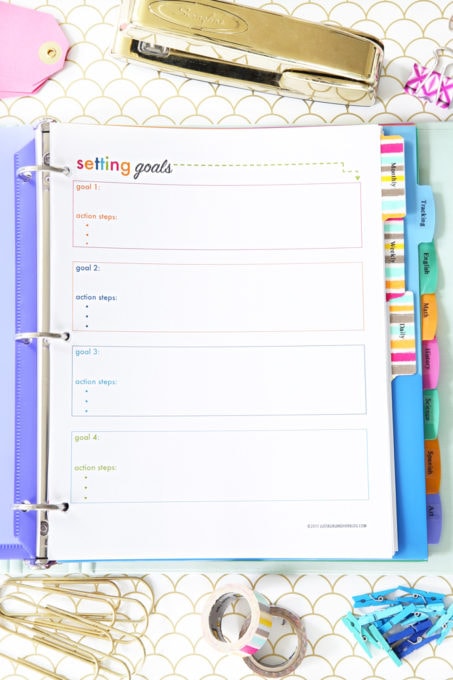
Goal-Setting Worksheets: Encourages students to establish macro-level academic and personal objectives for the year, broken down into actionable, sequential steps.
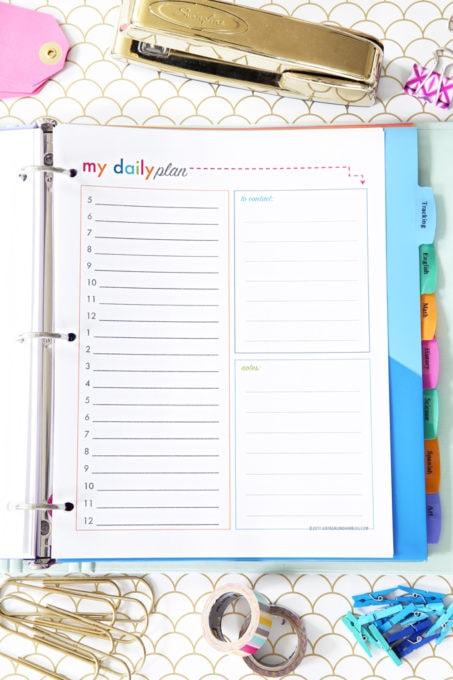
Time Blocking Infrastructure: Both weekly (two-page spread) and daily planning sheets break schedules down by the hour. Research shows that time-blocking minimizes procrastination by assigning specific time slots to distinct cognitive tasks.
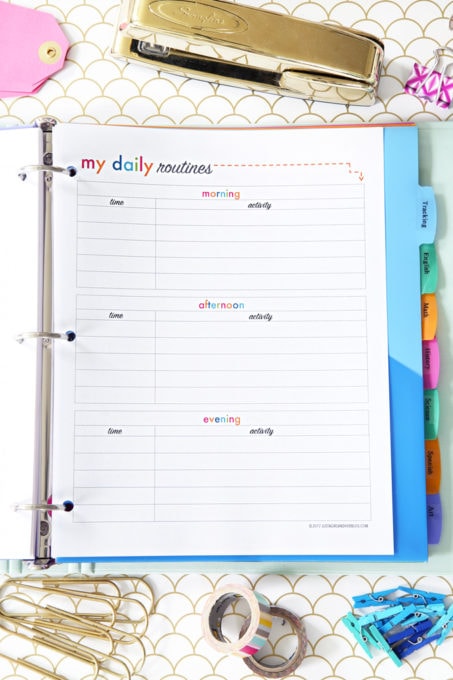
Routine Checklists: Morning, afternoon, and evening breakdowns help younger students build autonomy by tracking daily habits like packing backpacks, laying out clothes, and reviewing next-day schedules.
Literacy Promotion: Drawing on evidence that early and consistent reading habits improve cognitive performance across all subjects, an integrated reading log encourages students to track pages and minutes read independently.
3. Subject-Specific Management
Running Grade Trackers: Situated behind dedicated subject tabs (equipped with storage pockets), these sheets allow students to log individual test and assignment scores alongside a running GPA or quarter grade total. This eliminates the "grade surprise" phenomenon at the end of a grading period.
Note-Taking and Project Planners: Standardized note templates keep class materials uniform, while multi-step project planners help break large research papers and science projects into manageable milestones.
Official Responses and Expert Insights
The release has drawn enthusiastic commentary from educational commentators and veteran teachers who emphasize the psychological benefits of physical organization in a digital age.
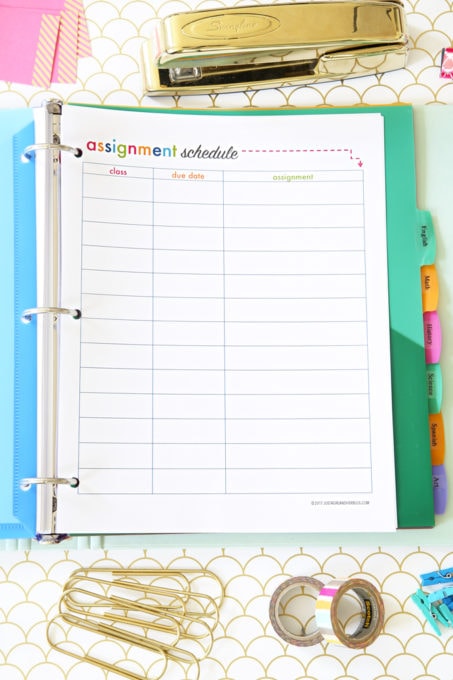
"When students receive their syllabi on the very first day of class, it is easy for them to experience cognitive overload," noted a veteran educator and curriculum developer involved in the binder’s design notes. "By giving them a physical framework to translate those chaotic dates into structured assignment and exam schedules, we shift their mindset from reactive panic to proactive management."
Parents and adult learners have also embraced the system. While branded primarily for middle school, high school, and college students, many professionals and "lifelong learners" utilize the undated calendar, time-blocking, and goal-setting pages to manage personal households and career development.
Furthermore, the introduction of the dual color scheme received praise for inclusivity. "As a parent of boys who often felt alienated by overly bright or gender-specific designs, having a clean, professional blue alternative made a world of difference in my children actually wanting to use and maintain their binders," shared a community contributor.
Implications for the 2026–2027 Academic Year
As schools nationwide implement new curricula and navigate evolving technological requirements in the classroom, the analog nature of paper-based planning tools offers a vital counterweight.
Combating Digital Burnout: With students increasingly exposed to screens for homework, research, and hybrid learning, physical writing and binder organization engage tactile memory, which cognitive studies link to better retention of information.
Promoting Self-Advocacy: By utilizing running grade trackers and project planners, students learn to monitor their own performance independently, fostering crucial self-advocacy skills when communicating with teachers during office hours or parent-teacher conferences.
Equitable Access: By offering these comprehensive systems as free downloadable printables rather than expensive commercial planners, the initiative ensures that students from diverse socioeconomic backgrounds have equal access to high-tier organizational frameworks.
Conclusion and Next Steps
The complete 2026–2027 Student Binder Printables package—incorporating both color palettes, dated/undated calendar systems, and specialized tracking inserts—is currently available via digital subscription libraries. Educators, parents, and students are encouraged to download the files, print them on durable cardstock, and assemble their custom binders ahead of the heavy academic rush.
With consistent use, these simple yet robust tools promise to transform chaotic lockers and backpacks into models of efficiency, ensuring students are set up for success from the moment they step onto campus.