WASHINGTON, D.C. — As families and educators gear up for the upcoming academic calendar, the perennial challenge of classroom chaos and misplaced syllabi is being met with a modernized solution. Organizers and productivity advocates have officially released a fully updated, comprehensive suite of free student binder printables designed to ease the transition back to school. Engineered to accommodate learners from middle school through higher education—and adaptable for non-student professionals alike—the newly expanded system offers more than a dozen targeted organizational templates across multiple color schemes to foster academic success from day one.
Main Facts
The newly unveiled student binder initiative addresses one of the most persistent hurdles in modern education: executive dysfunction and disorganization among students. According to instructional designers behind the project, the system has undergone a rigorous structural refresh for the 2026–2027 academic cycle.
Key elements of the release include:
Dual Aesthetic Options: Addressing years of user feedback, the collection features both vibrant, classic color palettes and a secondary blue-toned scheme tailored to students seeking alternative visual preferences.
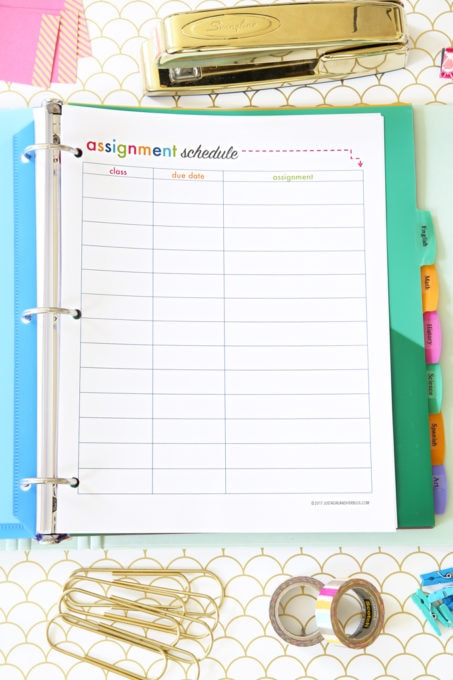
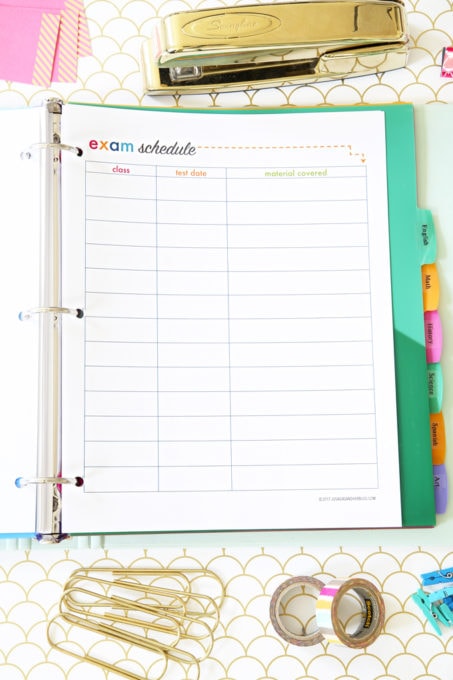
Granular Tracking Capabilities: Specialized templates for assignment tracking, exam dates, cumulative grade calculation, and long-term project planning.
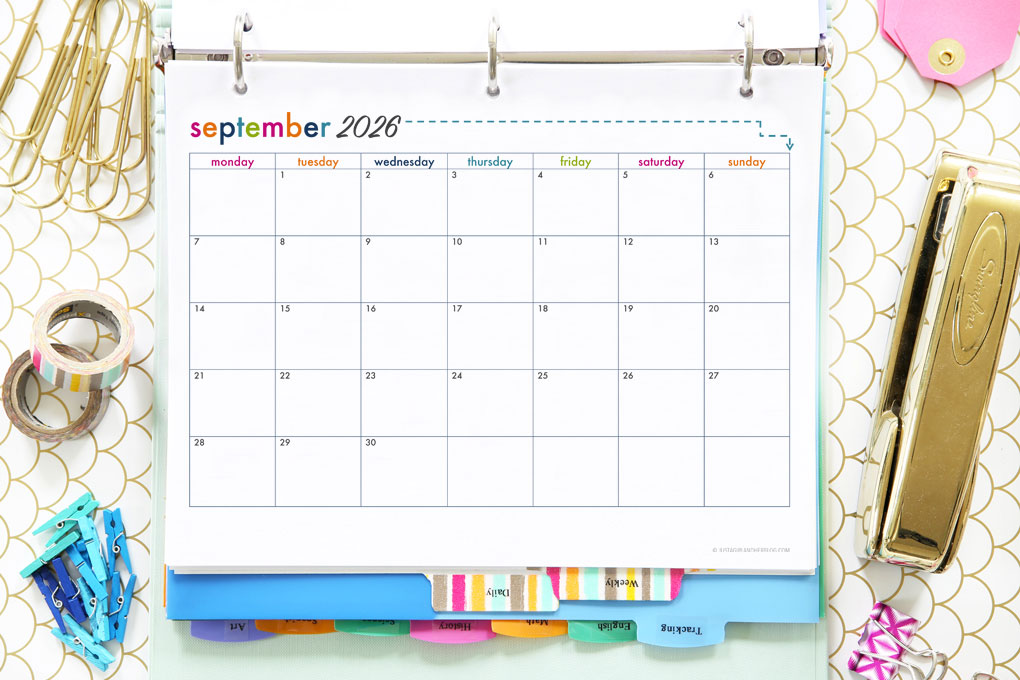
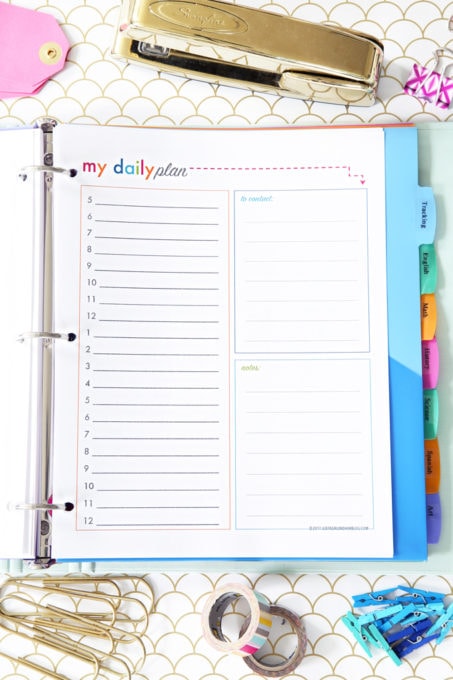
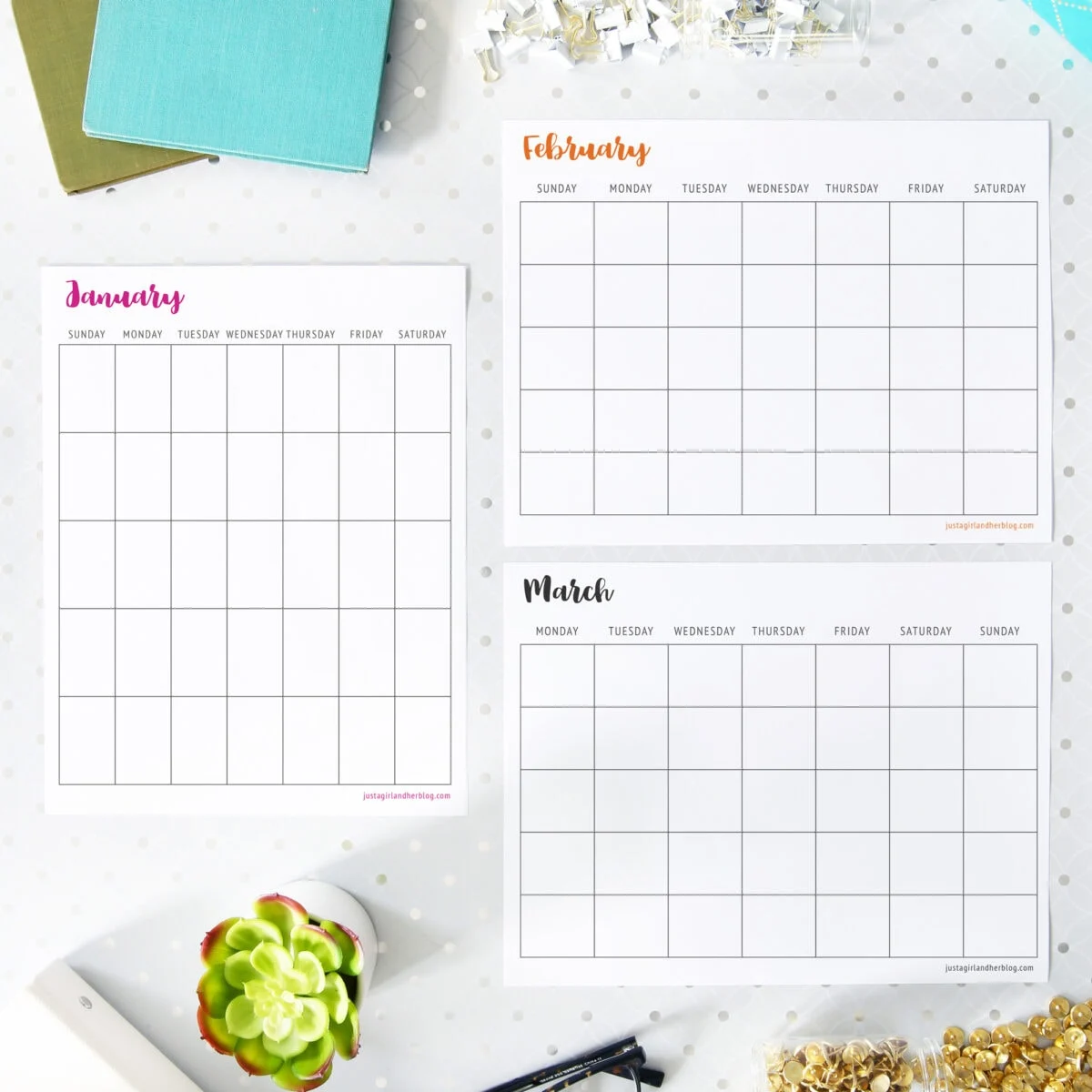
Flexible Time Management Tools: Ranging from traditional monthly calendars (spanning July 2026 through December 2027) to advanced time-blocking daily planners and customizable routines charts.
Accessibility: Distributed entirely free of charge as part of a larger digital printable library containing upwards of 300 academic and lifestyle resources.
Chronology: The Evolution of Student Organization
The journey toward modern scholastic organization has shifted dramatically over the past decade, transitioning from rigid, store-bought planners to customizable, modular digital solutions.
Early 2010s: The advent of educational blogging sparked a DIY movement in school organization, leading to the creation of static, single-page homework logs and rudimentary calendar printables.
Mid-2010s (2016): Recognizing a massive gap in how students synthesized incoming syllabi, foundational layouts for grade trackers, project planners, and custom binder covers were established, rapidly gaining traction among middle school, high school, and college demographics.
Late 2010s to Early 2020s: As pedagogical methods evolved to incorporate time-management theories—such as time-blocking and routine-building—printables were expanded to include hourly planning sheets and daily habit trackers. User requests further prompted the introduction of gender-neutral and alternative color schemes.
Current Launch (2026–2027 Academic Cycle): The system has reached its most comprehensive iteration to date, featuring extended calendar ranges through late 2027, updated formatting for enhanced digital-physical hybrid study workflows, and streamlined access points for educators and parents.
Supporting Data: The Impact of Organization on Academic Performance
While aesthetic planners and color-coordinated tabs may appear superficial at first glance, a growing body of educational research underscores the vital link between structured external organization and cognitive performance.
1. Reduction of Academic Anxiety
Studies in educational psychology indicate that the sudden influx of syllabi, shifting classroom locations, and overlapping assignment deadlines on the first day of school trigger acute academic anxiety. Tools like the Assignment Schedule and Exam Schedule printables mitigate this cognitive overload by externalizing deadlines, allowing students to visualize their semester macroscopically rather than reacting to crises day by day.
2. The Efficacy of Goal-Setting and Action Steps
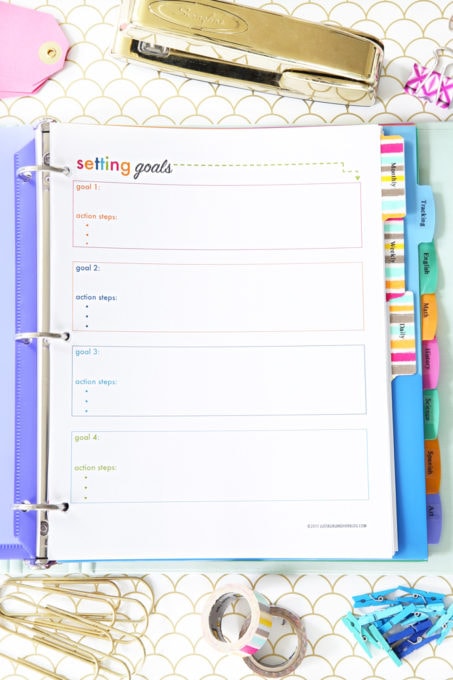
The inclusion of dedicated goal-setting sheets aligns with contemporary findings on self-regulated learning (SRL). Students who explicitly write down their academic targets and pair them with micro-action steps demonstrate higher rates of task completion and self-efficacy.
3. Continuous Grade Tracking vs. End-of-Term Surprises
A primary vulnerability for students—particularly in higher education—is grade opacity, where learners remain unaware of their academic standing until final marks are posted. The Grade Tracker printable, featuring running totals per subject section, enforces continuous assessment awareness. By logging individual assignment scores and monitoring the cumulative running total, students can proactively identify failing trends weeks before final evaluations occur.
Breakdown of the Binder Architecture
The 2026–2027 student binder system is methodically categorized into distinct functional sectors, ensuring that every piece of academic data finds a logical home.
Section I: Foundation and Front Matter
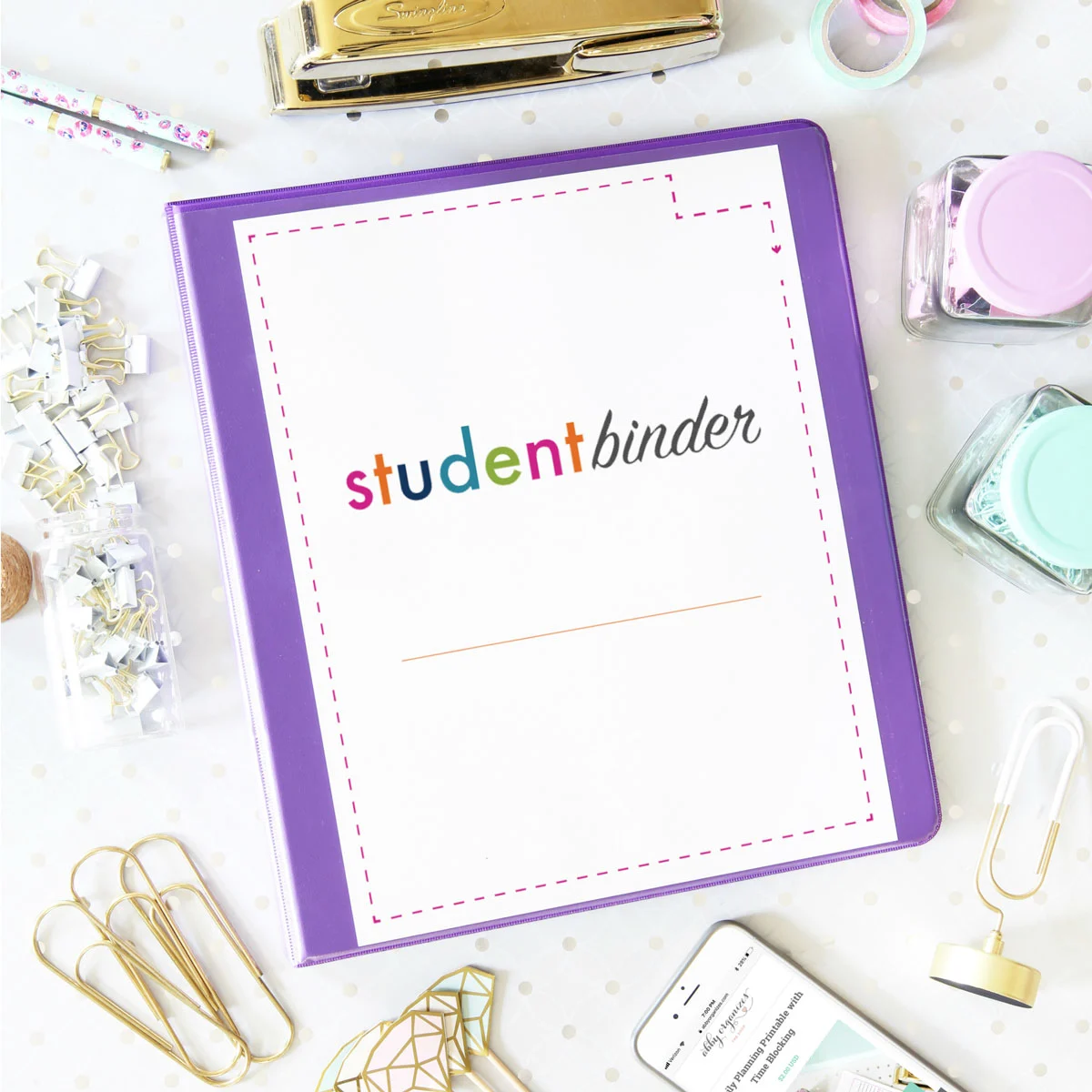
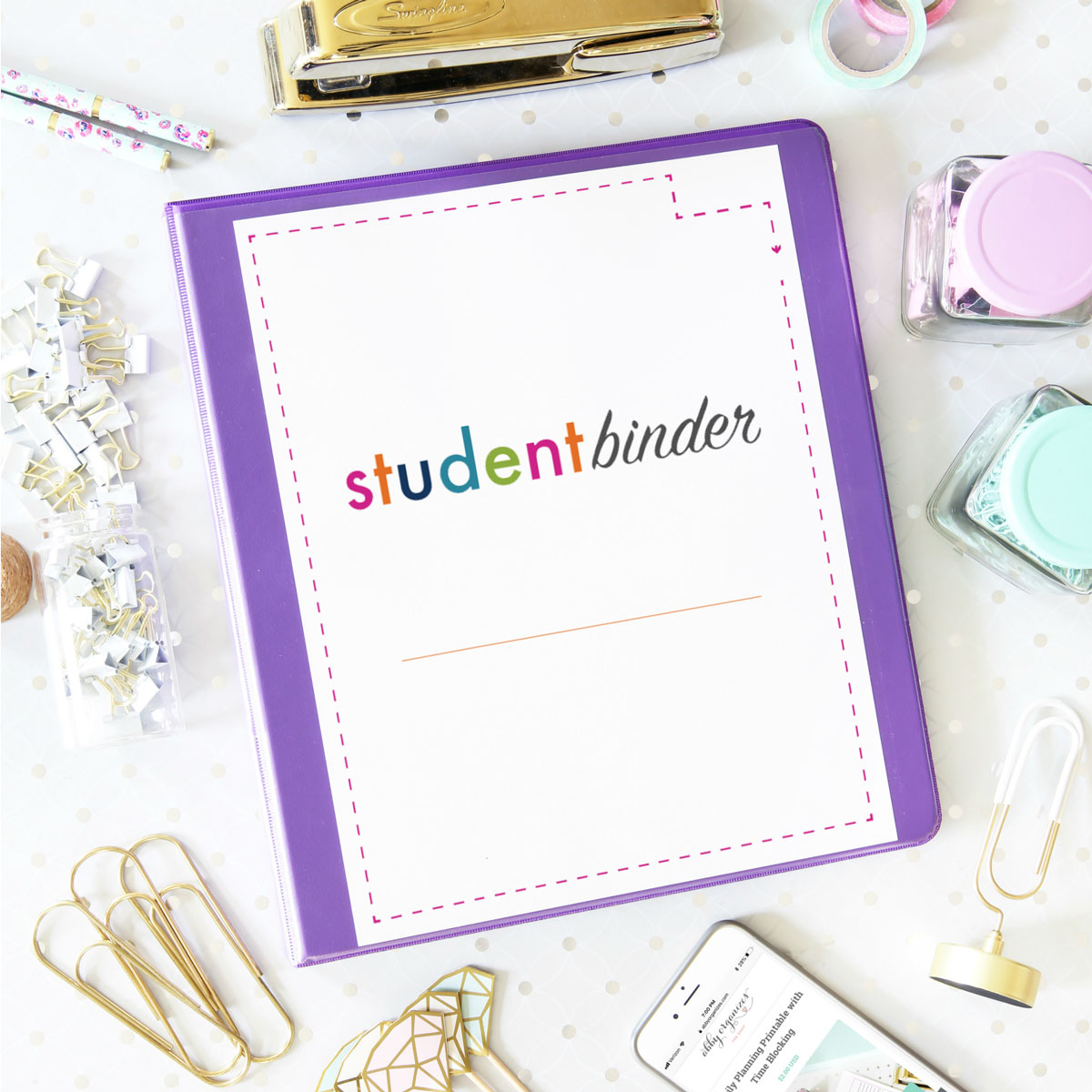
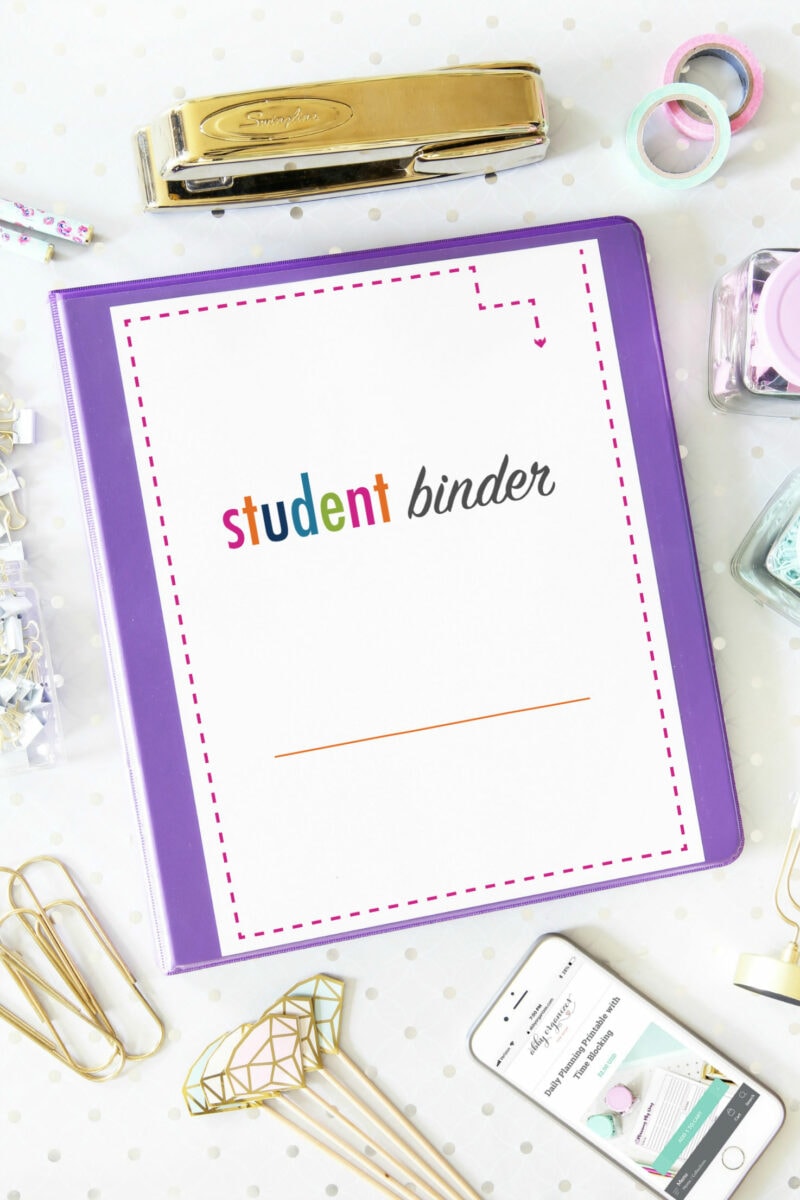
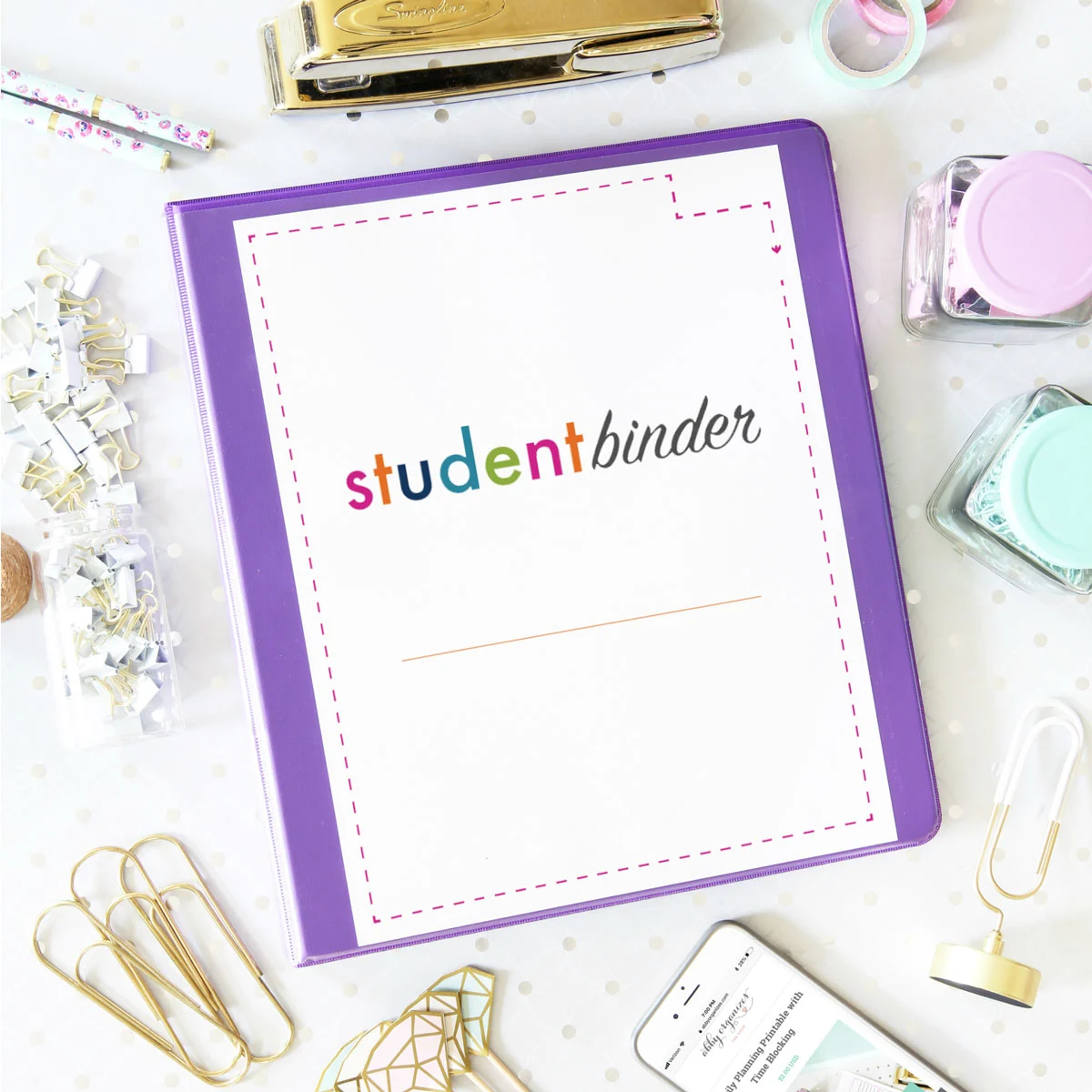
Customizable Binder Covers: Built with high-visibility aesthetic designs and designated fields for student identification, emergency contact details, and class periods. Designers recommend printing these on heavy cardstock to withstand a full academic year of transit.
Master Class Schedule: A centralized matrix designed to track class names, meeting times, room numbers, and instructor contact details, eliminating confusion during the chaotic first week of school.
Section II: Macro and Micro Planning
Goal-Setting Worksheets: Encourages learners to map out quarterly and yearly ambitions, complete with designated spaces for barrier identification and practical action steps.
Dated and Undated Monthly Calendars: Spanning July 2026 through December 2027, these spreads offer long-range visibility for extracurriculars, holidays, and major life events, supplemented by undated options for eternal reuse.
Two-Page Weekly Spreads: Built around hourly increments to facilitate time blocking—a productivity method gaining widespread popularity among high-achieving high school and university students.
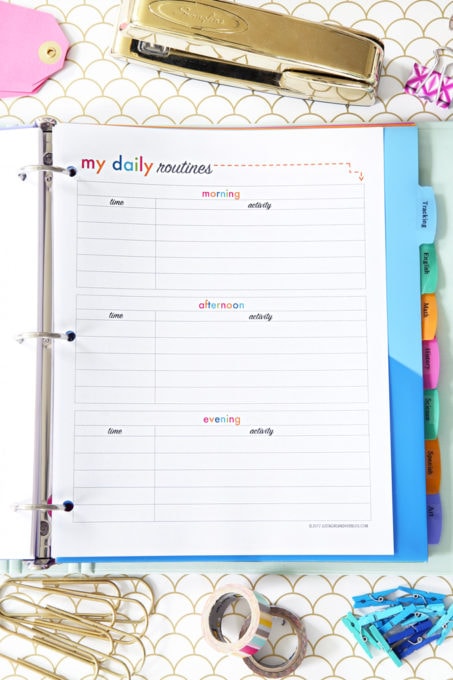
Daily Routines Checklists: Segmented into morning, afternoon, and evening duties (such as backpack preparation, lunch packing, and uniform selection) to anchor behavioral habits.
Section III: Academic Tracking
Syllabus-to-Schedule Translators: Dedicated assignment and exam schedules designed to ingest initial course outlines and convert them into chronological execution lists.
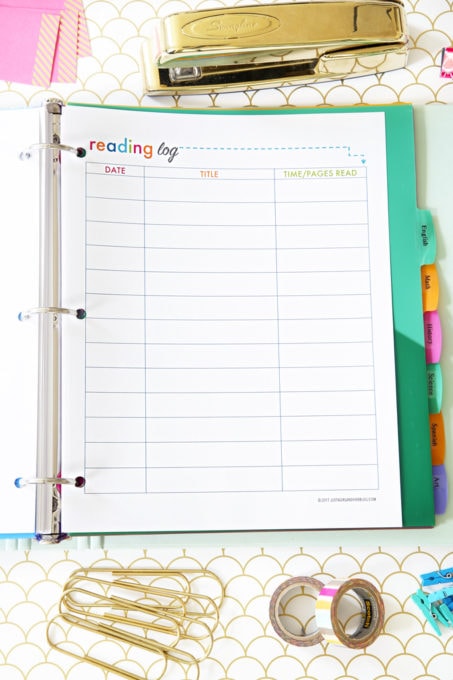
Reading Logs: Inherited from literacy-focused instructional frameworks, these logs track pages and minutes read, supporting foundational literacy goals across all age groups.
Section IV: Subject-Specific Modules
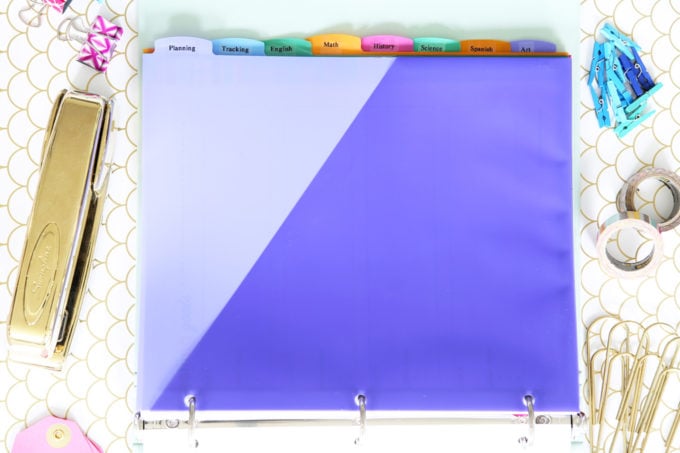
Separated by color-coded tab dividers equipped with storage pockets, each core subject houses identical, high-utility modules:
Note-Taking Pages: Clean, structured templates optimized for Cornell-style or outline note-taking methods.
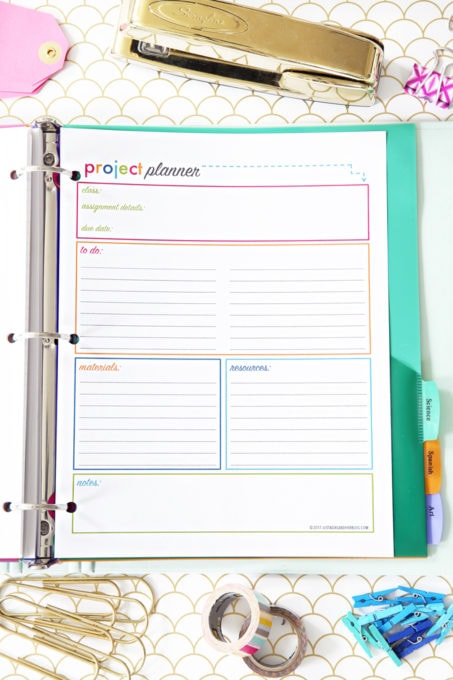
Project Planners: Granular checklists breaking down multi-week research papers or science fair projects into manageable milestones.
Official Responses and Expert Perspectives
Educators, parents, and organizational experts have praised the release for its inclusivity and practical focus on mental well-being alongside academic rigor.
"When students transition between educational tiers—such as moving from elementary to middle school, or high school to college—the sudden expectation of autonomous time management can cause them to stumble," notes a veteran curriculum coordinator and former educator. "Systems that physically guide students through time-blocking, routine creation, and grade tracking act as training wheels for executive functioning. They teach lifelong habits that extend far beyond the classroom."
Parents and household managers have similarly championed the dual-color-scheme approach. A spokesperson for family productivity advocacy groups highlighted the importance of user-driven design:
"Inclusion matters. By offering alternative palettes that appeal to a broader demographic of learners, the creators have ensured that organization doesn’t feel gendered or restrictive. It empowers every student to take ownership of their learning environment."
Implications for the Future of Learning
As academic environments continue to balance digital learning platforms with traditional paper-and-pen modalities, hybrid organizational tools are proving uniquely resilient. While learning management systems (LMS) like Canvas or Google Classroom house digital assignments, educational consultants emphasize that tactile engagement—physically writing down an exam date, shading a calendar block, or tallying a grade—reinforces memory retention and personal accountability.
The widespread availability of open-source printables democratizes access to high-level productivity tools. Families facing tightening household budgets no longer need to invest in expensive, proprietary planner systems to instill organizational discipline.
Ultimately, the release of the updated student binder printables for the 2026–2027 school year provides a structured, beautiful, and adaptable framework. By bridging the gap between high-level time management and granular academic tracking, these resources stand ready to help a new generation of learners navigate the complexities of modern education with clarity and confidence.