By Global Archaeology Desk
Published: October 2026
Main Facts
A remote, windswept island in Scotland’s Inner Hebrides has stepped out of the shadows of regional folklore and firmly onto the international historical stage. Recent archaeological excavations on the nine-mile-long island of Lismore have definitively confirmed that its historic parish church sits atop one of the earliest and most influential centers of Christian evangelism in the British Isles.
Long celebrated in local tradition and fleeting medieval manuscripts, the monastic settlement of Lios Mòr—meaning "Great Garden" in Gaelic—was founded in the 6th century by the Irish missionary Saint Mo Luóc. For generations, historians debated whether this legendary sanctuary held equal footing with renowned contemporaries like Iona Abbey, the famous cradle of Christianity in Western Europe.
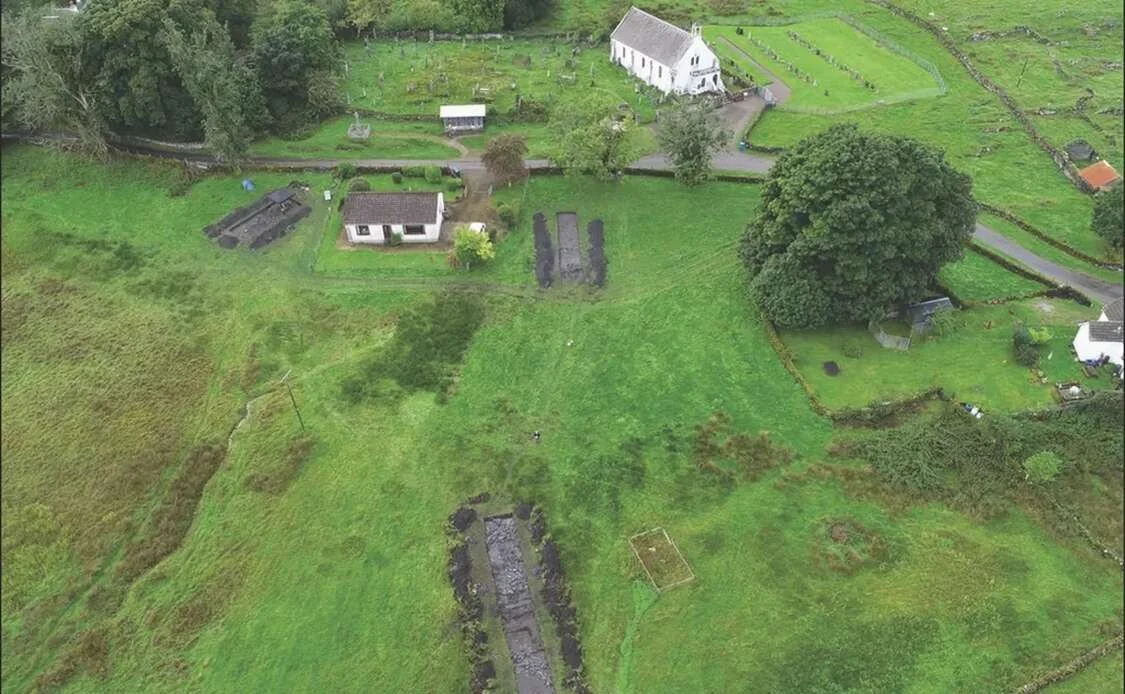
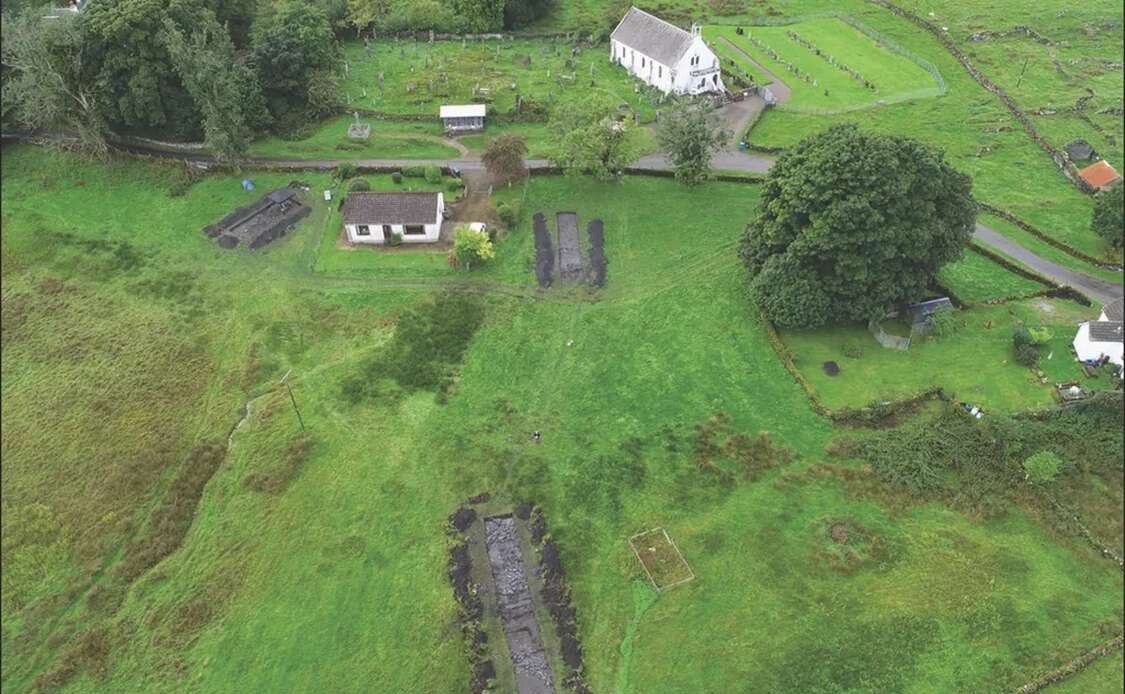
Thanks to a dedicated, crowdfunded initiative by the local community and the Lismore Historical Society, those debates are effectively over. Geophysical surveys and strategic archaeological trenches dug around the island’s 13th-century cathedral have unearthed monumental discoveries: extensive, centuries-old burial grounds, rare fragments of carved stone crosses, the stone foundations of early monastic buildings, and clear evidence of elite, high-status metalworking.
Rather than a humble, isolated outpost of faith, Lismore has been revealed as a bustling early medieval powerhouse of spirituality, craftsmanship, and international trade that rivaled the most celebrated ecclesiastical centers of Northern Europe.
Chronology
To understand the magnitude of the discovery at Lismore, archaeologists had to piece together a timeline that spans over a millennium and a half, bridging oral traditions with hard, subterranean science.
The 6th Century: Foundation by Saint Mo Luóc
The story of Lios Mòr began around 592 CE, when Saint Mo Luóc—a contemporary of Saint Columba of Iona—established a monastery on the island. Operating within the Gaelic-speaking kingdom of Dál Riata (which spanned Argyll, the Hebrides, and parts of Northern Ireland), Mo Luóc and his followers played a pivotal role in the Christianization of Britain. While Columba’s Iona gained immense renown, Lismore’s early history survived largely through ecclesiastical records, place names, and oral preservation.
The Middle Ages: The 13th-Century Cathedral
As the centuries progressed, the early wooden and earth-fast monastic structures evolved. By the 13th century, a formal cathedral dedicated to Saint Moluag was constructed on the site, anchoring the island’s religious identity into the later medieval period. However, the physical footprint of the original 6th-century foundation remained largely hidden beneath the soil, obscured by centuries of later occupation and agricultural use.
The Modern Era: Grassroots Mobilization
Frustrated by the lack of physical evidence confirming the scale of Lismore’s early golden age, the Lismore Historical Society—championed by former island resident Bob Hay—decided to take matters into their own hands. Recognizing that institutional funding for large-scale digs is notoriously difficult to secure, the community launched a crowdfunding campaign. Remarkably, a significant portion of the island’s 170 permanent residents contributed financially to the project, turning the excavation into a deeply personal quest for local identity.
2026: The Breakthrough Discoveries
Hired by the historical society, Dr. Clare Ellis of Argyll Archaeology teamed up with prominent academics, including Professor Gordon Noble from the University of Aberdeen, to spearhead the excavations. Utilizing advanced geophysical surveys and targeted trenching around the parish church, the team struck archaeological gold. The results of their findings were formally published in the prestigious academic journal Antiquity, stunning historians and rewriting textbooks across Europe.
Supporting Data
The archaeological data recovered from the Lismore trenches provides an extraordinary, granular look at life within the early medieval monastery. The discoveries can be categorized into three major areas of material evidence:
1. Burial Grounds and Monumental Sculpture
Archaeologists uncovered a series of six distinct burials carbon-dated to between 650 and 1040 CE. These graves were discovered alongside large, intricately carved fragments of stone crosses. The presence of monumental sculpture points to a wealthy, highly organized settlement capable of commissioning specialized stonemasons. The continuity of burials across four centuries demonstrates that Lismore remained a sacred, highly sought-after resting place for generations.
2. Domestic Architecture and Craft Production
In a separate trench, researchers identified the structural remnants of an oval-shaped building anchored by a sturdy, limestone-paved foundation. Associated with this early structure were heaps of handmade pottery, domestic refuse, and specialized toolmaking equipment. This area clearly functioned as a secular or semi-secular craftworking zone where daily goods were manufactured to sustain the monastic community.
3. High-Status Precious Metalworking
Perhaps the most startling revelation came from a single trench that yielded over 1,000 pieces of manufacturing debris. Among the soil samples, archaeologists found tiny ceramic crucibles. Chemical analysis and structural examination revealed that these vessels were used to melt precious metals—specifically copper, silver, and gold—which were then poured into intricate casts, fragments of which were also recovered on-site.
This level of luxury production confirms that Lismore was not merely a center of prayer, but a sophisticated industrial hub capable of crafting elite items such as fine brooches, ecclesiastical vessels, and jewelry.
Official Responses
The groundbreaking nature of the Lismore excavations has drawn high praise from leading archaeologists and community organizers alike, underscoring the vital partnership between academic professionals and local volunteers.
Dr. Clare Ellis, who led the field excavations on behalf of Argyll Archaeology, emphasized the shift in historical understanding:
"Lios Mòr, founded by Saint Mo Luóc in the 6th century, was known from historical records, place-name evidence, and local tradition, but there was very little archaeological evidence to confirm its character, extent, or significance. The research aimed to determine whether the site of the later medieval cathedral at Lismore was also the location of Mo Luóc’s early monastery, and to assess the scale, nature, and status of the settlement."
Professor Gordon Noble of the University of Aberdeen, a co-author of the Antiquity research paper, highlighted the site’s competitive historical standing:
"For centuries, Lismore’s early monastery was known mainly from written records and local tradition. We can now see that it was a thriving center of worship, craftsmanship, and learning, whose importance may have rivalled some of the best-known monasteries in early medieval Britain."
Bob Hay, the driving force behind the organization of funding and local volunteers, praised the power of community-led science:
"The discoveries at Lismore demonstrate the value of community-led archaeology in advancing academic research. Local volunteers and the Lismore Historical Society played a central role in investigating the site, helping to uncover evidence that has fundamentally changed our understanding of one of Scotland’s most important early Christian centers."
Implications
The confirmation of Lismore as a major early medieval monastic and industrial powerhouse carries profound implications for how historians view early Christian Britain, economic networks, and cultural exchange.
Rethinking Monastic Economies
Historically, early medieval monasteries in Britain and Ireland were often viewed through a strictly spiritual lens—isolated havens of prayer, manuscript illumination, and quiet contemplation. However, the sheer volume of precious metalworking debris found at Lismore paints a radically different picture.
As noted by the research team in their Antiquity publication, the production of luxury items like silver and gold brooches mirrors contemporary patterns seen in Ireland. During this period, major Irish monasteries engaged in the production of high-status secular items for trade. This indicates a complex, symbiotic economic interaction between elite secular rulers (such as the kings of Dál Riata) and powerful ecclesiastical centers. Lismore was not detached from the material world; it was a driving economic engine.
The Triumph of Community Archaeology
Beyond its historical and theological significance, the Lismore project serves as a shining blueprint for modern heritage preservation. In an era where professional archaeology is frequently hamstrung by budget constraints, the Lismore Historical Society’s crowdfunded model proves that passionate local communities can unlock doors to the past that might otherwise have remained sealed.
By empowering residents to finance and participate in the excavation of their own backyard, the islanders of Lismore have not only rescued a foundational piece of Scottish heritage from obscurity, but they have also ensured that the legacy of Saint Mo Luóc will shine brightly for generations to come.