In the modern landscape of public messaging, clarity is not merely a design preference; it is a fundamental requirement. However, a recent controversy involving Transport for London (TfL) has served as a masterclass in how visual ambiguity, when paired with charged, exclusionary language, can transform a routine public safety campaign into a lightning rod for social outrage.
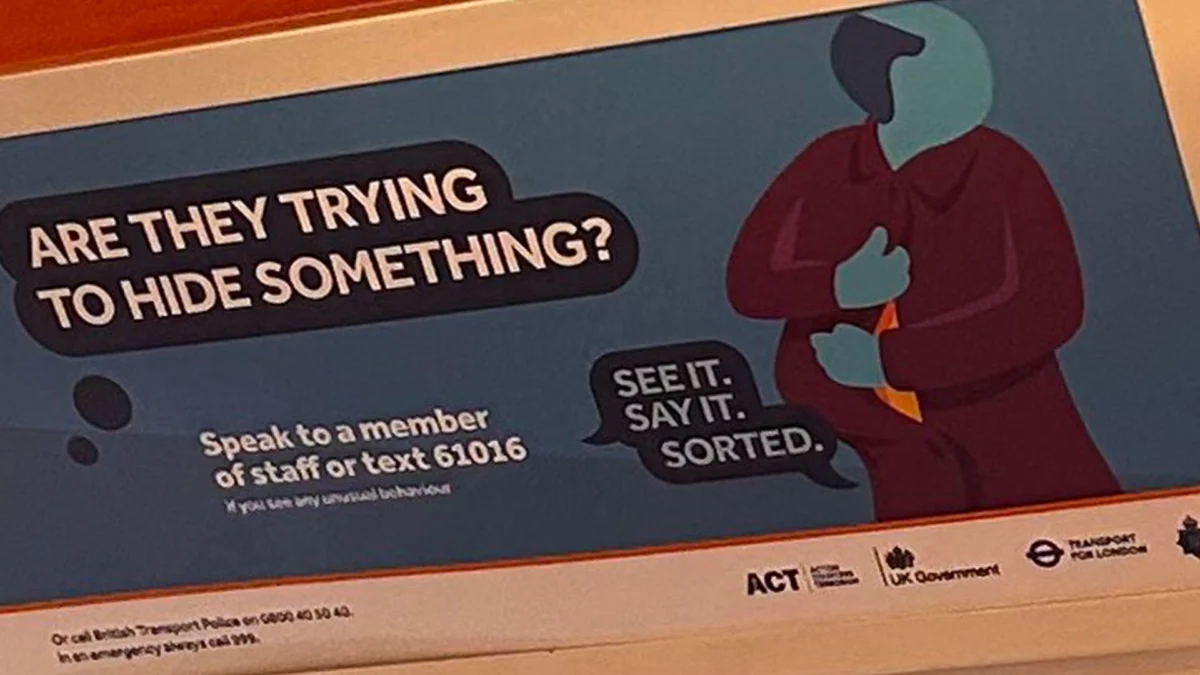
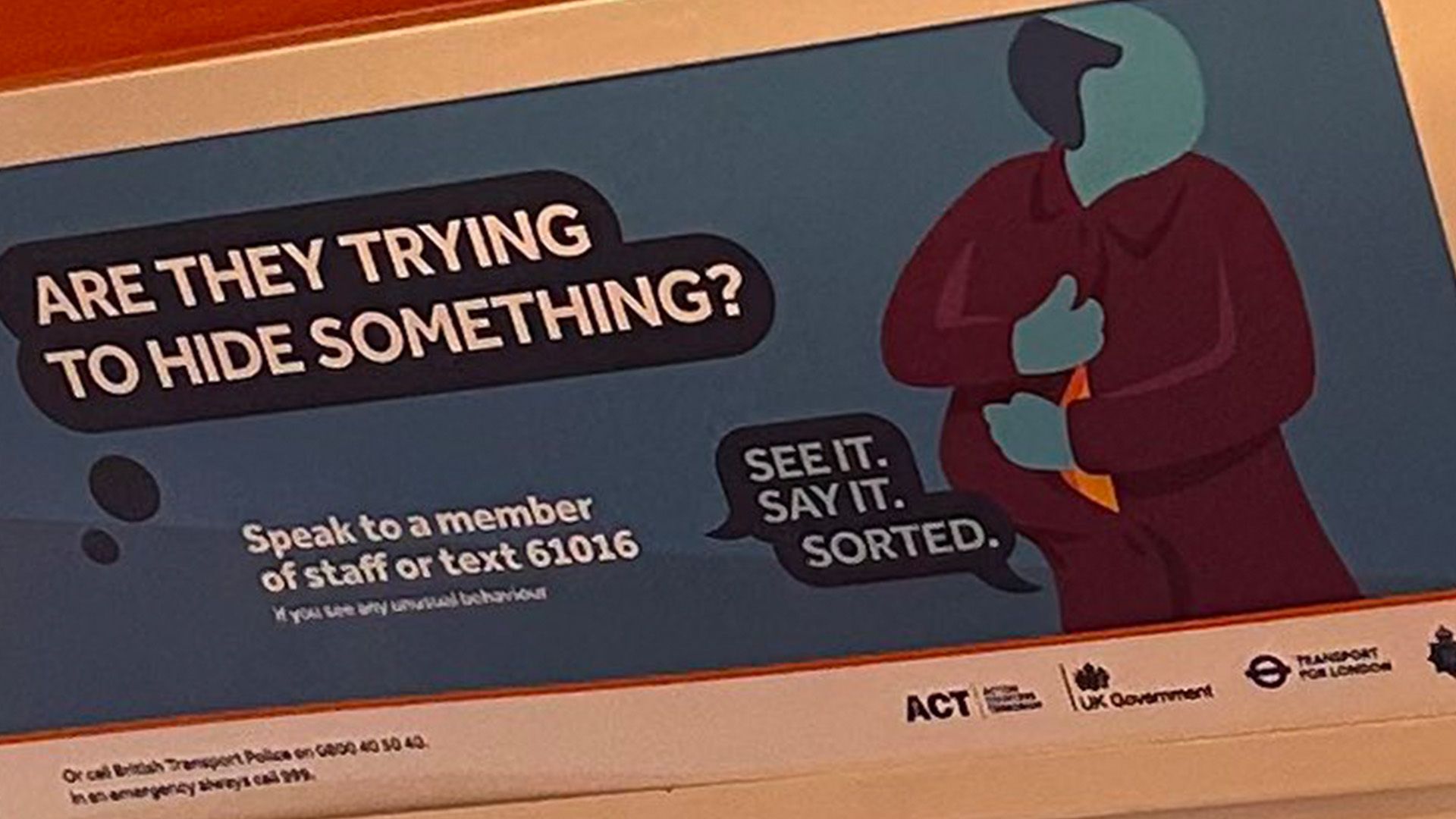
The incident centers on a poster spotted by commuters across the London transport network, featuring a minimalist, "Corporate Memphis" style illustration alongside the inflammatory tagline: "Are they trying to hide something?" To the casual observer, the imagery—a featureless, abstract figure—appeared to depict a woman wearing a hijab. The juxtaposition of this specific visual with a message of suspicion and scrutiny immediately triggered a backlash, prompting questions about the intersection of design, surveillance, and social responsibility.
The Visual Catalyst: When Corporate Memphis Misses the Mark
At the heart of the controversy lies the aesthetic choice of the illustration. "Corporate Memphis"—the flat, colorful, and intentionally featureless art style popularized by major tech companies—has long been criticized for its lack of personality and its tendency toward sterile, overly simplified character designs.
In this instance, the lack of detail proved catastrophic. The design, intended to portray a man looking over his shoulder, was interpreted by many commuters as a woman in a headscarf. This visual "Rorschach test" highlights a significant flaw in the trend of minimalist vector art: when human features are stripped away to create a "universal" look, the resulting ambiguity can inadvertently project biases onto the subject.
As one observer noted on X (formerly Twitter), the combination of "suspicion, paranoia, and ethnically ambiguous abstract art" created a tone that many found deeply alienating. By stripping away the nuance of human expression, the design forced viewers to fill in the blanks with their own perceptions, leading to a widespread perception of targeted, discriminatory messaging.
Chronology of a Crisis
The timeline of the controversy reflects the rapid, often uncontrollable nature of social media-driven public relations crises.
- Late October 2026: Commuters begin circulating images of the poster on social media platforms. Initial reactions range from confusion to profound offense, with users tagging the Mayor of London and TfL, demanding an explanation for what many viewed as a dog-whistle campaign.
- October 25, 2026: The outrage peaks as viral posts highlight the potential for the poster to be interpreted as anti-Muslim messaging. Users begin to compare the aesthetic of the poster to Orwellian propaganda, using the hashtag #1984 to describe the sense of state-sponsored paranoia.
- Late October 2026: TfL issues a series of statements, initially characterizing the posters as "unauthorized flyposting" and declaring that they have been reported to the British Transport Police (BTP) for investigation.
- Post-Investigation: Skepticism grows among the public as observers point out that news outlets had previously reported on these campaigns as official entities. Further inconsistencies arise, with some suggesting that the posters were, in fact, part of an official or semi-official rollout that the agency was now attempting to disavow.
The "Unauthorized" Defense: A PR Strategy Under Scrutiny
TfL’s response to the situation was swift but ultimately added fuel to the fire. By labeling the posters as "unauthorized flyposting," the agency attempted to distance itself from the creative content of the ads.
"Our media partner, our teams, and contractors have been instructed to inspect trains and remove any unauthorised posters that are found on our network," a spokesperson for TfL stated in a now-deleted social media post. They further noted that the incident had been escalated to the British Transport Police, framing the issue as an act of illegal vandalism rather than a failure of institutional communication.
However, this defense was met with immediate pushback. Social media users and independent investigators pointed out that the posters appeared to be part of a larger, coordinated campaign that had been documented by official news channels. The discrepancy between TfL’s claim of "illegal flyposting" and the professional, mass-produced nature of the ads led to a secondary wave of criticism, focusing on the lack of transparency and the perceived dishonesty in the agency’s damage-control efforts.
The Broader Implications for Public Safety Campaigns
The TfL incident is not an isolated event but rather a symptom of a growing trend in 2026—the year of the "cancelled" or highly controversial advertisement. As brands and public institutions lean into bolder, more provocative messaging to cut through the digital noise, they risk overstepping the boundaries of public discourse.
1. The Dangers of Ambiguity in PSA Design
Public Service Announcements (PSAs) are meant to provide clear, actionable, and inclusive information. When designers prioritize style over clarity, they create opportunities for misinterpretation. In an era of heightened social sensitivity, any design choice that leaves room for ambiguity is a liability. The use of minimalist, featureless figures in high-stakes messaging should be reconsidered if the agency cannot ensure the message remains unambiguous across all demographics.
2. The Erosion of Institutional Trust
When an organization like TfL is forced to disavow its own materials, the damage to institutional trust is significant. Whether the posters were truly unauthorized or simply a botched rollout, the public perception remains that the agency is either complicit in exclusionary messaging or dangerously negligent in its oversight of public spaces. Restoring that trust requires more than just removing the posters; it requires a transparent audit of how such content reached the walls of the London Underground in the first place.
3. The Role of Corporate Art Styles
The backlash against the "Corporate Memphis" style in this context serves as a critique of modern branding. When art becomes too generic, it loses the ability to communicate empathy or specific meaning. By attempting to be everything to everyone, the style failed to be anything at all, ultimately facilitating a message that many found to be the antithesis of the inclusivity required in a diverse city like London.
The Future of Public Messaging
The fallout from this campaign underscores a critical lesson for marketing departments and government agencies alike: the medium is as much a part of the message as the text itself. In a world where every commuter has a high-definition camera and a platform to broadcast their grievances, there is no "off-the-record" when it comes to public signage.
Moving forward, agencies must adopt more rigorous vetting processes for visual assets. This includes:
- Diverse Review Panels: Ensuring that visual materials are reviewed by individuals from various backgrounds to identify potential misinterpretations or unintended biases.
- Clarity Over Trends: Prioritizing clear, human-centric design that avoids the pitfalls of overly abstract or minimalist tropes.
- Crisis Readiness: Moving away from the "deny and delete" approach to social media management, which often exacerbates distrust, and toward a model of transparent accountability.
As we look toward the remainder of 2026 and beyond, the TfL poster saga will likely be remembered as a cautionary tale. It serves as a stark reminder that in the public sphere, the power of a message is not determined by the intent of the creator, but by the lived experience of the audience. When that alignment fails, the consequences—both social and reputational—are swift, severe, and difficult to walk back.
The controversy has ultimately left the public asking: if the posters were indeed "unauthorized," how did they find their way onto the network with such apparent ease? And if they were part of a sanctioned campaign, what does the oversight process reveal about the current priorities of the organizations responsible for our public safety messaging? Until these questions are answered with genuine transparency, the shadow of this "invisible" man—and the woman many feared they saw—will continue to loom over the TfL brand.