
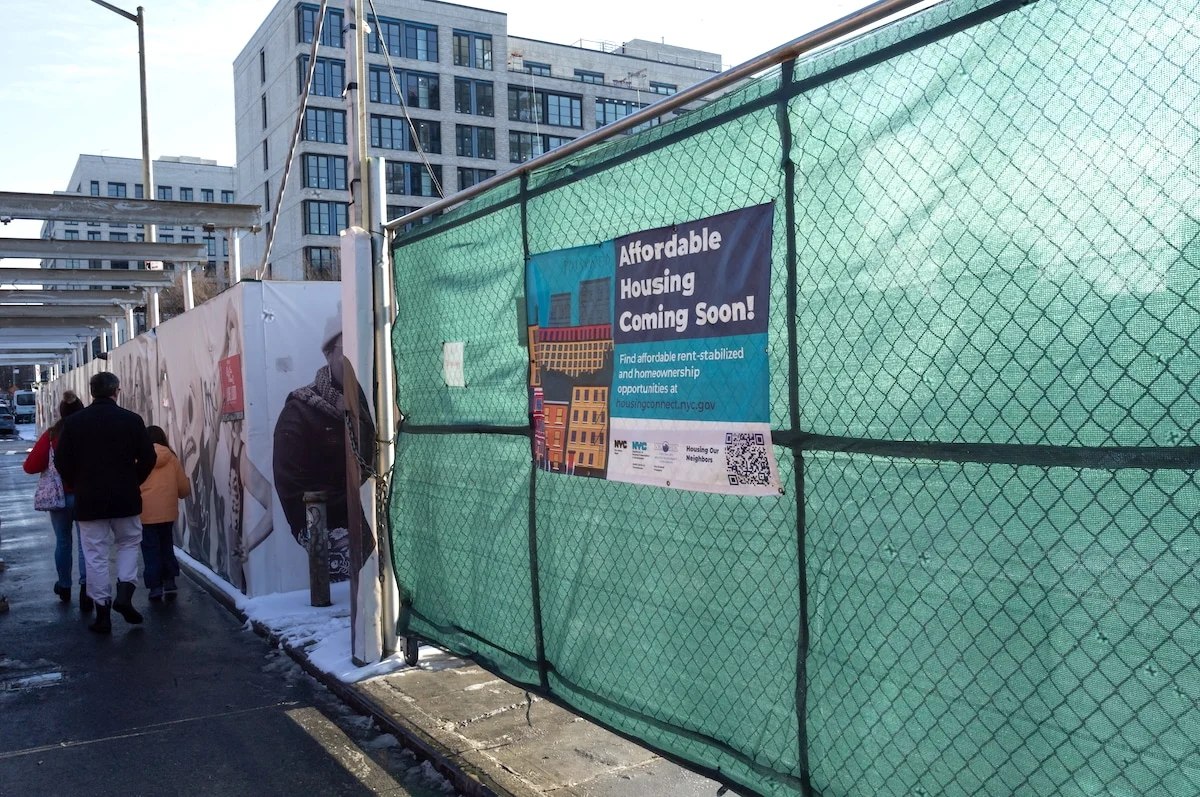
In a historic move that marks a definitive turning point for American climate policy, New York has officially become the first state in the United States to mandate that new building construction be entirely electric. By effectively barring hookups to fossil fuels—including natural gas—in the vast majority of new residential and commercial projects, the state is setting a new precedent for urban development and environmental responsibility.
The mandate, finalized in late July 2025 following years of legislative debate and intense legal scrutiny, represents a cornerstone of New York’s strategy to address the climate crisis. With the built environment accounting for a staggering 31% of the state’s total greenhouse gas emissions, this transition is not merely a policy preference; it is an essential component of New York’s roadmap toward net-zero emissions.
The Chronology of a Climate Milestone
The journey toward this mandate was neither swift nor unchallenged. The legislative foundation was laid in 2023 with the passage of the All-Electric Buildings Act (AEBA), a bill that signaled a fundamental shift in how New York intended to manage its energy infrastructure. However, the path to implementation faced immediate headwinds from fossil fuel industry groups and construction lobbies, who argued that the state was overstepping its authority.
From Legislation to Litigation
The legislative victory in 2023 was only the beginning. Opponents of the act filed lawsuits, mirroring strategies that had previously successfully overturned gas bans in municipalities like Berkeley, California. These groups argued that local and state-level bans on natural gas were preempted by federal energy efficiency standards.
The tension reached a boiling point in early July 2025, when the U.S. District Court for the Northern District of New York issued a pivotal ruling. The court affirmed that the state possessed the legal authority to enact the All-Electric Building Act, effectively clearing the legal path for the State Fire Prevention and Building Code Council to finalize the regulations later that month.
The Implementation Timeline
The mandate is being rolled out in stages to allow the construction industry time to adapt to new technologies and code requirements:
- December 31, 2025: Residential buildings up to seven stories and commercial/industrial structures up to 100,000 square feet that file for building permits on or after this date must comply with the all-electric standard.
- 2029: Larger commercial and industrial buildings exceeding 100,000 square feet will be required to meet the same all-electric standards, providing a longer runway for these larger, more complex projects to integrate clean energy systems.
Supporting Data: The Case for Electrification
The transition away from fossil fuels in buildings is supported by a growing body of data suggesting that the shift is both economically and environmentally sound.
Economic Benefits for Residents and Owners
Contrary to arguments that electrification imposes a heavy financial burden, evidence suggests that the move can lead to significant long-term savings. According to data analyzed by the New Buildings Institute, the shift to 100% electric single-family homes can result in construction savings of approximately $7,500 to $8,200 compared to conventional homes that require the complex installation of dual energy systems.
Beyond construction costs, the operational savings are equally compelling. Projections indicate that the act could reduce residential energy usage by roughly 17%. Over a 30-year period, these efficiencies are estimated to save the average New York household nearly $5,000. These savings are largely driven by the high efficiency of modern heat pumps, which serve both heating and cooling needs, and the elimination of monthly gas utility service charges.
Environmental Impact
The environmental necessity of the mandate is underscored by the state’s own emissions reporting. With buildings serving as the largest contributor to New York’s carbon footprint, the move to electrify heating, hot water, and cooking systems is an indispensable step in achieving the state’s broader climate goals. By decoupling the building sector from fossil fuel combustion, New York is effectively reducing the demand for gas infrastructure, which in turn mitigates methane leaks—a potent greenhouse gas—at both the point of consumption and throughout the supply chain.

Official Responses and Stakeholder Perspectives
The finalization of the code has ignited a robust debate between climate advocates, who view this as a victory for public health, and industry representatives, who remain concerned about the pace of the transition.
The Advocacy Perspective
For environmental justice organizations, the ruling is a long-overdue correction of public policy. Dawn Wells-Clyburn, executive director of PUSH Buffalo, emphasized the importance of prioritizing community health over industrial profit. "The fossil fuel industry was sent a powerful message by the court in this case—the health, well-being, affordability, and prosperity of our communities matters more than the industry’s profits and the hollowness of its fear-mongering," she stated following the court victory.
Alex Beauchamp, Northeast region director at Food & Water Watch, echoed this sentiment, highlighting the power of collective grassroots action. "When New Yorkers come together, we can win even in the face of opponents with an almost-limitless budget," Beauchamp remarked. "That is how we won this bill. It’s also how we are going to continue the fight to get fossil fuels out of all the existing buildings in the state."
The Industry Challenge
Despite the court’s decision, the fight is not entirely over. Industry groups have reportedly petitioned the U.S. Department of Justice to intervene and block the implementation of the act. These groups continue to argue that the transition ignores the realities of the existing power grid and could create logistical challenges for high-density, large-scale developments.
Implications: A New Era for Construction
The implementation of this mandate has profound implications for the future of New York’s urban landscape.
Exemptions and Nuance
The policy is not a blanket ban; it includes targeted exemptions to ensure safety and operational feasibility. Agricultural buildings, laboratories, medical facilities, crematoriums, and certain commercial kitchens are among the sectors that may qualify for exemptions. These nuances acknowledge that some specialized environments require high-intensity thermal processes that cannot yet be easily transitioned to standard electric infrastructure.
The Technology Shift
The mandate effectively cements the heat pump as the standard for heating and cooling in New York. By replacing gas-fired furnaces and boilers with high-efficiency electric heat pumps, the state is encouraging a market-wide adoption of technology that is cleaner, safer, and healthier. The improvement in indoor air quality, by eliminating the combustion of methane in kitchens and living areas, is an often-overlooked but significant public health benefit of the new code.
A Model for the Nation
As the first state to adopt such a comprehensive policy, New York has positioned itself as a testing ground for the rest of the country. Other states, particularly those with ambitious climate targets and dense urban centers, are watching closely. The success or failure of this rollout will likely inform legislative efforts in neighboring states and potentially influence federal energy policy in the coming years.
Conclusion: Looking Ahead
The move to mandate all-electric buildings is a bold acknowledgment that the status quo is incompatible with a sustainable future. While legal challenges may persist, the finalization of these building codes represents a irreversible shift in the state’s trajectory.
As New York moves toward the December 31, 2025, implementation date, the construction industry will be tasked with innovating at an unprecedented scale. For the residents of New York, the promise is a future of lower energy bills, improved indoor air quality, and a significant contribution to the global effort to combat climate change. The transition to all-electric buildings is no longer a vision of the distant future; it is the new standard for the Empire State.