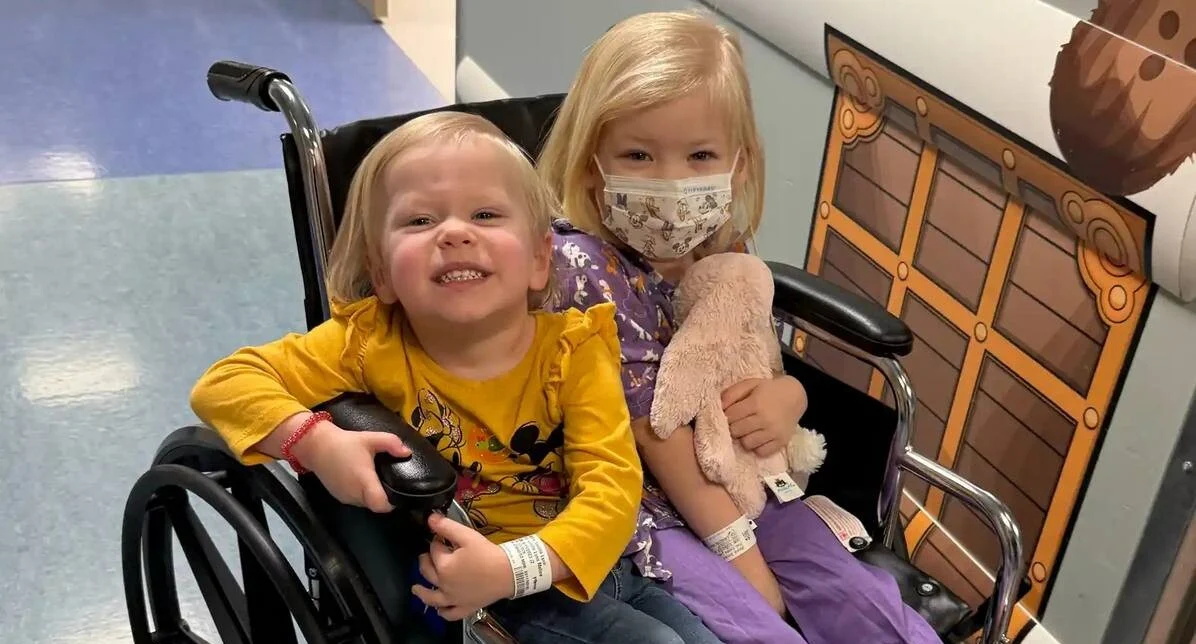
In the heart of Salt Lake City, a quiet miracle of modern medicine and sibling devotion has unfolded. The Meline family, having navigated the terrifying uncertainty of a life-threatening pediatric diagnosis, is now celebrating a milestone that many once feared might never arrive. Five-year-old Emma Meline, once facing the grim prognosis of a rare and aggressive bone marrow disorder, is on the path to a full recovery, thanks to an unlikely hero: her own two-year-old sister, Lucy.
The story of the Meline sisters is one that captures the raw fragility of childhood and the profound, almost mystical strength of familial bonds. While medical science provided the technical solution to Emma’s crisis, it was the quiet courage of a toddler that provided the emotional foundation for the family’s survival.
The First Signs: A Mother’s Intuition
The ordeal began in the waning days of 2025, a time typically associated with joy and festive gatherings. For Amanda Meline, however, the days leading up to Christmas were marred by a growing sense of alarm. What began as a seemingly innocuous rash and swelling on Emma’s leg quickly escalated from a mother’s concern to a medical emergency.
"When you see your child in pain, you instinctively know that something is fundamentally wrong," Amanda recalled. Upon arriving at the pediatrician’s office, the atmosphere shifted rapidly. The doctor, sensing the gravity of the situation, immediately ordered a comprehensive battery of lab tests. The initial results brought a momentary, albeit shallow, sense of relief: it was not leukemia. However, the diagnosis that followed was arguably just as daunting.
Emma was diagnosed with aplastic anemia, a rare and serious condition in which the bone marrow fails to produce enough new blood cells. This failure leaves the body vulnerable to severe infections and uncontrollable bleeding. For a young child, the diagnosis is a harrowing prospect, often requiring aggressive intervention and, in the most severe cases, a complete bone marrow transplant.
A Medical Odyssey: The Chronology of Care
The period between the diagnosis in December 2025 and the life-saving procedure in February 2026 was a period of intense, unrelenting stress for the Meline household. As the medical team mapped out a treatment plan, the primary challenge became finding a viable donor. Aplastic anemia treatment relies heavily on the quality of the marrow match; the closer the biological match, the higher the likelihood of a successful engraftment and the lower the risk of graft-versus-host disease.
Against the odds, testing revealed that Emma’s younger sister, Lucy, was a perfect genetic match. While the science was clear, the logistical and emotional reality of putting a two-year-old through a surgical procedure to save her sibling was a burden no parent wants to face.
Throughout the two months leading up to the transplant, the hospital became a second home. Amanda and Emma were inseparable, the child’s fear of being alone requiring constant, vigilant presence. During this time, Lucy underwent her own series of medical evaluations, demonstrating a level of composure that stunned the nursing staff.
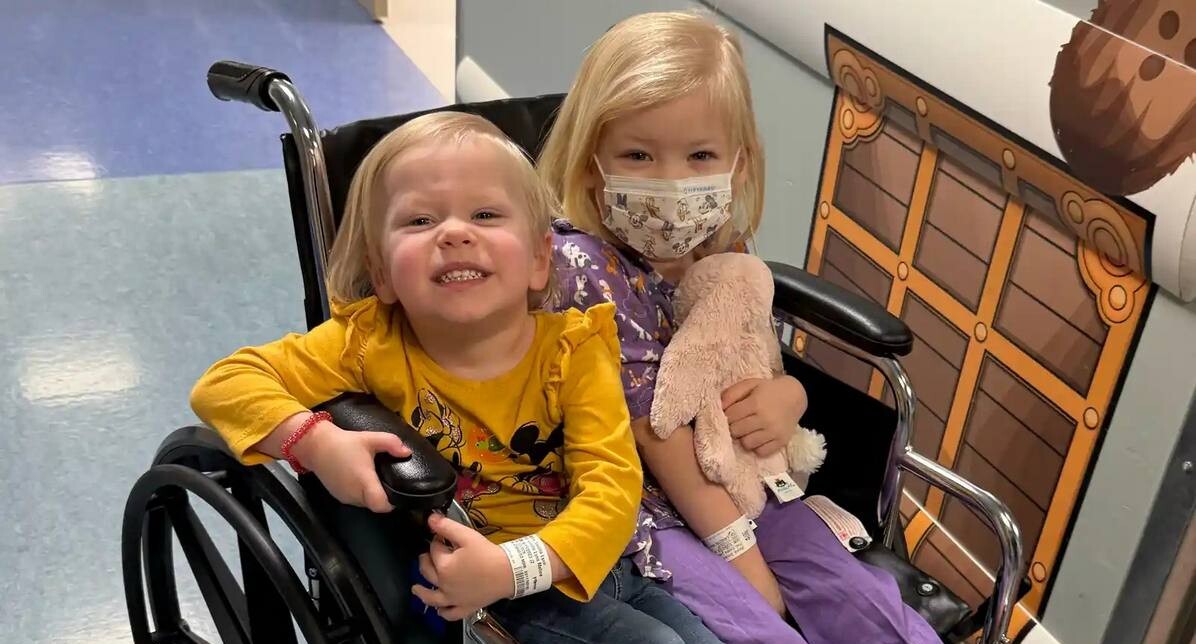
"Lucy’s favorite thing to say was, ‘I’m being brave for Emma,’ whenever she had to get blood work done," Amanda shared. "It was so tender. She didn’t fully understand the complex medical implications, but she understood that her sister needed her."
On February 17, 2026, the transition began. Before the transplant could take place, Emma had to undergo a rigorous course of targeted chemotherapy. The objective was both precise and brutal: to destroy the existing, malfunctioning bone marrow tissue to create a "blank slate" for the healthy cells donated by Lucy. The procedure was carried out with clinical precision, and by March 11, the sisters were cleared to return home to begin the arduous, slow process of recovery.
The Science of Aplastic Anemia
To understand the gravity of the Meline family’s situation, one must understand the nature of the disease. Aplastic anemia is not merely "low blood counts"; it is a systemic failure of the body’s internal blood-producing factory.
According to medical experts, the condition can be triggered by a variety of factors, including autoimmune responses where the immune system mistakenly attacks the bone marrow, or exposure to environmental toxins. In many pediatric cases, the exact cause remains idiopathic, or unknown.
The treatment, a hematopoietic stem cell transplant, is the gold standard for severe cases. By introducing healthy stem cells from a donor—in this case, Lucy—the medical team effectively "reboots" the patient’s immune and blood-producing system. The success of this procedure relies on the donor’s cells successfully migrating to the patient’s bone marrow cavities and beginning the production of healthy red cells, white cells, and platelets.
Emma’s case was classified as a "complete success" by the 100-day mark. This milestone is critical in transplant medicine, as it indicates that the graft has stabilized and the patient’s body has accepted the new cells without catastrophic rejection.
Implications for the Family and Beyond
Now, over three months post-operation, the dynamic between the two sisters has shifted in a way that has deeply moved their mother. The shared trauma and the biological connection created through the transplant have fostered a unique, unspoken bond.
"She’s realizing that Lucy saved her life and they have that bond," Amanda noted. "That’s so incredible."
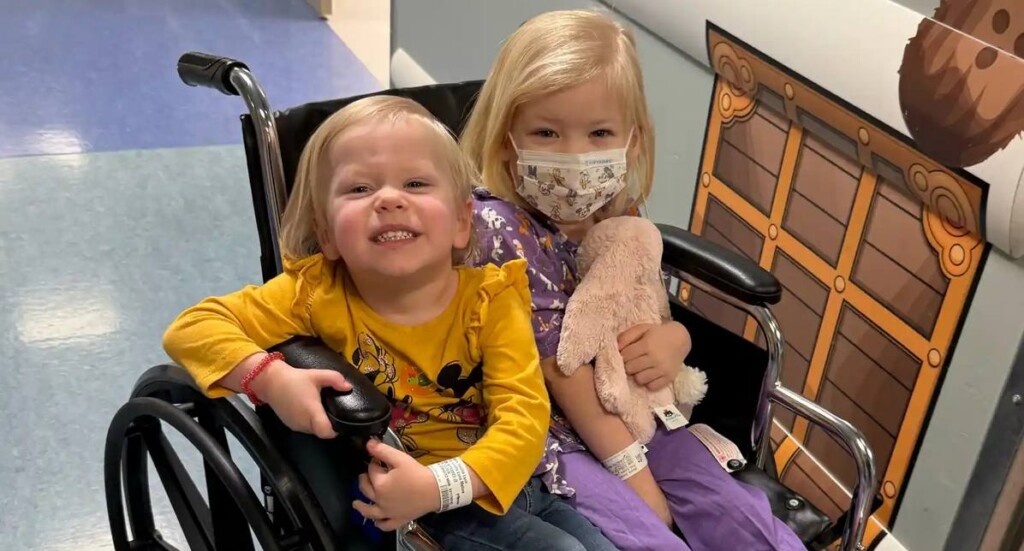
However, the journey is far from over. Because Emma is immunocompromised as a result of the chemotherapy and the nature of the transplant, the family must maintain strict sanitary precautions. Every cold, every cough, and every minor infection that would be a nuisance to an average child poses a significant risk to Emma. The family has had to adapt to a "new normal," where caution is the default setting for daily life.
Yet, amidst these constraints, there is a palpable sense of gratitude. The psychological impact on Emma has been profound; her mother describes a "mental fortitude" that seems far beyond her five years. This "forced maturity," while bittersweet, has become the foundation upon which Emma is rebuilding her childhood.
A Beacon of Hope
The story of Emma and Lucy Meline serves as more than just a heartwarming anecdote; it is a testament to the life-saving potential of bone marrow donation. Organizations like "Be The Match" and other international registries often emphasize that the next "miracle match" for a child in need could be someone within their own family, or perhaps a complete stranger half a world away.
The Meline family’s experience highlights the importance of early diagnosis and the critical need for pediatric specialists who can identify the subtle signs of blood disorders before they become fatal. It also underscores the resilience of the human spirit—not just in the adults who manage the logistics of survival, but in the children who endure the pain and emerge with a deeper, more profound connection to one another.
As the summer of 2026 continues, the Melines are looking forward to a future that, only months ago, seemed uncertain. For Emma, the future is no longer defined by the hospital walls or the fear of a failing immune system, but by the sister who, with a toddler’s simple brand of bravery, gave her a second chance at life.
In the final assessment, the story of Emma and Lucy is a reminder of the most fundamental truth: that in the face of the rarest, most daunting medical challenges, love—expressed through the simple, brave act of giving—remains our most powerful medicine.