
For the past year, I have been firmly entrenched in the audiophile "rabbit hole," a pursuit characterized by endless forum scrolling, spectral graph analysis, and the constant, gnawing question of whether a higher price tag truly correlates to a superior sonic experience. This past weekend, I finally stepped out of the digital ether and into the physical reality of CanJam London 2026.
CanJam is the premier global trade show for the personal audio industry. It is a unique ecosystem where multi-thousand-dollar flagship headphones, often regarded as unattainable "end-game" gear, sit side-by-side with accessible, high-value IEMs (In-Ear Monitors). For a newcomer to the live show scene, the experience was sensory overload, a whirlwind of exotic materials, tube amplifiers, and the collective passion of thousands of audio enthusiasts. However, beyond the excitement, the weekend served as a crucible for my own reviewing philosophy. It forced me to confront several disruptive truths that challenge the traditional metrics of high-end audio.
The Subjectivity of Sound: Why We Hear Differently
The most poignant moment of the weekend occurred during a seminar hosted by the team behind Headphones.com. Griffin Silver (known as "Listener") and Cameron Oatley (the "GoldenSound" of audio measurement fame) led a session titled, “Why Can’t We Just Agree What a Headphone Sounds Like?”
Anatomy as the Ultimate Variable
The core thesis of their presentation was both a revelation and a relief: individual anatomy is the primary arbiter of sound. We often treat frequency response graphs as objective, immutable truths, but Silver and Oatley demonstrated that a headphone’s output is dynamic. Factors such as the seal of the ear pad, the clamping pressure against the skull, and the unique shape of an individual’s pinna (the outer ear) can physically alter the acoustic wave before it ever reaches the eardrum.
This realization is transformative for the hobby. It explains why two respected reviewers can listen to the same $5,000 headphone and arrive at diametrically opposed conclusions. For the average enthusiast, this is empowering. It means that if you love a pair of headphones that a prominent critic has dismissed, you are not "wrong." Your physical reality—the way your specific ear canal and head shape interact with that device—is the only metric that matters.
The Comfort-Performance Paradox: A Reality Check
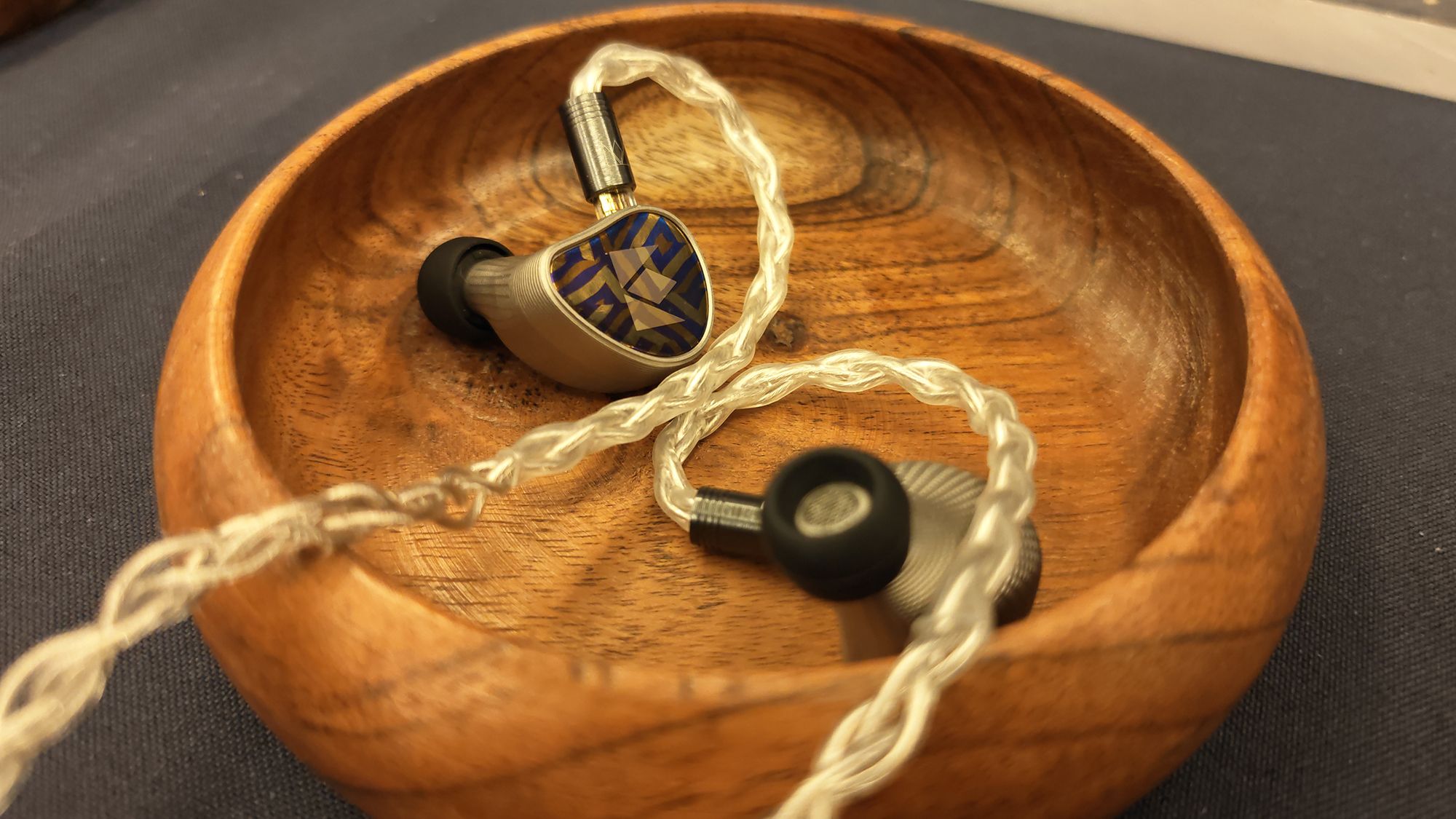
One of my primary goals for the weekend was to experience the Subtonic Storm. Priced at $5,200, it is widely heralded as the pinnacle of current IEM technology, a sentiment echoed by expert reviewers like Theo Lee (Precogvision).
The Cost of Performance
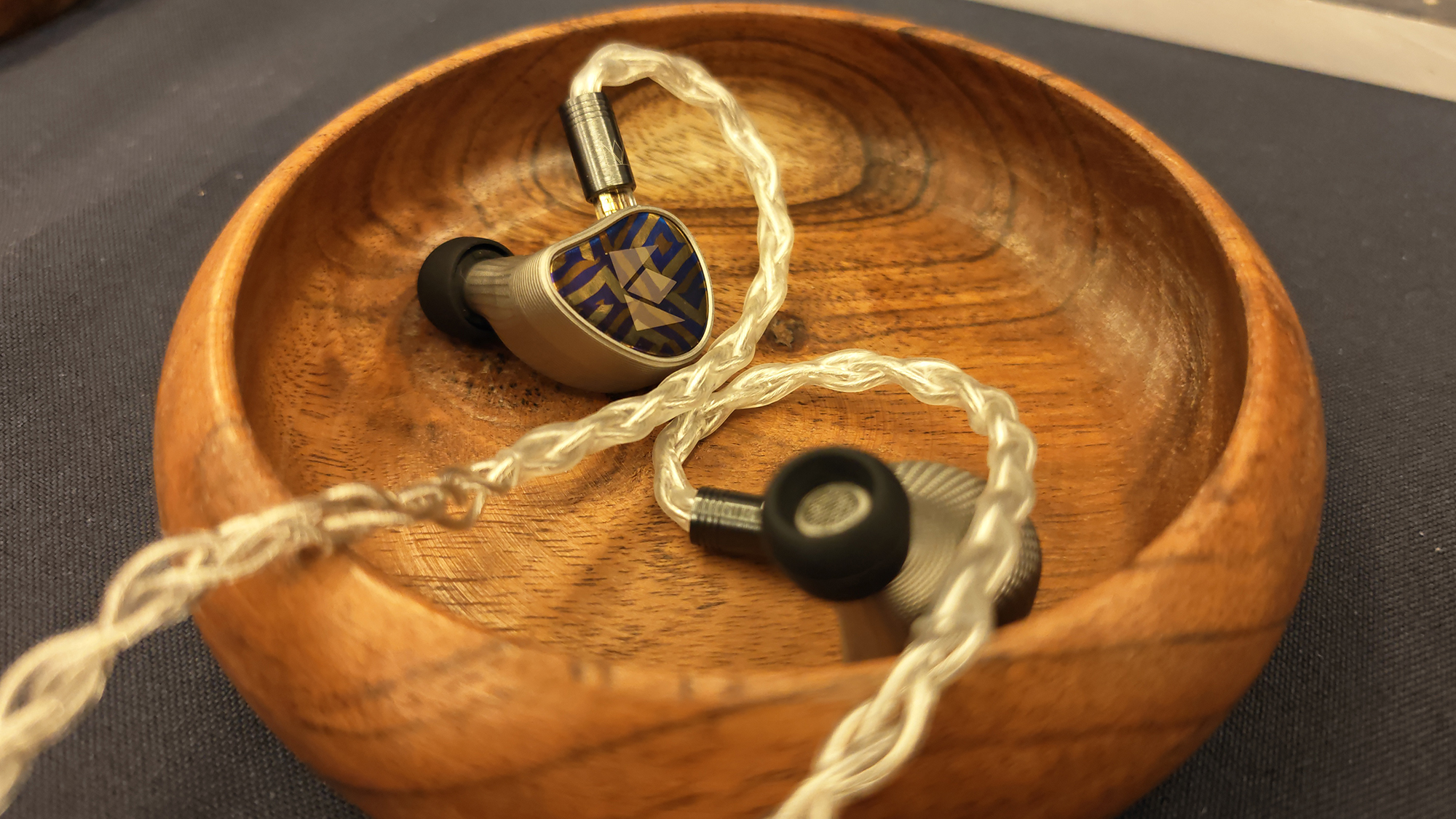
The build quality of the Storm is, as expected, impeccable. It possesses a reassuring, weighted heft that signals its premium pedigree. However, my experience was cut short by a fundamental issue: ergonomics. The Storm is an unvented, relatively large chassis. The moment I inserted them, I experienced significant pressure buildup, a common issue with high-end, unvented designs. As I moved my jaw, the seal shifted, and the pressure became distracting.
Within minutes, I found myself preferring the $100 Final E4000. While the two products exist in entirely different universes regarding technical capability, resolution, and driver complexity, the E4000 offered a level of comfort that allowed for sustained, distraction-free listening. The lesson here is brutal but necessary: the most technically proficient equipment in the world is effectively useless if it cannot be worn comfortably for more than a few minutes.
The Shift Toward "True" Neutrality
For years, the audiophile market has been dominated by "fun" tunings—heavy bass boosts or aggressive treble spikes designed to simulate detail. Recently, however, there has been a palpable pivot toward genuine neutrality. This is a move away from artificial coloring and toward an honest representation of the recording.
Data-Driven Sound: The Status Pro X
A highlight of this trend is the new Status Pro X (GoldenSound Edition). This product represents a fascinating intersection of academic research and consumer product design. By collaborating with Imperial College London to measure their own Head-Related Transfer Functions (HRTF), the team behind the Pro X managed to derive a "true" neutral target specific to the 5128 acoustic simulator.
The result is an earphone that feels remarkably "invisible." There are no jarring elevations or muddy mid-bass bloat. It is a clean, balanced, and articulate sound signature. At $280, it serves as a masterclass in how to apply rigorous science to consumer audio, proving that neutrality does not have to be boring—it can be the most rewarding listening experience of all.
Chronology of the Experience: From Vanguard to Kronos
My journey through the show floor was not without its emotional highs and lows. I spent time at the Noble Audio booth, testing a range of their latest models.

- The Struggle: My first encounter was with the $325 Noble Vanguard. While technically capable, the tuning featured a peak in the upper mids that, for my ears, was fatiguing and harsh.
- The Redemption: I quickly transitioned to the $699 Noble Iris, which acted as a palate cleanser, restoring my faith in the brand’s ability to balance warmth and detail.
- The Zenith: Finally, I tried the $4,500 Noble Kronos. This was, without hyperbole, the most impressive piece of gear I heard all weekend. It managed to avoid the pitfalls of the Vanguard while maintaining a level of detail retrieval that allowed me to hear nuances in familiar test tracks that I had previously missed.
Implications for the Future of Audio
The "Kronos Experience" left me with a lingering question: can you actually put a $4,500 price tag on a sound profile? From a manufacturing and R&D perspective, yes. But from a consumer perspective, it creates a gatekeeping effect that is antithetical to the growth of the hobby.
Democratizing High-Fidelity
If the best sound in the world is locked behind a five-figure barrier, the community remains a niche enclave for the wealthy. The real future of the hobby lies in products like the GoldenSound Pro X or the FiiO FT1—devices that bridge the gap between "prosumer" and "audiophile" at prices that don’t require financing.
My takeaways from CanJam London 2026 are clear:
- Trust your own ears. Anatomy and personal preference are the ultimate arbiters of quality.
- Comfort is non-negotiable. Never sacrifice physical ease for a marginal gain in resolution.
- Neutrality is the new frontier. We are entering an era where high-fidelity, accurate sound is becoming more accessible than ever.
- Price is not a proxy for pleasure. While I enjoyed the $4,500 flagship, the most "important" gear I encountered was the equipment that made the hobby feel accessible and honest.
As I returned home, I found myself content with my current setup, yet excited for the future. The audiophile rabbit hole is deep, but thanks to the realizations of this past weekend, I know that I don’t need to chase the most expensive gear to find the sound that is right for me. I just need to keep listening.