By Editorial Staff
“If you don’t give your mind and body a break, you’ll break.” This stark warning from author Lori Deschene serves as the foundational ethos for a growing movement in health and wellness circles: the deconstruction of “hustle culture” and the reclamation of rest as a non-negotiable human right.
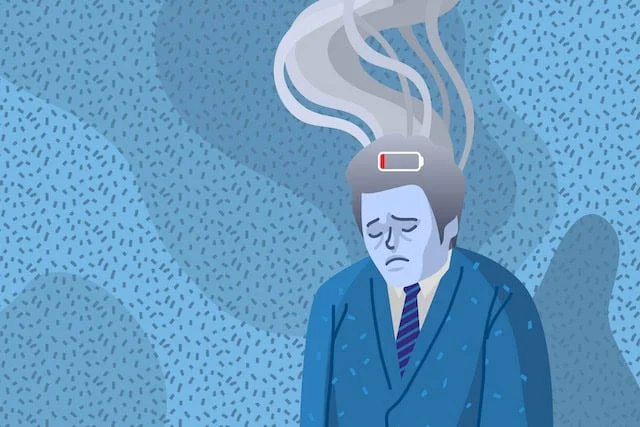
For many, the transition from constant activity to intentional stillness is not merely a lifestyle choice but a medical necessity. Recent anecdotal evidence and emerging health research suggest that the Western fixation on productivity is leading to a silent epidemic of burnout, particularly among those managing chronic health conditions.
The Breaking Point: A Case Study in Chronic Fatigue
In November 2021, Kelly Ramsdell, founder and CEO of Actually-I-Can, Inc., reached a critical junction in her health journey. Grappling with the overlapping symptoms of rheumatoid arthritis and fibromyalgia—conditions characterized by systemic inflammation, joint pain, and profound, debilitating exhaustion—Ramsdell found herself at the end of her physical tether.
“I woke up tired, needed naps, and often ran out of spoons,” Ramsdell recounted, referencing Christine Miserandino’s seminal "Spoon Theory," a metaphor used to describe the limited daily energy reserves available to those living with chronic illness.
Ramsdell’s experience was not unique. It was a classic manifestation of the body’s "emergency brake" system. When the nervous system is perpetually overstimulated by the demands of modern life, it eventually forces a shutdown. For Ramsdell, the realization that her body was demanding rest was only the beginning of a much harder psychological battle: the struggle to actually stop.
Chronology of a Shutdown: From Hustle to Healing
The progression from functional productivity to total exhaustion often follows a predictable, albeit insidious, trajectory.
- Phase 1: The Accumulation of Deficits. The individual continues to push through fatigue, utilizing stimulants or sheer willpower to meet daily obligations. Physical signals—aches, brain fog, and irritability—are ignored or suppressed.
- Phase 2: The Diminishing Return. Productivity wanes. Simple tasks, such as household chores or answering emails, take significantly longer. The individual begins to "multitask" in a desperate attempt to maintain their previous output levels.
- Phase 3: The Collision. The body forces a state of rest. In Ramsdell’s case, this involved weeks of clearing her calendar, a move that initially triggered intense anxiety and feelings of guilt.
- Phase 4: The Retraining. The realization that rest is not a "reward" for work, but a fundamental biological requirement. This phase involves the difficult work of dismantling the internalized "hustle" programming.
For Ramsdell, the first three weeks of her self-imposed sabbatical were "torture." Surrounded by the cultural pressure to remain active, she had to engage in a form of "re-parenting" herself, setting strict boundaries and physical barriers to ensure she wasn’t subconsciously working during her recovery periods.
The Cultural Conditioning of "Always-On"
The inability to rest is deeply rooted in Western socialization. From a young age, individuals are conditioned to equate worth with output. Phrases such as “I’ll rest when I’m dead” or “no rest for the weary” are not just colloquialisms; they are the bedrock of a cultural paradigm that views stillness as a moral failing or a sign of laziness.
Sociological observers note that this conditioning begins in childhood. When children are asked what they are doing and their honest answer is "nothing," they are often subtly (or overtly) encouraged to find a task. This creates an associative link: stillness equals guilt; activity equals validation.
The Myth of the "Earned" Break
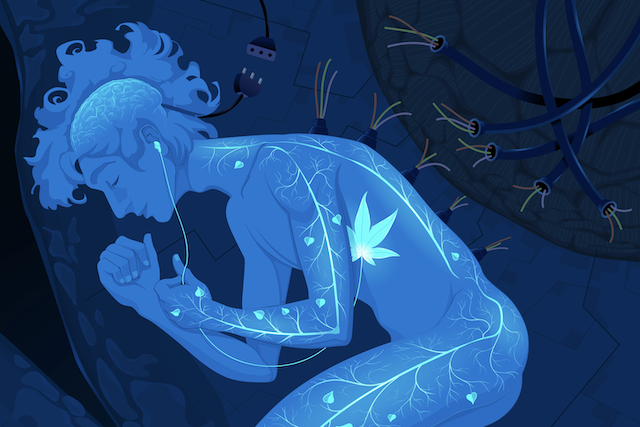
A significant psychological hurdle for many is the belief that rest must be "earned." This logic suggests that if one has not produced a sufficient amount of work, they are not entitled to downtime. This framework is catastrophic for those with chronic illnesses, as it creates a cycle where the very people who need the most rest feel the most guilty for taking it.
Supporting Data: The Neurobiology of Relaxation
The necessity of rest is supported by modern neuroscience. The human nervous system is divided into the sympathetic (fight-or-flight) and parasympathetic (rest-and-digest) branches.
When an individual stays in a state of high productivity for extended periods, they are locked in a chronic sympathetic nervous system state. This leads to:
- Elevated Cortisol Levels: Prolonged stress hormone release suppresses the immune system, exacerbating autoimmune flares.
- Cognitive Decline: Brain fog is often a byproduct of the prefrontal cortex being deprived of the "off-time" required to consolidate information and repair neural pathways.
- Systemic Inflammation: Chronic fatigue is often the body’s way of signaling that it is in a state of high-level inflammation, which requires energy to mitigate.
According to researchers, "single-tasking"—or the act of doing one thing at a time without external stimuli—is essential for resetting the vagus nerve, which regulates the body’s stress response.
Implications for Modern Workplace Wellness
The implications of these findings are profound for both the individual and the corporate sector. If "rest" is considered a luxury, burnout becomes inevitable. Conversely, if rest is integrated into the workflow, the quality of output generally increases.
Ramsdell’s transition suggests that the secret to long-term sustainability is "aligned ease." By allowing herself to pause and check in with her body throughout the day, she has seen an improvement in:
- Focused Output: Tasks are completed with higher cognitive clarity.
- Resource Management: She is better able to balance exercise, nutrition, and professional responsibilities without triggering a flare-up.
- Psychological Integration: A decrease in the dissociation between mind and body.
Moving Toward a Culture of Intentional Stillness
The shift toward a healthier approach to productivity requires an intentional, often radical, restructuring of daily habits. Experts recommend several "reprogramming" techniques:
- The Single-Tasking Rule: When resting, remove all distractions. No phones, no crosswords, no podcasts. Just the activity at hand, or simply "being."
- Auditing the Internal Monologue: When the voice of guilt suggests that one should be "doing something," it is necessary to challenge that voice. Label it as "conditioned programming" rather than an objective truth.
- Budgeting Rest: Rather than waiting for a collapse, rest must be scheduled as a priority. This is not about squeezing rest into the margins; it is about building the day around the rest.
- Nervous System Retraining: Acknowledge that the first few days of true rest will feel uncomfortable. The nervous system is addicted to the dopamine spikes provided by constant activity; the goal is to stabilize the system to a baseline of calm.
Conclusion: Reclaiming the Right to Rest
The journey of individuals like Kelly Ramsdell serves as a microcosm for a broader, necessary cultural shift. We are currently living through a period where the traditional definitions of success are being challenged by the biological realities of the human experience.
Rest is not a luxury afforded only to those who have finished their to-do lists. It is a fundamental component of human health, as essential as nutrition or exercise. By normalizing the act of pausing, society can begin to move away from a culture of collective burnout and toward a more sustainable, and ultimately more productive, way of living.
As Ramsdell concludes, “The more I lean into rest and build it into my days, the more energy I have to actually accomplish all the things I want to get done in life.” The challenge remains for the rest of society to follow suit—before the body decides to stop for them.