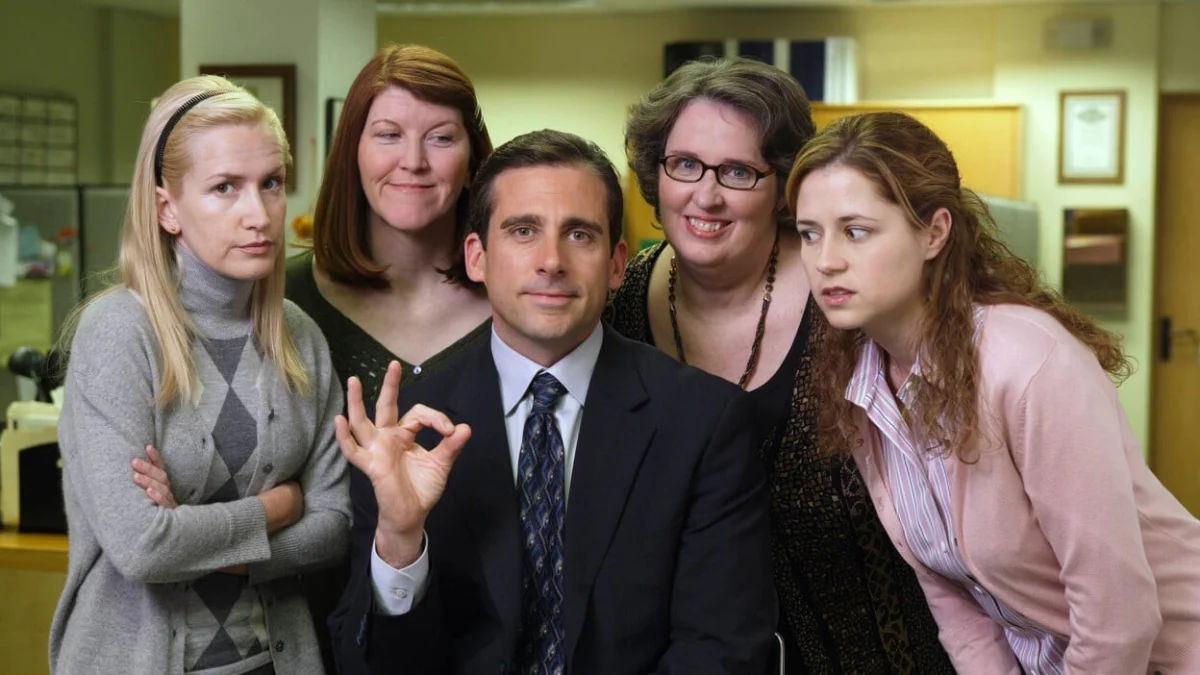
Since its American conclusion in 2013, The Office has transcended its status as a mere sitcom to become a cornerstone of modern digital culture. Through the endless loop of syndication and the omnipresence of streaming platforms, the Dunder Mifflin Paper Company has effectively become a surrogate workspace for millions. Whether it is the frantic energy of a fire drill or the crushing, relatable awkwardness of "Scott’s Tots," the show remains a cultural touchstone.
However, even the most devoted "Office" loyalist eventually faces the dilemma of the post-finale void. If you have exhausted the show’s nine seasons, re-watched every cold open, and mined every "streamalike" recommendation for hidden gems, you may feel as though your comedy options have run dry. To help you fill that void, we have curated a selection of films that capture the specific, idiosyncratic magic of the workplace mockumentary and the "cringe-comedy" genre.
The Legacy of the Mockumentary and Cringe-Comedy
To understand why The Office holds such a tight grip on our collective consciousness, one must examine the mechanics of its humor. The show was built on the foundation of the British original, created by Ricky Gervais and Stephen Merchant, which introduced the world to the "cringe-comedy" archetype. While the American iteration softened the edges of its protagonist, Michael Scott, to make him more lovable, the core appeal remained the same: the intersection of mundane corporate drudgery and the explosive, often uncomfortable, personalities that inhabit those spaces.
The mockumentary format—defined by talking-head interviews, handheld camera work, and the "breaking of the fourth wall"—allows the audience to feel like a participant in the office drama. It turns the viewer into a confidant, someone who is "in on the joke" when an employee stares at the camera in exasperation. When looking for movies that satisfy this craving, we must seek out stories that prioritize character-driven discomfort and the inherent absurdity of the professional environment.
Chronology and Evolution of the Office Satire
The satire of office culture has a long cinematic history, evolving alongside the workforce itself. In the mid-20th century, films like Billy Wilder’s The Apartment (1960) focused on the moral compromises made by low-level employees to climb the corporate ladder. These films were often romantic comedies with a sharp, biting edge.
By the 1990s, the tone shifted. The rise of the "temp" economy and the increasing ubiquity of cubicle farms led to a more cynical, disillusioned perspective. Films like Office Space (1999) and Clockwatchers (1997) moved away from the romanticism of the 60s and toward a darker, more nihilistic view of the 9-to-5 grind.

Today, the "mockumentary" format, popularized by Christopher Guest in the late 90s, has become the dominant language for portraying these environments. It is a genre that thrives on the tension between the "professional" mask a person wears and the deeply insecure, chaotic human being underneath.
Supporting Data: Why We Love the Cringe
Psychological studies on humor suggest that "cringe-comedy" functions through a mechanism known as "empathic embarrassment." When we watch Michael Scott attempt to save a child’s life with a CPR dummy or organize an ill-conceived office party, we experience a secondary form of stress. However, because we are safely distanced behind a screen, this stress is resolved through laughter.
Data from major streaming platforms consistently shows that "comfort shows" like The Office dominate viewing hours because they offer a predictable, low-stakes environment. When fans look for movies to replace this, they are looking for:
- The "Boss" Archetype: A leader who is either dangerously incompetent, pathologically needy, or aggressively mundane.
- The "Dead-End" Aesthetic: The visual language of beige walls, fluorescent lighting, and broken office equipment.
- The "Found Family" Dynamic: The way coworkers, who would never choose each other as friends, become an inseparable unit.
The Essential Watchlist: Movies for the Dunder Mifflin Devotee
1. David Brent: Life on the Road (2016)
If you have never ventured into the original UK source material, you are missing the blueprint for the entire genre. David Brent: Life on the Road acts as a coda to the original UK Office. It follows the former regional manager as he abandons the corporate world to pursue a failing career as a rock star. It is a masterclass in the "delusional boss" trope. Brent is far less sympathetic than Michael Scott, but the film provides a fascinating, unflinching look at what happens when the "funny guy" at the office stops being funny and starts being tragic.
2. Office Space (1999)
This is the holy grail of office satire. It is the definitive depiction of the "soul-crushing" nature of software development and middle management in the late 90s. From the iconic red stapler to the soul-destroying frustration of a malfunctioning printer, Office Space captures the exact brand of rage that fans of The Office understand all too well. It serves as a cathartic release for anyone who has ever spent a Monday morning staring at a spreadsheet while dreaming of a different life.
3. The Apartment (1960)
While it may seem like a relic, The Apartment is surprisingly relevant. Jack Lemmon’s performance as C.C. Baxter—a man who lets his superiors use his apartment for their illicit affairs to get a promotion—is the spiritual predecessor to the power-imbalance dynamics often seen in Dunder Mifflin. It is sharp, witty, and surprisingly modern in its critique of how corporate culture demands we trade our dignity for a title.

4. Clockwatchers (1997)
For those who identified with the struggles of the temp workers or the lower-tier employees at Dunder Mifflin, Clockwatchers is essential viewing. It features a brilliant ensemble cast, including Parker Posey and Lisa Kudrow, portraying the life of office temps who exist on the periphery of the company culture. It captures the "peculiar madness" that sets in when you are trapped in a role where you have no power, no future, and nothing to do but observe the absurdities of the people above you.
5. Office Christmas Party (2016)
If your favorite episodes are the "chaos" episodes—like the Fire Drill or the Office Olympics—this is the film for you. It takes the premise of a standard office party and stretches it to a point of total, anarchic collapse. While it lacks the subtle, character-driven humor of The Office, it perfectly captures the spirit of what happens when the professional order is finally, completely suspended.
6. Waiting for Guffman (1997)
Christopher Guest is the godfather of the modern mockumentary. Waiting for Guffman is the perfect bridge for fans who love the "talking head" interview style of The Office. It follows a community theater group, but the dynamics—the insecure leader, the sycophantic followers, the delusional ambition—are identical to the atmosphere of a struggling branch office. If you love Michael Scott’s improvisational "comedy" skills, you will find a kindred spirit in the film’s director, Corky St. Clair.
Implications and Future Trends in Workplace Satire
The popularity of these films suggests that the "office" as a setting for comedy is not going away, even as remote work changes the physical reality of our jobs. We are entering an era of "remote-work satire," where the screen-sharing error and the muted microphone have replaced the printer jam and the water cooler gossip.
The enduring success of The Office and these recommended films confirms that our interest in the workplace is not about the work itself. It is about the human condition—our desire to be liked, our fear of being redundant, and the strange, accidental bonds we form with the people we are forced to see for 40 hours a week. As long as humans continue to organize themselves into hierarchies and congregate in rooms (physical or digital) to achieve common goals, the comedy of the office will remain one of our most vital cultural exports.
Whether you are looking for the dark, cynical edge of Office Space or the cringe-inducing, mockumentary warmth of a Christopher Guest film, this list should provide enough entertainment to bridge the gap until your next inevitable re-watch of the Dunder Mifflin saga. Happy streaming.