By Daniel Oropeza | Shopping Editor
July 23, 2026
The mid-year retail landscape has evolved significantly. While Black Friday has traditionally been the singular beacon for deep-discount shoppers, the "Black Friday in July" phenomenon—driven largely by aggressive sales at retailers like Best Buy and Amazon—has become the premier opportunity for professionals and students to upgrade their digital ecosystems. Whether you are looking to overhaul a home office, replace a aging laptop, or optimize your workflow with high-performance peripherals, the current window offers some of the most competitive pricing seen all year.

Main Facts: The Current Market Landscape
As of late July 2026, the retail sector is experiencing a unique confluence of inventory clearance and aggressive market positioning. Retailers are currently moving to clear out Q1 and Q2 stock to make room for back-to-school and end-of-year hardware releases. For the consumer, this translates into historically low price points on premium hardware.
The standout star of this current cycle is the Dell 14 Plus, which has seen its price slashed from $2,049.99 to $999.99. This represents a rare sub-$1,000 price point for a machine boasting an Intel Core Ultra i9 processor, 32GB of RAM, and a 1TB SSD. Such specifications were largely reserved for high-end workstations only a year ago, making this a pivotal moment for those needing high-compute power on a budget.

Beyond the headlining laptop deals, we are seeing significant movement in the display and networking sectors. Curved OLED monitors and portable connectivity solutions—once niche or luxury items—are currently being discounted as manufacturers compete for a broader share of the remote-work demographic.
Chronology of the July Sale Wave
The current cycle began in early July, following the conclusion of standard mid-year fiscal planning.

- Early July (July 1–7): Retailers began teasing "Black Friday in July" campaigns, focusing primarily on consumer electronics. Initial discounts were modest, averaging 10–15% across the board.
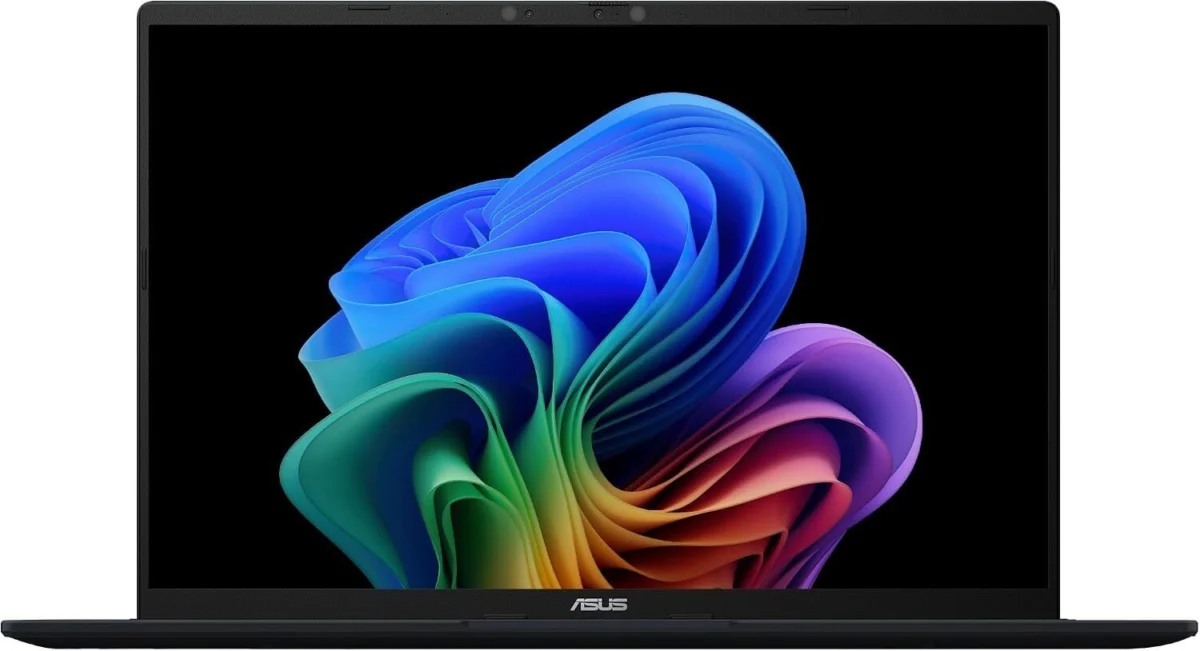
- Mid-July (July 8–15): The competition intensified as Amazon and Best Buy began price-matching, particularly on core computing categories. This period saw the first major drops on the ASUS Vivobook and HP OmniBook series.
- Late July (July 16–23): We are currently in the "price floor" phase. Most devices identified as part of this sale event have reached their lowest recorded prices for the 2026 calendar year. Industry analysts suggest that these prices are likely to hold until the end of the month, after which inventory levels for specific configurations may dwindle, leading to a "sold out" scenario rather than a price increase.
Supporting Data: Comparative Value Analysis
To understand the gravity of these savings, one must look at the price-to-performance ratio. When evaluating the current crop of deals, the hardware value has shifted in favor of the buyer:
Laptop Performance Tiers
| Model | Original Price | Sale Price | Savings |
|---|---|---|---|
| Dell 14 Plus | $2,049.99 | $999.99 | $1,050.00 |
| HP OmniBook X Flip | $1,329.99 | $749.99 | $580.00 |
| Samsung Galaxy Book4 Edge | $999.99 | $499.99 | $500.00 |
| ASUS Vivobook | $799.99 | $660.00 | $139.99 |
The data indicates that the "Sweet Spot" for consumers lies between the $650 and $800 price bracket. In this range, buyers are seeing the most dramatic discounts relative to MSRP, specifically in the 2-in-1 and hybrid laptop categories.

The Display Segment
The 49-inch Samsung Odyssey OLED G93SC represents the pinnacle of current monitor discounts. Initially launching at $1,299.99, it is currently retailing for $899.99. For professional creators and competitive gamers, the 240Hz refresh rate and 1ms response time, paired with OLED contrast levels, make this a "buy-now" scenario. Unlike LCD panels, which are seeing deeper, more frequent discounts, OLED tech rarely drops to this price point without significant retailer backing.
Official Retailer Strategies and Responses
Retailers are not merely clearing shelves; they are actively responding to a shift in consumer behavior. With the rise of "Copilot+" PCs and AI-integrated hardware, manufacturers are pushing for faster adoption of new silicon.

According to retail analysts, the steep discounts on models like the HP OmniBook 5 (now $809.99) are part of a coordinated effort to transition the market toward AI-ready hardware. By lowering the entry barrier for these devices, companies like HP and Dell are ensuring that the 2027 upgrade cycle begins with a broad base of users already familiar with their latest architecture.
Amazon and Best Buy have both issued statements regarding their "preferred source" status, noting that they are leveraging direct relationships with OEMs (Original Equipment Manufacturers) to secure these exclusive price reductions. They are essentially subsidizing the cost difference to drive high-volume traffic to their respective platforms during a typically slower retail period.

Implications for the Consumer
What does this mean for your home setup? The implications are three-fold:
- The "Good Enough" Threshold Has Moved: With high-performance laptops like the Dell 14 Plus dropping to $999, the "budget laptop" category has effectively disappeared. You no longer have to sacrifice performance for portability.
- Infrastructure Upgrades are Now Affordable: The TP-Link Roam 6 deal ($49.99) highlights a trend in infrastructure. Consumers are realizing that a laptop is only as good as the connection it maintains. We are seeing a shift where users are no longer just buying "the computer," but also the supporting cast of hardware—travel routers, high-refresh monitors, and ergonomic peripherals—that facilitate a truly mobile and professional lifestyle.
- The Sustainability Factor: By opting for high-end, heavily discounted hardware, consumers are investing in devices with longer "useful lives." A machine with 32GB of RAM is significantly more future-proof than a standard 8GB or 16GB model. Purchasing these now, while they are on sale, provides the best possible ROI for a 3-to-5-year hardware lifecycle.
Expert Recommendations: Navigating the Sale
When browsing these deals, remember that pricing and availability are fluid. If you see a device that fits your specific needs, the current data suggests that waiting for a "better" deal is a high-risk strategy.

- For the Power User: The Dell 14 Plus remains the most significant value proposition. If you are doing heavy multitasking, video editing, or software development, the $1,050 savings is the best deal in the current market.
- For the Traveler: The TP-Link Roam 6 is an essential purchase. For $49.99, it solves the universal frustration of hotel Wi-Fi. It is a low-cost, high-impact upgrade.
- For the Creative Professional: The Samsung Odyssey OLED G93SC offers an unparalleled visual experience. If your workspace allows for a 49-inch footprint, this is the most substantial visual upgrade you can make this year.
Final Verdict
The July 2026 sales are not just a mid-year clearance; they are a calculated effort to transition the consumer base to a higher standard of computing. Whether you are a student preparing for the upcoming semester or a professional optimizing your remote office, the current discounts on offer are substantive and strategically timed. Evaluate your current bottlenecks, identify the hardware that will alleviate them, and utilize these current promotions to bridge the gap between your current capabilities and your potential.
Note: As an editor, I advise all readers to check local inventory availability before traveling to brick-and-mortar locations, as these deals are as popular as they are time-sensitive.