Main Facts
For millions of workers, the traditional biweekly pay schedule—resulting in 26 paychecks per year—is a double-edged sword. While receiving income every two weeks provides a consistent cash flow, aligning standard monthly financial obligations with an income calendar that shifts dates annually can introduce significant friction. Unlike a semi-monthly schedule, which guarantees 24 evenly spaced disbursements on fixed dates (such as the 1st and the 15th), biweekly schedules mean paydays drift across the calendar, occasionally landing in parts of two different months.
This structural mismatch is one of the leading roadblocks cited by financial planners when individuals attempt to build and sustain a household budget. When managing money feels overly complex or daunting, people are far more likely to abandon the process entirely.

To bridge this gap, financial strategists emphasize a foundational approach: basing your baseline monthly budget on the income generated by just two paychecks per month. This conservative baseline ensures that all recurring bills and living expenses are fully covered 24 times a year. Consequently, during two months out of every twelve, households receive a coveted "third paycheck." Rather than treating these extra disbursements as unexpected windfalls to be spent impulsively, savvy budgeters channel this third paycheck directly toward debt acceleration, emergency reserves, or long-term investments.
Chronology
Building an effective biweekly budget is not an overnight fix, but rather a structured, step-by-step implementation process. Financial advisors recommend executing this framework over the course of a standard monthly cycle:

- Phase 1: Income Baseline Identification (Day 1): The process begins by calculating the exact net income available from each individual paycheck. For households with multiple earners or supplemental side-hustle revenue, all streams must be quantified to establish a true working total.
- Phase 2: Historical Bill Audit and Date Distribution (Days 2–7): Individuals pull previous bank and credit card statements to inventory every recurring bill and debt obligation. During this phase, homeowners and renters also evaluate whether their expenses are evenly split across the month or overly front-loaded. If necessary, service providers are contacted to shift billing due dates for better cash flow alignment.
- Phase 3: Variable Expense Estimation (Weeks 2–4): For the first 30 days, households track non-fixed spending categories—such as groceries, fuel, and entertainment—without rigid restrictions. This observation period establishes an accurate baseline average for variable costs.
- Phase 4: Establishing a Buffer Fund (Ongoing): Recognizing that paydays will occasionally misalign with rigid bill due dates, households establish a small revolving buffer fund to bridge minor timing gaps, replenishing the account immediately upon the arrival of the next disbursement.
- Phase 5: Weekly Maintenance and Tracking (Weekly Routine): Long-term success relies on a consistent weekly ritual—typically taking 20 minutes on Friday mornings—to log transactions, reconcile accounts, and verify that spending remains aligned with projections.
Supporting Data
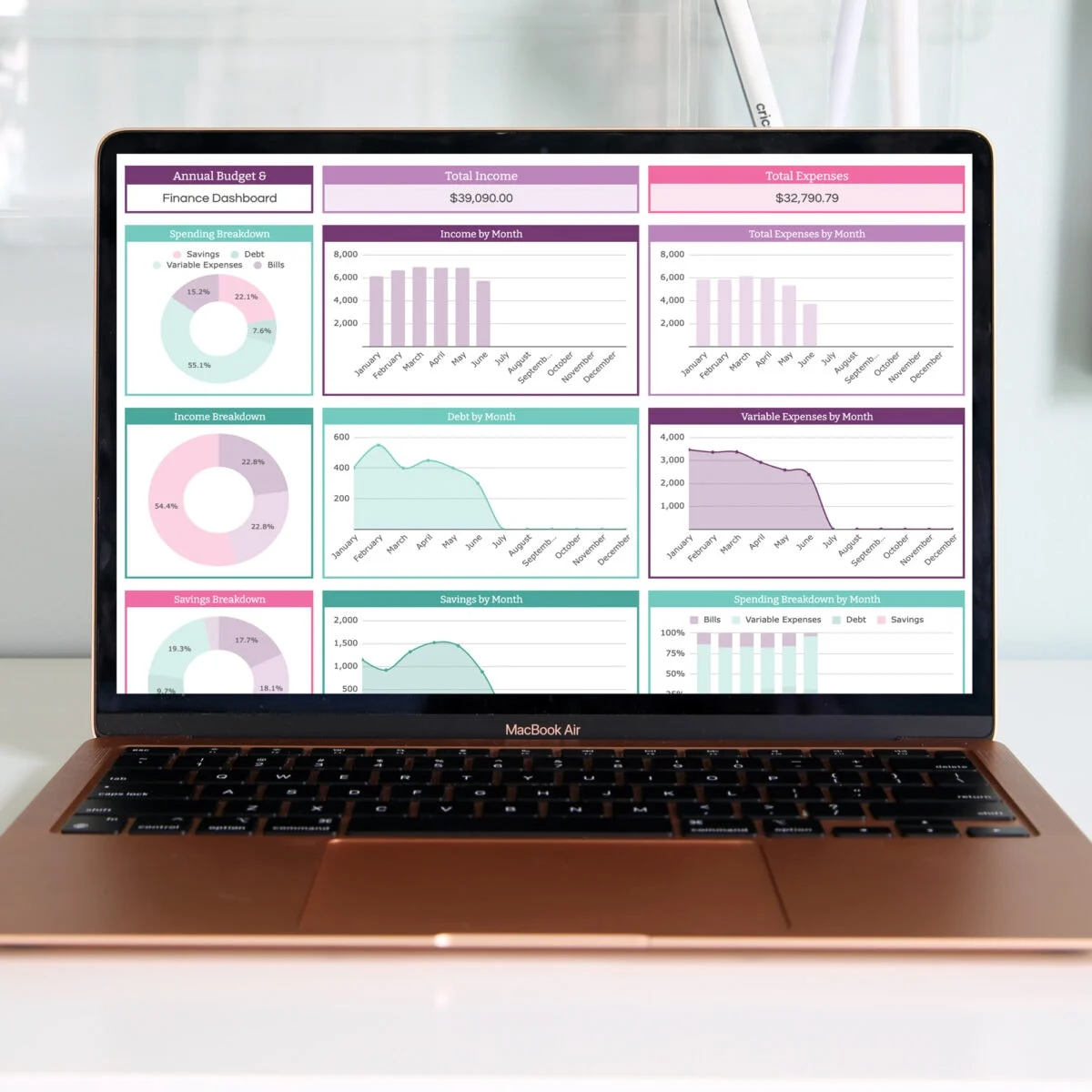
The mechanics of biweekly budgeting rely heavily on mathematical clarity and proactive tracking tools. According to recent personal finance metrics, households that transition from reactive spending to structured calendar-based budgeting experience a noticeable drop in short-term credit card reliance.
Key structural data points of the biweekly model include:

- Paycheck Frequency: 26 distributions annually, compared to 24 on a semi-monthly plan.
- Surplus Windows: Exactly two months per calendar year feature three paydays instead of two, creating an intentional cash surplus.
- Tracking Efficiency: Dedicated spreadsheet templates and automated calculators reduce human error in matching specific bill due dates to specific pay periods. Studies in behavioral finance indicate that individuals who review their financial dashboards weekly are 40% more likely to meet their annual savings targets than those who review statements monthly.
Official Responses and Expert Insights
Financial literacy advocates and household organization experts emphasize that budgeting systems must be adaptable to human behavior rather than imposing rigid, unsustainable restrictions.
"It doesn’t take much for us to give up on budgeting," notes personal finance author and strategist Abby Lawson. "If it feels daunting or overly complicated, we’re more likely to throw in the towel, even though we know tracking our spending could help us drastically improve our finances. One of the biggest roadblocks I’ve seen people face when building a budget is figuring out how to get all of their monthly bills organized into their biweekly pay schedule."
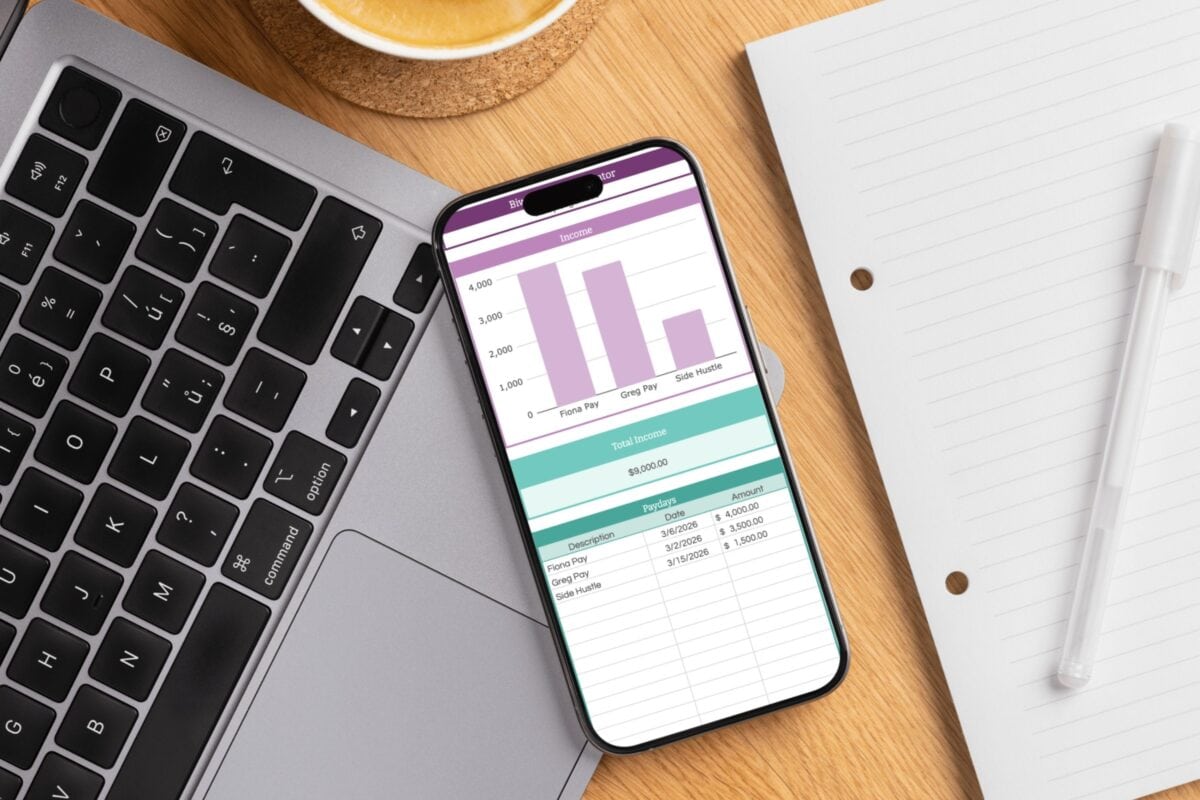
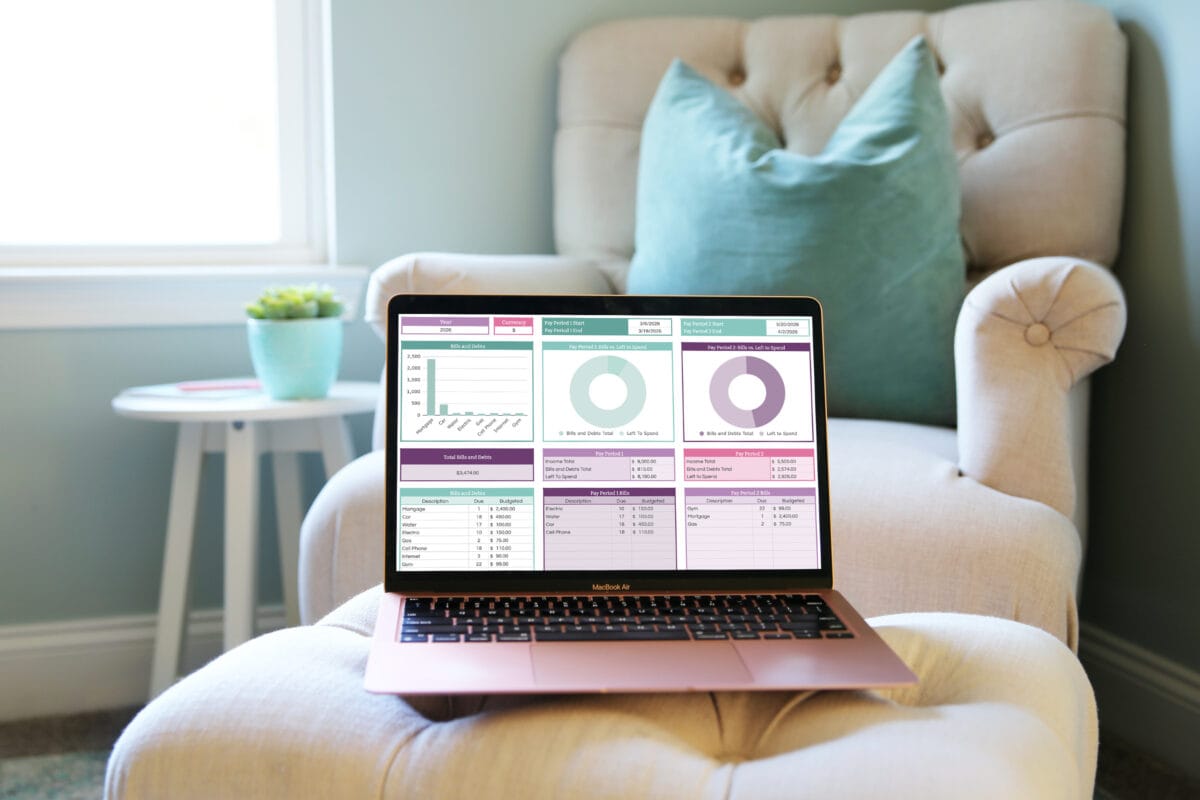
Experts point out that automated tools—such as dynamic digital calculators and custom spreadsheets—are vital for removing the emotional friction of manual math. By inputting pay periods, income thresholds, and bill dates into a centralized template, users remove the guesswork from determining which paycheck covers which financial obligation.
Furthermore, financial coaches stress the importance of proactive communication with utility providers, mortgage lenders, and credit card companies. Service providers are frequently accommodating when customers request a shift in billing cycles, allowing households to smooth out cash flow spikes and valleys across the calendar month.
Implications
Adopting a disciplined biweekly budgeting framework carries profound implications for long-term household wealth and financial wellness. By anchoring monthly spending expectations to a standard two-paycheck baseline, families insulate themselves from the common trap of lifestyle inflation during months with three paydays.
The intentional redirection of those semi-annual surplus paychecks creates a compounding effect on debt elimination. Funneling a third paycheck directly toward high-interest credit card debt or student loans can shave years off repayment schedules and save thousands of dollars in cumulative interest charges. Similarly, allocating these funds to an emergency buffer fund or retirement vehicle transforms an erratic income schedule into an engine for wealth accumulation.

Ultimately, the process demonstrates that mastering biweekly paychecks is less about mathematical genius and more about consistent visibility. Dedicating a brief window each week to monitor transactions transforms financial management from a source of chronic anxiety into an empowering, sustainable routine that fosters both spending confidence and long-term security.