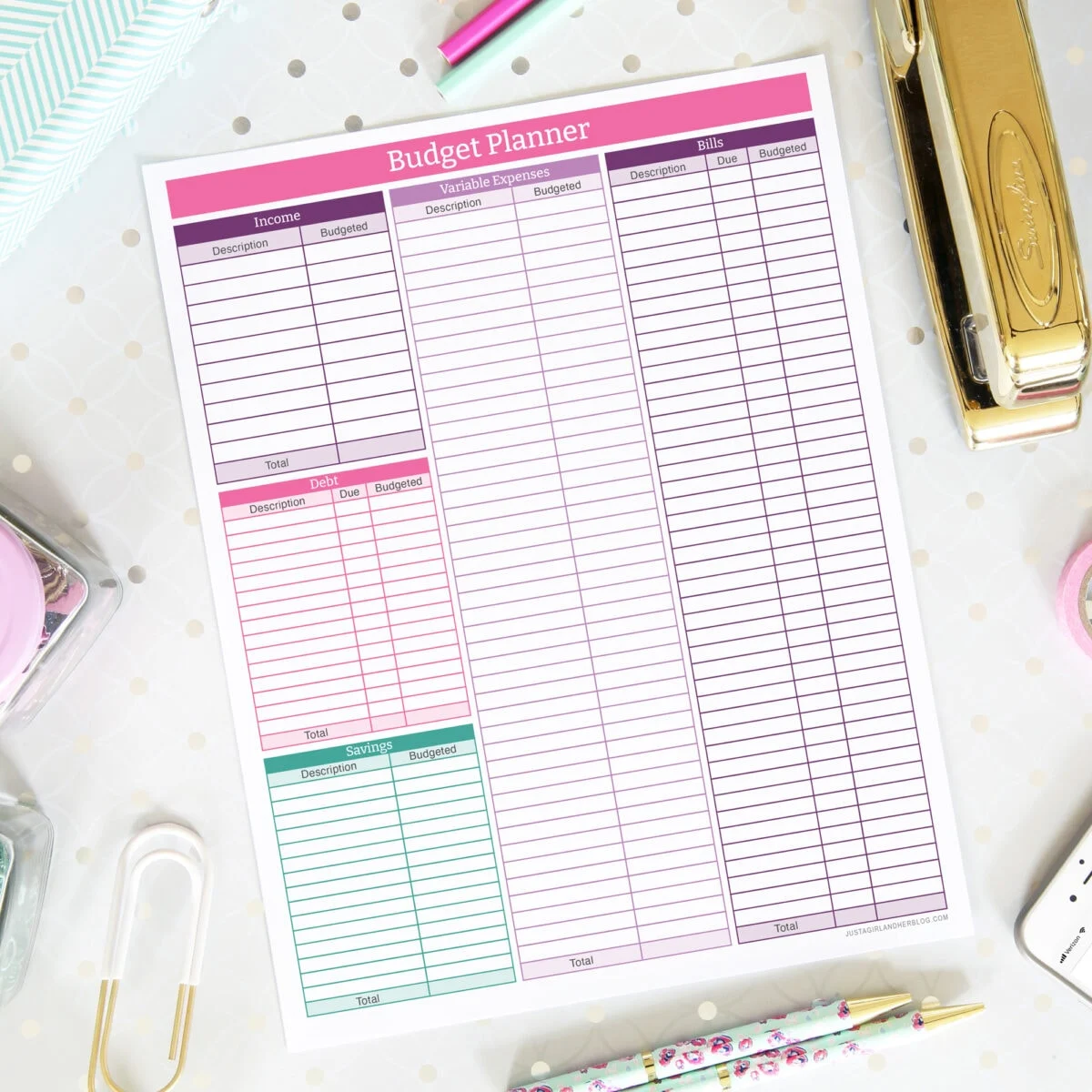
For many, the traditional "fixed-salary" budget is a straightforward exercise in simple arithmetic. However, for the growing segment of the workforce engaged in self-employment, gig work, or commission-based roles, the conventional advice often feels disconnected from reality. When your monthly earnings fluctuate, the traditional model of "income minus expenses" can feel like a guessing game.
Yet, financial experts and seasoned entrepreneurs argue that having an irregular income is not a valid excuse to abandon budgeting. In fact, it is the primary reason why a robust financial strategy is not just helpful—it is essential. By shifting from a reactive mindset to a proactive, structured framework, those with variable earnings can achieve the same, if not greater, levels of financial security as their salaried counterparts.
The Reality of Variable Earnings: A Strategic Approach
The primary hurdle for many households with irregular income is the psychological barrier. When income is unpredictable, the fear of "missing the mark" often leads to financial paralysis. However, the core principle of successful budgeting remains the same regardless of pay structure: you must gain total clarity over your cash flow.

The transition from uncertainty to confidence begins by acknowledging that while you cannot control your income, you can exert complete control over your spending habits. This requires a paradigm shift—moving away from a month-to-month survival instinct and toward a long-term, systemic approach to money management.
1. Establishing a Conservative Foundation: The "Low-Income" Benchmark
The most effective strategy for managing variable income is to base your budget on your lowest earning month, rather than your average. This "conservative baseline" serves as a financial safety net. By planning your lifestyle and fixed costs around the minimum amount you typically earn, you ensure that your essential obligations—mortgage, utilities, food, and insurance—are covered even during the slowest business cycles.
The Power of Conservative Planning
When you build a budget around a "bad" month, every dollar earned above that baseline becomes "surplus." This surplus is not an invitation for impulse spending; rather, it is a strategic tool. By treating your income as a spectrum, you can categorize your spending:

- Fixed Expenses: These are your non-negotiable costs. They should never exceed your conservative baseline.
- Variable/Flexible Expenses: These are items like dining out or hobbies. These can be adjusted upward during high-income months and scaled back during lean ones.
- Strategic Surplus: Income generated above your baseline is allocated toward pre-determined financial goals, such as debt reduction or long-term investments.
2. The Buffer Fund: Your First Line of Defense
For a freelancer or business owner, an emergency fund is not just a "nice-to-have" account—it is a critical business asset. In a professional context, this is often referred to as a "buffer fund." The goal of this fund is to decouple your lifestyle from your immediate cash flow.
Structuring Your Safety Net
- The Initial Goal: If you are starting from zero, aim for a $1,000 "buffer." This prevents the need to reach for a credit card when a minor, unexpected expense arises.
- The One-Month Benchmark: Once your initial goal is met, expand your fund to cover one month of essential expenses. This provides a mental and financial cushion that significantly reduces anxiety.
- The Long-Term Horizon: Financial planners often suggest that those with highly volatile incomes should maintain a larger runway—up to six months or even a year—of essential expenses.
The most effective way to build this fund is through automation. By setting up automatic transfers to a high-yield savings account, you remove the emotional temptation to "keep the money in checking." When the transfer is invisible and automatic, your lifestyle adjusts to the remaining balance, and your savings grow without consistent manual intervention.
3. Prioritizing High-Income Months
What happens when your business has a banner month? This is where many individuals fail to capitalize on their success. Without a pre-existing plan, extra cash is often absorbed by "lifestyle creep"—the tendency to increase spending as income rises.

Creating a "Priority Waterfall"
To prevent waste, sit down and create an ordered list of financial priorities. When your income exceeds your conservative baseline, follow this "waterfall" approach to distribute the funds:
- Buffer Top-Up: If your emergency fund is below your goal, direct the extra cash here first.
- Debt Acceleration: Use surplus income to pay down high-interest liabilities, effectively providing a guaranteed "return on investment."
- Future-Proofing: Allocate funds to annual or semi-annual expenses. By saving for things like insurance premiums or camp fees in advance, you avoid a cash crunch when those bills eventually arrive.
- Long-Term Wealth: Only after the above items are addressed should you increase contributions to retirement accounts or taxable investment portfolios.
This "priority list" ensures that you remain intentional. By deciding how you will spend extra money before you actually have it in your account, you protect yourself from the impulsive decisions that often follow a windfall.
4. The Fluid Nature of the Budget
A common misconception is that a budget is a static, rigid document. In reality, a successful budget is a living, breathing tool that evolves alongside your life. With an irregular income, your budget requires regular "check-ins."

The Monthly Review Process
As you track your spending, patterns will emerge. You may find that your initial estimate for groceries was too low, while your estimate for entertainment was too high. Do not view these discrepancies as failures. Instead, use them as data points to refine your strategy.
If you find that a category is consistently over-budget, you have two choices:
- Adjust the Allocation: Move funds from an under-spent category to cover the deficit.
- Re-evaluate the Need: If you cannot move funds, you must determine if you need to cut spending or, more importantly, increase your income.
Budgeting provides the data necessary to make these difficult decisions. If the numbers consistently reveal a shortfall, you now have the clarity to pursue a side hustle, negotiate higher rates, or trim unnecessary overhead.

Implications: The Psychological Shift
The ultimate goal of budgeting with an irregular income is to move from a position of vulnerability to one of empowerment. For years, many avoid the process, fearing it will feel restrictive or overwhelming. However, once a system is implemented, the result is the exact opposite.
Freedom Through Clarity
When you know exactly where your money is going and you have a plan for the lean months, the "feast or famine" cycle loses its power. You no longer worry about how you will pay the bills in a slow month because your buffer is prepared. You no longer feel guilty about spending money on hobbies during a good month because you have already accounted for your long-term goals.
Budgeting is, at its core, a tool for decision-making. It transforms your financial life from a source of stress into a structured, predictable, and manageable component of your personal and professional success. By embracing a flexible, data-driven approach, you can build a solid financial foundation that supports your lifestyle, no matter how unpredictable your income may be.

Disclaimer: This article is intended for educational purposes only and does not constitute personalized financial or investment advice. Always consult with a certified financial professional before making significant changes to your financial strategy.