HIGHLANDS, SCOTLAND — Loch Ness is preparing to welcome a brand-new legendary resident, and while this one won’t be breathing fire or lurking ambiguously in blurry black-and-white photographs, it certainly knows how to make its presence felt.
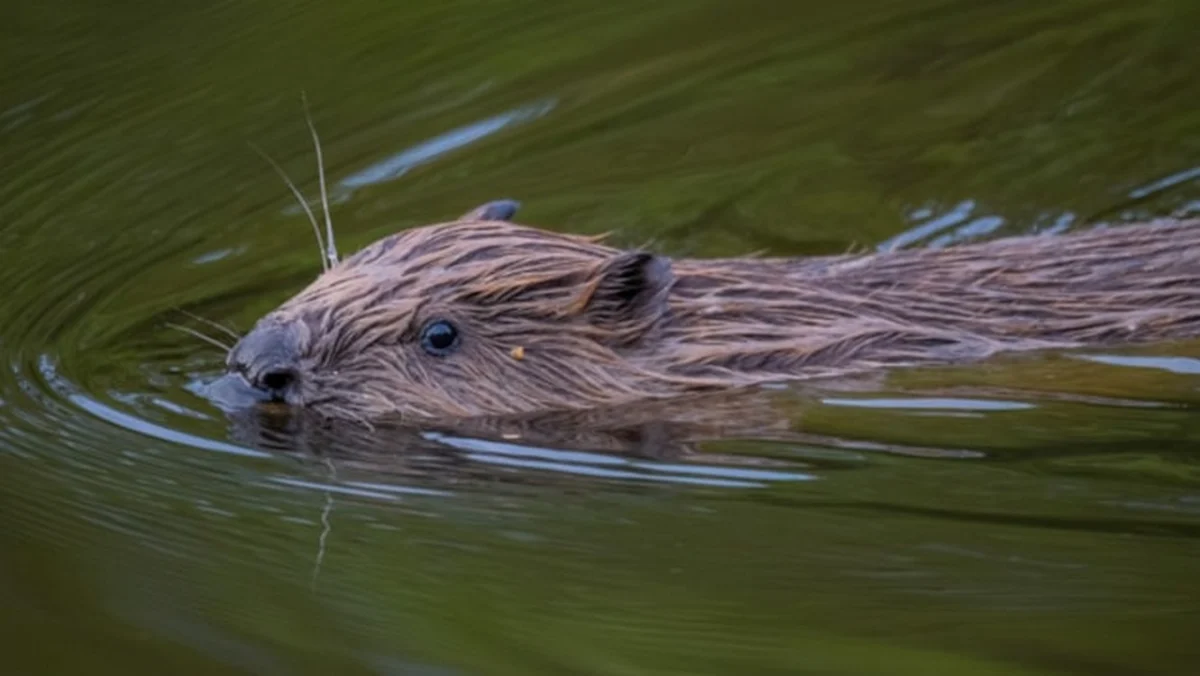
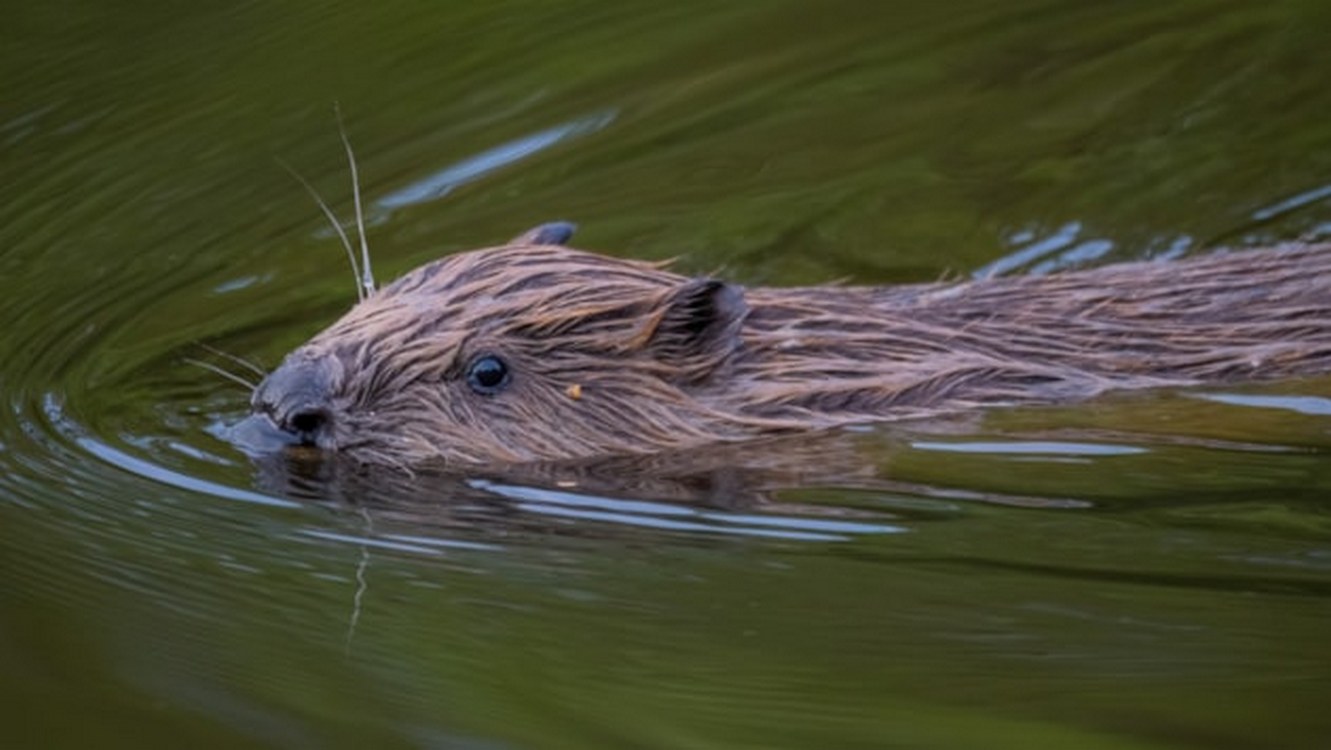
Equipped with razor-sharp, iron-reinforced incisors capable of felling a fully grown tree in minutes, the Eurasian beaver is officially making its triumphant return to the catchment area of Scotland’s most famous and mystical body of water. Exactly half a millennium after the last recorded sightings of the species in the region between 1526 and 1527, these master architects of the natural world are stepping back into their ancestral home.
The historic translocation initiative, greenlit by Scotland’s national nature agency, NatureScot, marks a monumental leap forward for European rewilding efforts. Over the next three years, up to 15 beaver families will be released into the expansive River Ness catchment area—a vast hydrological network that directly feeds Loch Ness. Spearheaded by conservation nonprofits Trees for Life and the Beaver Trust, the project promises to revitalize local ecosystems, boost regional biodiversity, and restore a vital native species to the Scottish Highlands.
Main Facts: The Loch Ness Beaver Project
The formal approval, granted on October 30, follows a rigorous application and assessment process conducted in strict alignment with the Scottish Code for Conservation Translocations. This framework evaluates complex ecological variables, including site suitability, genetic viability, animal welfare protocols, and potential socioeconomic impacts on local communities and neighboring land managers.
Under the terms of the newly issued license, Trees for Life and the Beaver Trust are authorized to release up to 15 family groups of beavers into carefully selected sub-catchments within the River Ness region over a three-year window. The initial releases are slated to begin in the coming weeks.
Crucially, the animals chosen for translocation will not be imported from abroad. Instead, they will be sourced from other regions within Scotland where their natural dam-building and foraging behaviors are currently causing unintended conflicts with prime agricultural land, or where individuals have struggled to settle in their current habitats. This "management translocation" strategy serves a dual purpose: it alleviates agricultural pressures in lowland farming areas while simultaneously restoring the species to a landscape that desperately needs its ecological functions.
Chronology of a Homecoming: 500 Years in the Making
To fully appreciate the gravity of this reintroduction, one must look back through the centuries of ecological shifts that transformed the Scottish Highlands.
The Decline and Disappearance (16th Century)
Historically, Eurasian beavers (Castor fiber) were widespread across Scotland and the rest of the British Isles. They thrived in the slow-moving rivers, wooded valleys, and freshwater lochs of the Highlands. However, as human populations expanded and commercial pressures mounted, beavers were ruthlessly hunted for their dense, waterproof fur, their castoreum (a secretion used in perfumes and medicine), and their meat. Furthermore, as medieval agriculture and timber harvesting intensified, their natural wetland habitats were systematically drained and cleared.
By the late 1520s, the species was pushed to total extinction in the Loch Ness region. Historical records indicate the last regional sightings occurred around 1526–1527. Across the wider British Isles, the fate of the beaver was sealed shortly thereafter, with the species completely eradicated by the 16th or 17th century. For half a millennium, Scotland’s waterways functioned entirely without their primary ecosystem engineer.
The Modern Scottish Renaissance (2009–Present)
The modern rehabilitation of the Scottish beaver began in earnest in 2009 with the Scottish Beaver Trial at Knapdale in Argyll, which officially reintroduced the species to the wild under scientific licence. This was followed by the unauthorized, "surreptitious" releases of beavers in the Tayside region, which quickly established a thriving, self-sustaining population across eastern Scotland.
In 2016, following extensive monitoring and public consultation, the Scottish Government made the landmark decision to allow beavers to remain officially, granting them protected status as a native species under European law in 2019. Since then, conservationists have increasingly pushed to help beavers reclaim their historic range, moving beyond Tayside and Argyll into new watersheds. The River Ness authorization represents the latest—and perhaps most high-profile—chapter in this ongoing rewilding narrative.
Supporting Data and Ecological Context
The decision to approve the River Ness reintroduction was not made lightly. NatureScot’s comprehensive environmental assessment evaluated the carrying capacity of the watershed, the potential impacts on migratory fish populations (such as Atlantic salmon and sea trout), and the risk to local infrastructure.
The findings strongly favored the beavers. The assessment concluded that the River Ness catchment possesses vast tracts of suitable habitat capable of supporting healthy beaver populations, with the overall landscape facing a very low risk of negative, irreversible impacts from beaver activity.
Furthermore, public engagement proved overwhelmingly positive. A formal consultation process conducted by the applicant nonprofits revealed that more than 73% of local respondents actively supported the return of the species. This high level of community backing reflects a broader cultural shift in Scotland toward ecological restoration and climate resilience.
Official Responses and Stakeholder Perspectives
The announcement has drawn widespread praise from conservationists, government officials, and environmental scientists alike, even as authorities acknowledge the legitimate concerns of local landowners.
Robbie Kernahan, NatureScot’s Director for Wildlife Management, emphasized the multifaceted benefits the species will bring to the Highlands:
"Beavers can bring many benefits for nature and people, creating habitats such as ponds and wetlands where other species thrive, as well as moderating water flows in times of flood and water scarcity."
Kernahan also addressed the anxieties voiced by agricultural stakeholders during the consultation phase, emphasizing that proactive measures are already in place to safeguard local livelihoods:
"Some concerns have been raised by land managers and residents through the consultation process and we take these seriously. We have assessed the monitoring and mitigation plans set out by the applicants and believe that, along with our existing Beaver Mitigation Scheme, any potential conflicts that may arise can be resolved."
Representatives from Trees for Life and the Beaver Trust echoed these sentiments, framing the project as a critical tool for combating the ongoing biodiversity crisis. By acting as "ecosystem engineers," beavers naturally sculpt their environments. Their habit of building dams slows water velocity, traps sediment, filters pollutants, and creates complex networks of shallow ponds and deadwood wetlands. These micro-habitats become hotbeds of life, providing essential breeding grounds for amphibians, aquatic invertebrates, water voles, and various bird species, while simultaneously expanding native woodland cover.
Implications for Biodiversity, Climate Resilience, and Tourism
The return of the beaver to the River Ness catchment carries profound implications across multiple sectors, transforming everything from regional ecology to the local economy.
1. Ecological Restoration and Biodiversity Uplift
Decades of intensive land management, deforestation, and river straightening have left many Scottish river systems uniform, fast-flowing, and ecologically sterile. Beavers act as a natural corrective. By constructing dams and digging canal networks, they retain water on the landscape during summer droughts and absorb excess runoff during heavy winter rainstorms.
The resulting wetlands act as natural sponges, recharging local water tables and improving water quality. For biodiversity, the impact is transformative. Species that rely on complex wetland mosaics—such as dragonflies, otters, ospreys, and various migratory fish—frequently experience significant population rebounds following beaver reintroductions.
2. Climate Change Mitigation
As Scotland experiences the increasingly volatile weather patterns associated with global climate change, the ecosystem services provided by beavers offer a cost-effective, nature-based defense mechanism. By naturally moderating water flows, beavers reduce the risk of catastrophic downstream flooding in vulnerable highland communities. Simultaneously, their wetland creation sequesters significant amounts of carbon in organic-rich soils and peat-forming environments.
3. Socioeconomic Dynamics and Tourism
While the vast majority of local residents and tourism operators have embraced the initiative, integrating beavers into a landscape shared with farmers, foresters, and anglers requires careful, ongoing management. The Scottish Government’s established Beaver Mitigation Scheme provides advice, assistance, and, where necessary, licensing for preventative measures (such as flow devices and tree guards) to ensure that human-wildlife coexistence remains sustainable.
At the same time, the prospect of watching wild beavers near the legendary shores of Loch Ness is expected to provide a powerful boost to eco-tourism. Visitors traveling to the Highlands in search of Scotland’s mythological aquatic monster may now find themselves equally captivated by the tangible, industrious marvel of a beaver engineering a wetland right before their eyes.
Looking Forward
As Trees for Life and the Beaver Trust finalize their preparatory work and the first family groups are ferried to their new Highland homes, the stage is set for a remarkable ecological reunion.
The next time visitors stand on the misty shores of Loch Ness, scanning the dark waters for a long, thin shape breaking the surface, they may want to double-check their binoculars. It just might not be Nessie after all—it could very well be the new kid on the loch, proudly hauling a fresh log to build a dam for the future.