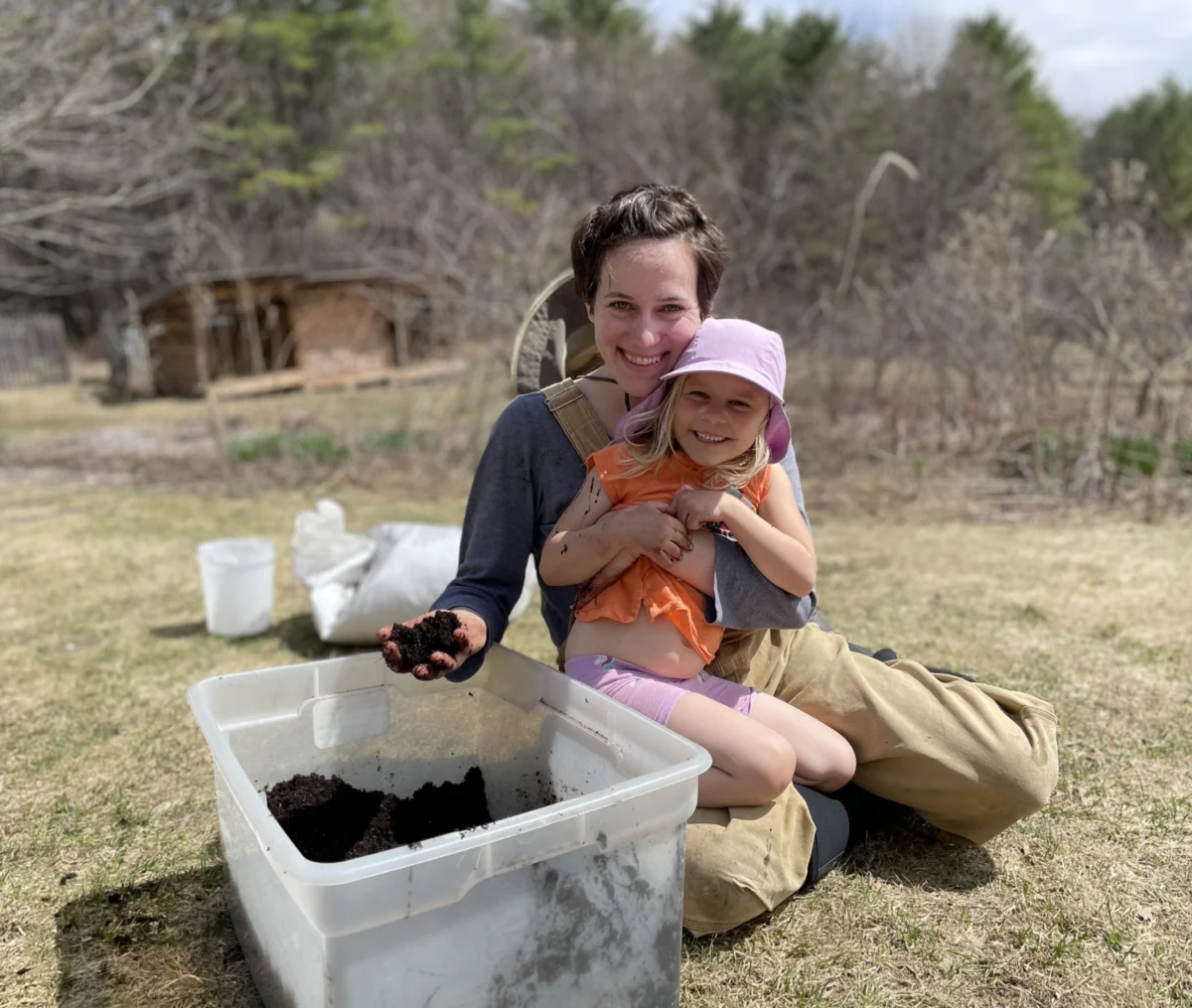
When the founders of the renowned blog Frugalwoods decided to leave their urban lives behind in May 2016, they carried with them a vision of self-sufficiency that has become the hallmark of the modern homesteading movement. Trading the constraints of the city for 66 acres of woodland in rural Vermont, they sought freedom, space, and a connection to the land. However, seven years later, the reality of their journey offers a compelling, pragmatic look at the disconnect between romanticized agrarian ideals and the grueling, time-bound demands of sustainable living.
As the couple celebrates the seventh anniversary of their transition to rural life and the ninth year of the Frugalwoods platform, they have begun a series of retrospective analyses aimed at "debunking" the myths surrounding the homesteading lifestyle. The first and most significant target of this critique is the assumption that a homestead is—or should be—the primary source of a family’s entire food supply.
Main Facts: The Myth of Absolute Self-Sufficiency
The central tenet of the "back-to-the-land" movement is often the goal of total food independence: growing, harvesting, and preserving every vegetable, fruit, and protein source required for a family’s survival. For many, this is viewed as the pinnacle of sustainable living.
However, the Frugalwoods experience reveals a sobering truth: treating the homestead as a full-time production facility can inadvertently recreate the very pressures the couple sought to escape. The transition from a professional office environment to a manual labor-intensive lifestyle did not eliminate stress; it merely shifted the source of that anxiety.
The primary lesson learned is that subsistence farming is a demanding, all-consuming, full-time profession. When the goal shifts from hobby gardening to total self-sufficiency, the gardener loses their autonomy, becoming a slave to the ripening schedules of crops and the unpredictable nature of the harvest.
A Chronology of Discovery: The Learning Curve
The journey toward this realization was not instantaneous. It was forged through years of trial and error, punctuated by moments of both triumph and overwhelming exhaustion.

- May 2016: The move to the 66-acre Vermont homestead marks the beginning of a period characterized by intense infrastructure development. The couple spent the first few years clearing land, building fences, and establishing the foundational systems required for a large-scale garden.
- 2018: The "Kale & Chard Apocalypse": This year served as a defining turning point. In an attempt to push their self-sufficiency to the limit, the couple planted 80 kale and chard plants. The resulting yield was so voluminous that it required a child’s wading pool and multiple washing stations to process. The ordeal took days of back-breaking labor, leaving the family physically drained and questioning the sustainability of their goals.
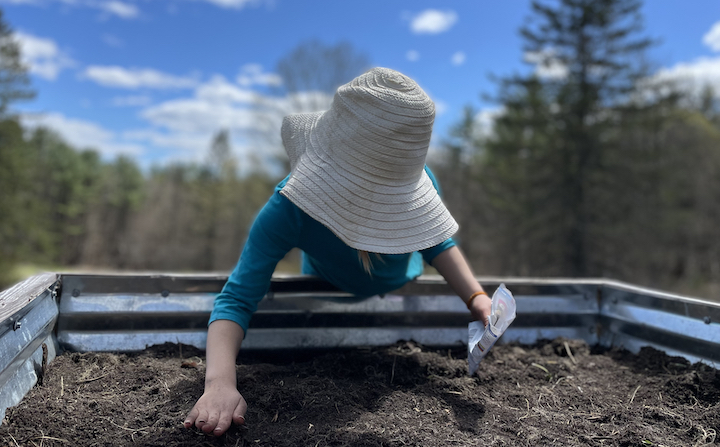
- 2020: The Shift in Infrastructure: Recognizing the need for efficiency and accessibility, Nate, the co-founder, constructed raised beds near the back porch. This shift prioritized convenience and manageable yields over the expansive, high-maintenance garden plots of previous years.
- 2023: The Present Status: After seven years, the family has reached a state of "tempered acceptance." They continue to garden, but they have shed the self-imposed pressure to provide 100% of their sustenance. They now view their garden as a source of joy and education for their children rather than a survival imperative.
Supporting Data: The Logistics of the Garden
The current gardening operation at the Frugalwoods property is a testament to calculated, manageable scale. The land currently supports three distinct growing areas, each serving a different purpose in their modified lifestyle.
1. The Proximity Beds
Four raised beds situated immediately adjacent to the back porch prioritize accessibility. These beds focus on high-yield, low-maintenance crops:

- Strawberries: Positioned for quick snacking and seasonal enjoyment.
- Herbs and Greens: Culinary essentials that are easy to harvest in small quantities for daily meals, reducing the need for constant, large-scale processing.
2. The "Big" Vegetable Garden
This fenced-in area utilizes cattle panels for vertical growth, allowing for efficient trellising of snap peas and tomatoes. This remains the primary site for annual crops like peppers, squash, and beans. It serves as a pedagogical space where each child manages their own row, emphasizing the educational value of gardening over pure production volume.
3. The Perennial Orchard
The homestead includes a variety of fruit trees and bushes. However, the data on these crops is perhaps the most humbling. Trees often require six years to bear fruit, and even then, production is highly variable. Environmental factors, including late frosts and inconsistent rainfall, frequently threaten yields.

The "Clever Varmint Patrol" and Ecological Reality
One of the most persistent challenges reported by the homesteaders is the competition for resources. They refer to the local wildlife as the "Clever Varmint Patrol" (CVP). This group—ranging from birds to small mammals—consistently threatens the perennial fruit crop.
The struggle against the CVP highlights the limitations of organic farming without industrial-scale defenses. The couple has attempted various methods, including netting and chicken-wire cages, often with limited success. The reality is that in a rural environment, the ecosystem views the harvest as a community resource. Accepting that a portion of the crop will inevitably be lost to local fauna is a necessary component of their newfound peace of mind.

Implications: The Psychology of Choice
The implications of this journey reach beyond the fence lines of a Vermont homestead. It highlights the dangers of replacing one form of societal expectation with another.
When the Frugalwoods founders realized they were feeling guilty for not canning 90 quarts of pickled chard, they identified a critical psychological trap: the "homesteading competition." By observing the curated, highlight-reel lives of other homesteaders on social media and in literature, they had inadvertently created a new standard of perfectionism.

The decision to stop "over-gifting" jars of preserves to friends or feeling demoralized when produce had to be composted was not a failure; it was a success in reclaiming their time. The couple’s transition from striving for the "perfect homesteader" image to simply being people who enjoy their land is a powerful lesson in intentional living.
The Modern Path Forward
The conclusion drawn from nine years of blogging and seven years of rural living is clear: there is no moral superiority in subsistence farming if it leads to burnout. For the Frugalwoods family, the goal was never to become farmers in the commercial or subsistence sense—it was to escape the "rat race."

By supporting their farmer neighbors, purchasing local produce, and maintaining a garden that fits into their schedule rather than dictating it, they have found a sustainable balance. They have traded the anxiety of the "to-do list" for the freedom to spend summer afternoons hiking or visiting friends.
This evolution serves as an essential case study for anyone contemplating a move to the country. It suggests that the most successful homestead is not the one that produces the most food, but the one that best supports the quality of life the occupants set out to find. In the end, the most significant harvest from their 66 acres hasn’t been the tomatoes or the apples, but the hard-won realization that they possess the right to define "success" on their own terms.