
In the wake of global health crises, the concept of "home" has undergone a profound transformation. What was once a sanctuary for rest has transitioned into a multi-functional hub for work, education, and leisure. As public health officials continue to emphasize that staying home is the most effective strategy to mitigate the spread of viral pathogens, the challenge for many remains the same: how to maintain mental stimulation and joy within confined spaces. Far from being a period of stagnant boredom, this era offers a unique, albeit forced, opportunity for self-discovery, skill acquisition, and creative exploration.
The Paradigm Shift: Why Home-Centric Living Matters
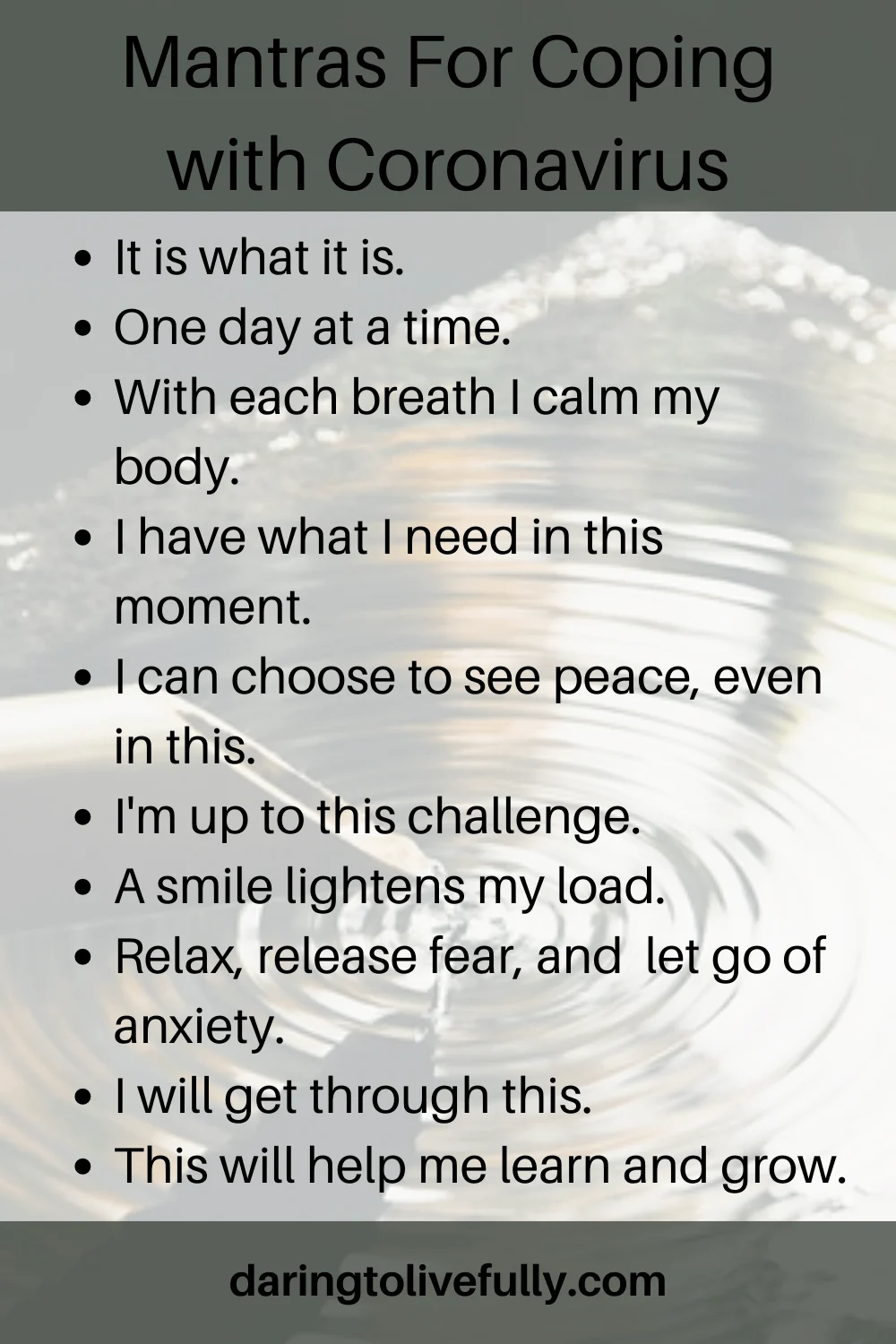
The current global climate requires a collective commitment to domestic isolation to protect vulnerable populations. However, the psychological toll of isolation is well-documented. Experts in behavioral health suggest that structure and purposeful activity are the primary antidotes to the "cabin fever" that often accompanies prolonged indoor stays. By curating a list of enriching activities, individuals can transform their living environments into arenas of growth rather than mere waiting rooms.

1. Gamification as a Learning Tool
The stigma that gaming is an idle pastime is rapidly fading. Modern board games—often termed "designer" or "Euro-style" games—are increasingly used as pedagogical tools. Games such as Cytosis: A Cell Biology Game provide an immersive, biologically accurate look at cellular structures, proving that complex scientific concepts can be internalized through play. Similarly, strategic games like Dominion—a pioneering deck-building game—teach essential life skills such as long-term planning, resource management, and risk assessment. The accessibility of these games, often available via digital platforms, means that one can engage with global communities without stepping outside.
2. The Creative Frontier: Designing Your Own Games
Beyond playing, there is a profound psychological benefit to creation. Building a custom board game allows individuals to exercise creative agency. Whether one utilizes a dedicated "Create Your Own Board Game Kit" or simple household craft supplies, the process of conceptualizing rules, themes, and mechanics is a rigorous mental exercise.

This activity is particularly beneficial for families. Parents can design games that focus on specific educational outcomes—such as historical timelines, geography, or financial literacy—making learning a collaborative and high-stakes adventure rather than a chore. The limit to this pursuit is only one’s imagination; themes can range from personal family history to futuristic sci-fi narratives.
3. Intellectual Engagement: Geography and Trivia
The television show Jeopardy! has long stood as a cultural touchstone for general knowledge. Replicating this format at home provides an excellent mechanism for cognitive maintenance. By narrowing the focus to specific domains like global geography, participants can turn a casual evening into a rigorous academic challenge.

Researching obscure facts—such as the world’s longest rivers, the capitals of remote island nations, or unique topographical features—creates a snowball effect of curiosity. By the time society returns to normalcy, the dedicated home-scholar will find their general knowledge base significantly expanded.
4. The Domestic Scientist: Empirical Exploration
One of the most enduring missed opportunities in modern education is the hands-on science experiment. From the classic baking soda and vinegar volcano to the more complex endeavor of creating a working battery from a potato, these projects offer a tactile connection to the laws of chemistry and physics. Being a "mad scientist" at home encourages curiosity and troubleshooting—skills that are highly transferable to professional environments.
5. Mapping the Future: The Bucket List Collage
Proactive visualization is a proven method for maintaining morale during difficult times. A "bucket list" is more than a list of goals; it is a declaration of intent for the future. By curating a collage of images representing desired travel destinations, skill acquisitions, or personal milestones, individuals can anchor their optimism in concrete visuals. This exercise acts as a psychological bridge between the constraints of the present and the possibilities of the future.
6. Curating Cultural Nostalgia: The TV Marathon
There is a distinct comfort in the familiar. Classic television, such as The Andy Griffith Show or I Love Lucy, offers a window into a "simpler" era, providing a psychological reprieve from the intensity of current news cycles. These shows are not merely entertainment; they are cultural artifacts that offer lessons in morality, community, and the human condition. Engaging in a marathon of these classics can provide a much-needed sense of continuity and stability.
7. Artistic Expression: Rock Painting and The Kindness Project
Artistic output is a recognized therapeutic tool. Rock painting, in particular, is accessible, inexpensive, and highly rewarding. Using acrylic paints or specialized markers, one can turn ordinary river stones into miniature canvases.
The "Kindness Rocks Project" takes this a step further by emphasizing altruism. By painting uplifting messages or vibrant designs on stones to be hidden in public spaces for others to find, participants engage in a delayed form of community building. It is a reminder that even when we are physically apart, our impact on others can remain profound.

8. The Pursuit of a Passion Project
In the professional world, we are often defined by our job titles. A "passion project," however, is defined entirely by the individual. Whether it is writing a novel, learning a coding language, or mastering a new instrument, these projects serve as an outlet for creativity that is not beholden to external deadlines or corporate metrics. According to experts, passion projects increase overall life satisfaction and can, in some cases, lead to unexpected career pivots or new streams of income.
9. Immersive Literature and Cinema: The Harry Potter Marathon
Few literary series have captured the global imagination like J.K. Rowling’s Harry Potter. Combining a reading marathon with the corresponding film series provides a multi-sensory experience that can occupy weeks of time. This level of immersion into a "wizarding world" acts as a powerful form of escapism, allowing the mind to recharge in a space of magic and whimsy.

10. The Proust Questionnaire: A Deep Dive into the Self
The Proust Questionnaire, famously utilized by Marcel Proust, remains the gold standard for introspection. The 35 questions—ranging from "What is your greatest fear?" to "What is your idea of perfect happiness?"—demand a level of honesty that is rarely required in daily life. Engaging with these questions—or hosting a virtual session with friends—fosters deep, meaningful connections that transcend surface-level small talk.
11. Strategic Competition: The Jigsaw Puzzle
In an age of instant gratification, the jigsaw puzzle is a masterclass in patience. By turning a complex puzzle into a timed contest, one adds a layer of competitive intensity to a traditionally solitary task. It forces the brain to focus on pattern recognition and spatial reasoning, providing a meditative state that is difficult to achieve in the digital-heavy world of smartphones and social media.
12. The Linguistic Challenge: Gilbert and Sullivan
For those seeking a more rigorous intellectual challenge, the memorization of complex rhythmic texts—such as the Major General Song—is an exceptional exercise for neuroplasticity. The rapid-fire delivery and dense vocabulary required to recite the piece act as a workout for the brain’s language centers, while the inherent humor of the song provides a lighthearted end to the endeavor.
Conclusion: Living Well Under Constraints
The reality of global health mandates is that our physical movement may be limited, but our intellectual and creative movement need not be. By treating the home as a laboratory for the mind and a workshop for the soul, we can navigate these challenging times with resilience. Whether through the strategy of a board game, the artistry of a painted rock, or the vast scientific history explored in Cosmos, the opportunities for growth are infinite. The key is to approach each day not as a period of waiting, but as a deliberate chapter of personal evolution.

By diversifying our daily routines with these twelve pillars of activity, we ensure that when the doors eventually open, we emerge not just rested, but refined.