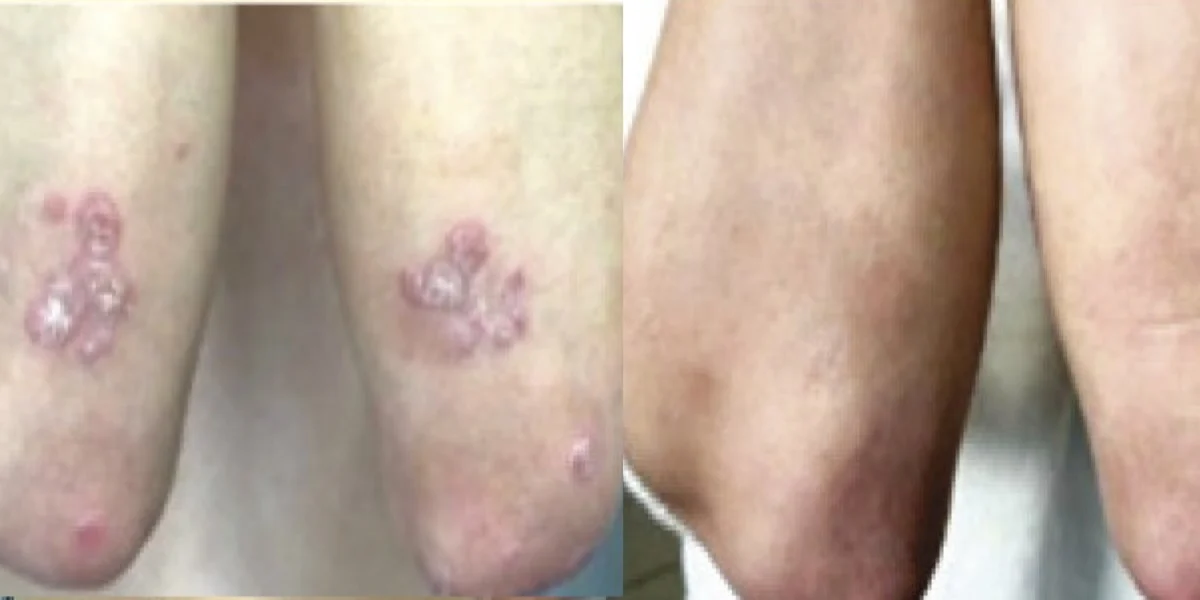
By Global Health & Medical Correspondent
Published: October 2026
Main Facts: A New Nutritional Approach to an Incurable Skin Disease
Psoriasis—an agonizing, chronic autoimmune condition characterized by itchy, inflamed, and scaly skin patches—has long baffled the medical community. Affecting millions worldwide, the condition predominantly manifests on the elbows, knees, scalp, and lower back, significantly diminishing the quality of life for those who suffer from it. Despite decades of pharmacological advancements, a definitive cure has remained out of reach, forcing patients to rely on long-term management strategies that often carry heavy side effects or high costs.
However, a groundbreaking study published in the Journal of Experimental Medicine (JEM) offers a renewed sense of hope. Researchers in China have discovered that pantethine—a widely available and inexpensive derivative of vitamin B5—could radically transform how autoimmune skin diseases are treated.
According to preclinical trials in mice and an initial "proof-of-concept" human clinical trial, supplementing with pantethine successfully reduced psoriasis symptoms, improved skin clearance, and, in animal models, entirely prevented the onset of the disease. By targeting the fundamental metabolic mechanisms that drive runaway immune responses, this everyday nutritional supplement is turning heads in the dermatological and immunological communities.
Chronology: Unraveling the Metabolic Mystery of Autoimmune Skin Inflammation
To understand how a B vitamin derivative can calm an overactive immune system, scientists had to retrace the biological pathways that trigger inflammation in the first place.
The Culprit: Dendritic Cells and Vanin Enzymes
The research team, based at the State Key Laboratory of Biomedical Analysis in Beijing, focused their investigation on dendritic cells. These specialized immune cells act as the master coordinators of the human immune system. Their primary job is to engulf foreign antigens, present them to highly specific T-cells, and secrete chemical signaling molecules (cytokines) that recruit other immune cells to fight off threats.
However, when dendritic cells become aberrantly or hyper-activated, they mistakenly trigger autoimmune attacks against healthy tissue. For years, scientists recognized that dendritic cell overactivity lay at the root of diseases like psoriasis, but therapeutic strategies addressing this specific metabolic pathway remained vastly under-explored.
Co-lead author Dr. Wei-Na Zhang and his colleagues began looking closely at a family of metabolic enzymes known as Vanins. They discovered that Vanin levels are abnormally elevated in the dendritic cells of patients suffering from psoriasis and several other autoimmune disorders.
The Chain Reaction: From Enzymes to Cholesterol
The chronology of the breakthrough unfolded as the team mapped out what Vanin enzymes actually do inside the body. Dr. Zhang’s team revealed that Vanin enzymes convert pantethine—a stable, disulfide form of vitamin B5—into other metabolites, depleting the body’s natural supply of the nutrient.
Simultaneously, the researchers noted a well-established medical link: high blood cholesterol is a major risk factor for the development and worsening of psoriasis. Previous studies had shown that cholesterol actively promotes the hyperactivation of dendritic cells.
When Vanin enzymes deplete pantethine levels in dendritic cells, it inadvertently triggers a surge in cellular cholesterol synthesis. This accumulation of cholesterol drives the dendritic cells into a state of hyperactivation, spurring the runaway inflammation that creates painful psoriatic plaques.
Reversing the Cycle
By identifying this "Vanin-pantethine metabolic axis," the researchers realized a simple countermeasure: if depleting pantethine causes hyperactivation, replenishing pantethine should reverse it.
When the researchers administered pantethine back into the system, it successfully lowered cholesterol accumulation within the immune cells, suppressed dendritic cell hyperactivation, and dialed down the destructive T-cell response. In animal trials, treating mice with a drug that inhibited Vanin enzymes—or administering pantethine directly—completely prevented the animals from developing psoriasis symptoms.
Supporting Data: Clinical Trials and Experimental Evidence
The scientific rigor behind the Journal of Experimental Medicine publication relies on a robust combination of cellular assays, animal models, and a targeted human clinical trial.
The Murine (Mouse) Trials
In laboratory settings, mice genetically predisposed to psoriatic-like skin inflammation were treated using targeted interventions designed to block Vanin activity or restore pantethine levels. The results were striking:
- Prevention: Mice treated preventatively with Vanin inhibitors or pantethine supplements did not develop psoriatic skin lesions.
- Suppression: Existing inflammatory markers in the skin tissue dropped significantly within days of restoring metabolic balance.
The Human Proof-of-Concept Trial
Encouraged by the cellular and animal data, the research team initiated a small, investigator-initiated clinical trial involving 24 human psoriasis patients.
- Methodology: All 24 patients were treated with standard topical ointments. However, a randomized subset of 12 patients was simultaneously given oral pantethine tablets as an adjunctive (supplementary) therapy.
- Duration: The trial was conducted over a rigorous 12-week period.
- Findings: Patients who received the additional pantethine treatment demonstrated noticeable improvements in their symptoms compared to those receiving standard care alone. The therapeutic benefits were particularly pronounced in patients who presented with elevated baseline blood cholesterol levels prior to the study.
Official Responses and Expert Perspectives
The medical community has responded with cautious optimism to the findings, recognizing both the innovative mechanism of the therapy and its potential accessibility.
"Metabolic pathways and their associated metabolites play vital roles in regulating immune cell function and autoimmune progression," explained Dr. Wei-Na Zhang during a briefing on the study’s outcomes. He emphasized that insufficient pantethine levels are likely a crucial, previously overlooked contributor to the hyperactivation of dendritic cells in autoimmune conditions.
Highlighting the success of the human trial, Dr. Zhang added:
"Our investigator-initiated clinical trial demonstrated encouraging therapeutic efficacy of pantethine as an adjunctive therapy in psoriasis, providing a foundation for therapeutic strategies targeting dendritic-mediated autoimmune diseases."
Independent dermatologists and immunologists not directly involved in the Beijing study have also weighed in, noting that the shift toward metabolic interventions represents a refreshing departure from traditional immunosuppressive drugs. While standard biologics and systemic immunosuppressants can successfully manage severe psoriasis, they often carry hefty price tags, require rigorous monitoring, and can leave patients vulnerable to secondary infections. Pantethine, by contrast, acts on a fundamental metabolic vulnerability rather than broadly shutting down the immune system.
Implications: A New Frontier for Autoimmune and Inflammatory Skin Conditions
The implications of the Vanin-pantethine discovery extend far beyond the management of scaly elbows and knees. If subsequent, larger-scale clinical trials confirm these initial findings, the ripple effects could reshape dermatological and immunological medicine.
1. Affordable, Accessible Adjunctive Care
Because pantethine is already widely manufactured and sold as an over-the-counter nutritional supplement (frequently utilized for its cholesterol-lowering properties), its regulatory path toward widespread clinical recommendation as an adjunctive therapy could be smoother and faster than entirely novel pharmaceutical compounds. This accessibility could democratize treatment options for patients in low-resource settings who struggle to afford expensive biologic drugs.
2. Broadening the Horizon for Other Autoimmune Diseases
Dendritic cell hyperactivation and elevated Vanin enzyme levels are not unique to psoriasis. Researchers note that similar metabolic dysregulations underpin a variety of other autoimmune and inflammatory conditions, including rheumatoid arthritis, inflammatory bowel disease (IBD), and systemic lupus erythematosus (SLE). Understanding how to modulate this metabolic axis opens the door to testing pantethine—or newly developed Vanin-inhibiting drugs—across an array of notoriously difficult-to-treat diseases.
3. Emphasizing Metabolic Health in Dermatology
The study underscores the intricate connection between systemic metabolism (such as lipid and cholesterol processing) and immunological skin health. Dermatologists may increasingly look toward nutritional and metabolic profiling—such as checking patient cholesterol levels and micronutrient balances—as standard operating procedure when designing personalized treatment plans for chronic skin disorders.
Looking Forward
While researchers caution that larger, multi-center, randomized controlled trials are urgently needed to establish definitive dosage guidelines and long-term safety profiles, the current data provides a powerful ray of hope. For the millions of individuals worldwide waking up every day to the persistent itch and social stigma of psoriasis, the solution may soon be found not in a complex, high-risk biologic injection, but in a simple, targeted metabolic adjustment.