In an era where digital life is increasingly fragmented across dozens of specialized applications, the challenge of maintaining a cohesive personal history has never been greater. For many, fitness trackers have become a digital ledger of physical exertion—a cold, data-driven record of heart rates, split times, and elevation gains. Meanwhile, the digital journal remains a sanctuary for reflection, emotional health, and narrative. Today, Day One, the industry-leading journaling platform, is bridging this divide. With the launch of its new, deep integration with Strava, Day One is transforming how users synthesize their physical achievements with their personal life stories.
The Convergence of Data and Narrative: Main Facts
The core of this update is simple yet profound: it allows users to automatically import their Strava workouts directly into their Day One journal. By bridging these two ecosystems, Day One is positioning itself not just as a diary for thoughts, but as a holistic life-logging tool.
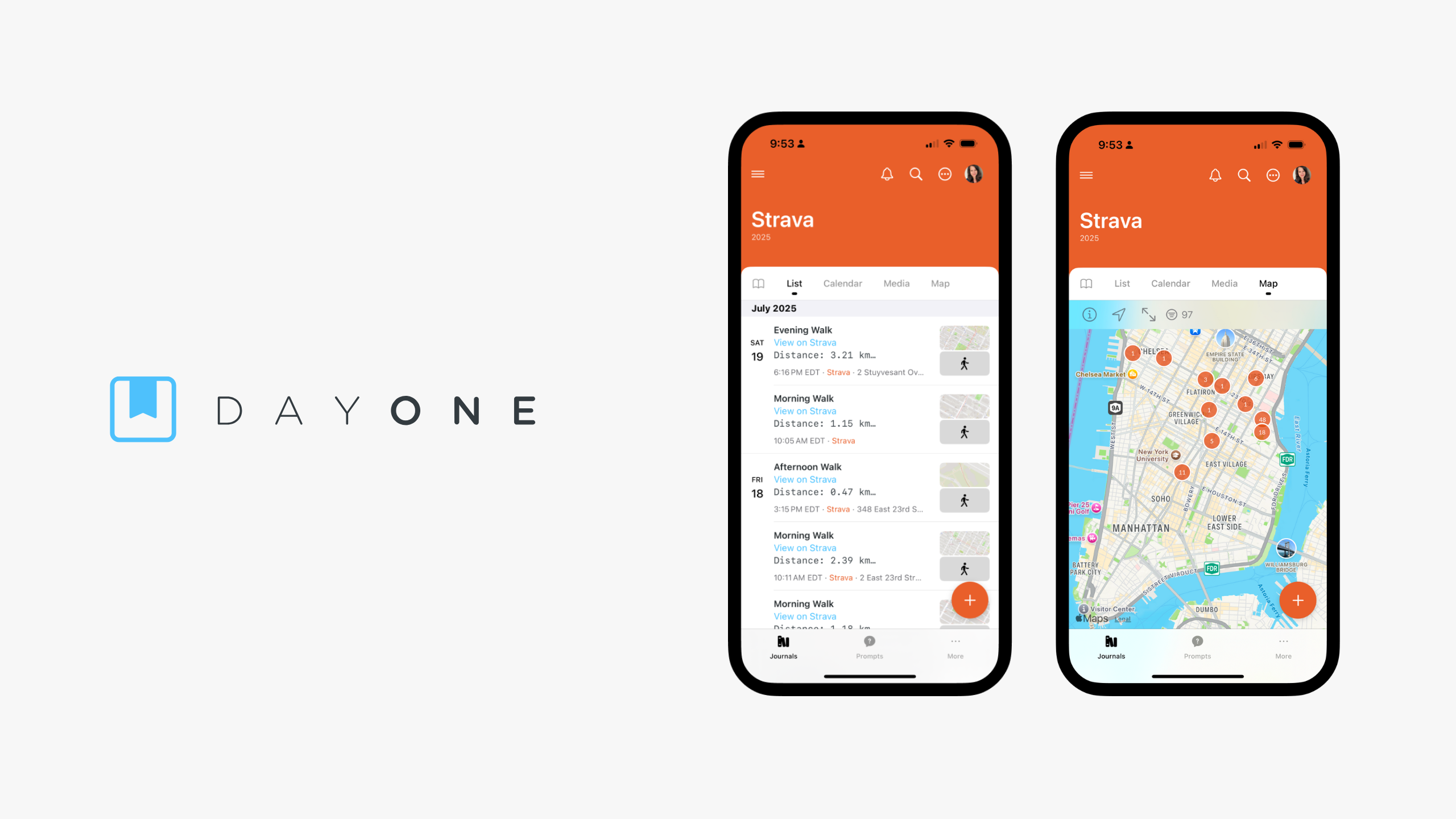
Available starting in version 2025.22 of the Day One application—currently accessible on iPhone, iPad, and the web—the feature is designed for those who view movement as a central pillar of their daily lives. The integration requires a Day One Silver subscription, signaling the company’s commitment to premium, value-added features for its power users. Once authorized, the connection acts as a seamless conduit; as soon as a user finishes a ride, run, or hike, the data is pushed from the Strava API into the Day One interface.
Unlike a simple data dump, these imports are designed to be "journal-ready." Each activity is rendered as a standalone entry, providing a canvas where the user can overlay their own subjective experience onto the objective data. This marks a shift from passive tracking to active, intentional storytelling.

A New Rhythm: The Chronology of Implementation
The development of this feature follows a broader trend in the "Quantified Self" movement, where users are seeking ways to contextualize their data. The integration process itself was designed with user autonomy in mind:
- Initial Authentication: Users initiate the link via their Day One account settings, providing the necessary permissions for Day One to read their Strava data.
- The "First Sync" Phase: Upon initial setup, Day One automatically pulls the most recent activities. This provides immediate gratification, allowing users to see their latest accomplishments populating their timeline.
- The Background Backfill: Recognizing that many users have years of history, the application initiates a background process to import past activities. This ensures that the user’s long-term history is preserved without bogging down the application’s performance.
- Real-Time Syncing: Moving forward, any activity recorded in Strava triggers an automated sync. This process typically occurs within moments, ensuring that the digital journal remains as current as the fitness log itself.
This staged approach demonstrates a sophisticated handling of large data sets, ensuring that the user experience remains fluid while managing the complexities of historical data migration.

The Architecture of an Entry: Supporting Data
What exactly does this integration look like? It is not merely a link to an external site. Day One processes the Strava API data to reconstruct the workout within its own proprietary format. This includes:
- Multimedia Integration: If a user attaches photos or videos to their Strava post, these are pulled directly into the Day One entry, preserving the visual context of the workout.
- Dynamic Mapping: Rather than relying on static images, Day One utilizes the activity’s telemetry to reconstruct the route, providing a high-fidelity visual representation of the path taken.
- Statistical Metadata: Essential metrics—distance, duration, pace, and elevation—are formatted into the body of the entry, providing the "hard" data needed for performance tracking.
- Cross-Platform Views: Once in the system, these entries become searchable and sortable. Users can utilize the "Map View" to see a global representation of their travels, or the "Calendar View" to observe their consistency over months and years.
This approach addresses the "data silo" problem. By converting raw metrics into an entry, the workout moves from being a fleeting notification in a fitness app to a permanent fixture in the user’s personal archive.

Perspective from the Developers: Official Responses
In official communications, the team behind Day One has emphasized the philosophical shift this feature represents. "Our mission has always been to help you document life as you live it," a company spokesperson stated. "We realized that for a massive portion of our user base, ‘living’ includes the physical challenges they set for themselves. By bringing Strava into the mix, we aren’t just saving them time; we are allowing them to see the relationship between their physical performance and their mental state."
The development team also addressed the technical nuances of the integration. A recurring question from the community involved the accuracy of data—specifically step counts and route mapping. The developers clarified that while Day One does not pull step counts directly from Strava (as Strava does not provide them), it does attempt to maintain high fidelity in map rendering. Furthermore, they have implemented a "resync" feature, allowing users to correct, edit, or append to an activity in Strava and have those changes reflected in the journal, ensuring the archive remains accurate.

Implications for Personal Wellness and Legacy
The implications of this integration extend beyond convenience; they touch on the psychology of habit formation and the long-term value of digital archives.
The "Reflective Athlete" Paradigm
By requiring the user to open their journal to view their workout, Day One is nudging them toward a more reflective practice. It is easy to look at a Strava dashboard and focus solely on the "numbers"—the personal records and the caloric burn. However, when that same workout is placed in a diary alongside thoughts on the morning’s weather, the day’s work stress, or the mental clarity provided by a long run, the data gains emotional weight. It transforms the workout from a mere "log" into an "experience."

The "Printed Legacy"
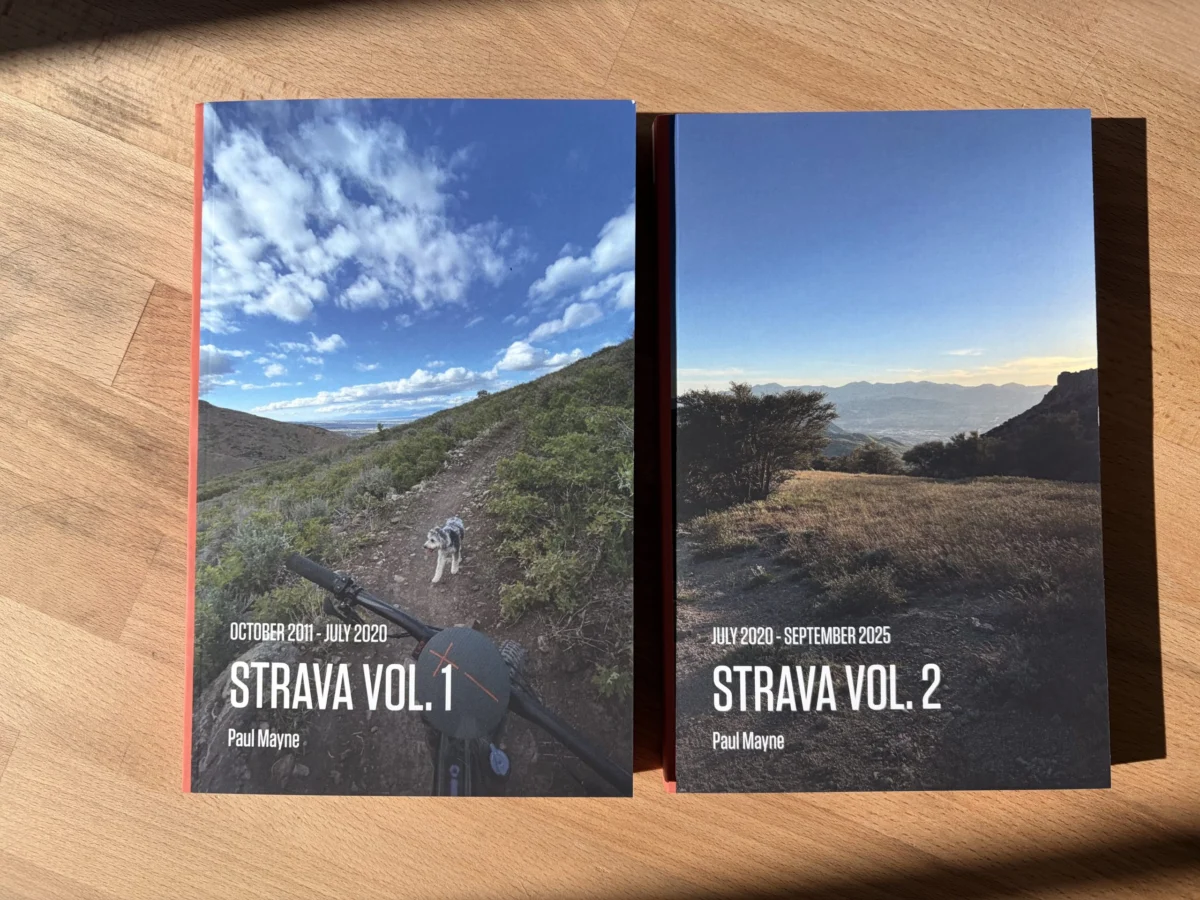
Perhaps the most powerful implication is the ability to create physical, printed books from this data. Day One’s book-printing service, which allows users to turn their digital entries into high-quality, physical volumes, suddenly becomes a compelling tool for endurance athletes. A user training for their first marathon can now produce a physical chronicle of their journey—from the first tentative training runs to the final finish line—complete with maps, heart-rate stats, and personal journal entries. This physical manifestation of digital effort is a unique product in the modern market.
Future-Proofing Memories
In the landscape of modern technology, apps go defunct and cloud services change their terms of service. By pulling Strava data into Day One, users are essentially "backing up" their fitness memories in a format that is more durable and narrative-focused. It acts as a safeguard against the day a fitness platform might disappear, ensuring that the story of one’s physical health remains intact and under the user’s control.

Future Developments
While the integration is currently limited to iOS and Web, the company has confirmed that an Android rollout is on the horizon. This commitment to platform parity suggests that Day One views this as a foundational feature rather than a niche experiment. As the integration matures, one could imagine future updates that allow for even deeper biometric correlations—such as tracking sleep data or nutrition alongside exercise—further cementing Day One’s role as the primary dashboard for the human experience.
Conclusion: A More Complete Story
In conclusion, the new Strava integration for Day One is a significant leap forward for digital journaling. It acknowledges that our lives are defined by more than just our thoughts; they are defined by our actions, our movements, and the physical challenges we choose to undertake. By removing the friction between the gym and the diary, Day One has enabled a new way to look back on our progress. Whether you are an elite athlete or someone just trying to take a daily walk, the ability to weave your physical journey into the fabric of your life story is a powerful tool for personal growth. It is an invitation to stop just tracking your stats, and start truly documenting your life.